




Fitzroy Minerals' Caballos: The Concealed Porphyry Target Beneath the Oxide Story


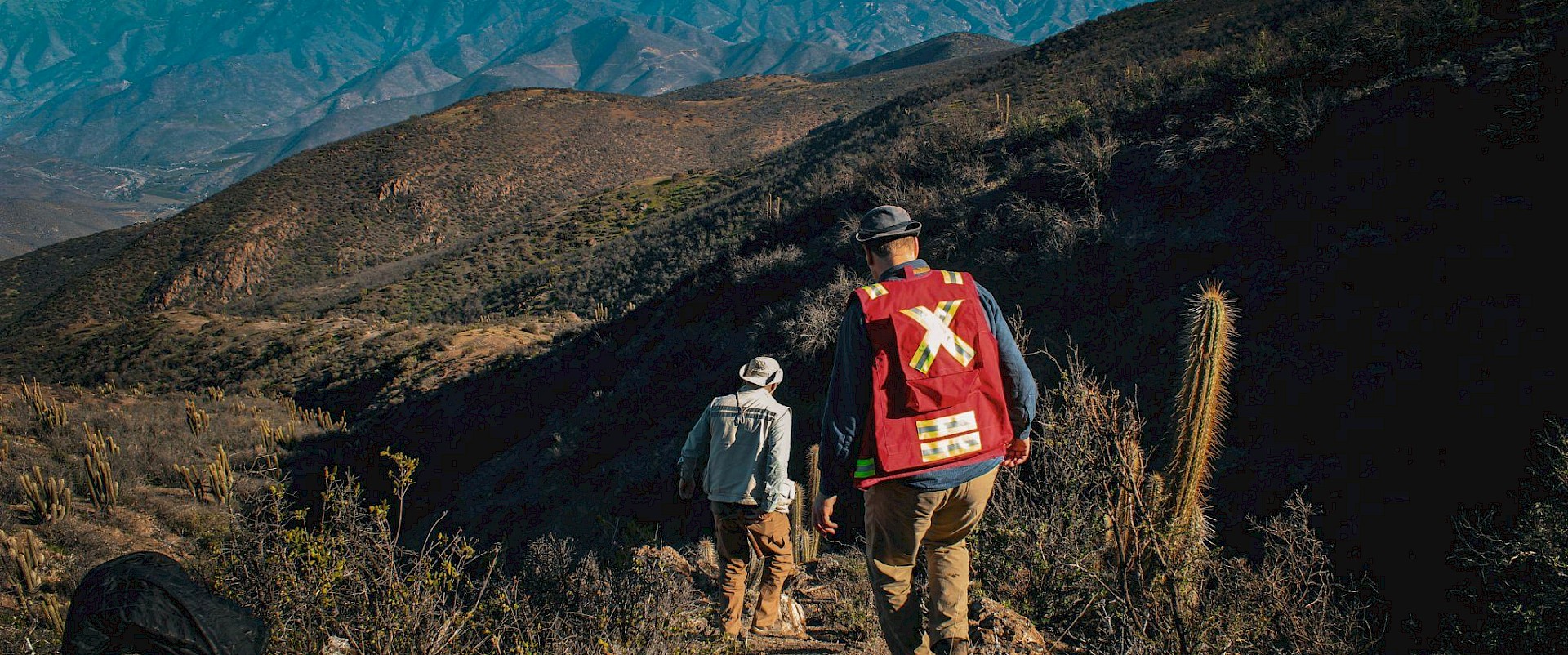
Fitzroy Minerals is testing a concealed 5-kilometre porphyry copper target at Caballos, on a Chilean belt between Los Pelambres and Los Bronces.
- Caballos is a copper-molybdenum-gold-rhenium porphyry target in Chile, on a mineralised belt 70 kilometres (km) south of Los Pelambres and 100 km north of Los Bronces.
- Geophysics has identified a concealed conductive feature approximately 5 km across at a depth of roughly 500 metres (m), still undrilled at the centre.
- Drilling near the target has returned 200 m at 0.81% copper equivalent from a depth of 66 m, including 42 m at 2.26% copper equivalent.
- A deep induced-polarisation survey is being conducted to test whether the anomaly carries sulphides, ahead of the first drilling of the concealed core, targeted for the fourth quarter of 2026.
- Near-term copper oxide production at Buen Retiro is intended to fund the Caballos programme from internal cash flow rather than equity issuance.
Caballos & the Andean Copper Belt
Fitzroy Minerals (TSXV: FTZ | OTCQX: FTZFF | FSE: C3Y) is advancing a near-term copper oxide project at Buen Retiro, and the market's attention has followed that deliverable story. Its second Chilean asset, Caballos, is a copper-molybdenum-gold-rhenium porphyry target that sits on one of the country's most productive copper structures. The project covers 18,000 hectares of licences, 70 kilometres (km) south of the Los Pelambres mine and 100 km north of Los Bronces, placing a discovery-scale target within an established producing belt rather than a frontier one.
Those neighbours set the scale of what the structure has already delivered. Los Pelambres and Los Bronces together host about 80 million tonnes of contained copper. Together with El Teniente, the operating mines along this trend produce close to 1 million tonnes of copper a year, around 4% of global output, which frames the endowment density an explorer is drilling into here.
The deposits recur along the structure with a rough regularity, spaced every 50 to 80 km, and Caballos sits as the third of four major systems in that line. The belt context confers no resource of its own. Caballos carries no Mineral Resource Estimate (MRE); the tonnages above belong to the producing neighbours rather than to Fitzroy's ground, and the case rests on whether the company can convert a geophysical target into something comparable.
A Concealed Five-Kilometre Target
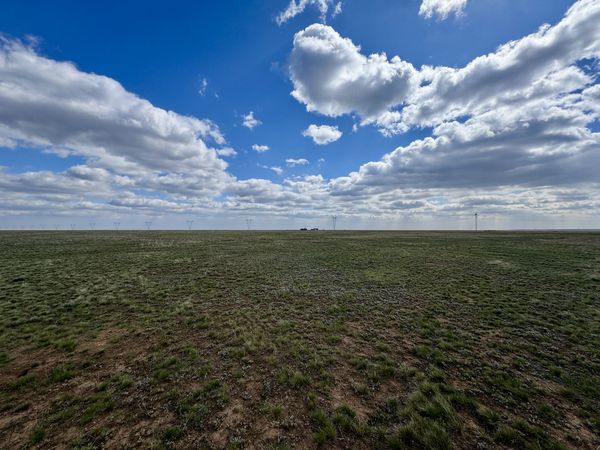
The target is a geophysical anomaly rather than a drilled deposit, which sets both the scale of the prize and the size of the risk. A heli-borne electromagnetic survey imaged a circular conductive feature about 5 km in diameter at roughly 500 metres (m) depth, with the main anomalies sitting near 2,000 m elevation. That elevation is moderate by Andean standards, which keeps the target more accessible than the high-altitude discoveries that now define much of the frontier of copper exploration.
The feature lies within the Pocuro Fault Zone, a conductive corridor traced for more than 14 km along strike within the project boundaries. A long crustal fault is the plumbing a porphyry system needs to emplace, and a circular conductive body sitting on that fault is the geometry the company reads as a concealed porphyry. Whether that body carries economic copper is the question drilling has yet to answer, and it is the single fact that would reprice the project from an exploration concept to a discovery. Because the conductive body sits concealed beneath cover, no historic drilling has tested its centre, which is why a target of this size remains open this late in the belt's history.
Mineralisation Already Intersected
Drilling so far has tested mineralisation around the target rather than its concealed core, and the intercepts are wide enough to argue the system is fertile. One hole returned 200 m at 0.81% copper equivalent from a depth of 66 m, including 42 m at 2.26% copper equivalent, the higher-grade interval carrying 1.20% copper, 1,764 parts per million (ppm) molybdenum, and 0.23 grams per tonne (g/t) gold. True widths are estimated at about 75% of the down-hole intervals, so the mineralised structure is real width rather than a shallow-angle artefact.
A second hole intersected 176 m at 0.47% copper equivalent. The 200 m intercept, drilled into breccias along the Pocuro Fault Zone about 2 km west of the main anomaly, carried copper, molybdenum, gold, silver, and rhenium, showing the system holds a polymetallic charge rather than copper alone. The molybdenum, gold, and rhenium credits are typical of a porphyry-style system, and they add potential by-product value to any copper the core might hold.
No metallurgical test work has been completed, so the copper-equivalent grades rest on modelled recoveries of 85% copper, 90% molybdenum, and 50% gold, at trailing three-year prices of US$3.99 per pound for copper, US$21.37 per pound for molybdenum, and US$2,043 per ounce for gold. That basis is an assumption, not a metallurgical result. On those terms, the drilling confirms a fertile system around the edges of the anomaly without yet testing the concealed body at its centre. Until leach or flotation test work is done, recovery remains the largest single unknown in the copper-equivalent figure, and it is the variable most able to move the economics in either direction.
The Deep Induced-Polarisation Test
The step that would turn a geophysical target into a drill target is a deep induced-polarisation (IP) survey, which measures how the rock holds an electrical charge. In this setting, a chargeable response points to sulphide minerals, the form in which a porphyry system stores its copper, so the survey is a direct proxy for the presence of copper itself. That test distinguishes an interesting anomaly from a drillable deposit, which is why it comes before the drill rig in the sequence.
President and Chief Executive Officer of Fitzroy Minerals, Merlin Marr-Johnson, is precise on what the survey must resolve:
"If it's chargeable, there are only three things really which are chargeable in geology, and two of them are not likely or possible to be formed in these kinds of rocks. It could only be the third kind, which indicates sulphides."
The company already has grounds to expect sulphides over barren rock. Earlier drilling across the anomaly returned copper, molybdenum, gold, and silver with very little pyrite, so a chargeable result would be difficult to read as anything but the target's own mineralisation rather than a false signal from an unrelated sulphide. Survey results are targeted before the first drilling of the concealed target, making them the closest binary read investors have on the porphyry thesis. A weak or absent chargeability response would not rule out the system, but it would remove the strongest near-term reason to drill the concealed core ahead of the belt's other targets.
Funding Exploration From Oxide Cash Flow
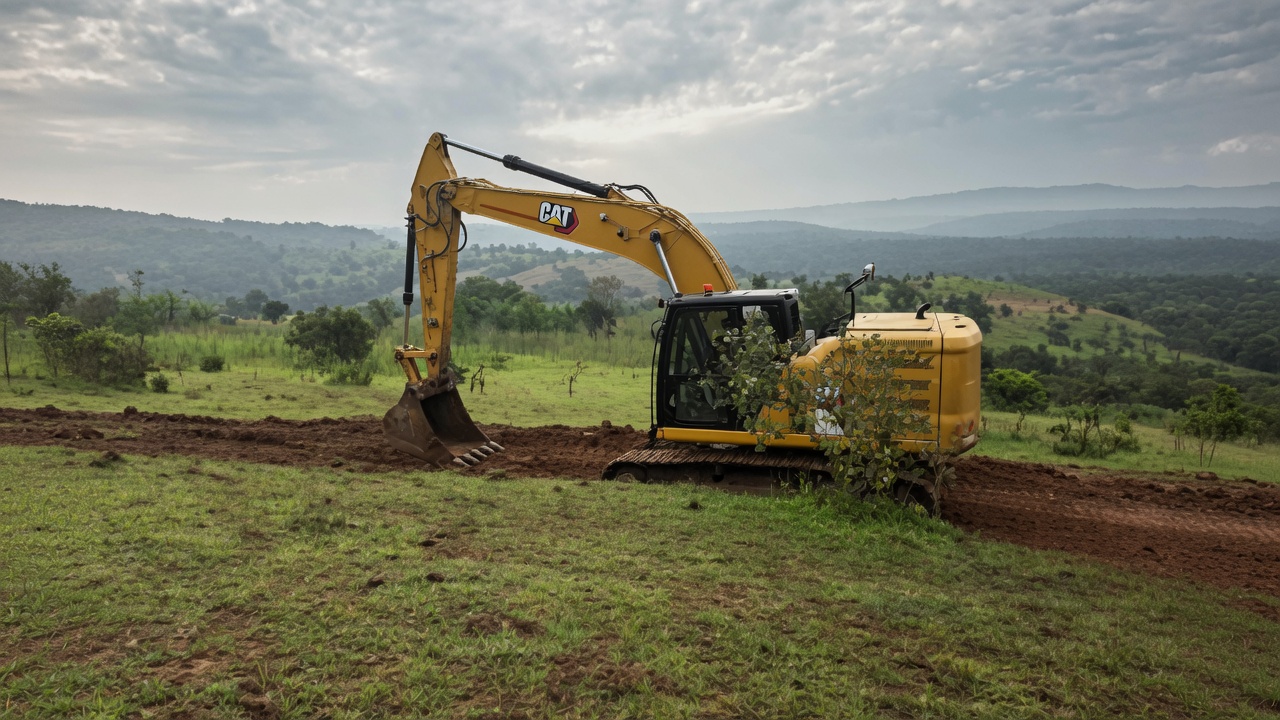
What separates Caballos from a typical single-asset explorer is how the drilling is meant to be paid for. At Buen Retiro, Fitzroy is targeting first production in early 2028, leaching the near-surface, leachable material that runs 1.7% to 2% copper. The plan runs under a letter of intent with Pucobre, using that company's nearby Planta Biocobre solvent-extraction plant. Sharing an existing plant rather than building one points to reduced capital requirements and low capital intensity at the oxide stage.
Marr-Johnson frames the funding logic this way:
"If we've got US$30 million of free cash flow generated from the oxide plant in 18 months' time, then we don't need the majors. We can move more quickly and spend less money, but in a better way, to do the exploration and the value engineering ourselves."
According to the company's own rule-of-thumb assumptions, the oxide operation could generate US$30 million to US$45 million per year in free cash flow, a figure not yet supported by a completed study. Directed into Caballos, that cash would let Fitzroy drill the porphyry target without issuing equity into a discovery or handing a major partner an early position, which is where most junior explorers surrender value. A near-term production asset becomes the funding engine for a longer-dated exploration bet, and the two assets are meant to work as a single capital cycle. Holding the discovery on its own balance sheet also preserves the company's choice over how much of any find it keeps, rather than pre-committing a share of the upside to fund the drilling.
Catalysts & Unresolved Questions
The coming year sets up a defined sequence of tests. The deep IP results come first, followed by the first drilling of the concealed anomaly in the fourth quarter of 2026 after the winter break, with a second exploration phase running into the first quarter of 2027. Each result either supports the porphyry reading or narrows it, so the news flow is structured around a target that is tested rather than merely described. A concentrated run of results over the next several quarters gives the market frequent points to re-rate or fade the thesis, which is unusual for a target still at the geophysical stage.
Marr-Johnson is direct about the response from major producers:
"When we put out some results on the porphyry, almost every major got in touch with me."
That interest signals the belt's appeal rather than a discovery, which has not been made. The core of the 5 km target remains undrilled, and the geophysical surveys are not definitive; they do not guarantee a mineral discovery. Inbound interest from larger miners lowers the eventual financing and partnering risk, but it does not de-risk the geology.
Caballos remains a grass-roots discovery with large-scale potential. Chilean permitting reforms are targeting a 30% to 70% reduction in permitting timelines, yet a project of this scale still carries regulatory and execution risk before any of the upside can be drilled, and the drilling is what the investment case now turns on.
The Investment Thesis for Fitzroy Minerals
- Caballos gives Fitzroy Minerals exposure to a concealed porphyry copper target on a Chilean belt whose neighbouring mines host tens of millions of tonnes of contained copper.
- Drilling around the target has already returned wide polymetallic intervals, including 200 metres at 0.81% copper equivalent, evidence of a fertile system rather than an untested anomaly.
- A deep induced-polarisation survey is the near-term technical read on whether the concealed anomaly carries the sulphides a porphyry deposit needs.
- Near-term oxide production at Buen Retiro is intended to fund the Caballos drilling internally, reducing the need to issue equity or bring in a major partner early.
- Interest from major producers following the porphyry results points to the belt's strategic appeal, though the core of the target remains undrilled.
- Caballos is a grass-roots discovery still at exploration-stage risk, with Chilean permitting the principal constraint.
The investment question at Caballos is whether a geophysical target with fertile edges becomes a drilled porphyry discovery, and the coming year of induced-polarisation results and first drilling into the concealed core will begin to answer it. That programme is funded by a near-term oxide business designed to keep exploration on the company's balance sheet, a structural feature that distinguishes Fitzroy from a single-asset explorer waiting on the next raise.
TL;DR
Caballos is Fitzroy Minerals' concealed porphyry copper target in Chile, positioned on a mineralised belt between Los Pelambres and Los Bronces. Drilling around the target has returned wide polymetallic intervals, including 200 m at 0.81% copper equivalent, while the concealed 5 km core remains undrilled. A deep IP survey is targeting a read on whether that core carries sulphides, ahead of first drilling in the fourth quarter of 2026. Near-term oxide cash flow from Buen Retiro is intended to fund the programme without equity dilution, which is what sets the story apart from that of a typical single-asset explorer.
FAQs (AI-Generated)
Analyst's Notes





Subscribe to Our Channel







Stay Informed


