"Get Rich Slow": Inside Purepoint Uranium's Patient Partnership Strategy With Industry Majors



Purepoint's joint ventures with Cameco, Orano & IsoEnergy enable Athabasca Basin exploration; Nova Discovery drilling underway, $8-16M deployment expected as partners accelerate
- Purepoint Uranium operates 9-10 projects in Saskatchewan's Athabasca Basin, primarily through joint ventures with Cameco, Orano, and IsoEnergy, allowing significant capital deployment without shareholder dilution
- Company holds 27% of Smart Lake (Cameco partnership), 21% of Hook Lake (Cameco-Orano partnership), and 50% of consolidated mine trend properties (IsoEnergy partnership), operating all projects for fees
- Nova Discovery/Dorado project with IsoEnergy hit high-grade mineralisation in five-six targets; currently drilling 4,500 meters with results expected throughout 2026
- Expecting to deploy $8 million in 2026 with potential doubling to $16 million in 2027, driven by increased urgency from major partners responding to supply constraints
- Industry faces western utility contracting gaps as Cameco allocated 22 million pounds to India while supply remains constrained; west-east market bifurcation intensifying
As uranium markets navigate evolving global dynamics, junior exploration companies face critical decisions about capital allocation and partnership structures. Purepoint Uranium has developed a distinctive operational model centered on joint ventures with major producers, positioning the company to participate in Saskatchewan's prolific Athabasca Basin while managing dilution risk. With exploration activity accelerating and major partners demonstrating increased urgency, the company's approach to value creation warrants investor attention.
The Joint Venture Business Model
Purepoint Uranium has evolved into a partnership-focused exploration company, maintaining equity stakes in multiple high-potential projects while operating them on behalf of industry majors. This structure emerged organically rather than by design, as CEO Chris Frostad explained: "We didn't wake up one morning and say, 'Let's be this,' but it's worked out well for us."
The model delivers several strategic advantages. By partnering with well-capitalised producersand late-stage developers including Cameco, Orano, and IsoEnergy, Purepoint can deploy substantially more capital than its balance sheet alone would permit. The company operates these joint venture projects and earns operator fees, creating revenue streams beyond equity participation.
"It allows us to put a lot of money in the ground. We can put $5, $10, $15 million in the ground and we pay our portion of it but we also earn for the work we do and it allows us to do all that work without diluting our shareholders into oblivion."
This approach proved particularly valuable during uranium's downturn when many juniors struggled to maintain operations. The partnership structure provided capital continuity and technical validation from sophisticated industry participants.
Project Portfolio and Strategic Positioning
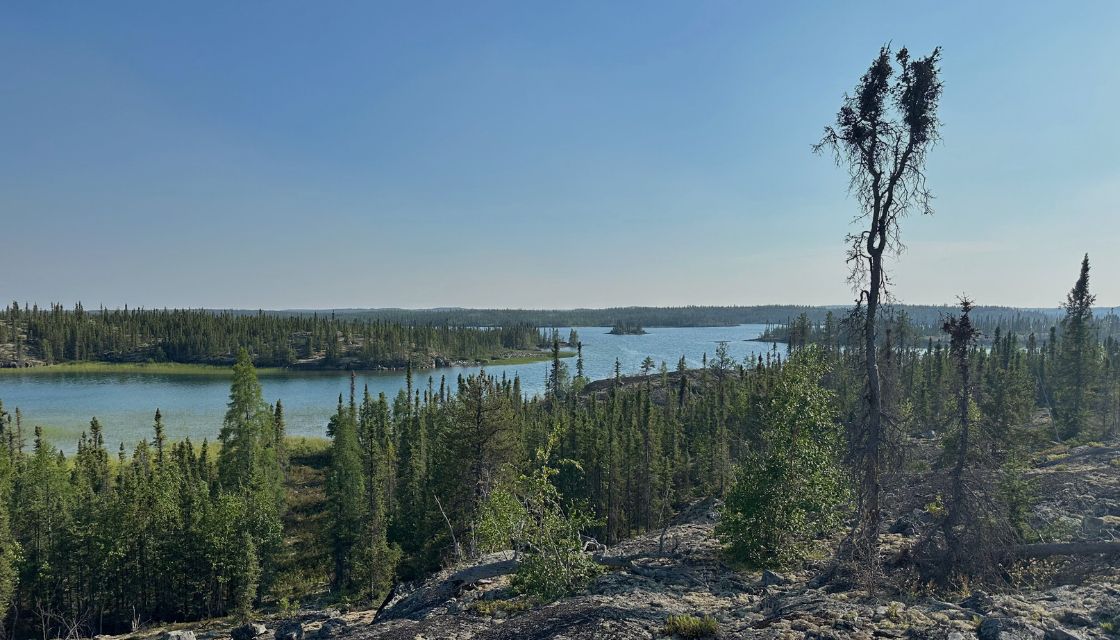
Purepoint's portfolio concentrates in Saskatchewan's Athabasca Basin, home to the world's highest-grade uranium deposits. The company holds three principal project areas with varying ownership structures and partnership configurations.
At Smart Lake, Purepoint owns 27% alongside Cameco. The property is completely surrounded by NexGen Energy's holdings, providing geological context from adjacent drilling programs.
Hook Lake, located north of NexGen and Fission/Paladin projects, represents a 21% interest with Cameco and Orano as partners. This project has received sustained attention over the past decade, resulting in the Spitfire discovery - a 15-20 million pound deposit that, while significant, remains below the threshold for major producer development.
The third concentration sits on the mine trend's eastern side, where Purepoint and IsoEnergy established a 50-50 partnership consolidating substantial land holdings. This arrangement differs from the company's relationships with established producers, as IsoEnergy brings a more transaction-oriented, growth-focused approach compared to the methodical exploration philosophy of Cameco and Orano.
Balancing Major Partner Priorities
Managing relationships with major producers requires understanding their strategic imperatives and operational timelines. Cameco and Orano maintain existing mining operations on Saskatchewan's eastern side, creating natural exploration focus areas where mill infrastructure already exists. However, activity on the western side - where infrastructure remains undeveloped - continues attracting attention given significant recent discoveries.
Frostad described the delicate balance: "You always have to consider where they're coming from and what their intentions are and their objectives are." The company has learned to "act like them, how to understand the way that they like to explore and would rather explore" while maintaining its own technical perspective.
This alignment proved critical during the uranium downturn when major partners paced capital deployment methodically. At Hook Lake, budgets progressed from $3 million to $5 million as targets developed, with partners directing the company to move beyond Spitfire once its size parameters became clear rather than chase incremental drilling for market impact.
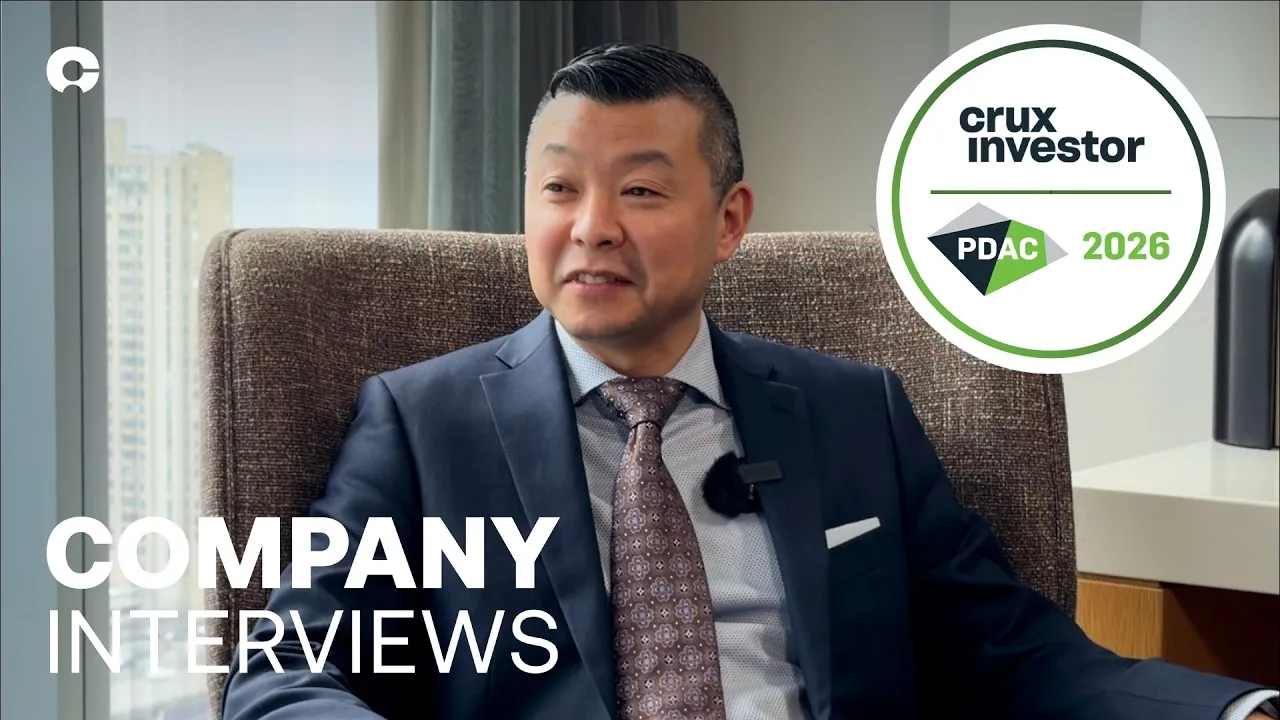
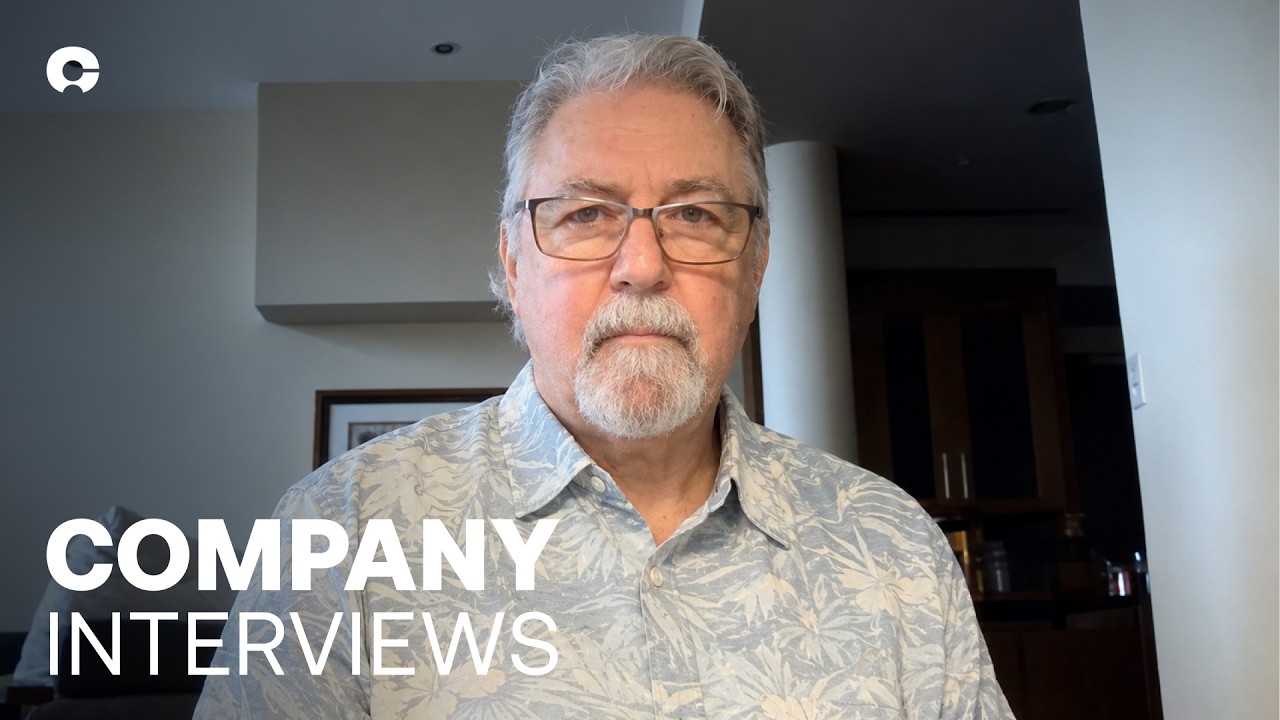
Interview with Chris Frostad, CEO, Purepoint Uranium
Nova Discovery: Recent Exploration Success
The IsoEnergy partnership has generated Purepoint's most recent exploration success at the Nova Discovery, also called the Dorado project. After consolidating respective data holdings and reinterpreting the combined geological picture, the partnership identified multiple priority targets for initial testing.
During summer 2025 drilling, the program tested five or six distinct targets in what Frostad characterised as "that first pass to see where we want to focus." Four holes intersected significant high-grade mineralisation, providing follow-up drilling targets. Water and forest fires interrupted the summer program - "that looks like that's going to be the new normal," according to Frostad - but drilling resumed in late January 2026.
The winter program encompasses approximately 4,500 meters of drilling, with additional summer work planned once conditions permit. Results will flow throughout 2026 as the company systematically expands understanding of the mineralised system. The Nova Discovery sits adjacent to IsoEnergy's Hurricane zone, and geological continuity between the areas becomes more apparent as drilling progresses.
Capital Deployment Acceleration
Purepoint expects material increases in exploration spending as major partners demonstrate heightened urgency. The company anticipates deploying approximately $8 million during 2026 across its various projects, with potential doubling to $16 million in 2027 depending on results and partner enthusiasm.
This acceleration reflects broader industry dynamics. Major producers recognise the need to replace declining production from aging Saskatchewan mines while responding to tightening global supply-demand fundamentals. "We're getting a little bit more urgency out of them. That's what we're feeling," Rostad observed regarding partner behavior.
At Hook Lake, discussions with Cameco and Orano center on next-phase programs incorporating updated geological interpretations informed by NexGen's recent 45,000-meter drill campaign immediately south of Purepoint's holdings. Additional geophysical surveys will likely precede drilling as partners seek comprehensive understanding before committing capital.
Macro Market Dynamics and Supply Constraints
The interview revealed several concerning dynamics in global uranium markets that inform Purepoint's strategic positioning. Cameco's conference presentation highlighted surprisingly limited contracting activity from western utilities despite tightening supply fundamentals. Meanwhile, Cameco contracted 22 million pounds to India, while Kazatomprom committed over half its production to China and India approximately one year prior.
Frostad expressed concern about western utilities' apparent assumption that supply will materialise when needed: "The West seems to be acting as though when they need it'll be way there waiting for them." This disconnect between eastern contracting activity and western complacency may eventually force price adjustments or supply allocation challenges.
Conclusion
Global uranium markets face a fundamental supply-demand recalibration as western utilities lag in contracting while eastern buyers - China, India - secure long-term offtake agreements. Cameco's public acknowledgment of this dynamic, having contracted 22 million pounds to India while western utilities remain passive, signals a structural market shift. The addition of AI-driven data center demand compounds supply constraints that cannot be resolved quickly given uranium's long development timelines.
Physical uranium lending from trusts creates inventory opacity, potentially masking true supply tightness. As one executive noted, "the West seems to be acting as though when they need it'll be way there waiting for them" - an assumption increasingly at odds with contracting realities and production constraints in a market transitioning from cyclical to structural deficit.
"Uranium is not a cycle anymore. This is a get-rich slow thing now, which is fine as part of your portfolio."
TL;DR: Executive Summary
Purepoint Uranium's joint venture model with Cameco, Orano, and IsoEnergy enables systematic exploration across Saskatchewan's Athabasca Basin while minimising shareholder dilution, with recent Nova Discovery success driving 4,500-meter winter drilling program and results expected throughout 2026. Accelerating partner urgency signals potential capital deployment doubling from $8 million (2026) to $16 million (2027) as major producers respond to tightening global supply dynamics, western utility contracting gaps, and eastern demand growth. Patient, methodical approach aligned with major partner timelines positions the company for long-term value creation through systematic discovery rather than headline-driven drilling campaigns.
FAQ's (AI Generated)
Joint ventures allow significantly higher capital deployment ($8-16M annually) while earning operator fees and maintaining equity participation. This structure minimises shareholder dilution while accessing major partner expertise and capital, enabling survival through market downturns with sustained exploration activity.
Four holes from initial target testing intersected high-grade mineralisation across five-six distinct targets, providing multiple follow-up drilling opportunities. The discovery sits adjacent to IsoEnergy's Hurricane zone, with geological continuity becoming apparent. The current 4,500-meter winter program systematically expands understanding.
Company aligns with major partner methodical exploration approach, avoiding premature drilling for headlines. This patience proved valuable when partners directed moving beyond 15-20M pound Spitfire deposit once sized, focusing resources on higher-potential targets rather than incremental drilling for market reactions.
Partners face aging Saskatchewan mine depletion requiring replacement production while responding to tightening supply-demand fundamentals. Western utility contracting gaps, eastern demand growth (Cameco's 22M pound India contract), and AI data center requirements create strategic imperative for new discovery and development.
IsoEnergy brings a transaction-oriented, growth-focused approach versus established producers' methodical long-term philosophy. 50-50 partnership structure differs from minority stakes elsewhere, while Iso's faster decision-making and technical team (former Cameco geologists) enables efficient program advancement at Nova Discovery.
Analyst's Notes





Subscribe to Our Channel

.jpg)









Stay Informed