




2026 Outlook: Heliostar Metals Charts Path to 300,000 Ounce Production Through Internal Financing


.webp)
Heliostar targets 10x production growth to 300K oz by 2030 via internal financing. San Augustin cash funds Ana Paula (100K oz/yr, $1K AISC, 2028). Trading 0.28x P/NAV.
- Heliostar Metals targets growth from 30-40,000 oz in 2025 to 300,000 oz by decade's end through internally financed, step-wise expansion without shareholder dilution
- San Augustin mine recently restarted, expected to generate ~$65M in 2026 at current gold prices, serving as cash flow engine for portfolio advancement
- Ana Paula project represents core growth driver: 100,000 oz/year at $1,000 AISC, targeting production in H2 2028 with feasibility study due Q1 2027
- Cerro del Gallo PEA shows 15-year mine life producing 85,000-87,000 oz/year gold equivalent, planned as follow-on project to Ana Paula
- Company maintains conservative approach with no near-term equity financing plans, relying on operational cash flow to fund $20-25M annual development budget
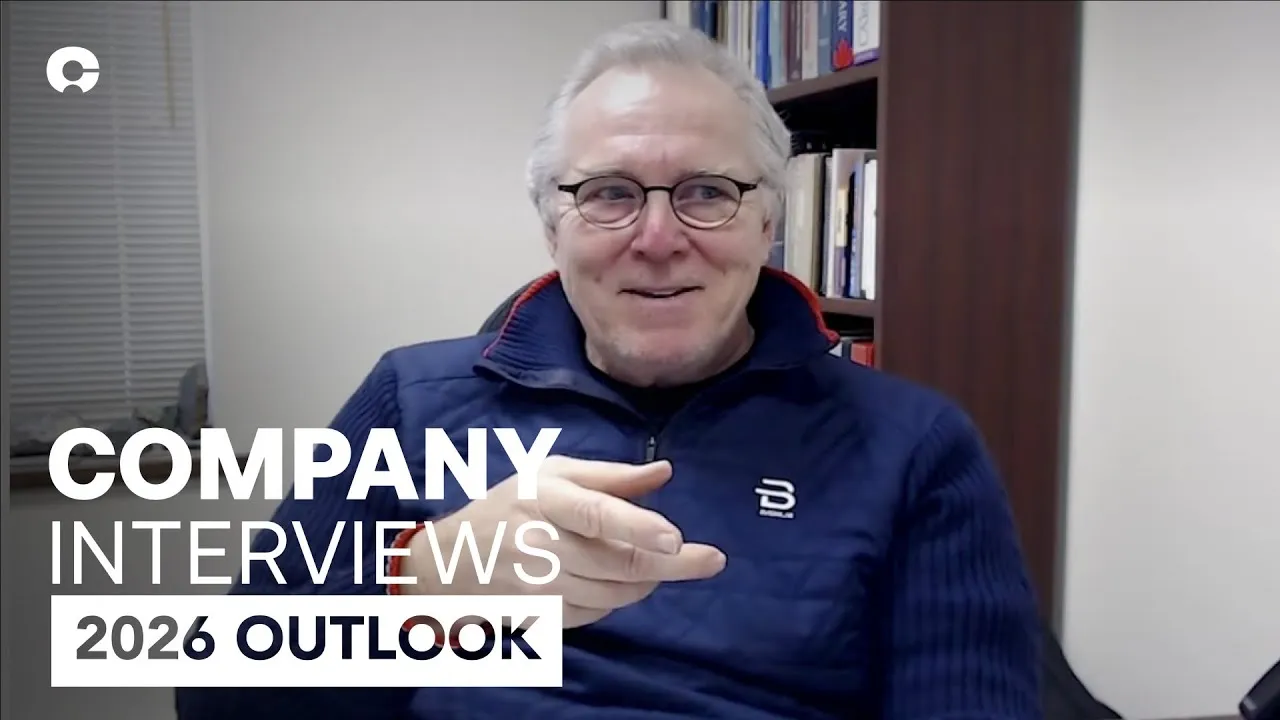
Heliostar Metals is positioning itself as a differentiated gold growth story in the junior mining sector, with an ambitious plan to scale production tenfold by the end of the decade without relying on equity dilution. In a detailed conversation with Stephen Soock, VP, Investor Relations and Development, the company outlined its strategy to transform from a 30-40,000 ounce producer in 2025 to a 300,000 ounce operation through systematic development of its Mexican portfolio. The approach centers on leveraging cash flow from newly restarted operations to fund advancement of high-margin projects, particularly the flagship Ana Paula underground mine.
Portfolio Restart Drives Cash Flow Foundation
The cornerstone of Heliostar's near-term strategy involves the successful restart of operations acquired from Argonaut Gold in November 2024. The company's ability to bring La Colorada back into production early in 2025 marked a pivotal turning point.
"Finding production at La Colorada... being able to find the stockpiles to produce gold was really the game changer that put us very quickly into a cash flowing position."
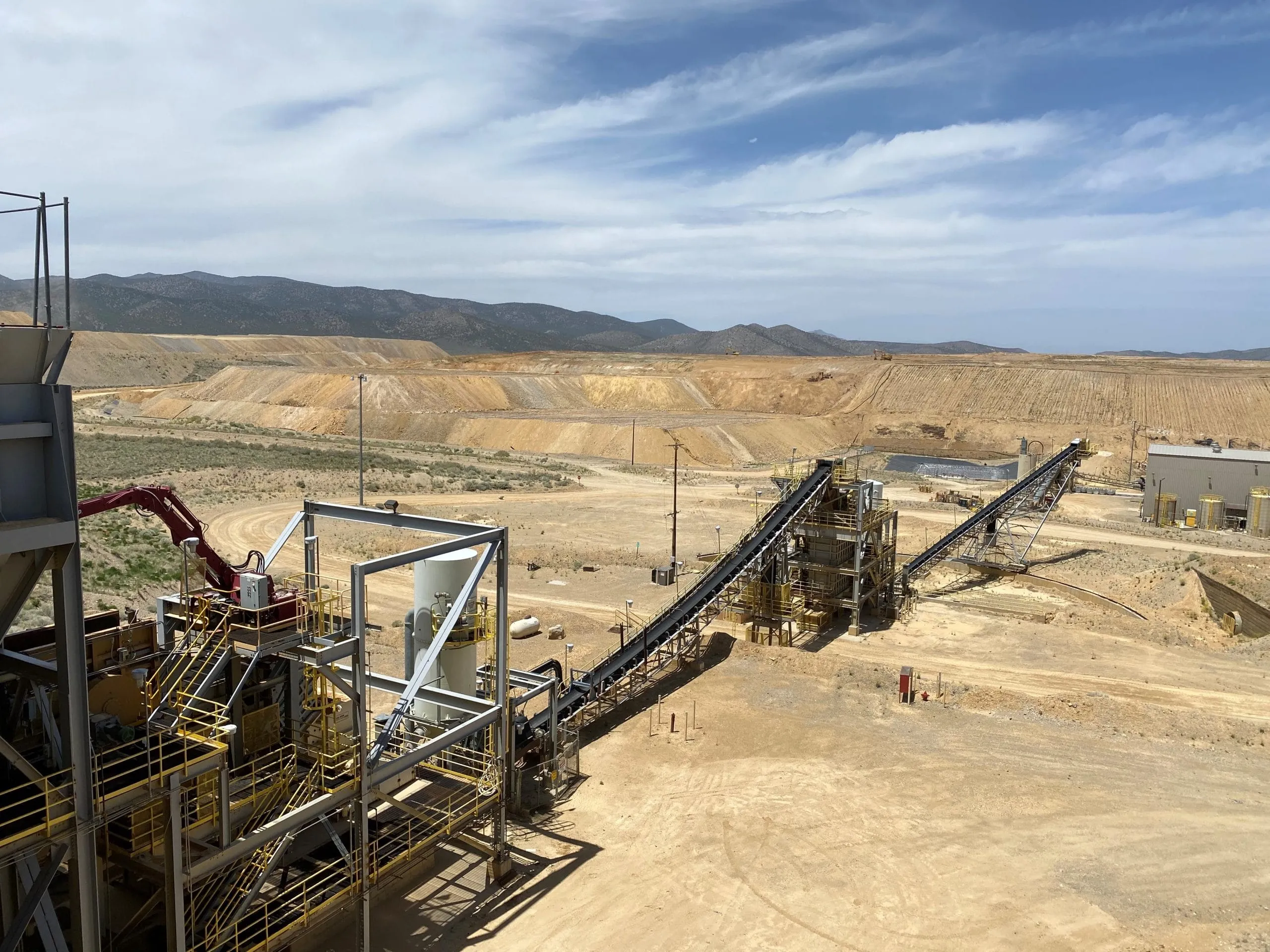
This initial success was followed by the recent restart of San Augustin in late December 2025. The operation, which had been maintained in care and maintenance, represents what Soock characterised as "a little bit like an ATM" for funding the company's broader growth initiatives. With 68,000 ounces of gold in reserve and a planned production of approximately 45,000 ounces over a 14-month mine life, San Augustin is projected to generate around $65 million in 2026 at spot gold prices. The relatively straightforward restart - involving contractor mobilisation and recommissioning of existing crushing and irrigation infrastructure - demonstrates the company's operational execution capabilities.
Permitting Success Enables Operational De-risking
A critical element in San Augustin's restart was navigating the permitting timeline, which Soock identified as the primary execution risk. The company secured necessary permits in July, paving the way for a straightforward startup of what is described as an easy open pit truck-and-shovel operation. Beyond the current reserve, Heliostar has already completed drilling in three key areas around the existing pit, with assays pending. Management anticipates extending the mine life to a more realistic two-to-three-year range, potentially adding several quarters of production.
Meanwhile, at La Colorada, operations benefit from a low-grade, low-strip ratio configuration - approximately 6:1 - that provides both cost efficiency and sensitivity to gold price movements.
"When you're a low-grade operation, you're also highly sensitive to gold price as well. So as the gold price continues to go up and to the right, the economics really are torquey on that side."
The operation remains economically viable down to approximately $2,400 gold, with significant upside as prices approach $5,000.
Ana Paula: The Core Growth Engine
Ana Paula represents the centerpiece of Heliostar's transformation strategy. The project's preliminary economic assessment delivered compelling economics: $300 million in initial capital expenditure for a mine producing 100,000 ounces annually at just over $1,000 all-in sustaining costs, placing it in the bottom 15% of the global cost curve. This exceptional cost position derives from a rare combination of high grade - approximately 5.5 grams per ton and bulk tonnage characteristics.
"As an incredibly profitable mine because of the rare combination of both high-grade - about 5.5g per ton headgrade - and the bulk tonnage nature of the ore body, it's incredibly rare that you get those two together."
The underground mining approach employs longhole open stoping methods, with an existing adit access from a previous operator that requires advancing another 800 meters into the ore body. The $300 million capex includes $50 million for a bio-oxidation plant to achieve the targeted 90% recovery rate, though the majority of the ore body demonstrates approximately 80% conventional recovery without bio-treatment.
Interview with Stephen Soock, VP of Investor Relations and Development, Heliostar Metals
Resource Conversion Unlocks Exploration Upside
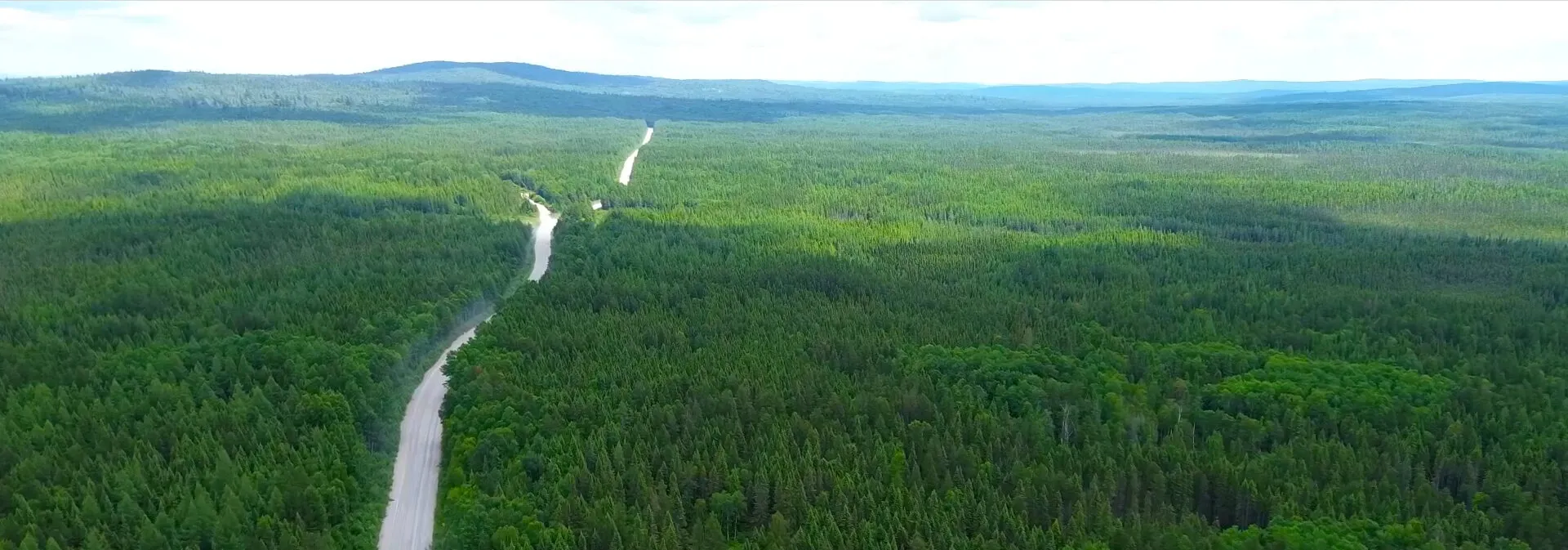
Heliostar is currently completing a 20,000-meter drill program at Ana Paula, expanded from an initial 15,000 meters based on drilling success. The program focuses on converting inferred resources to support a ten-year-plus mine life in the feasibility study, while also targeting additional mineralisation pods near planned underground infrastructure and extensions at depth. The one million ounces incorporated in the PEA represents a subset of a two million ounce deposit, with another million ounces of lower-grade material deliberately excluded to maintain attractive margin profiles.
"We rescoped this project for margin. That's only 1.3 million ounces of gold equivalent produced, but that's within a five million gold equivalent ounce resource."
The deposit remains open at depth, with high-grade results near the bottom of the current mine plan suggesting potential for a much larger ore body. Management plans to develop the decline through 2026, enabling an underground drill program by year-end to target high-grade extensions while maintaining the project's exceptional margin profile.
Development Timeline Maps Capital Requirements
The path to production at Ana Paula follows a carefully sequenced timeline. Through 2026, Heliostar will focus on advancing technical work and studies required for the feasibility study, including advanced metallurgical testing, engineering optimisation, and underground mine design. The company expects to spend approximately $20-25 million on drilling, development, studies, and early works through this period.
Underground development is scoped at around $15 million to remobilise contractors and advance 800-1,200 meters of drift for ore body access and drill station establishment. The feasibility study is targeted for Q1 2027, followed by an investment decision and 18-month construction timeline.
"We're going right from a PEA to a feasibility study that we intend to drop in Q1 2027 and then make our investment decision on the back of that 18-month build timeline... ramping up to that 100,000 ounces a year in the second half of 28."
From a technical risk perspective, management views the ore body and geotechnical aspects as low-risk, given the competent nature of the silica-flooded deposit and successful bulk tonnage mining methods. De-risking efforts concentrate on metallurgy and flow sheet optimisation, particularly refining the bio-oxidation process specifications.
Cerro del Gallo: The Long-Term Growth Platform
While Ana Paula commands immediate attention, Cerro del Gallo represents a significant longer-term opportunity that Soock characterised as "a bit of a sleeper in our portfolio that the market didn't necessarily ascribe much value to." The conventional open pit heap leach operation features a grade of approximately 0.73 grams per ton at a low 0.5:1 strip ratio, with a 15-year mine life producing 85,000-87,000 ounces of gold equivalent annually.
The project incorporates a solvent extraction/electrowinning (SX-EW) plant to process notable copper content, providing a by-product revenue stream. The economics, refreshed from a 2020 study using current gold prices, capture significantly more ounces than previously contemplated. However, the 1.3 million ounces of gold equivalent production over the mine life represents only a portion of a five million ounce resource, with land constraints currently limiting full development potential.
"That 15-year mine life at 85,000 ounces a year could easily become 20 plus years at 100,000 ounces a year, I think," Soock suggested, noting that acquiring additional land for waste dumps and leach pads could unlock more of the resource and convert it to reserves.
Near-Term Catalysts Target Production Extension
Beyond the major development projects, Heliostar is pursuing several near-term opportunities to extend production and enhance returns. At La Colorada, the Veta Madre pit expansion - involving a change of use of soils permit within the existing environmental footprint - is in final permitting stages, with an announcement expected within weeks. An additional mineralisation pod, Veta Madre Plus, contains approximately 30,000 ounces in the measured and indicated category, with six confirmatory drill holes recently completed pending assay results.
Re-leaching initiatives at La Colorada have consistently outperformed expectations, with the pad having ore stacked since the early 1990s continuing to deliver results. The company is exploring additional methods to enhance recovery, including accessing areas not effectively re-leached from surface and targeting higher-grade zones.
"This is one that's a little bit harder to quantify. A leach pad's a bit of a tricky beast to nail down in terms of how it actually flows and works," Soock acknowledged, though he noted the potential for significant opportunities if new technologies prove successful.
Capital Discipline Shapes Strategic Positioning
Despite the company's recent share price appreciation - representing a valuation approaching $800 million - management maintains a disciplined approach to capital allocation. When asked about potential equity financing to accelerate development, Soock was unequivocal: "Realistically, the answer is no." Internal discussions about what additional capital could accelerate revealed limited opportunities, with drill programs already aggressive, technical studies requiring sequential timing, and logging capacity constraints limiting further expansion.
"The key piece that sets Heliostar apart is you can get all those growth initiatives without that commensurate equity dilution."
The company's ability to fund all growth initiatives through internally generated cash flow, at least through 2026 and potentially through Ana Paula's commissioning, differentiates it from peers requiring external financing.
From a valuation perspective, management believes significant upside remains despite recent appreciation. Trading at approximately 0.28x spot price net asset value and only a fraction of the value demonstrated in multiple studies released in 2025, the company sees continued re-rating potential as de-risking progresses and drill results demonstrate additional opportunities.
The Investment Thesis for Heliostar Metals
- Self-Funded Growth Profile: Internally financed 10x production growth from 30-40K oz to 300K oz annually by 2030 without equity dilution, funded by San Augustin ($65M projected 2026 cash flow) and La Colorada operations
- High-Margin Core Asset: Ana Paula delivers exceptional economics with 100K oz/year production at ~$1,000 AISC (bottom 15% global cost curve), combining rare 5.5 g/t grade with bulk tonnage characteristics in $300M capex project
- Near-Term De-risking Catalysts: Clear pathway to Q1 2027 feasibility study and H2 2028 production at Ana Paula, with 20K meter drill program converting inferred resources and targeting mine life extension beyond 10 years
- Portfolio Depth and Optionality: Cerro del Gallo (15-year, 85K oz/year operation) provides post-Ana Paula growth, while Veta Madre expansion and re-leaching optimisation offer near-term production extensions at existing operations
- Valuation Disconnect: Trading at 0.28x P/NAV despite multiple de-risked studies, operational execution demonstrated through successful mine restarts, and strong gold price leverage with downside protection to $2,400/oz
- Proven Operational Capability: Management delivered on 2025 La Colorada and San Augustin restarts, navigated permitting efficiently, and maintains technically conservative approach focused on margin optimisation over ounce maximisation
- Exploration Upside: Ana Paula's 1M oz mine plan represents subset of 2M oz deposit within 5M oz resource; Cerro del Gallo's 1.3M oz production from 5M oz resource; plus largely unexplored Guerrero gold belt land package
The junior gold sector traditionally faces a critical financing challenge: equity dilution during development erodes shareholder returns even as production grows. Heliostar Metals represents an emerging category of operationally-leveraged producers that can self-fund expansion through strong gold prices and existing cash flow.
With gold demonstrating resilience above $4,200/oz and institutional forecasts suggesting continued strength, companies with producing assets and high-margin development projects can compound growth without capital market dependency. This dynamic becomes particularly compelling when combined with low all-in sustaining costs that provide downside protection while capturing upside leverage.
TL;DR
Heliostar Metals plans to scale production tenfold to 300,000 oz annually by 2030 through internally financed development, avoiding equity dilution. Recently restarted San Augustin mine provides ~$65M annual cash flow to fund flagship Ana Paula project (100K oz/year, $1,000 AISC, H2 2028 production target). Portfolio includes Cerro del Gallo follow-on project and near-term optimisation opportunities, trading at 0.28x P/NAV despite demonstrated operational execution and strong gold price leverage.
FAQ's (AI Generated)
Management determined additional capital would not meaningfully accelerate timelines given drill program capacity constraints, sequential technical study requirements, and adequate funding from $65M projected San Augustine cash flow through 2026 and beyond.
Management views ore body and geotechnical risks as low given competent silica-flooded deposit. Primary de-risking focus remains on metallurgical flow sheet optimisation, particularly bio-oxidation process specifications for achieving targeted 90% recovery.
Rare combination of 5.5 g/t high-grade ore with bulk tonnage characteristics enables efficient longhole stoping methods, delivering projected $1,000 AISC. Existing adit access reduces development capital, requiring only 800m advancement.
Current 15-year mine plan extracting 1.3M oz is constrained by land availability for waste dumps and leach pads. Additional land acquisition could unlock remaining resource and extend mine life beyond 20 years at 100K+ oz annually.
Veta Madre permit and expansion announcement (weeks away), Veta Madre Plus drill assays (pending), Ana Paula 20K meter drill program results showing resource conversion and mine life extension, Q1 2025 production results showing San Augustine cash flow impact.
Analyst's Notes





Subscribe to Our Channel





Stay Informed






















