




How Lifezone Metals Is Building a Construction-Ready Project Before Final Investment Decision


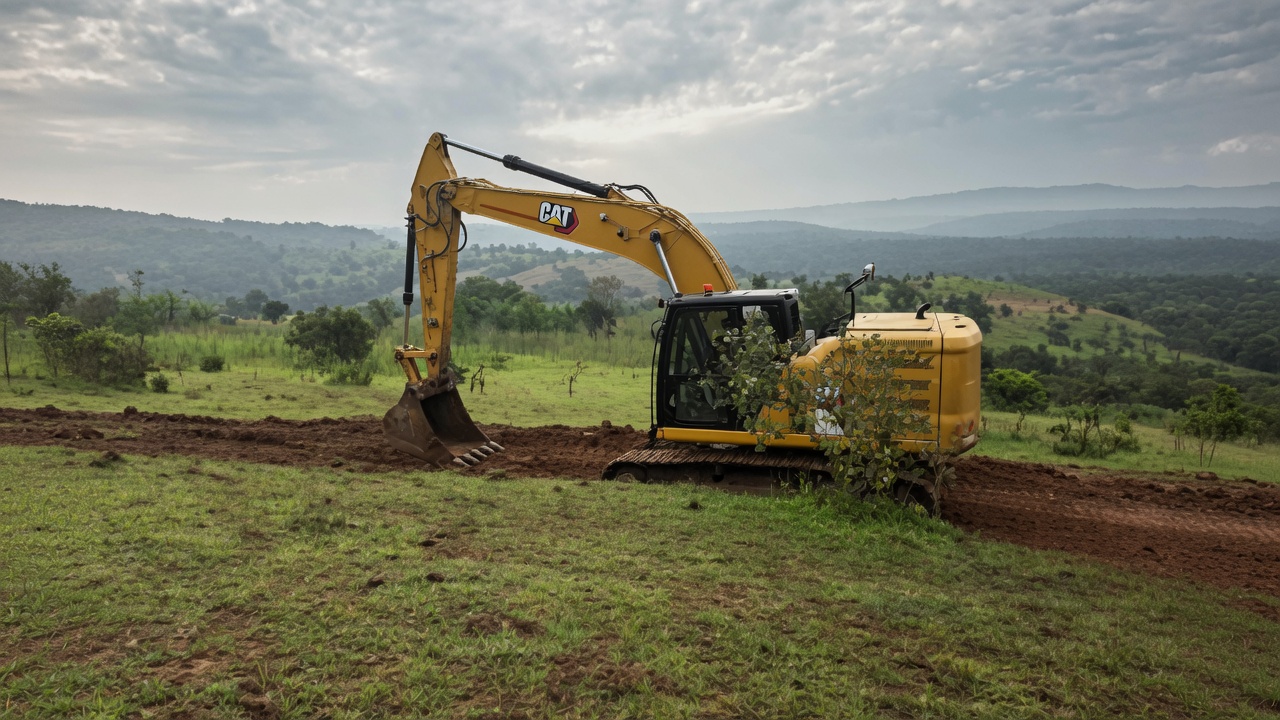
Lifezone Metals is advancing Kabanga toward construction before FID, with early works and operational milestones helping reduce execution risk for investors.
- Lifezone Metals is systematically reducing execution risk ahead of its targeted 2026 Final Investment Decision (FID), and investors are increasingly treating that reduction, not the FID announcement itself, as the more informative signal of project maturity.
- Construction readiness now extends beyond the completed feasibility work, with early works, infrastructure upgrades, and project planning already underway at Kabanga, each removing a specific category of execution uncertainty before capital is committed.
- Operational execution is reinforcing the investment case, evidenced by more than 2.9 million hours worked without a Lost Time Injury (LTI) and completion of 100% cash compensation payments to affected parties.
- Kabanga's project economics are increasingly supported by demonstrated execution progress, giving investors a broader, evidence-based footing for confidence that the project can transition into construction on schedule.
- For investors, the central question is no longer whether Kabanga is economically attractive, but how much execution risk has already been retired, and how much remains, ahead of a formal capital commitment.
Why Construction Readiness Matters More Than the FID Announcement
Sophisticated mining investors increasingly evaluate project maturity before a Final Investment Decision (FID) is made, rather than treating FID as the starting point of de-risking. A positive FID confirms board approval of capital deployment, but it does not by itself indicate whether a project can be built on schedule or within budget. Engineering progress, permitting status, infrastructure readiness, stakeholder agreements, and operational systems each carry independent, assessable information about how a project will perform once construction begins, well before a formal capital commitment is made.
A project that enters FID with early works completed, resettlement resolved, and infrastructure secured carries a materially different risk profile than one that has addressed only the technical and economic case. At Kabanga, that gap is most visible in the physical groundwork already underway at site, rather than in the feasibility numbers alone.
Lifezone Metals' (NYSE: LZM) Kabanga Nickel Project in Tanzania serves as a case study in how that gap can narrow ahead of a formal decision. Board approval of an execution readiness phase and the start of physical site works indicate preparation for construction rather than the simple completion of technical studies. The targeted 2026 FID remains the next major milestone, but investors now have grounds to assess construction risk well before that date rather than waiting on the announcement alone.
Completing the Feasibility Study Is Only One Step & Execution Preparation Continues
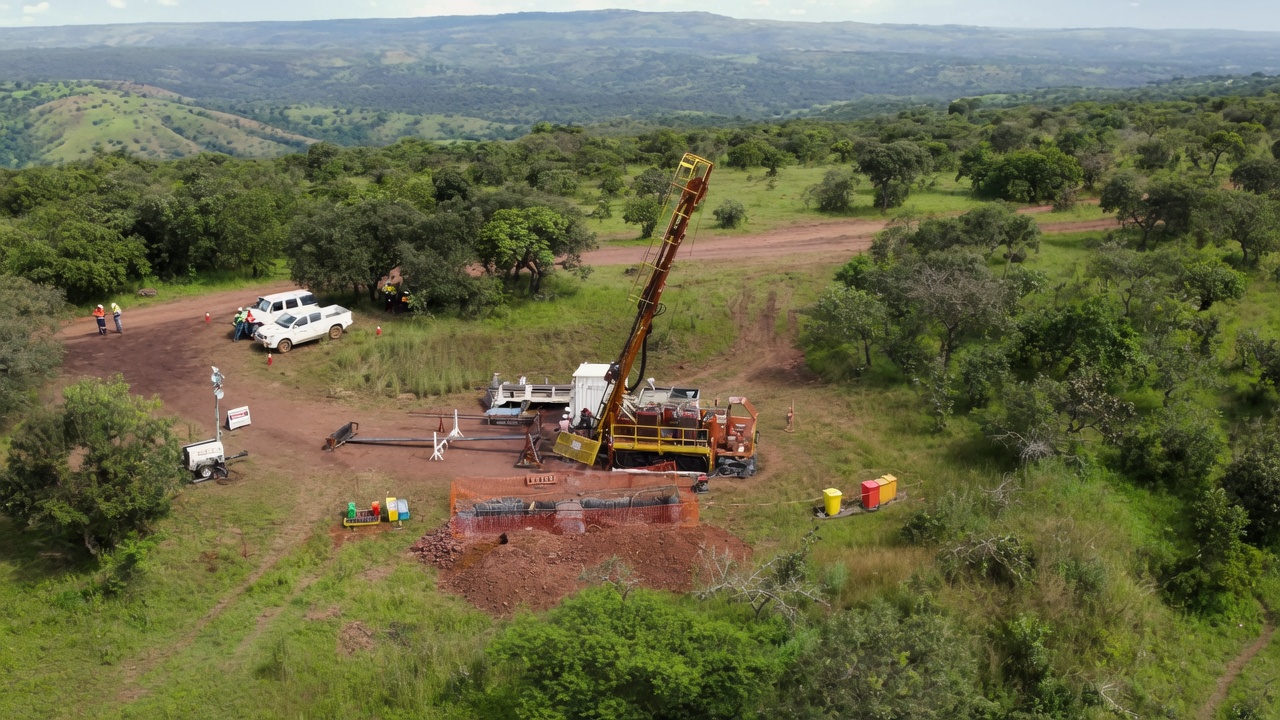
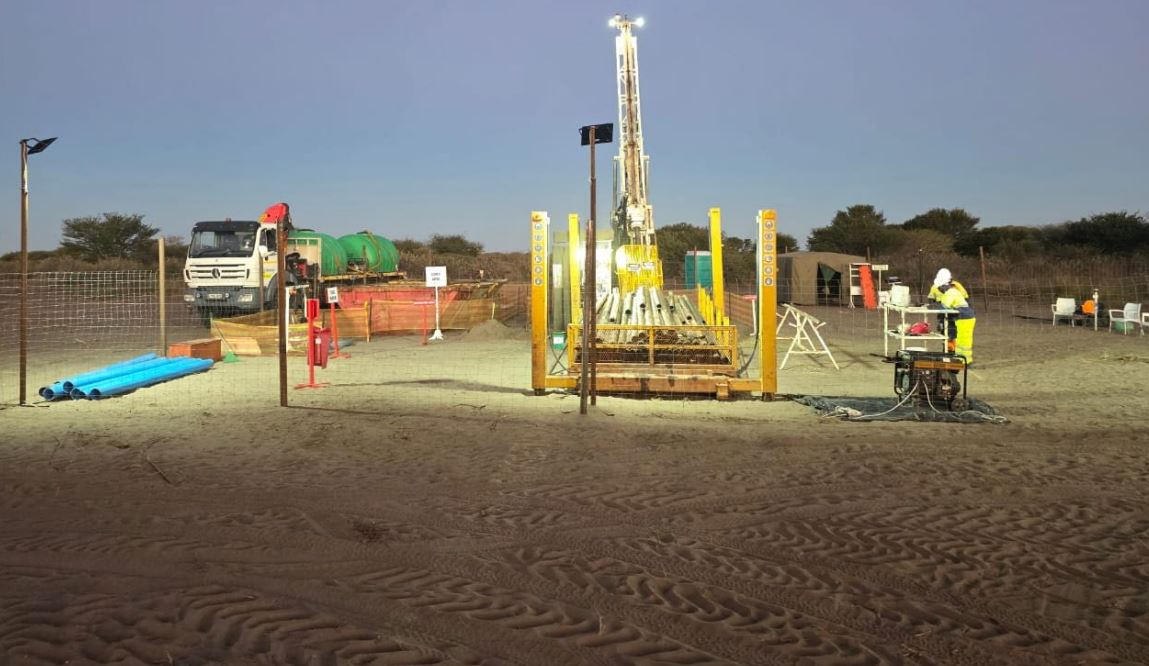
The July 2025 Feasibility Study established Kabanga's technical and economic foundation, with sustainability considerations integrated throughout rather than treated as a separate workstream. But a feasibility study provides the basis for execution, not the conclusion of development. Lifezone's board has already moved into an execution readiness phase built around physical work at site, including test pits, water boreholes, and access roads.
Each of these activities addresses a distinct source of uncertainty that would otherwise only surface once construction contracts are signed. Test pits and boreholes establish subsurface and water conditions directly, rather than relying on assumptions embedded in a feasibility model, while access road development is already informing contractor planning and logistics sequencing ahead of mobilisation.
Chief Executive Officer and Director of Lifezone Metals, Chris Showalter, has tied that completion directly to the project's readiness for its next phase:
"The completion of the Kabanga Feasibility Study, with sustainability fully integrated, was a major achievement in the year as we ensure we are prepared for a project approval and construction phase."
Taken together, this is the clearest evidence that Kabanga's development timeline is being shaped by conditions observed on the ground, not by projections carried forward from the study, extending construction readiness beyond engineering into the physical site preparation construction itself will depend on.
Operational Discipline & Site Readiness Reinforce One Another
Safety performance offers a useful reference point for how the company executes at site: Lifezone has recorded more than 2.9 million hours worked without a Lost Time Injury (LTI), a record that reflects the same operational discipline now being applied to the early works program. Resettlement is similarly instructive. Lifezone has completed 100% of cash compensation payments to affected parties, with 97% of agreements signed and remaining funds placed into escrow. That progress has cleared a category of social risk that could otherwise have delayed or complicated the site access now required for test pits, boreholes, and road construction.
Head of Sustainability at Lifezone Metals, Catherine Nichas, described the year's focus on readiness and stakeholder trust:
"In 2025, our focus was on readiness, strengthening stakeholder trust, and delivering meaningful impact. Ensuring that the foundations of our environmental and social activities are strong enough to carry us into construction and beyond."
Sustainability planning at Kabanga is supporting execution rather than operating as a separate compliance function. Because sustainability considerations were integrated directly into the Feasibility Study, environmental and social planning is already aligned with the sequencing of early works now underway, rather than trailing behind it.
Infrastructure & Jurisdictional Alignment Support Long-Term Delivery
The project's transition to Tanzania Electric Supply Company (TANESCO) grid power reduces exposure to diesel-linked operating costs, while the Special Mining Licence and the Tanzanian government's 16% ownership interest provide a secured permitting position and an aligned state interest over the asset's operating life. Together, these represent a separate, complementary layer of readiness, distinct from the site-level evidence generated by early works, but no less relevant to how durably the project can be delivered.
Strong Project Economics Become More Meaningful When Execution Risk Declines
Kabanga's project economics, including a first-quartile all-in sustaining cost (AISC) position, net present value (NPV), internal rate of return (IRR), and pre-production capital requirements, remain central to the investment case. Sophisticated investors assess these economics alongside execution capability rather than in isolation, since attractive projected returns carry less weight when the operational path to realising them is uncertain. The early works program now underway allows those economics to be read with greater confidence, since it tests the same site conditions and logistics assumptions the feasibility case depends on.
Financing activity is supporting this work directly. Lifezone has secured a $60 million Taurus bridge facility and has advanced funding through Registered Direct Offerings, capital that is being directed toward early works, engineering, and camp upgrades. This financing allows the site preparation program to continue while broader, larger-scale financing discussions tied to the eventual construction decision progress in parallel.
The Investment Thesis for Lifezone Metals
- Construction readiness is becoming an additional source of project de-risking ahead of the targeted 2026 Final Investment Decision, and investors are increasingly weighing that readiness alongside the project's underlying economics.
- Completion of the July 2025 Feasibility Study provides the technical foundation on which project execution now depends, though it represents a starting point for assessment rather than its conclusion.
- Early works, including test pits, water boreholes, and access roads, give investors direct, site-specific evidence of construction readiness that goes beyond what the feasibility study alone could demonstrate.
- Operational discipline and resettlement progress support the credibility of that early works program, rather than standing as separate achievements.
- Strong project economics and existing financing are increasingly reinforced by tangible site preparation rather than by the feasibility study alone, sustaining the pace of Kabanga's advance toward construction while broader financing discussions proceed in parallel.
Taken together, these elements point to a project whose case for construction rests increasingly on verifiable, site-level evidence rather than on the feasibility study or the Final Investment Decision announcement in isolation. Financing discussions and the Final Investment Decision itself remain outstanding. The work completed to date does not remove the execution risks inherent in building a project of this scale, but it gives investors a more current and more directly testable basis on which to assess Kabanga's progress toward construction.
TL;DR
Kabanga's investment case increasingly rests on direct site evidence, not just the Feasibility Study or the FID timeline. Test pits, boreholes, and access roads are the clearest sign of that shift, testing site conditions and logistics directly rather than relying on modelled assumptions. A safety record of more than 2.9 million hours without a Lost Time Injury (LTI), alongside 100% cash compensation payments and 97% signed resettlement agreements, reinforces that program, while the Taurus bridge facility and Registered Direct Offerings keep it funded. Financing completion and FID remain ahead, and meaningful execution risk persists. What has changed is the amount of verifiable, site-level evidence investors now have to assess Kabanga's path to construction.
FAQs (AI-Generated)
Analyst's Notes





Subscribe to Our Channel


.png)

.png)


Stay Informed


