IsoEnergy Expands Strategic Exposure to US Uranium Assets & Reinforces Leverage to the Nuclear Supply Cycle



IsoEnergy expands Premier American Uranium stake amid US uranium supply crisis. Strategic equity approach offers capital-efficient exposure to nuclear fuel cycle.
- IsoEnergy's increased equity position in Premier American Uranium, announced 30 December 2025, signals a deliberate shift toward capital-efficient exposure to the tightening US uranium market.
- The transaction highlights how equity stakes and strategic partnerships are becoming preferred tools for managing development risk late in the uranium cycle.
- US uranium supply constraints, policy-driven demand growth, and domestic fuel security mandates are reshaping investment behaviour across the sector.
- IsoEnergy's diversified platform, combining ultra-high-grade resources, permitted restart assets, and financial optionality, creates layered leverage to rising uranium prices.
- The move underscores how capital allocation discipline and jurisdictional exposure increasingly differentiate uranium equities.
Uranium's Supply Squeeze Is Forcing a Rethink in Capital Allocation
The uranium market is entering a phase where structural imbalances are no longer theoretical but measurable. Years of underinvestment, compounded by extended mine closures and inventory depletion, have created conditions where supply-side constraints are dictating the pace of market re-rating. According to the World Nuclear Association's 2025 Fuel Report, uranium demand is projected to rise approximately 30% by 2030 and more than double by 2040, intensifying pressure on an already constrained supply base.
The supply deficit facing global nuclear utilities is not a temporary dislocation. Secondary supplies, including utility inventories, underfeeding at enrichment facilities, and reprocessed material, have been drawn down systematically. Primary mine supply has consistently fallen short of reactor requirements, with the gap widening as legacy contracts roll off and utilities re-enter the market for long-term coverage.
Contracting Cycles, Inventory Drawdowns & Structural Deficits
Long-term uranium contracting has shown renewed momentum as utilities seek price certainty beyond 2030. The shift is particularly pronounced among US and European utilities, which face regulatory pressure to demonstrate fuel security while navigating geopolitical constraints on supply sources. This contracting activity has coincided with inventory drawdowns that leave limited buffer against supply disruptions.
Developers face rising capital expenditure requirements, extended permitting timelines, and elevated execution risk, particularly in greenfield jurisdictions. The combination of these factors has compressed the universe of investable projects and elevated the scarcity value of permitted, near-production assets.
Why Equity Exposure Is Gaining Strategic Appeal
Against this backdrop, investors and operators are increasingly favouring equity stakes over outright acquisitions or capital-intensive development programs. Equity exposure offers optionality without immediate capital deployment, liquidity and portfolio rebalancing flexibility, and upside participation without operational dilution.
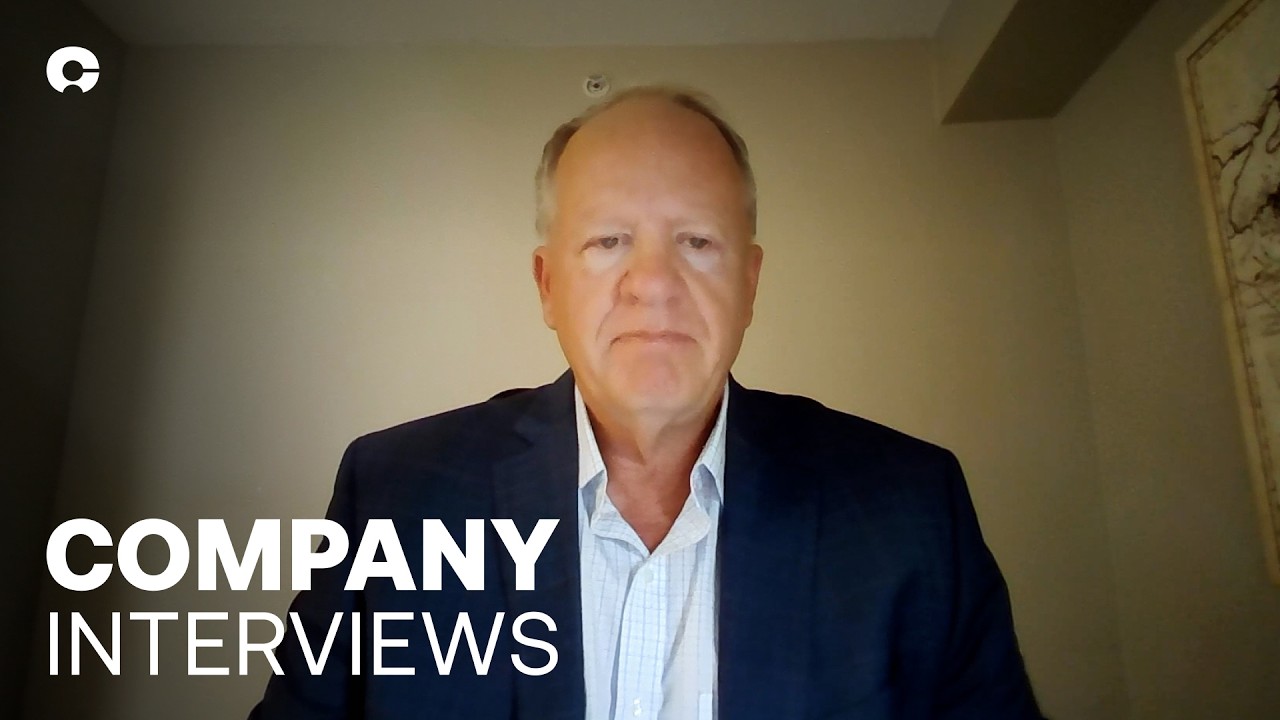
Philip Williams, Chief Executive Officer of IsoEnergy, frames the current supply environment directly:
"The uranium supply side is broken in the United States today and this administration is going to do everything it can to fix it."
The US Uranium Market Is Re-Emerging as a Strategic Priority
The United States represents the largest single market for nuclear fuel globally, yet domestic production accounts for a fraction of annual utility demand. This structural import dependence has become a policy liability as geopolitical tensions elevate concerns over supply chain resilience. Federal initiatives aimed at rebuilding domestic uranium capacity are reshaping the incentive structure for developers with US-based assets.
Domestic Supply Constraints & Policy Backstops
US utilities remain heavily import-dependent despite sustained political pressure to onshore nuclear fuel supply. Federal support mechanisms, including strategic uranium reserves and domestic procurement programs, are shifting the incentive structure. Permitted restart assets now command scarcity value relative to greenfield projects, where permitting timelines can extend beyond a decade.
IsoEnergy maintains key state and federal operating permits for its Tony M, Daneros, and Rim mines in Utah, with Bureau of Land Management, air quality, water rights, and discharge permits confirmed as current. These assets represent mines positioned for restart on relatively short timelines.
Investment Implications for Uranium Developers
The valuation framework for uranium developers is shifting to reflect time-to-cash-flow rather than resource scale alone. Assets with existing permits, access to processing infrastructure, and near-term restart potential are structurally advantaged.
Philip Williams underscores the strategic positioning of IsoEnergy's US asset base:
"We have near-term production assets, we could be delivering uranium into the strategic reserve or into the market to US utilities in very short order."
Strategic Equity Stakes as a Capital-Efficient Growth Lever
The traditional approach to growth in the mining sector faces constraints late in the commodity cycle. Equity prices have appreciated ahead of operational delivery, making dilutive financing more costly. Development timelines extend beyond the visibility of most institutional mandates. In this context, equity stakes in strategic partners offer an alternative pathway to capture sector momentum while managing balance sheet risk.
Why Equity Stakes Matter Late in the Cycle
As uranium prices strengthen, equity stakes can outperform direct asset builds due to faster mark-to-market re-rating, reduced dilution risk, and lower operational exposure. A strategic equity position allows a company to participate in the upside of a partner's assets without assuming the full capital burden of development.
Risk Management Through Portfolio Construction
Equity holdings provide flexibility that direct ownership cannot replicate. Companies can scale exposure incrementally as thesis conviction increases, exit or adjust positions opportunistically in response to market conditions, and maintain strategic influence without assuming full ownership risk.
Beyond its position in Premier American Uranium, IsoEnergy holds equity positions in Atha Energy, NexGen Energy, Future Fuels, Purepoint Uranium, Jaguar Uranium, Verdera Energy, and Royal Uranium Inc., providing diversified exposure across the uranium development spectrum.
Philip Williams articulates the rationale for maintaining strategic flexibility:
"If we're not getting value for any asset in our portfolio, we will figure out a way to get value by some creative way. Everything is on the table to maximize the value of these assets."
IsoEnergy's Transaction Signals a Broader Strategic Intent
The acquisition of additional securities in Premier American Uranium Inc., announced 30 December 2025, reflects a calculated response to US market tightening rather than opportunistic accumulation. The transaction provides IsoEnergy with leveraged exposure to US uranium upside, participation in potential future consolidation, and balance-sheet-preserving growth optionality.
This approach aligns with IsoEnergy's broader strategy of building a diversified platform across top-tier uranium jurisdictions. As of 30 September 2025, the company reported C$72.2 million in cash and equivalents, providing financial flexibility to pursue strategic opportunities.
What This Signals to Institutional Investors
The transaction demonstrates capital discipline rather than growth-at-any-cost, reinforces IsoEnergy's positioning as a portfolio allocator rather than a single-asset developer, and adds an additional layer of optionality to an already diversified uranium platform.
Philip Williams describes the strategic architecture underlying IsoEnergy's approach:
"We're a globally diversified uranium miner and explorer with assets in the top jurisdictions in the world for uranium mining being Canada, the US and Australia... We've done this on purpose, to not have all the eggs in one basket so to speak and give ourselves multiple shots on goal."
Layered Leverage & Risk-Adjusted Return Considerations
The concept of layered leverage describes how exposure across different asset types, development stages, and investment structures can alter the risk-return profile of a uranium equity. IsoEnergy's platform combines ultra-high-grade resources with long-dated development timelines, permitted restart assets with near-term production potential, and strategic equity positions providing exposure to partner company upside.
Ultra-High-Grade Resources & Near-Term Optionality
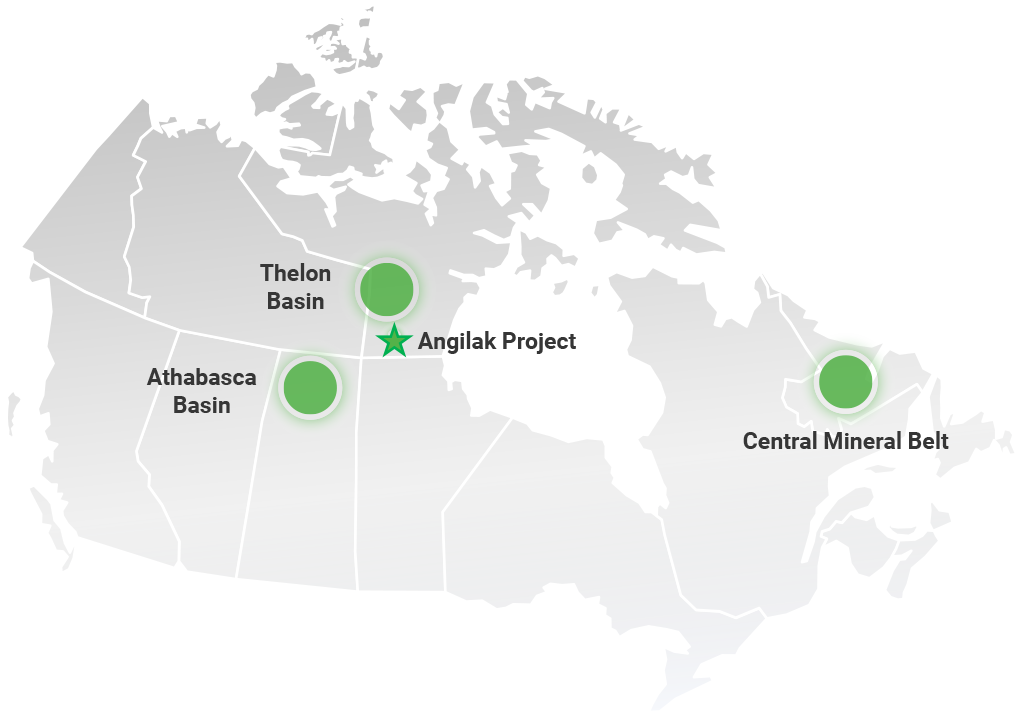
IsoEnergy's Hurricane deposit in Canada's Athabasca Basin represents the world's highest-grade indicated uranium mineral resource, with a July 2022 Mineral Resource Estimate reporting an Indicated grade of 34.5% U₃O₈. This significantly exceeds grades at other undeveloped deposits in the region.
The company's pending acquisition of Toro Energy, announced 13 October 2025 and expected to close in the first half of 2026, would add the Wiluna Uranium Project in Western Australia. The project contains JORC-compliant resources of 78.1 million pounds in the Measured and Indicated categories, with Japan Australia Uranium Pty and Itochu holding the right to acquire a 35% interest in the Lake Maitland deposit for US$39.6 million.
Williams emphasizes the deliberate staging of the company's asset portfolio:
"Projects that are at different stages of development. You have this cadence to your projects that you can focus on one, bringing it to production. Different skill set than doing a feasibility study. Different skill set than doing exploration work."
Uranium Equity Valuation Dynamics
The re-rating of uranium equities since late 2023 has been driven by improved long-term price expectations, contracting momentum among utilities, and recognition of supply-side constraints. Key milestones in IsoEnergy's evolution include the November 2023 spin-out of US assets, the March 2024 re-acquisition of those assets, and the January 2025 Athabasca joint venture arrangement.
Re-Rating Drivers Under Investor Scrutiny
Institutional investors are evaluating uranium equities on several dimensions: the transition from optionality to execution, contract coverage and price realization, and capital allocation discipline measured against dilution and balance sheet management.
Philip Williams addresses the company's financial positioning:
"In the short term, we build a number of cases into our budgeting process… We offer to investors this diversified portfolio. We're well-funded, we're well backed, we're not going anywhere."
The Investment Thesis for IsoEnergy
- Structural supply deficit remains the dominant market driver, as declining secondary supply and limited new mine approvals support long-term pricing above incentive levels.
- US fuel security tailwinds are creating differentiated value for domestic assets, with federal procurement programs increasing the strategic premium for permitted developers.
- Capital discipline is being rewarded by markets, as equity exposure strategies reduce dilution risk and preserve optionality relative to capital-intensive development programs.
- Layered leverage through diversified platforms allows companies to capture sector momentum through multiple pathways while managing concentration and execution risk.
- Merger and acquisition visibility is increasing, as rising scarcity value for US uranium assets creates consolidation optionality for well-positioned participants.
Implications of IsoEnergy's Position
IsoEnergy's decision to increase its equity exposure to Premier American Uranium reflects alignment with the direction of the uranium cycle rather than incremental ownership accumulation. As supply constraints deepen, capital becomes more selective, and jurisdictional risk premiums widen, investors are rewarding companies that deploy capital with precision rather than scale alone.
The transaction reinforces IsoEnergy's positioning as a disciplined allocator of uranium exposure, one that balances long-dated, ultra-high-grade resources with near-term optionality and financial flexibility. For investors assessing uranium equities through an institutional lens, this move provides a clear signal: the next phase of the uranium cycle will reward strategy as much as geology.
TL;DR
IsoEnergy's increased equity position in Premier American Uranium reflects strategic positioning for the tightening US uranium market. With structural supply deficits widening—demand projected to rise 30% by 2030—the company is using equity stakes rather than capital-intensive development to capture upside. IsoEnergy's platform combines the world's highest-grade uranium resource (Hurricane deposit at 34.5% U₃O₈), permitted US restart assets in Utah, and the pending Toro Energy acquisition. CEO Philip Williams emphasizes the broken US supply side and near-term production capability. The approach demonstrates capital discipline rewarded by institutional investors: diversified exposure, balance sheet preservation, and multiple pathways to value creation as uranium equities re-rate.
FAQs (AI-Generated)
Years of underinvestment, extended mine closures, and systematic drawdown of secondary supplies (utility inventories, enrichment underfeeding, reprocessed material) have created structural deficits. Primary mine supply consistently falls short of reactor requirements, with the World Nuclear Association projecting demand to rise approximately 30% by 2030.
Equity stakes offer optionality without immediate capital deployment, liquidity for portfolio rebalancing, and upside participation without operational dilution. This approach reduces balance sheet risk while capturing sector momentum—particularly valuable late in the commodity cycle when equity prices have appreciated ahead of operational delivery.
Hurricane represents the world's highest-grade indicated uranium mineral resource at 34.5% U₃O₈, located in Canada's Athabasca Basin. This grade significantly exceeds other undeveloped deposits in the region, providing substantial leverage to rising uranium prices.
Federal initiatives including strategic uranium reserves and domestic procurement programs are increasing the strategic premium for permitted US developers. With domestic production accounting for only a fraction of utility demand, assets with existing permits and near-term restart potential command scarcity value.
As of 30 September 2025, IsoEnergy reported C$72.2 million in cash and equivalents, providing financial flexibility to pursue strategic opportunities while maintaining capital discipline across its diversified uranium platform.
Analyst's Notes





Subscribe to Our Channel








Stay Informed