




Kasiya's 2-Year Rehabilitation Trials Strengthen the Bankability Case


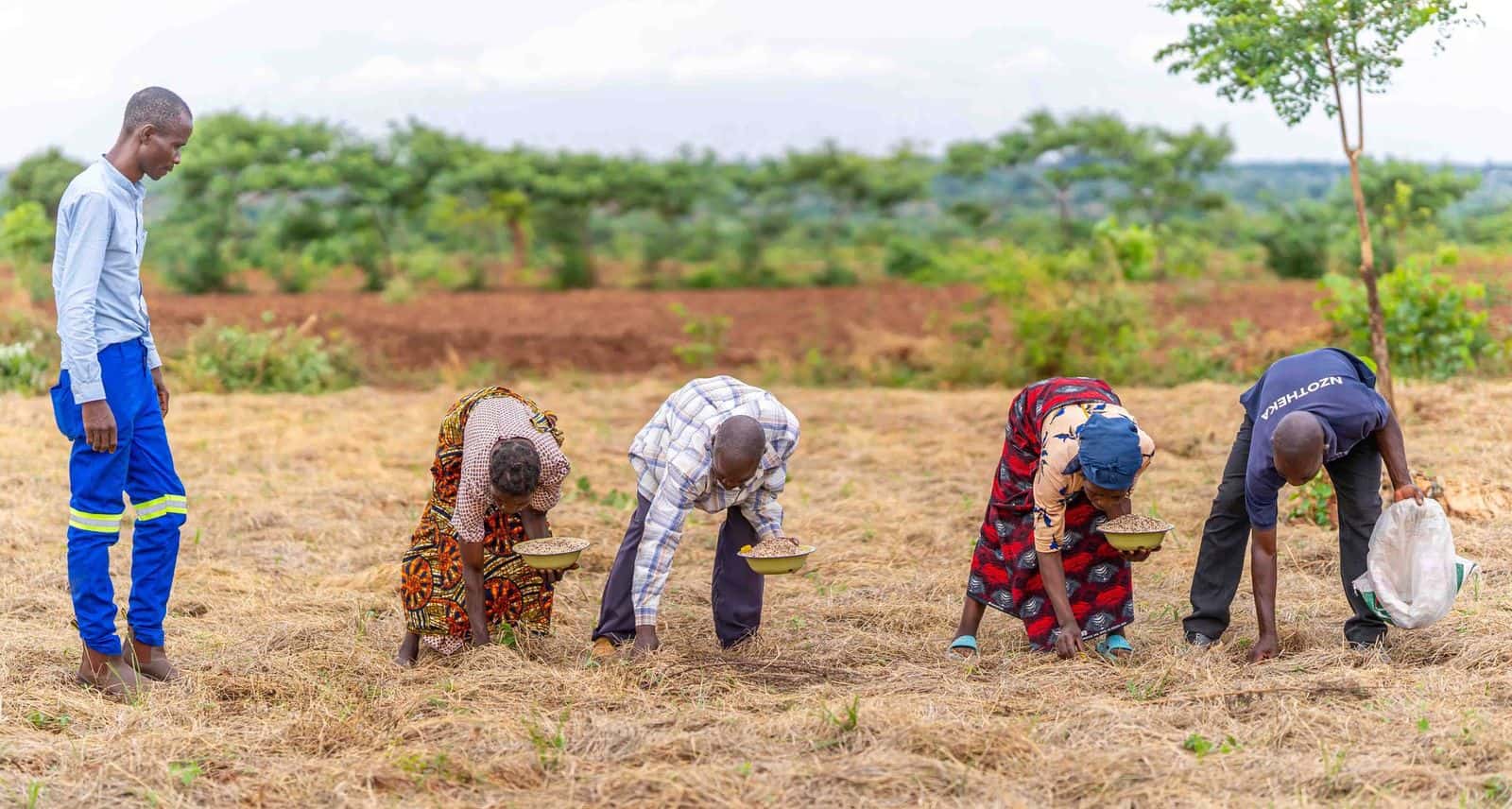
Kasiya’s 2-year rehabilitation trials deliver strong maize yields and farmer support, strengthening Sovereign Metals’ bankability and post-mining plans.
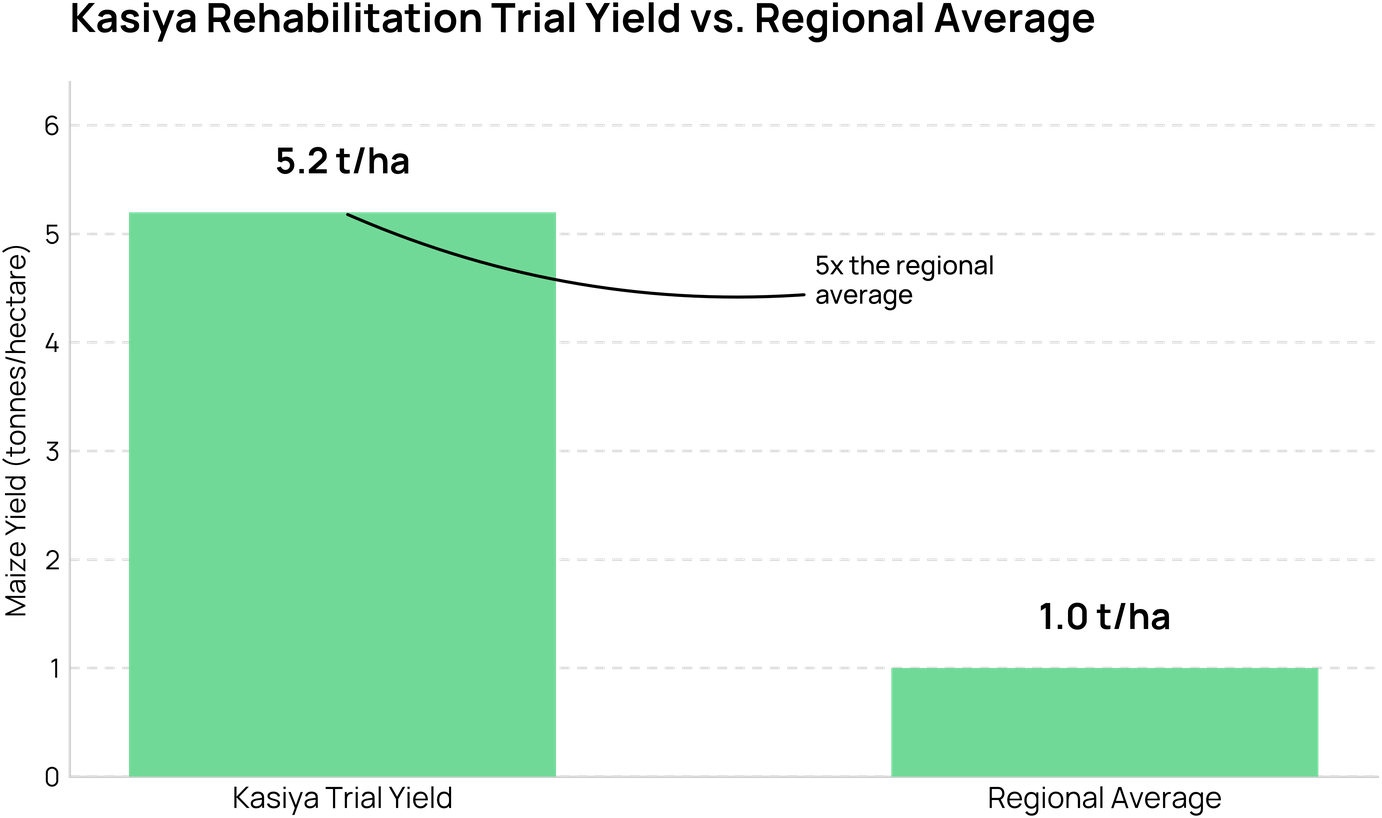
- Rehabilitation trials at Kasiya's Pilot Mining site have run for 2 years, delivering maize yields of 5.2 tonnes per hectare, around 5 times the regional average of 1 tonne per hectare.
- The second year of trials expanded into a diversified multi-cropping system combining maize with Giant Bamboo, winter beans, grass fodder and groundnuts on rehabilitated post-mining land.
- The 28 local farmers involved in the trials have formally requested that Sovereign Metals remain at the site to support the establishment of a farming cooperative.
- Empirical trial data has been integrated into the Mine Closure and Mine Rehabilitation Plans, components the company describes as critical for project bankability and alignment with development finance institution (DFI) standards.
- Sovereign has an on-the-ground social team of 22 core staff and a 90-member Community Liaison Team, described as a level of social preparedness rarely achieved at the Definitive Feasibility Study (DFS) stage.
What Has Happened
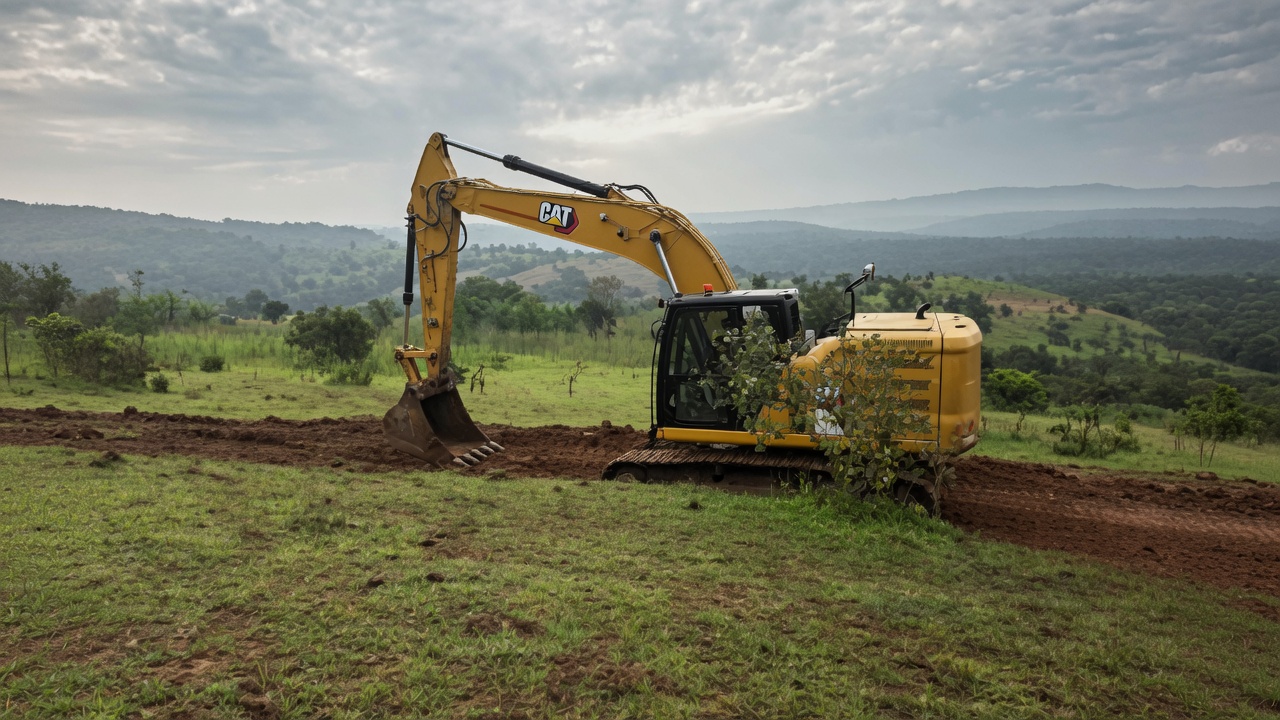
Rehabilitated land at Sovereign Metals Limited's (ASX: SVM | AIM: SVML | OTCQX: SVMLF) Kasiya Rutile Graphite Project has produced maize yields of 5.2 tonnes per hectare, a result the company has built into the closure plans it says are critical to the project's bankability. Sovereign confirmed in its June 2026 quarterly report that the second year of rehabilitation trials at Kasiya's Pilot Mining site neared completion ahead of the mid-2026 harvest in Malawi. The Pilot Mining site is a small test pit Sovereign mined and rehabilitated as part of a Pilot Mining Program completed in 2024, used to generate real-world ore samples for the metallurgical testwork behind the Definitive Feasibility Study (DFS), not the main Kasiya deposit itself. The trials test whether land disturbed by mining can be returned to productive agricultural use once operations have moved through an area, a factor Sovereign says directly feeds into the project's bankability case.
That figure, restated in the June quarterly report from first-year trial results, compares with a regional average of 1 tonne per hectare, a 5-fold increase. Second-year yields were expected to reach the same benchmark once harvested in mid-2026.
From a Single Trial Crop to a Diversified System
The second year of trials moved beyond replicating the first year's maize result, testing whether the rehabilitated land could support a broader mix of crops. Sovereign expanded the program into a diversified multi-cropping system, combining maize with Giant Bamboo, winter beans, grass fodder and groundnuts on the same post-mining land. The shift matters because a single strong maize yield could be a one-off result tied to specific soil conditions in year one. A diversified system over 2 growing seasons is a more direct test of sustained land use than a single favorable outcome.
Why the Farmer Request Matters More Than the Yield Numbers Alone
The 28 local farmers involved in the trials have formally requested that Sovereign remain at the site and support them in establishing a farming cooperative. Yield data shows that rehabilitated land can be made productive. The farmers' request shows something else: that the people expected to use the land afterward see enough value in it to seek continuity beyond the trial period. Sovereign describes this as a central pillar of Kasiya's post-closure social transition strategy, still 25 years away under the current DFS.
Rehabilitation Evidence as a Line Item in Development Finance Underwriting
The trial data has been integrated into Kasiya's Mine Closure and Mine Rehabilitation Plans, which Sovereign describes as critical components for project bankability and for alignment with the standards required by development finance institutions (DFIs). That framing matches how Sovereign has positioned the rest of Kasiya's environmental and social work. The DFS was prepared in alignment with International Finance Corporation (IFC) Performance Standards, and the Company holds a Collaboration Agreement under which the IFC is a potential co-lead mandated lead arranger for project financing. That same alignment work is backed by an on-the-ground social team of 22 core staff and a 90-member Community Liaison Team, a level of engagement capacity Sovereign says is rarely achieved at DFS stage. Multi-year empirical rehabilitation data, feeding directly into the closure plans that underpin the Environmental and Social Impact Assessment (ESIA) work, gives lenders something more concrete to evaluate than a stated commitment to rehabilitation.
What Remains Unproven
Second-year yield results had not been confirmed at harvest as of the June quarterly report. The multi-cropping expansion is validated so far by farmer demand and trial design, not yet by a second season of completed results. The farming cooperative itself has been requested but not yet formally established. The rehabilitation evidence, however well documented, is one input into a broader ESIA that Sovereign has described as nearing completion but not yet finalized or submitted for approval. Rehabilitation trial data strengthens the bankability case; it does not substitute for the outstanding permitting and financing milestones.
What to Watch Next
The clearest near-term confirmation point is the mid-2026 harvest itself, which will show whether second-year yields across the expanded crop mix reach the first-year benchmark or fall short. Beyond that, whether the farmer cooperative moves from a formal request to an established structure will test whether Sovereign's post-closure social transition plan can be executed in practice, not just documented. Both sit alongside but separate from the ESIA finalization and the mining license application, the primary gating items for Kasiya's path to a construction decision.
FAQs (AI-Generated)
Analyst's Notes





Subscribe to Our Channel







Stay Informed


