New Found Gold: Queensway's High-Grade Mineralisation Reframes Narrow-Vein Risk



New Found Gold's Queensway project combines high-grade continuity, low dilution mining, phased development, and district-scale growth potential.
- Queensway's flake-style gold distribution reduces grade variability risk, confirmed at 71 grams per tonne (g/t) gold over 36 metres near true width at the Keats zone, open to depths between 890 and 1,000 metres.
- Mechanised cut-and-fill mining with a 5x5 metre grade control grid limits dilution and supports a life-of-mine all-in sustaining cost (AISC) of US$1,256 per ounce, within the range of tier-one underground peers.
- Phase 1 capital of C$155 million, anchored by the Pine Cove mill, avoids dilutive financing, with Phase 2 expanding to 1,400 tonnes per day across a 110-kilometre fault corridor under a hub-and-spoke model.
- After-tax net present value at a 5% discount rate (NPV5%) of C$743 million and IRR of 56.3% at base case, rising to C$1.45 billion at US$3,300 per ounce, with production targeted at 100,000 ounces per year at AISC of US$1,300 per ounce.
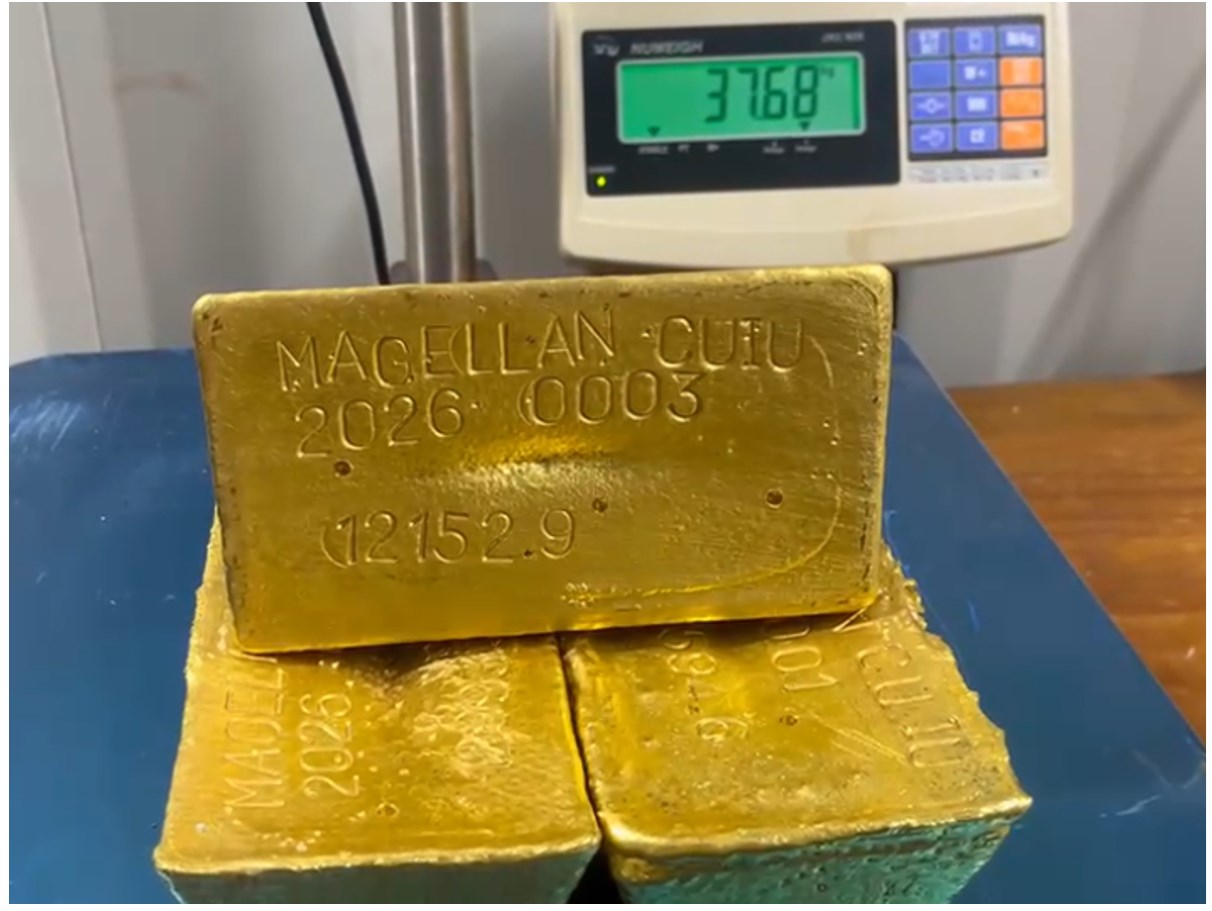
- Hammerdown achieved its first gold pour in November 2025 and is in production ramp-up, with the Queensway EA submission targeted for the Second Quarter of 2026 and permits expected by year-end.
Deposit Characteristics & Structural Setting
High-grade gold vein systems have historically attracted investor caution when mineralisation is "nuggety," meaning coarse, irregularly spaced gold particles that produce extreme grade variability between closely spaced samples, inflating estimation uncertainty and complicating economic modelling. Queensway, located in Newfoundland and Labrador, presents a materially different character: gold occurs as fine, broadly distributed flakes hosted within the Appleton fault system, which controls mineralisation over a 4.5-kilometre-long strike length at the Keats zone.
Continuous flake-style mineralisation supports tighter grade interpolation between drill holes, more reliable cut-off grade selection, and a narrower range of mill feed quality variance.
Proven Grade Continuity at the Keats Zone
New Found Gold has pursued a drilling programme at Queensway, mandating 5x5-metre centre drilling across a pattern large enough to represent approximately one year of production. The approach confirmed a representative intercept of 71 grams per tonne (g/t) gold over 36 metres near true width within the Keats zone, with mineralisation extending to depths between 890 and 1,000 metres, and the system remains open.
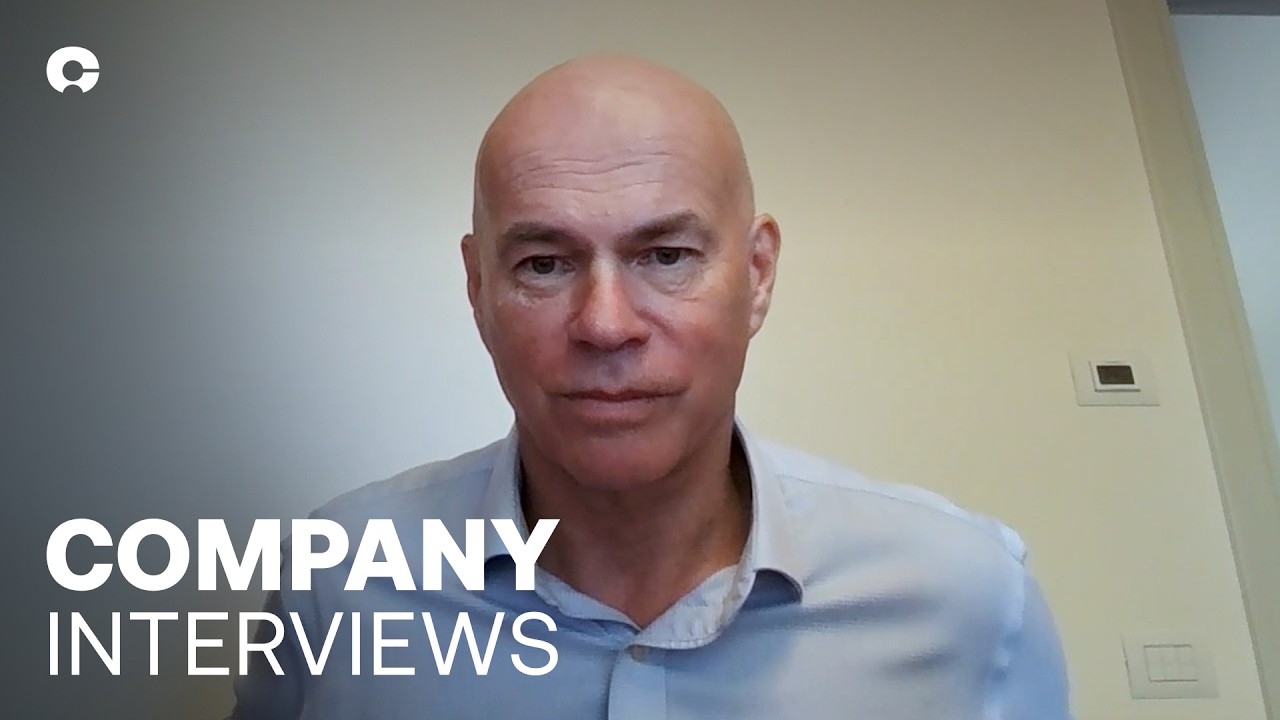
Director and Chief Executive Officer of New Found Gold, Keith Boyle, describes the outcome:
"I mandated 5x5 metre centre drilling on a pattern or on an area that was big enough to represent about a year's worth of production.”
The Appleton fault functions as the primary structural control on mineralisation, generating subsidiary structures along which gold-bearing fluids have been focused and deposited. The resulting geometry yields a spatially coherent ore body suited to systematic, low-dilution extraction, in contrast to the irregular, discontinuous lenses characteristic of nuggety deposits, where ore boundaries are difficult to define, and selective mining becomes operationally complex.
Mining Configuration: Underground Method & Dilution Controls
Queensway will employ mechanised cut-and-fill mining, a technique suited to narrow, steeply dipping, high-grade veins, involving small, sequential horizontal excavations that closely follow the ore zone. Unlike long-hole open stoping, which requires wider stope widths that dilute ore with internal waste, cut-and-fill limits the excavation footprint to the ore zone, preserving grade integrity. At a head grade of approximately 12 g/t gold and a life-of-mine all-in sustaining cost (AISC) of US$1,256 per ounce, the project sits within the range of other tier-one underground high-grade gold operations globally.
The dense 5x5 metre drilling grid established during resource definition feeds directly into short-interval mine planning, allowing blast-hole patterns and mucking instructions to be calibrated to the actual ore boundary rather than a generalised estimate. This reduces internal dilution, supports consistent mill feed quality, and narrows the variance in realised AISC by ensuring grade-to-mill tracks within the 92% recovery assumed in the preliminary economic assessment (PEA), as confirmed by Phase III testwork at 89.2% overall recovery at the Keats West Zone.
The project also includes provisions for on-site ore sorting, a pre-concentration step that separates higher-grade material from waste rock before it is trucked to the Pine Cove mill. Ore sorting reduces transport costs per ounce of gold delivered, lowers the volume of material processed at the mill, and improves the economic efficiency of the Phase 1 operation.
Exploration Configuration: Appleton Fault Corridor & Target Inventory
The Queensway land package encompasses 110 kilometres of strike along the Appleton and Joe Batts Pond fault systems, positioning New Found Gold to evaluate this corridor for additional high-grade deposits rather than managing a single-asset development scenario. The hub-and-spoke model, in which a central mill processes ore from multiple deposits within economic trucking range, depends on a populated pipeline of exploration targets advancing toward resource definition.
Boyle characterises the geological reasoning behind this district approach:
"Mother nature does things in patterns. She doesn't do one-offs. There's always a pattern to things. And if you look along the Appleton, probably a bunch of pearls on a string is what we're going to be finding."
The Dropkick discovery represents the most advanced secondary exploration target, with multi-kilometre potential along a structural trend parallel to Keats, with Paul's Pond and Devil's Pond as additional targets under evaluation. Each discovery that reaches the resource stage adds potential feed to the hub-and-spoke mill network, extending the project's operational life beyond the current mine plan.
Project Economics & Phased Development Structure
The development strategy at Queensway is designed to minimise upfront capital by routing ore to the Pine Cove mill. Phase 1 capital is estimated at C$155 million, with Phase 2 expanding the Pine Cove mill to 1,400 tonnes per day and developing on-site milling capacity at Queensway. In-pit tailings deposition reduces long-term environmental liability, while the hub-and-spoke model, supplying the expanded mill from multiple deposits across the broader land package, underpins the multi-decade operating scenario.
Boyle articulates the strategic rationale:
"The steps were always going to be the same. You had to put out a preliminary assessment. You had to recognise that this was a phased mine, start small, get it going quickly, use that cash flow to then pay for the expansion, so you didn't dilute the shareholders in trying to finance something that was $900 million to build."
At the base case, the project's after-tax net present value at a 5% discount rate (NPV5%) is C$743 million, with an internal rate of return (IRR) of 56.3%, head grades forecast at 12 g/t gold in the first production years, and AISC of US$1,256 per ounce. At US$3,300 per ounce gold, after-tax NPV expands to C$1.45 billion, reflecting the operating leverage of a high-grade, controlled-cost structure benchmarked against producing operations including Red Lake, Timmins, Macassa, and Fosterville. New Found Gold targets production of 100,000 ounces per year at an AISC of US$1,300 per ounce in the initial production years.
Near-Term Milestones & Operational Schedule
The Hammerdown mine achieved its first gold pour in November 2025, with production ramp-up expected to occupy the first half of 2026. The Queensway environmental assessment (EA) submission is targeted for the Second Quarter of 2026, formally engaging federal and provincial permitting authorities and initiating the defined review period.
Boyle outlines the anticipated permitting and expansion timeline:
"By the end of the year, we figure we'll get our permits at Queensway. Nothing should stop us. And it'll be getting the Pine Cove Mill expanded, which we would see getting finished towards the end of the Fourth Quarter of next year."
The 2026 drill programme, weighted 60% toward infill and 40% toward exploration targets, will generate resource conversion data at Keats and early-stage results from Dropkick and other identified targets, serving as periodic catalysts for reassessing the resource base and exploration potential.
The Investment Thesis for New Found Gold
- Continuous flake-style gold distribution at Queensway reduces the grade variability risk historically associated with nuggety vein systems, providing a more defensible foundation for economic modelling and production planning.
- Mechanised cut-and-fill mining, combined with a 5x5-metre grade-control drilling grid, minimises dilution and supports a life-of-mine all-in sustaining cost of US$1,256 per ounce, positioning the project within the range of tier-one underground high-grade gold operations globally.
- A phased development approach anchored by the Pine Cove mill limits Phase 1 capital to C$155 million, generating cash flow without requiring dilutive equity financing, with Phase 2 expanding mill capacity to 1,400 tonnes per day under the hub-and-spoke model.
- The 110-kilometre Appleton and Joe Batts Pond fault corridor hosts the Dropkick, Paul's Pond, and Devil's Pond targets, with each discovery reaching resource stage, adding potential feed to the 1,400-tonne-per-day expanded mill and extending the project's operational life beyond the current mine plan.
- After-tax NPV5% reaches C$1.45 billion at US$3,300 per ounce gold, with an IRR of 56.3% at the base case, reflecting the operating leverage of a high-grade, controlled-cost structure benchmarked against Red Lake, Timmins, Macassa, and Fosterville.
With a permitting milestone targeted for the Second Quarter of 2026, a production ramp-up underway at Hammerdown, and after-tax NPV5% leverage extending to C$1.45 billion at US$3,300 per ounce gold, the project offers investors a defined pathway from exploration-stage optionality to near-term cash flow generation.
TL;DR
New Found Gold's Queensway project offers a lower-risk entry into high-grade gold through drill-confirmed flake-style mineralisation, mechanised cut-and-fill mining, and a phased C$155 million development anchored by the Pine Cove mill. The project delivers an after-tax NPV5% of C$743 million and an IRR of 56.3% at the base case, rising to C$1.45 billion at US$3,300 per ounce gold, across a 110-kilometre exploration corridor with multiple identified targets. With Hammerdown in production ramp-up and a Queensway environmental assessment submission targeted for the Second Quarter of 2026, the near-term catalyst timeline is well defined.
FAQs (AI-Generated)
Analyst's Notes





Subscribe to Our Channel







Stay Informed