




Oil Holds Near $88 as Stored Barrels Cushion a 90% Hormuz Transit Drop


Oil holds near $88 as stored barrels offset a 90% Hormuz traffic collapse, while a shrinking SPR and China restocking raise crude price risk.
- Hormuz traffic fell to zero registered transits on August 16, 2026, after just five vessels passed the prior day, versus 31 the previous weekend, increasing the risk of higher crude prices as stored barrels replace disrupted Gulf supply.
- Brent fell 0.15% to $88.45 per barrel and West Texas Intermediate (WTI) fell 0.74% to $81.79 on August 17, 2026, despite near-zero Hormuz traffic, indicating stored barrels are still replacing disrupted Gulf supply.
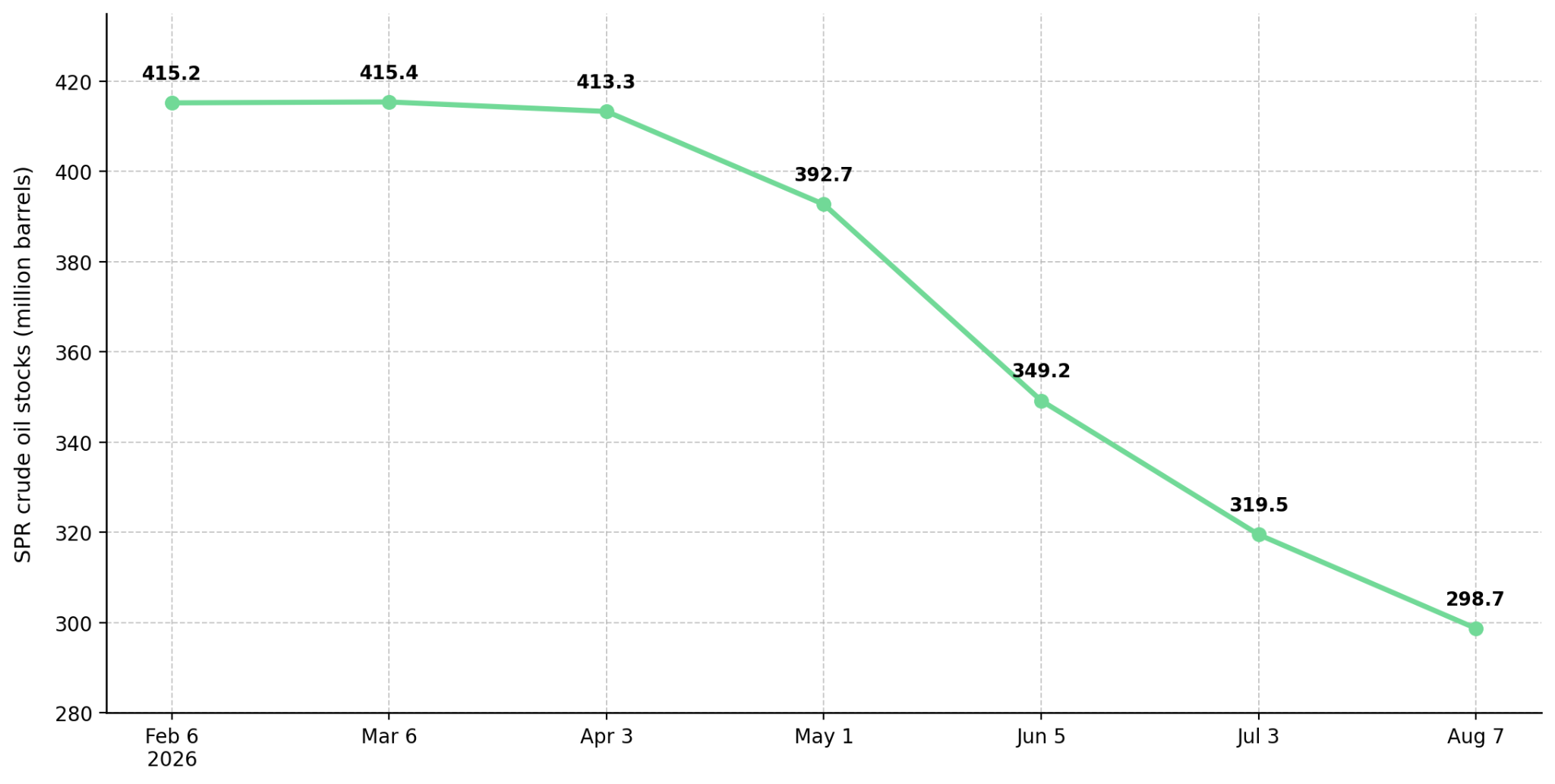
- The US Strategic Petroleum Reserve (SPR) fell to a four-decade low of 298.7 million barrels and would reach roughly 243 million after the authorized 172 million barrel release, reducing the buffer available to replace disrupted crude supply.
- China resumed crude stockpiling in July 2026 after restraining imports through the first half of the war, adding demand while Hormuz transits remain near zero.
- A verified Hormuz reopening that restores traffic toward the prewar average of roughly 130 vessels per day would reduce disrupted Gulf supply and weaken the case for higher crude prices.
Transits Hit Zero & Stored Barrels Keep Brent Near $88, Delaying Higher Prices
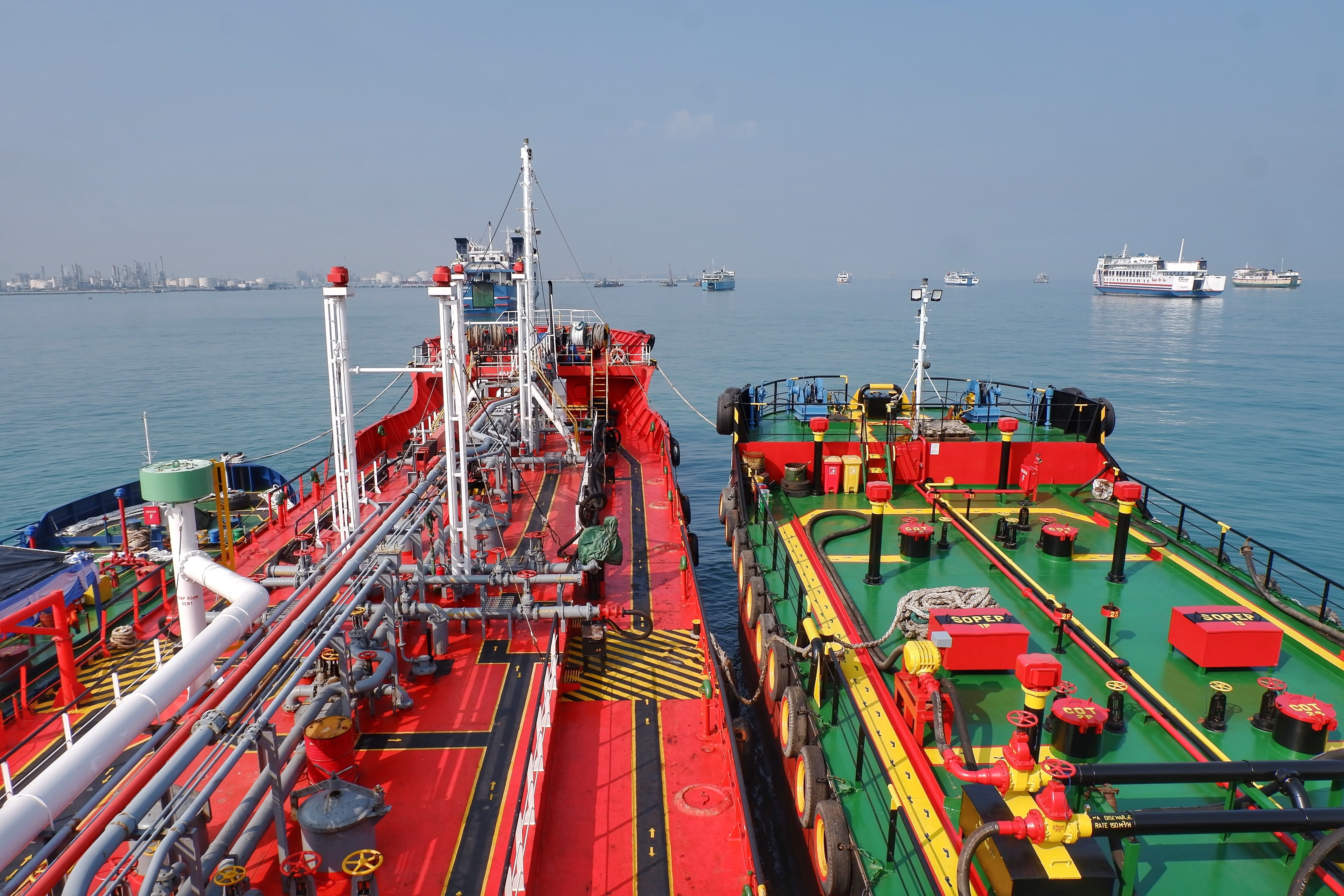
Shipping through the Strait of Hormuz effectively stopped ahead of the 60-day US-Iran ceasefire expiry, increasing the risk of higher crude prices if stored barrels cannot replace disrupted Gulf supply. Only five cargo ships passed before registered transits fell to zero, versus 31 the previous weekend. Traffic through the route, which carries about one-fifth of global oil at a prewar average near 130 vessels per day, has fallen 90%, leaving crude increasingly dependent on inventories.
Brent fell 0.15% to $88.45 per barrel and WTI fell 0.74% to $81.79 despite zero registered Hormuz transits, consistent with stored barrels replacing disrupted Gulf supply rather than the disruption being fully reflected in crude prices.
SPR Hits Four-Decade Low & Cavern Limits Restrict Releases, Supporting Oil Prices
The SPR has fallen from about 415 million barrels before the war to a four-decade low of 298.7 million and would fall to roughly 243 million after the authorized 172 million barrel release, reducing its capacity to replace disrupted crude supply. More than 25% of SPR inventory is also unavailable for drawdown because of outages, leaving usable emergency supply below the headline total.
SPR withdrawals cannot continue indefinitely because repeated drawdowns damage the salt caverns used to store the oil. Its oil is stored in 60 caverns across four Gulf Coast sites, with at least 70 million barrels required to remain for safe operation. Each drawdown expands cavern volume and reduces spacing within the salt domes, limiting future storage capacity and withdrawal flexibility.
Slow Refilling Raises Crude Price Sensitivity to Gulf Supply Losses
Refilling the reserve takes longer than releasing barrels, so further drawdowns would leave less emergency supply available if Hormuz disruption continues. Amos Hochstein, former Senior Advisor for Energy and Investment at the White House, stated that the SPR could be drawn down to 70 million barrels. Even using that floor, the reserve has the least remaining drawdown capacity in four decades.
Refinery Runs Fall & Tighter Acid Supply Favors Integrated Copper Operations
Global refinery throughput fell to 80.9 million barrels per day in July 2026, nearly 5 million below year-earlier levels, reducing sulfur recovered as a refinery byproduct. About 90% of consumed sulfur is converted into sulfuric acid, so lower refinery runs can tighten acid supply within weeks and raise input-cost risk for copper leaching operations.
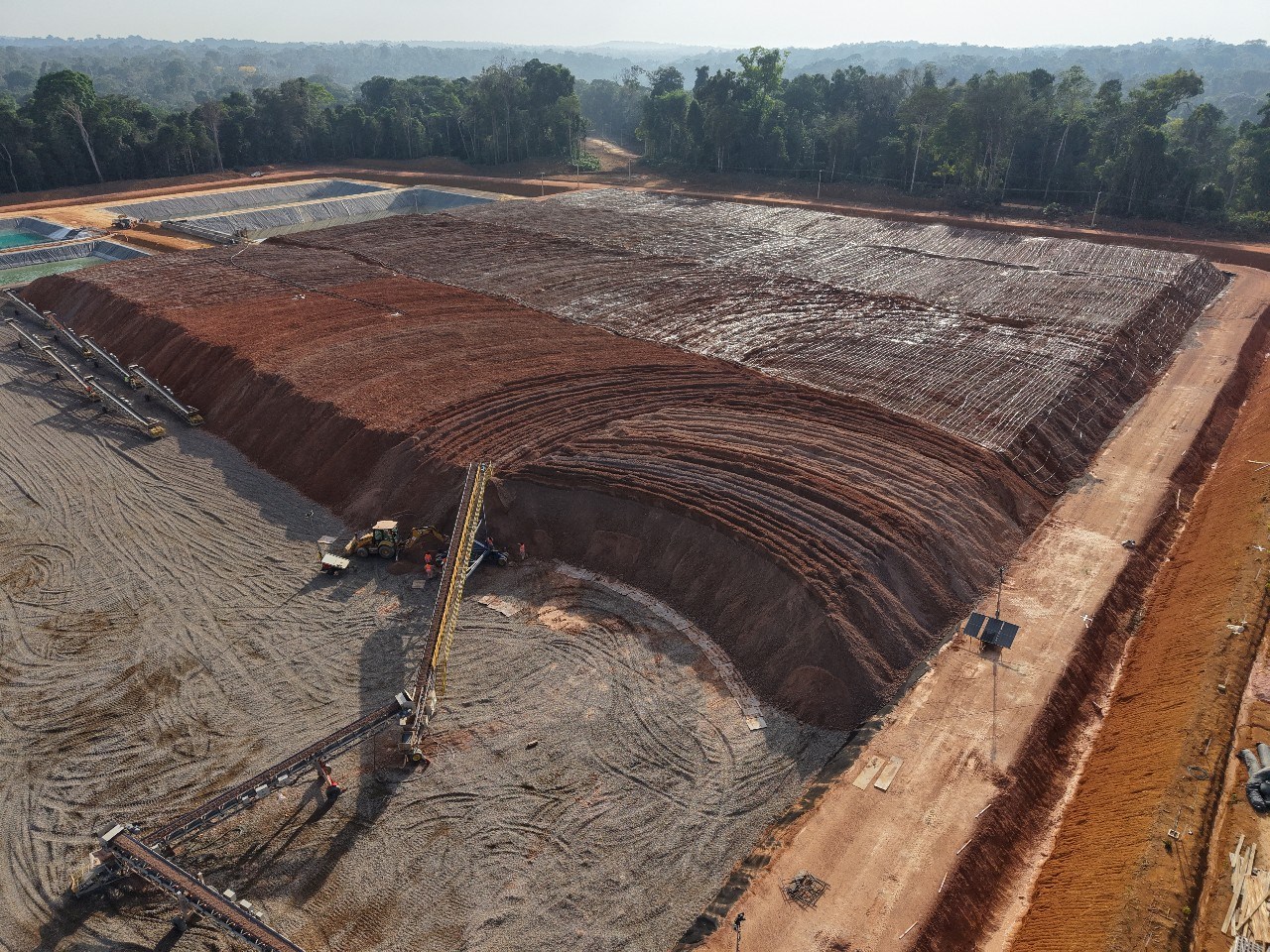
US elemental sulfur averaged $180 per metric ton in 2025, nearly four times the $46.42 recorded in 2024, while production fell to 7.6 million tons from 7.79 million. Solvent extraction and electrowinning produce roughly 15% of global copper cathode and consume 3 to 22 metric tons of acid per metric ton of copper, increasing cost exposure as sulfuric acid prices rise.
Because the Hormuz reopening date remains uncertain, sulfuric acid cost exposure depends on sourcing. Copper operations with integrated smelter supply or contracted volumes have less exposure to seaborne acid prices than those relying on market purchases.
Track 60+ Daily Hormuz Transits for Two Weeks Before Reassessing Crude Exposure
Stored barrels are keeping crude near $88 by replacing disrupted Gulf supply, but the SPR has fallen to 298.7 million barrels and would drop to roughly 243 million after the authorized release. If Hormuz traffic remains below roughly 30 vessels per day, physical crude owners and non-Gulf producers benefit from tighter supply, while refiners outside the region face higher replacement feedstock costs.
A verified reopening toward the prewar average of 130 vessels per day would restore Gulf crude supply and reduce reliance on stored barrels. Two consecutive weeks above 60 transits per day would confirm a recovery sufficient to increase Gulf refinery runs and byproduct sulfur supply.
Track rolling Hormuz transit counts and weekly EIA SPR holdings to test the case for higher crude prices. Reassess if SPR holdings stop declining for two consecutive weekly reports, signaling that emergency inventory depletion has paused.
Analyst's Notes





Subscribe to Our Channel

%20(1)%20(1).jpg)
.jpg)
Stay Informed


