




Salt Shortages in North America: Can This Domestic Supplier Take Advantage?


Atlas Salt develops Newfoundland deicing salt project targeting North America's 30-40% import gap. $600M capex, $188M annual cash flow, construction starting, financing Q2 2026.
- Atlas Salt is developing the Great Atlantic Salt project in Newfoundland to address de-icing road salt shortages in Eastern Canada and the northeastern US, with an approved environmental assessment and updated feasibility study showing strong economics
- The updated feasibility study demonstrates a project requiring $600 million CAD in capital with NPV of $920 million CAD, 21.3% IRR, and stable annual after-tax free cash flow of $188 million over a 25-year mine life
- Construction activities begin imminently following October 2025 financing, with the company targeting Q2 2026 for a finalised debt package covering 60-80% of capital needs from sovereign wealth funds and infrastructure banks
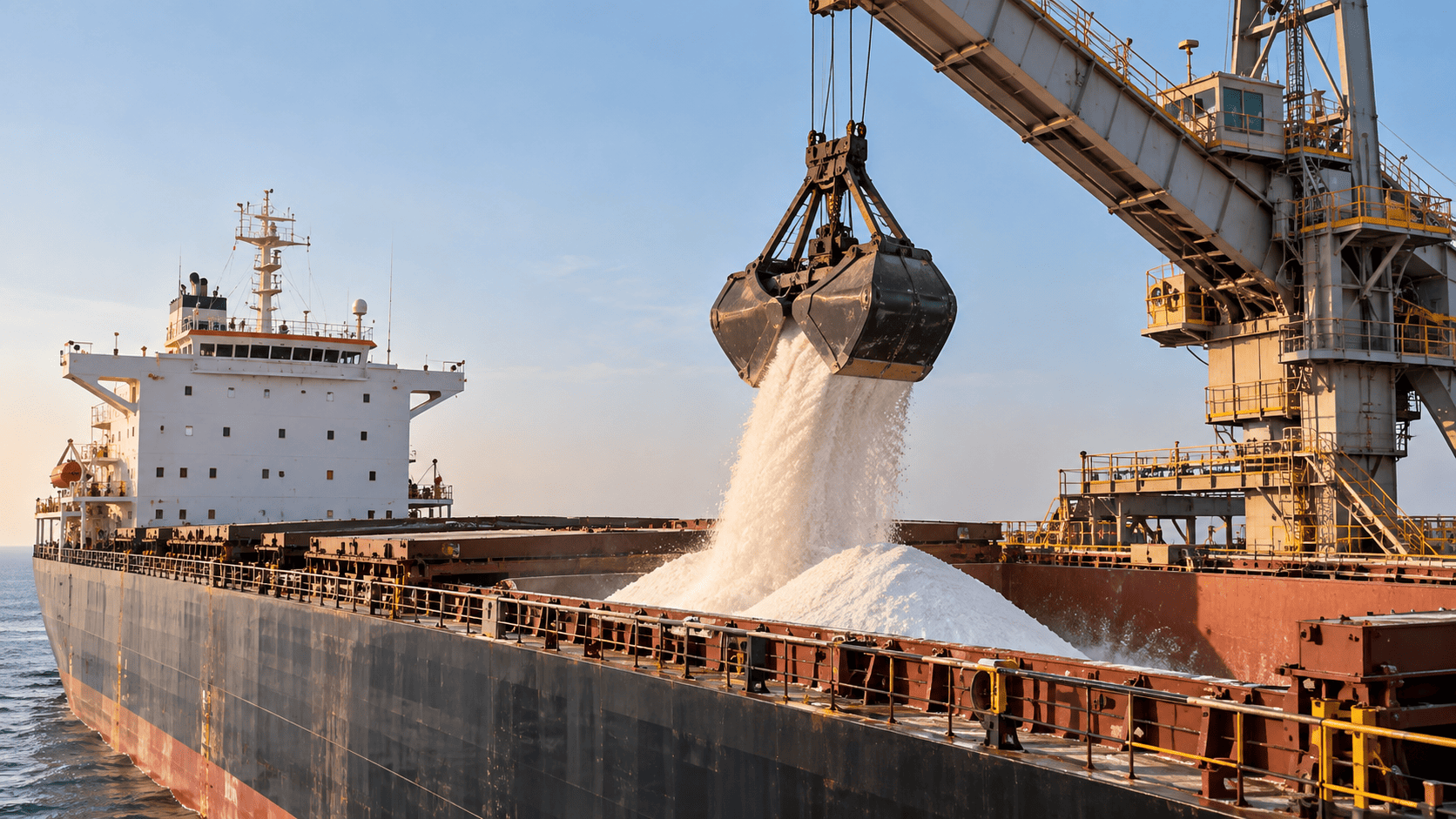
- Strategic advantages include 3-kilometer conveyor system to port reducing shipping costs and delivery times by 15-20% versus foreign suppliers, proximity to major North American markets experiencing severe salt shortages
- CEO Nolan Peterson joined in June 2025 and engaged Hatch as lead engineering partner and Endeavour Financial as debt advisor, with an MOU already signed with Scotwood Industries, the largest packaged deicing salt distributor
Atlas Salt is positioning itself to address a critical infrastructure need in North America through the development of the Great Atlantic Salt project on Newfoundland's west coast. The company targets the de-icing road salt market, where demand consistently outstrips domestic supply by 30-40%, forcing North American buyers to source from Egypt and Chile with significantly longer lead times and higher costs.
CEO Nolan Peterson, who joined the company in June 2025, explained the market dynamics:
"There is a salt shortage year-over-year when you're balancing domestic production versus domestic needs. And domestically, I'm grouping Canada and the United States as one market."
The timing appears particularly opportune, with Ontario currently experiencing severe shortages despite having a full year to prepare following last year's supply crisis.
The project's geographic advantage is substantial. Located in Newfoundland with direct port access, Atlas Salt can deliver product to the same markets served by foreign producers in "15 to 20% or sometimes even less the time and the cost," according to Peterson. This proximity enables rapid response to spot market opportunities and provides supply chain stability that foreign sources cannot match.
Technical Advancement Through De-Risking
Atlas Salt made significant technical progress throughout 2025, culminating in an updated feasibility study that incorporated learnings from environmental assessment consultations and a geotechnical drilling program. The original feasibility study from 2023 enabled the company to secure environmental approval from the Newfoundland government - a critical milestone that Peterson emphasised:
"This project already has an approved EA from the Newfoundland government and therefore has approval to go ahead."
The geotechnical drilling program specifically targeted ground conditions along the drift access for underground mine development, addressing what Peterson identified as "the biggest one definitely" among de-risking priorities. By incorporating these findings into capital cost estimates, the company moved risk "off of the register and into capital cost," providing investors with greater certainty while maintaining attractive project economics.
The updated study also confirmed the deposit's capacity to support higher production rates using equipment already sized for larger throughput in the original design.
Project Economics with Infrastructure Design
The updated feasibility study demonstrates robust economics with total capital requirements of approximately $600 million CAD. The project generates an NPV of $920 million CAD with a 21.3% after-tax IRR. Most significantly for risk-averse investors, Peterson highlighted the "after-tax free cash flow, which is $188 million a year every year on average for the 25-year mine life."
This stability differentiates Atlas Salt from typical mining investments. "Our contrast is that we have steady stable cash flow year after year kind of like a dividend or a bond if you will once you get over that initial hurdle," Peterson explained. The 25-year mine plan covers the entire reserve, though the company anticipates potential to extend mine life horizontally as operations provide additional geological information.
A key infrastructure element is the 3-kilometer covered and insulated conveyor system connecting the underground mine to port facilities. The design philosophy intentionally avoids creating bottlenecks at the conveyor level. "Every process has a bottleneck and theory will tell you that you want to put your bottleneck on your most expensive piece of equipment," Peterson noted. The conveyor system is sized to ensure it never constrains production, with the port and vessel handling representing the designed capacity limitation.
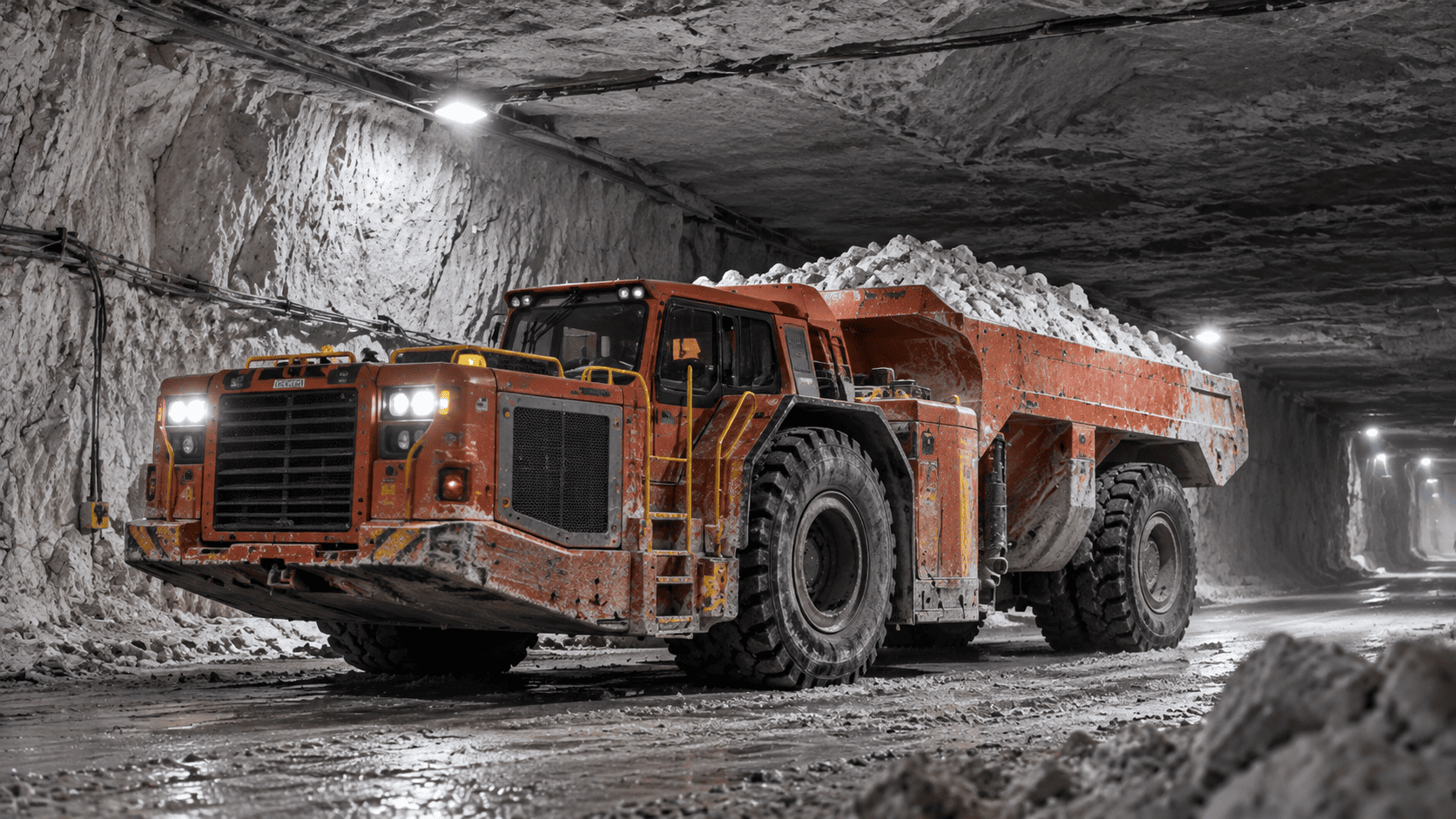
The high-grade nature of the deposit - producing 95-96% purity salt - eliminates the need for surface processing. "Everything that we pull out of underground is product that goes onto a covered and insulated conveyor that runs 3 kilometers to the port," Peterson explained, simplifying operations and reducing capital intensity compared to typical mining projects requiring concentration or refining.
Execution Strategy Through Strategic Partnerships
Atlas Salt has engaged Hatch as lead engineering partner following a two-year review of work completed by SLR, which prepared the original and updated feasibility studies. Peterson emphasised Hatch's endorsement:
"These guys are smart people. They liked what they saw and they said - hey we believe this is a project we want to attach our name to."
The execution approach employs integrated project delivery rather than traditional EPCM separation. Senior team members Robert Booth and Andrew Smith, both with extensive experience managing engineering projects, will coordinate with Hatch as "one team that's going to deliver for this project," according to Peterson.
Near-term execution risk appears minimal. Activities planned for 2026 focus on site preparation, developing the box cut for drift access, and detailed engineering to support final capital permits. "None of this stuff I would say is risky," Peterson stated, noting that higher-risk drift development activities will commence later in 2026 and more substantially in 2027.
Construction activities are beginning imminently following financing completed in October 2025, demonstrating the company's commitment to maintaining schedule momentum ahead of finalising debt packages.
Interview with Nolan Peterson, CEO of Atlas Salt
Commercial Strategy for Market Access
Atlas Salt is pursuing multiple pathways to market through discussions with distribution companies, potential vertical integration opportunities, and direct relationships with end users. The company has already signed an MOU with Scotwood Industries, the largest distributor of packaged retail deicing salt in North America.
Peterson outlined the strategic optionality:
"We don't necessarily compete for margin with our supplier if we integrate it, it makes sense and that could lead to a case where an off-taker wants to vertically integrate with us or we want to vertically integrate downstream with an off-taker."
The market positioning strategy prioritises displacing foreign production by offering "a slightly lower price in order to capture that market," while maintaining attractive margins due to superior logistics. Beyond price advantages, the domestic supply proposition offers intangible benefits including rapid response to shortages, supply chain stability, and alignment with "buy Canadian, buy North American mentality" that Peterson sees gaining governmental support.
The value proposition extends beyond cost to address critical timing issues. Foreign suppliers require one to two months for delivery, creating challenges when shortages emerge mid-season. Atlas Salt's proximity enables rapid response to spot market opportunities at premium prices while providing customers with greater certainty for long-term planning.
Financing Strategy with Development Timeline
The company engaged Endeavour Financial as debt advisor in December 2024, spending much of the past year organising due diligence and incorporating the updated feasibility study into financial models. This groundwork has already generated two letters of intent from major financing partners, announced during summer 2025.
Peterson outlined an aggressive financing timeline:
"Later this year we're targeting in the summer Q2 to really have an idea, a lockdown financing package for 60 to 80% of our financing needs that will come from debt."
Target sources include sovereign wealth funds, export development credit agencies, and major infrastructure banks attracted to the project's stable cash flows and low volatility. Third-party validation plays a crucial role in the financing strategy. Project Blue, described as "the world leader in esoteric minerals" including salt, is preparing market intelligence reports for due diligence packages. Peterson emphasised this external validation:
"It's not just me telling the market how fantastic the salt industry is. It's people who study this and know the industry very well that also come to that same conclusion."
The equity component will serve as "the down payment" with debt financing providing confidence to equity investors. The company is not waiting for full financing closure to begin work, having already initiated site preparation activities to maintain schedule and demonstrate execution momentum.
The Investment Thesis for Atlas Salt
- Counter-cyclical commodity exposure: De-icing road salt represents essential infrastructure spending with consistent demand regardless of economic conditions, providing portfolio diversification unavailable in most mining investments
- Structural supply deficit: North America imports 30-40% of deicing salt requirements from Egypt and Chile, creating sustained demand for domestic production with superior logistics and supply chain reliability
- Bond-like cash flow profile: $188 million annual after-tax free cash flow over 25 years provides stability more characteristic of infrastructure assets than typical mining ventures, appealing to risk-averse investors
- De-risked development pathway: Environmental assessment approval already secured, updated feasibility study incorporating geotechnical data, experienced engineering partner (Hatch) engaged, and construction activities commencing ahead of full financing
- Superior project economics: 21.3% after-tax IRR and NPV of $920 million CAD on $600 million CAD capital investment, with economics enhanced by 15-20% logistics cost advantage versus foreign competitors
- Clear path to financing: Two LOIs from major financing partners already received, targeting Q2 2026 for 60-80% debt package from sovereign wealth funds and infrastructure banks attracted to stable returns
- Strategic positioning for consolidation: Proximity to major North American markets, integrated logistics infrastructure, and relationships with distributors create optionality for vertical integration or strategic partnerships
Macro Thematic Analysis
North America's structural dependence on imported deicing salt - comprising 30-40% of continental requirements - represents a critical infrastructure vulnerability that recent supply disruptions have brought into sharp focus. Ontario's current severe shortage, occurring despite a full year to prepare following 2025's crisis, underscores the unreliability of sourcing essential road safety materials from Egypt and Chile with one-to-two month delivery times. This dynamic aligns with broader governmental emphasis on supply chain resilience and domestic manufacturing capability, particularly for materials affecting public safety and economic productivity during winter months.
Atlas Salt's Newfoundland location offers transformative logistics advantages, reducing delivery times and costs by 15-20% while providing rapid response capability to spot market opportunities. As Peterson noted, the company can "respond faster to these types of shortages in the market, reap the benefits of a higher priced market in the spot market" while delivering "supply chain stability" that foreign sources cannot match, positioning the project at the intersection of infrastructure necessity and economic nationalism.
"By having us closer, we can respond faster to these types of shortages in the market, reap the benefits of a higher priced market in the spot market, and then we can also deliver with greater stability that they know that the salt's going to be there next year."
TL;DR
Atlas Salt is developing a $600M CAD deicing salt project in Newfoundland targeting North America's 30-40% import dependence, with approved environmental permits and compelling economics ($920M NPV, 21.3% IRR, $188M annual cash flow over 25 years). The company begins construction imminently while targeting Q2 2026 for 60-80% debt financing from infrastructure investors attracted to stable returns and 15-20% logistics advantages versus foreign competitors. Current severe shortages in Ontario validate the market opportunity for domestic supply with rapid delivery capability.
FAQs (AI Generated)
The update incorporated learnings from environmental assessment consultations, geotechnical drilling results on underground drift conditions, and confirmed the deposit could support higher production rates using already-sized equipment, effectively derisking the project for investors.
Proximity to major markets enables 15-20% lower shipping costs and delivery times versus Egyptian and Chilean sources, rapid response to shortages (days versus 1-2 months), and supply chain reliability increasingly valued by governments and end users.
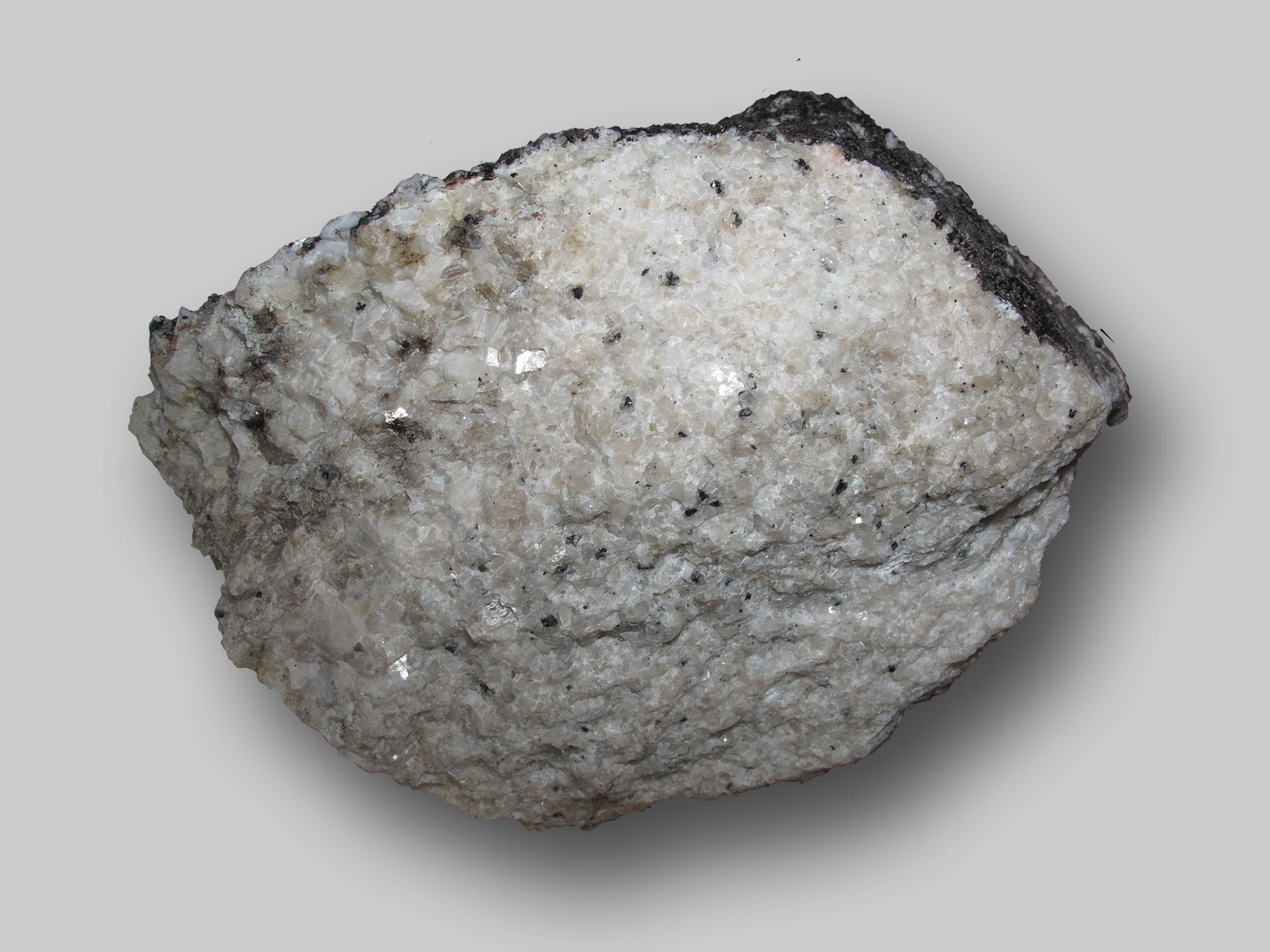
Salt deposits are high-grade pillowy shapes requiring simple room-and-pillar extraction of large sections rather than chasing narrow veins. The 95-96% purity eliminates surface processing needs - everything mined goes directly to market via conveyor.
The company targets Q2 2026 for finalising 60-80% debt financing from sovereign wealth funds and infrastructure banks. Construction activities begin imminently using October 2025 financing for site preparation, with drift development accelerating later in 2026.
The $188 million annual after-tax free cash flow over 25 years provides bond-like stability with minimal commodity price volatility, as deicing salt represents essential infrastructure spending with consistent demand regardless of economic conditions.
Analyst's Notes





Subscribe to Our Channel



.png)
Stay Informed


