




Q2 EA Decision Looms as First Mining Gold's Pivotal Catalyst for Springpole


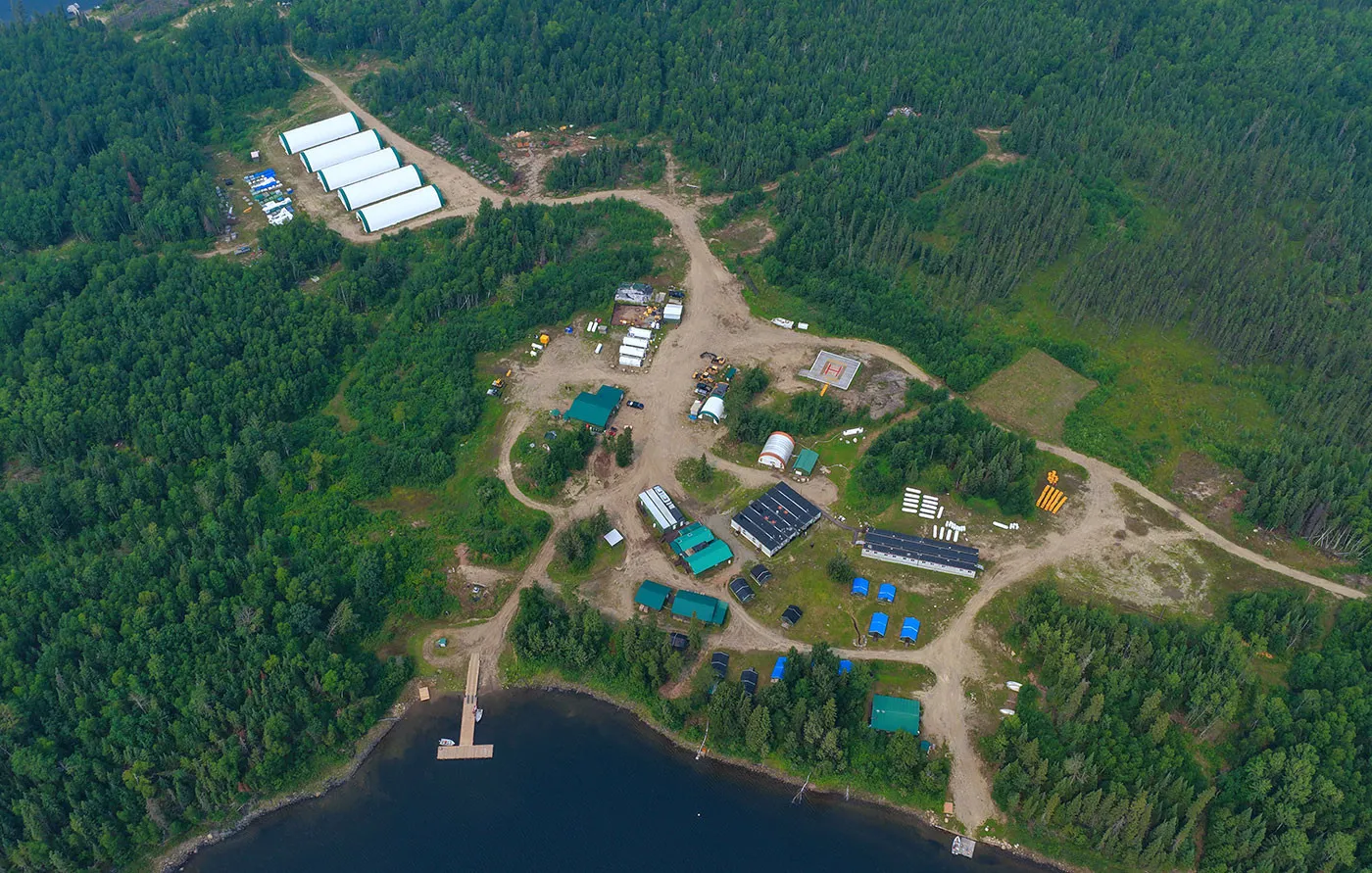
First Mining Gold nears Q2 '26 EA approval for Springpole; $45/oz valuation vs $250/oz peers offers 3-5x upside. $4,500/oz margins at $5,400 gold. Partnership strategy manages risk.
- First Mining Gold is advancing toward Q2 2026 environmental assessment approval for its Springpole gold project in Ontario, a key milestone that CEO Dan Wilton expects will make the company "institutionally investable" and unlock significant value
- The company's market capitalisation surged from $150 million CAD to nearly $1 billion CAD over the past year, driven by advancement of Springpole and exceptional gold price environment, though valuation remains at $45/oz compared to $250/oz for peer advanced developers
- At current gold prices of $5,400/oz, Springpole offers estimated margins of $4,000-4,500/oz, creating "unparalleled" economics that are transforming development and partnership discussions across the sector
- Management is openly pursuing a partnership model for Springpole construction, similar to successful precedents like Osisko-Windfall and Gold Road, where a partner would provide construction/operational expertise while First Mining retains significant equity interest
- The company's Duparquet project in Quebec, with an estimated $3 billion NPV at $4,000 gold, receives minimal current valuation recognition but could advance to environmental assessment by 2027, representing substantial upside potential beyond Springpole
As gold prices reach historic highs above $5,400 per ounce, First Mining Gold is navigating a critical inflection point that could transform the company from an exploration story into a near-term development opportunity. With environmental assessment approval expected in Q2 2026 for its flagship Springpole project and a valuation that remains a fraction of peer developers, the company represents a case study in how exceptional commodity prices are reshaping development economics and strategic options in the mining sector. CEO Dan Wilton sat down at PDAC 2026 to discuss the company's advancement strategy, partnership approach, and the hidden value in its portfolio.
The PDAC Context: A Market Resurgence
The 2026 Prospectors & Developers Association of Canada convention reflected a broader revival in mining interest, with Wilton noting it was "the busiest I've ever seen a Sunday" in 30 years of attendance. However, the enthusiasm extends beyond gold to copper, critical minerals, and silver, driven by supply constraints across multiple commodities. For those with experience through previous cycles, Wilton observed that "it feels a little bit like 2006, 2007," suggesting the industry may be entering a sustained upcycle after years of capital scarcity.
This context matters for First Mining Gold because the company has been recapitalising and advancing its projects during a period when many developers struggled to survive. While the sector experienced outflows from vehicles like GDXJ throughout 2025 despite rising gold prices, First Mining used portfolio rationalisation to generate nearly $100 million in cash to reinvest in its core projects, positioning itself ahead of the curve as institutional interest begins returning.
Shareholder Evolution and Institutional Targeting
First Mining's shareholder base currently consists of approximately 10% insiders and strategic shareholders, 22% institutional investors, and the balance in high net worth retail and family office investors who have supported chairman Keith Neumeyer over many years. This structure contrasts sharply with peer developers, where institutional ownership typically ranges from 50-70%.
Wilton identified this gap as a major catalyst opportunity: "I think it becomes institutionally investable" once the environmental assessment decision arrives. The institutional ownership has already doubled from roughly 10% eighteen months ago to 22% today, driven by financing completed in 2025 and subsequent market purchases by large funds. However, many institutions have explicitly told management they are waiting on the sidelines for more advancement to happen in the project.
The Springpole deposit's location in Attwood Lake has been a persistent concern for potential investors, making regulatory approval the critical validation that removes this fundamental uncertainty and opens the door to broader institutional participation.
Unprecedented Margin Environment Transforming Economics
The current gold price environment is creating economics that have never existed in the mining industry's history. Wilton emphasised this repeatedly, noting that even during the 2010-2011 gold bull market, costs escalated almost as quickly as prices, limiting margin expansion. Today's situation is fundamentally different. Most gold producers are budgeting at approximately $3,000 per ounce while selling gold at $5,400, "which is all free cash flow."
For Springpole specifically, at current gold prices, Wilton estimates margins of "$4,000 or $4,500 an ounce of margin; we've never seen margins like that in the gold industry before." This changes the entire development calculus, making projects that might have been marginal at lower gold prices extraordinarily compelling. The accumulated cash balances and free cash flow among producers are "unparalleled," creating a unique environment where both self-funding and partnership opportunities become more viable.
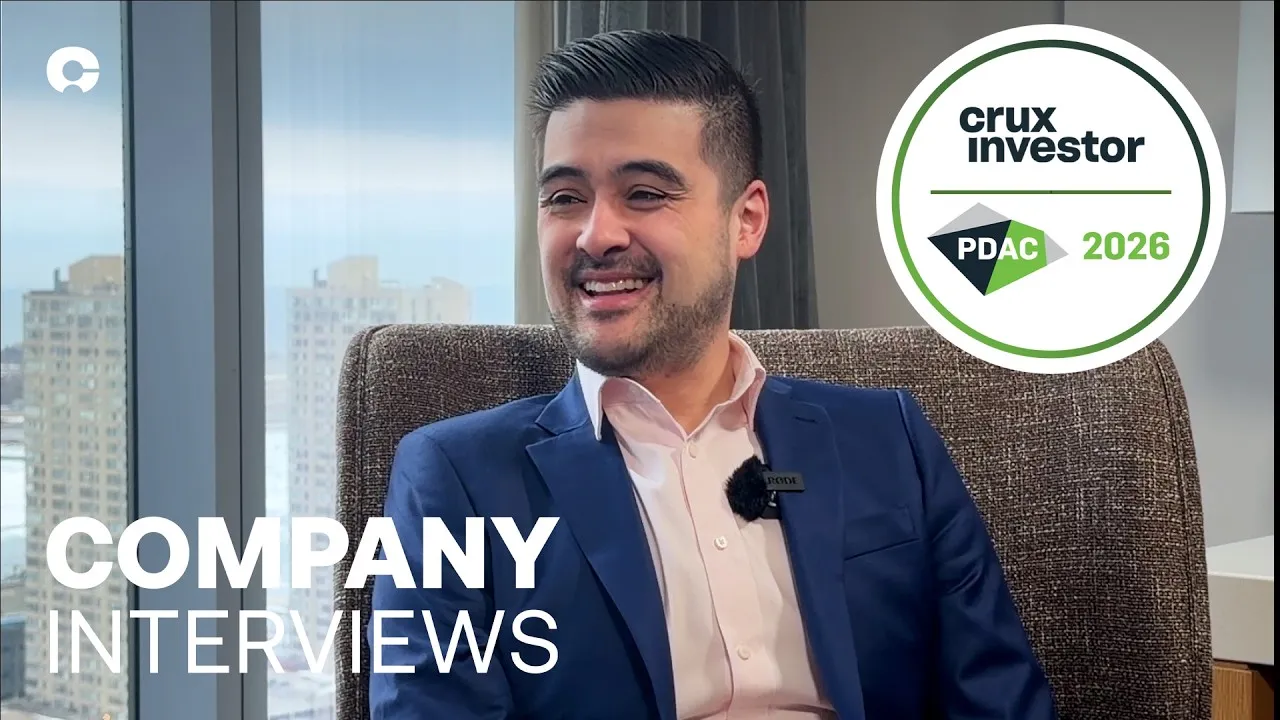
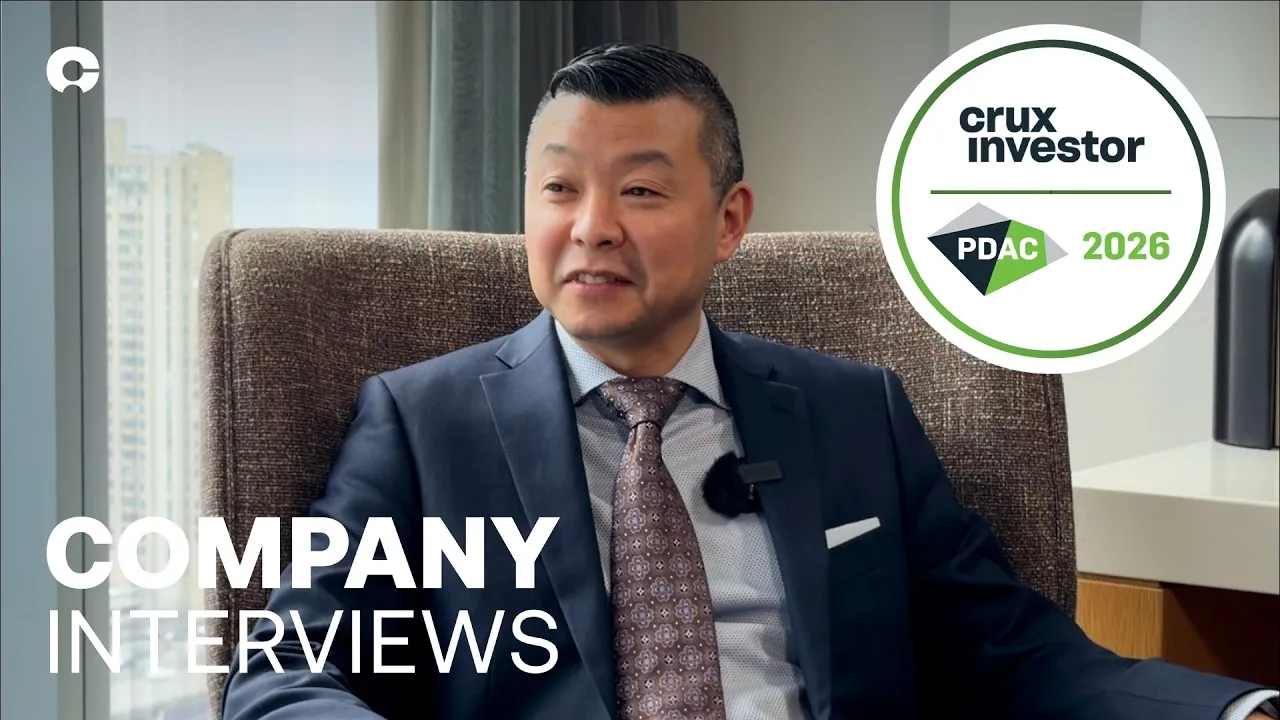
Interview with Dan Wilton, CEO, First Mining Gold
Springpole: Project Economics and Development Timeline
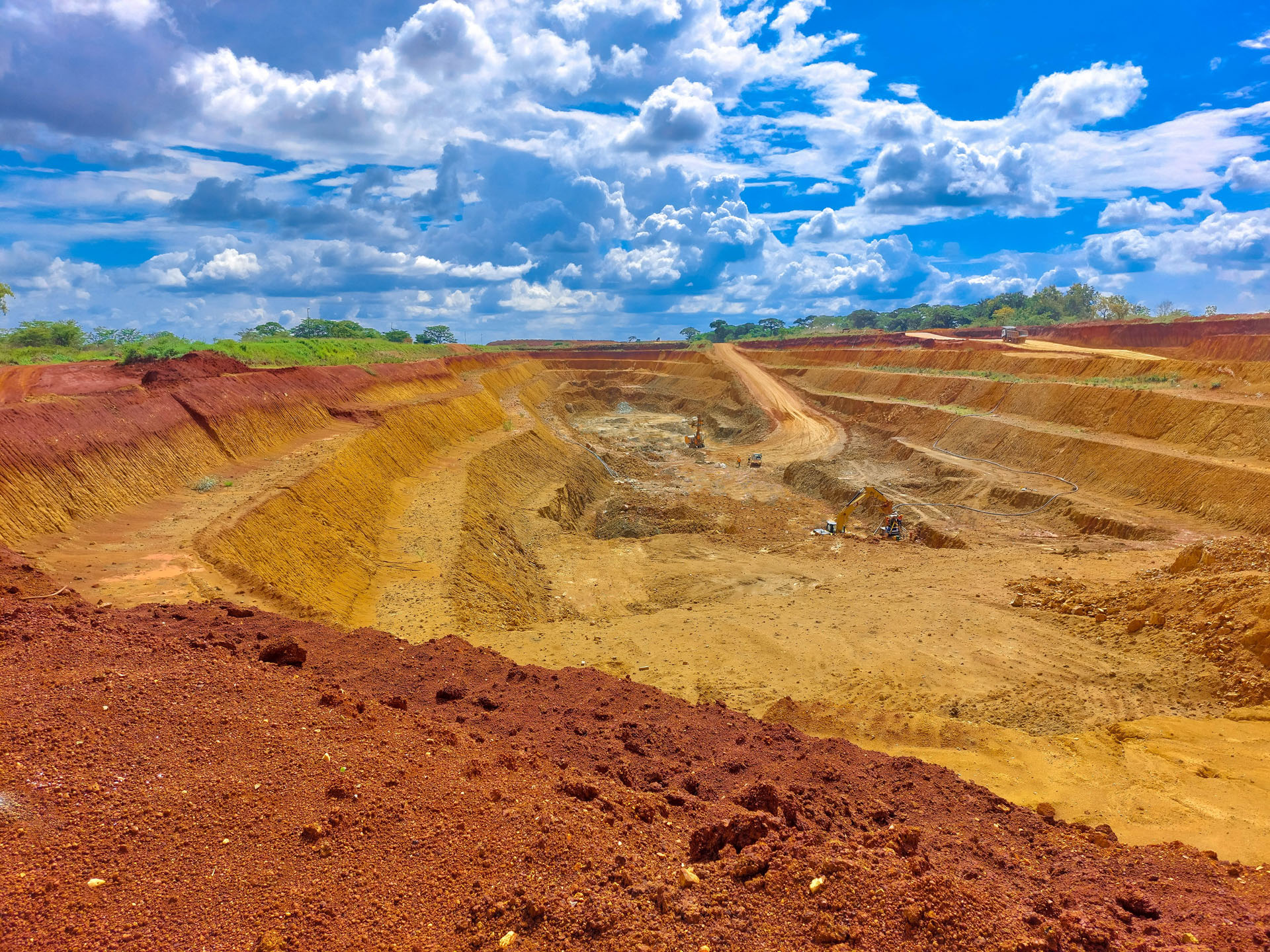
Springpole represents First Mining's flagship asset, with over 5 million ounces of gold resources in Ontario. The project's prefeasibility study, completed in November 2024, outlines production of 300,000+ ounces annually for the first eight years of mine life, followed by two additional years of lower-grade stockpile processing at approximately 100,000 ounces per year. Upfront capital requirements are estimated at $1.1 billion.
At a $3,100 gold price, the project shows an NPV of approximately $2.1 billion US, rising to $3.8 billion at $4,200 gold. Given current spot prices well above these assumptions, the economic returns are substantially higher than the base case projections suggest.
The development timeline is aggressive but appears well-planned. Following EA approval expected in Q2 2026, the company will enter an 18-month period focused on detailed engineering, feasibility study completion, site characterisation, and project financing discussions. Wilton stated they are "targeting a feasibility study at the end of 26, beginning of 27", with data collection to be completed by April 2026. Infrastructure construction could potentially begin in 2027, with the main construction phase starting in late 2027 or early 2028.
Management has assembled a team with "real project development experience" and is currently in discussions with engineering firms to ensure the feasibility study is done "with an eye to constructibility." This focus on buildability rather than just study completion reflects lessons learned from numerous Canadian mine builds that experienced significant cost overruns and delays.
The Partnership Strategy: Learning from Industry Precedents
A critical element of First Mining's strategy is the open acknowledgment that
"a project of this size, I think we would really benefit from having a partner with construction and operating experience come in to help us build this."
This transparency about partnership intentions is notable in an industry where many junior developers publicly commit to building independently while privately seeking buyers.
Wilton pointed to specific precedents that inform the partnership model. Osisko's Windfall project and particularly Gold Road in Australia serve as templates. Gold Road's deposit was similar to Springpole in size (5 million ounces, 300,000 ounces annual production) and successfully attracted a partner who agreed to build and operate while leaving the original developer with 50% ownership. Critically, that partnership was formed at a gold price "probably 40% of where it is today," suggesting that in the current environment, First Mining could potentially negotiate even more favourable terms.
The timing of partnership discussions is strategic. Wilton identified two logical entry points for partners: immediately after EA approval, when a partner would want to conduct their own feasibility work and site characterisation, or after the construction decision, when the project is fully de-risked but on a "more narrow scope because you're going to have done all the work." The company is positioning itself to pursue either path depending on market conditions and partnership interest.
Importantly, Wilton emphasised that partnership is an outcome, not a strategy: "I'm going to find a partner or I'm going to sell the project is not a strategy, that's an outcome." The company must control what it can control, which means continuing to de-risk the project and advancing it toward construction readiness regardless of external partnership developments.
Valuation Gap and Investor Opportunity
Despite the market cap increase from $150 million to nearly $1 billion CAD over the past year, First Mining's valuation metrics suggest significant remaining upside. The company has moved from $7 per ounce to $45 per ounce in resource valuation, but this still compares to $250 per ounce for advanced developers. At current valuations around $45 per ounce, investors are receiving "no credit for what would be on our ounces" in terms of the actual margin generation potential.
This valuation gap exists despite the company being well-funded with approximately $40 million in cash, plus an additional $8 million incoming from asset sales (Pickle Crow to Bellavista and Cameron project to Seva Mining). The company also benefits from ongoing option and warrant exercises that continue to add to the treasury without significant dilution.
The Hidden Asset: Duparquet's Unrealised Value
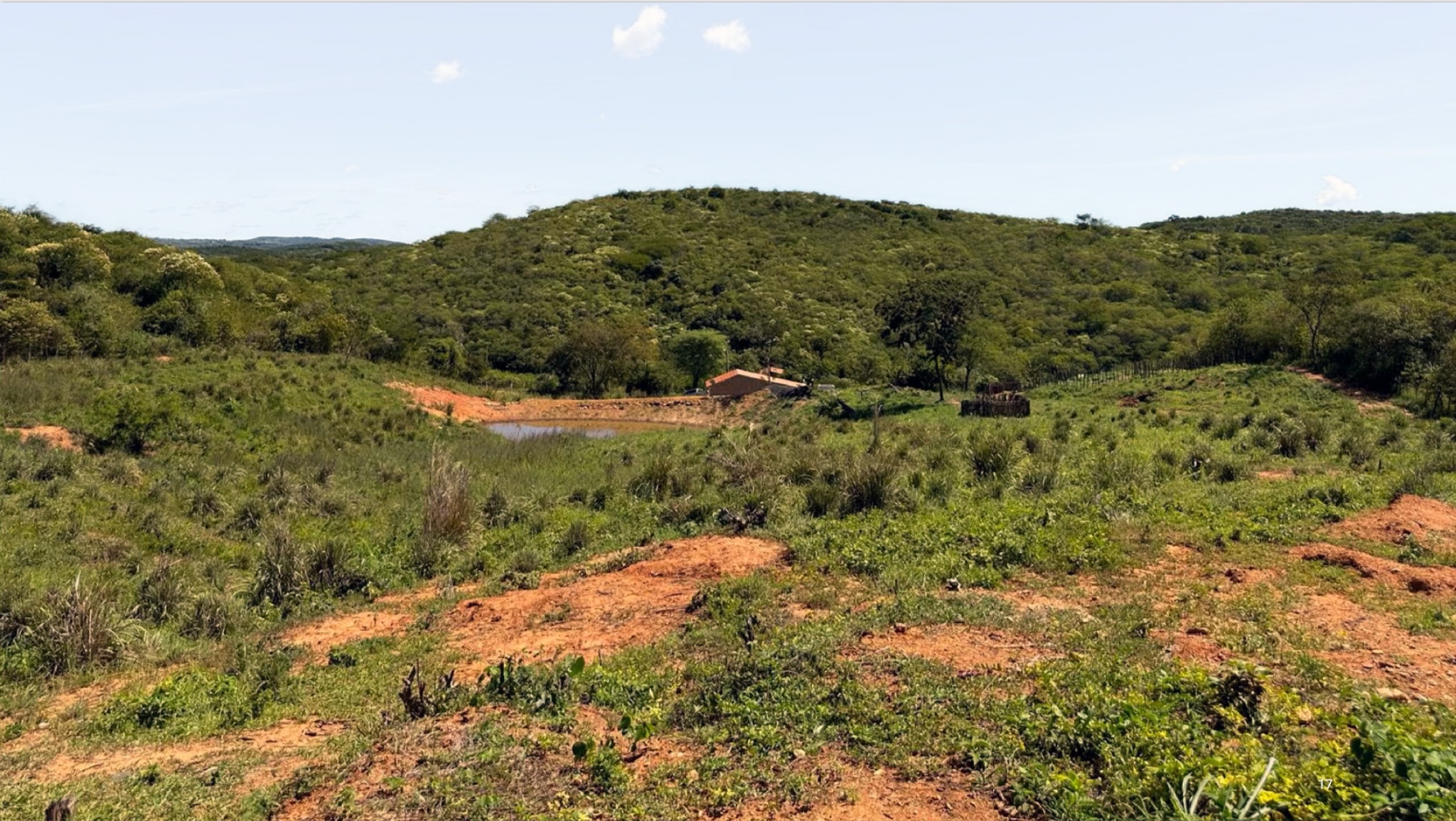
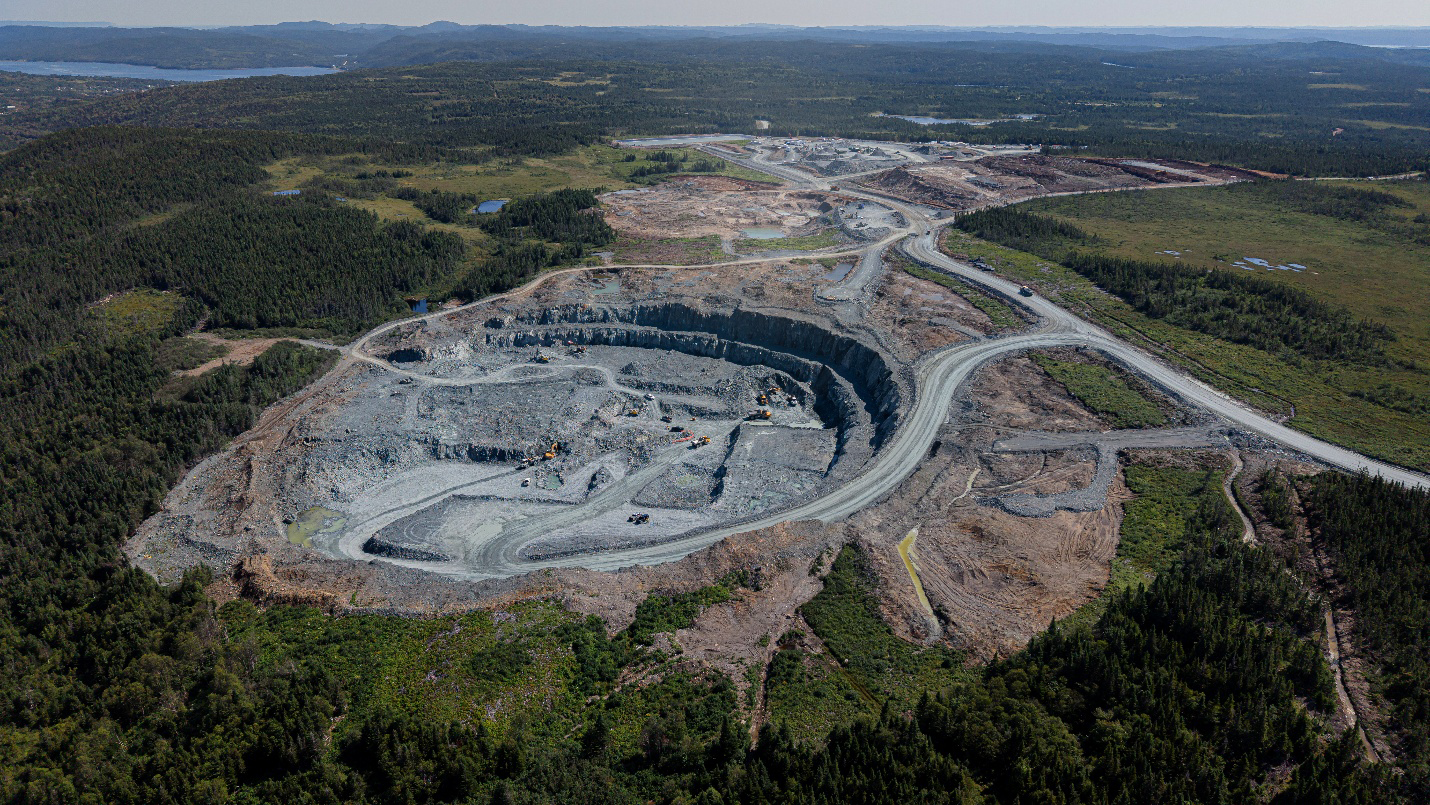
While Springpole commands most attention and drives current valuation, Wilton was explicit that "I don't think we're getting much value for Duparquet at all" and confirmed that essentially the entire market cap reflects Springpole alone. This creates substantial optionality, as Duparquet has an estimated $3 billion NPV at $4,000 gold.
Duparquet benefits from significant historical work, having been taken to prefeasibility study in 2014 with 300,000 meters of drilling across 4 kilometers of strike length. The metallurgy is well understood, and the resource is thoroughly drilled. First Mining is updating environmental baseline work in 2026, positioning the project to potentially enter Quebec's environmental assessment process in 2027 with a feasibility study.
The Quebec EA process could be significantly faster than the federal/provincial combined process that Springpole underwent. With federal substitution to provinces for key projects in jurisdictions like Quebec, and given that Duparquet involves substantial remediation of historic mine liability, Wilton suggested EA approval "before 2030" is possible. The Quebec government has provided "encouraging signs from the ministries" about their interest in seeing the project advance.
Management's strategic vision involves potentially using a Springpole partnership to "mitigate a big chunk of the financing risk, construction risk, and operating risk" while pivoting full attention to Duparquet, which alone could be "worth multiples of our current market cap" with focused development effort.
Conclusion
The current gold market environment represents an inflection point driven by central bank diversification away from dollar-denominated reserves, persistent inflation concerns, and geopolitical instability that shows no signs of abating. At $5,400 per ounce, gold has broken decisively through historical resistance levels, yet equity participation remains muted with continued outflows from vehicles like GDXJ throughout 2025 despite price appreciation. This divergence suggests equities, particularly developers, remain dramatically underowned relative to the commodity exposure.
The supply response to higher prices faces long lead times, with Wilton noting that even projects beginning to advance "are starting from very low levels of activity, which means that the time frame for that to become a real productive asset is going to be pretty long." First Mining's near-term catalysts position the company to capture this supply-demand imbalance.
TL;DR
First Mining Gold is advancing two of Canada's largest undeveloped gold projects toward construction readiness, with Springpole's Q2 2026 environmental assessment approval representing a pivotal catalyst that management expects will unlock institutional investment and validate the project's viability. At current gold prices of $5,400/oz, Springpole's economics offer unprecedented $4,000-4,500/oz margins, yet the company trades at $45/oz versus $250/oz for peer developers, suggesting 3-5x appreciation potential. Management's transparent pursuit of a construction partnership, combined with a well-funded treasury and hidden value in the Duparquet project, creates multiple paths to value realisation while managing execution risk.
FAQ's (AI Generated)
The EA approval removes fundamental uncertainty about permitting a deposit located in a lake, which has kept many institutional investors on the sidelines. It validates the project's viability and typically unlocks institutional fund participation.
At $45 per ounce, First Mining trades at an 82% discount to the $250 per ounce average for advanced developers. This gap reflects market skepticism that is expected to narrow with EA approval.
Following Q2 2026 EA approval, an 18-month feasibility and detailed engineering phase leads to potential infrastructure construction in 2027 and main build commencement in late 2027 or early 2028.
Duparquet is earlier-stage, requiring feasibility study completion and EA approval before construction readiness. Market is focused entirely on Springpole's near-term catalysts, creating free option value on Duparquet.
The company holds $40M+ in cash with an additional $8M incoming from asset sales (Pickle Crow, Cameron), plus ongoing warrant and option exercises, sufficient for the 18-month post-EA work program.
Analyst's Notes





Subscribe to Our Channel







Stay Informed






















