




Selkirk Copper's Deep Minto East Intercept: 7 Things You Need to Know


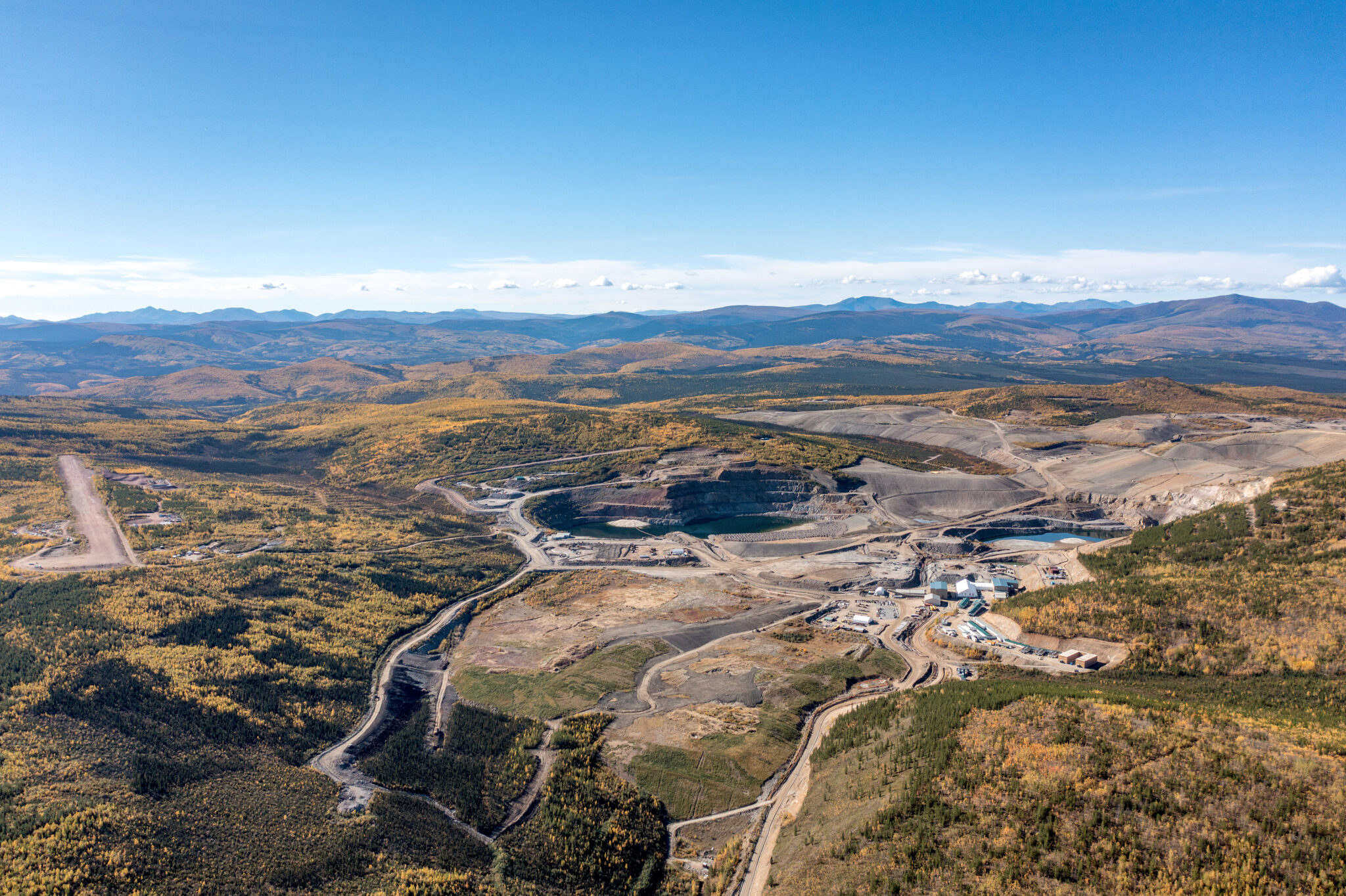
An intercept at 639.7 metres depth at Minto East extends high-grade copper mineralisation beyond the zone behind Selkirk's current mine-life estimate.
Project Overview
Selkirk Copper Mines (TSX-V: SCMI | OTCQB: SKRKF | FRA: IO20) has reported a deep intercept at Minto East that extends known high-grade copper-gold-silver mineralisation well beyond the zone's previous drilling envelope. The headline result returned 8.99%copper equivalent over 3.8 metres at a depth of 639.7 metres, the deepest high-grade interval drilled at Minto East to date. The result lies beyond the roughly 500-metre depth limit of historical drilling in the zone, raising a question for the company's current Preliminary Economic Assessment (PEA), which assumes a 12- to 15-year mine life based on a resource model that does not yet account for this depth extension.
1. The 639.7-Metre-Deep Intercept at Minto East
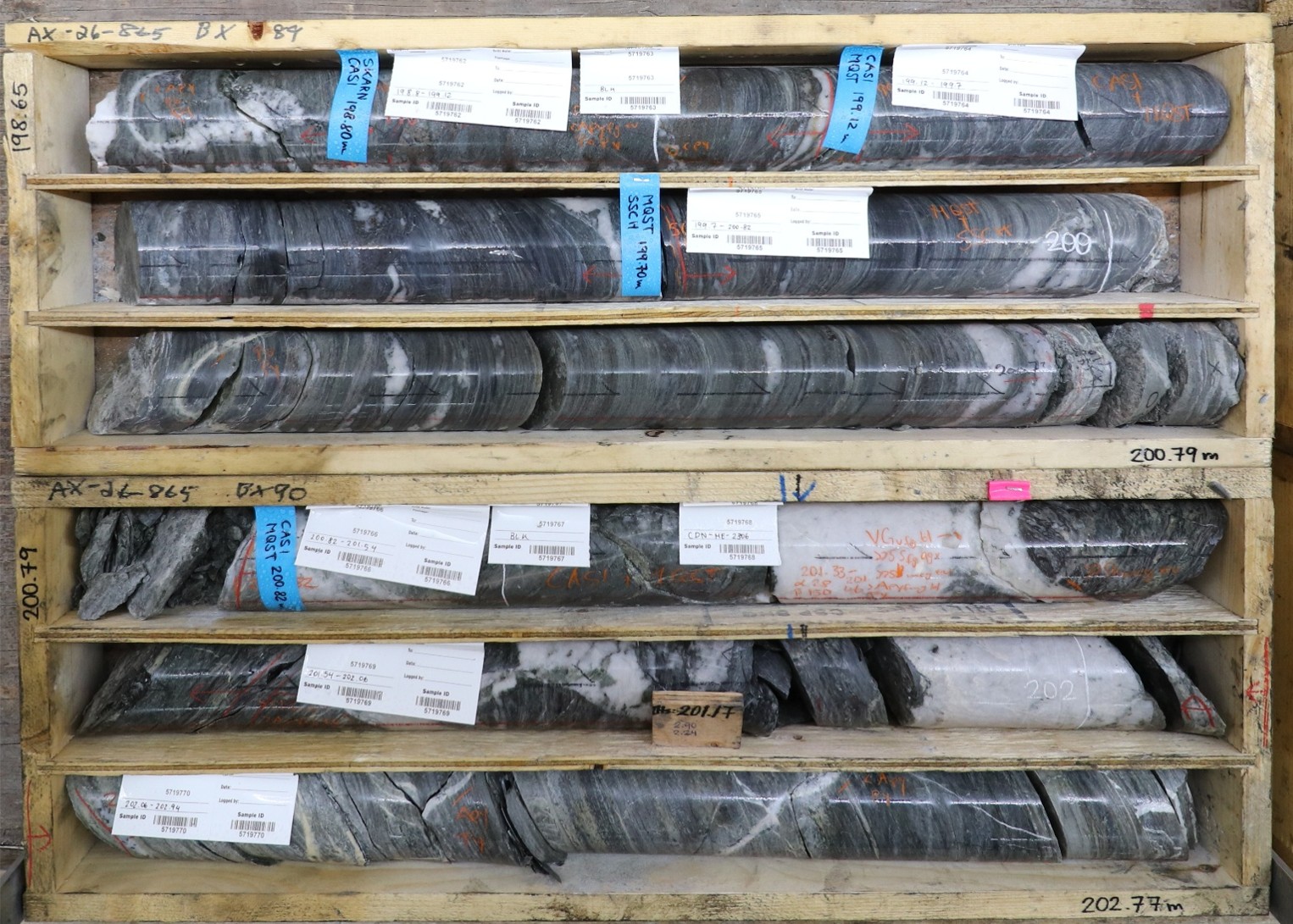
This is the highest-grade mineralisation yet drilled at this depth at Minto East. The interval graded 3.77% copper, 6.74 grams per tonne gold, and 23.68 grams per tonne silver over 3.8 metres, for an 8.99% copper equivalent, beginning at a depth of 639.7 metres. It sits within a broader, lower-grade zone grading 1.38% copper, 2.34 grams per tonne gold, and 8.67 grams per tonne silver over 11.3 metres, for 3.20% copper equivalent, running from 639.7 metres to 651.0 metres. The richest mineralisation begins right where that broader interval starts, putting the strongest grade at the top of the wider zone rather than buried within it.
What this single intercept reopens is the question of how much further the deposit extends below the zone that currently informs Selkirk's mine-life model.
2. Depth Context Across Minto East
Three other deep holes from the same campaign confirm that mineralisation continues at multiple points within Minto East, though none match the grade of the headline result. One returned 1.09% copper equivalent over 17.3 metres starting at 451.7 metres. Another returned 0.97% copper equivalent over 29.7 metres starting at 450.4 metres. A third returned 1.51% copper equivalent over 4.8 metres starting at 438.3 metres, within 50 metres of historical underground workings.
Most prior drilling at Minto East did not extend beyond 500 metres depth, and no comparable high-grade mineralisation had been found beyond 550 metres. At 639.7 metres, the new result sits well below both of those limits, in ground no previous operator had tested for high-grade continuity.
Together, the three shallower holes show that copper-bearing mineralisation occurs at multiple depths below 430 metres, rather than as a single isolated result. What sets the 639.7-metre intercept apart is grade: it is the result that changes the resource conversation, not just one that extends the depth at which mineralisation has been observed.
3. Geological Rationale for Continuity at Depth
Mineralisation at Minto East occurs as folioform chalcopyrite and blebby disseminated bornite hosted in migmatised granodiorite. The mineralised zones are flat-lying to shallowly dipping, with individual lenses dipping northeast, while the strongest grade trends run north-northwest. In practical terms, the deposit's shape is defined by how far it runs sideways, not by a hard stop at any particular depth, which is the structural basis for expecting high-grade mineralisation to continue below what has been drilled so far. A flat-lying zone like this does not end at a fixed elevation the way a steep vein system would, which is why depth is treated as an open question rather than a settled boundary at Minto East.
4. The Current PEA Mine-Life Assumption
Selkirk's PEA targets a mine life of 12 to 15 years at a throughput of 4,100 tonnes per day. That assumption is based on a Mineral Resource Estimate (MRE) effective as of April 2025, constrained by underground and open-pit resource shapes for targets such as Ridgetop and Area 118. Neither the resource model nor those pit shapes account for this deep intercept, so the 12- to 15-year figure does not yet reflect what this drilling has found.
Those constraints were set before this drilling occurred, so the depth extension observed here falls outside what the current mine-life calculation was designed to capture.
5. Near-Mine Exploration Potential
President and Chief Executive Officer of Selkirk Copper, M. Colin Joudrie, is direct about where he sees the next phase of upside coming from:
“After that, I do think there is a second stage of the story, which is very much near-mine exploration potential. We're working in an area where the Selkirk First Nation has not historically allowed previous operators to really explore freely.”
This points to exploration upside separate from the depth extension at Minto East, in ground that previous operators could not access on the same terms. It is a second avenue for resource growth, alongside the depth question above, rather than a substitute for it.
6. Updated Resource Estimate, PEA & FS Timeline
An updated MRE and PEA are targeted for completion in mid-2026, with a Feasibility Study (FS) to follow in mid-2027. Results from the Phase 1 deep drilling programme, including this deep intercept, are being incorporated into the mid-2026 MRE and PEA updates, the first opportunity to test this depth extension directly against the resource model.
These two updates, the resource and economic work, followed by the FS, mark the first time the deep intercept's significance for mine life can be judged against a rebuilt model rather than assumptions set before the drilling occurred.
7. Phase 2 Drill Programme & Future Deep Drilling
An active 50,000-metre Phase 2 drilling programme is underway, supporting resource expansion, infill drilling, and the collection of geotechnical and geometallurgical data. Further drilling aimed at the deep zone will follow once underground workings there become accessible, though no date is attached to that work yet.
Until the underground workings are accessible, deep extension drilling in the high-grade zone cannot proceed, so the pace of any follow-up depends on access conditions rather than a fixed point on the drilling calendar.
Key Takeaway for Investors
- The headline intercept returned 8.99% copper equivalent over 3.8 metres at a depth of 639.7 metres, the highest grade yet drilled at this depth at Minto East.
- The result extends known high-grade mineralisation well beyond the roughly 500-metre depth limit of historical drilling at the zone.
- The flat-lying to shallowly dipping geometry of Minto East's mineralised zones gives a structural basis for continuity below the depths drilled to date.
- The current Preliminary Economic Assessment assumes a mine life of 12 to 15 years based on a resource model that does not yet account for this deep intercept.
- Management has identified a second stage of near-mine exploration potential in ground that previous operators were unable to access freely.
- An updated Mineral Resource Estimate and Preliminary Economic Assessment are targeted for the middle of 2026, a Feasibility Study for the middle of 2027, and an active 50,000-metre Phase 2 drilling programme is underway.
Bottom Line
Selkirk's deepest hole at Minto East returned the highest grade yet drilled at this depth, in a zone whose flat-lying geometry gives no structural reason for mineralisation to stop where prior drilling did. The current PEA's 12- to 15-year mine life was built before this result and does not yet account for it. Resolution sits with the updated MRE and PEA due in the middle of 2026, the FS due in the middle of 2027, and further drilling at depth once the underground workings are accessible.
Analyst's Notes





Subscribe to Our Channel




Stay Informed


