




The Oxide Bridge: How Junior Gold Developers Are Financing District Exploration Without Dilution


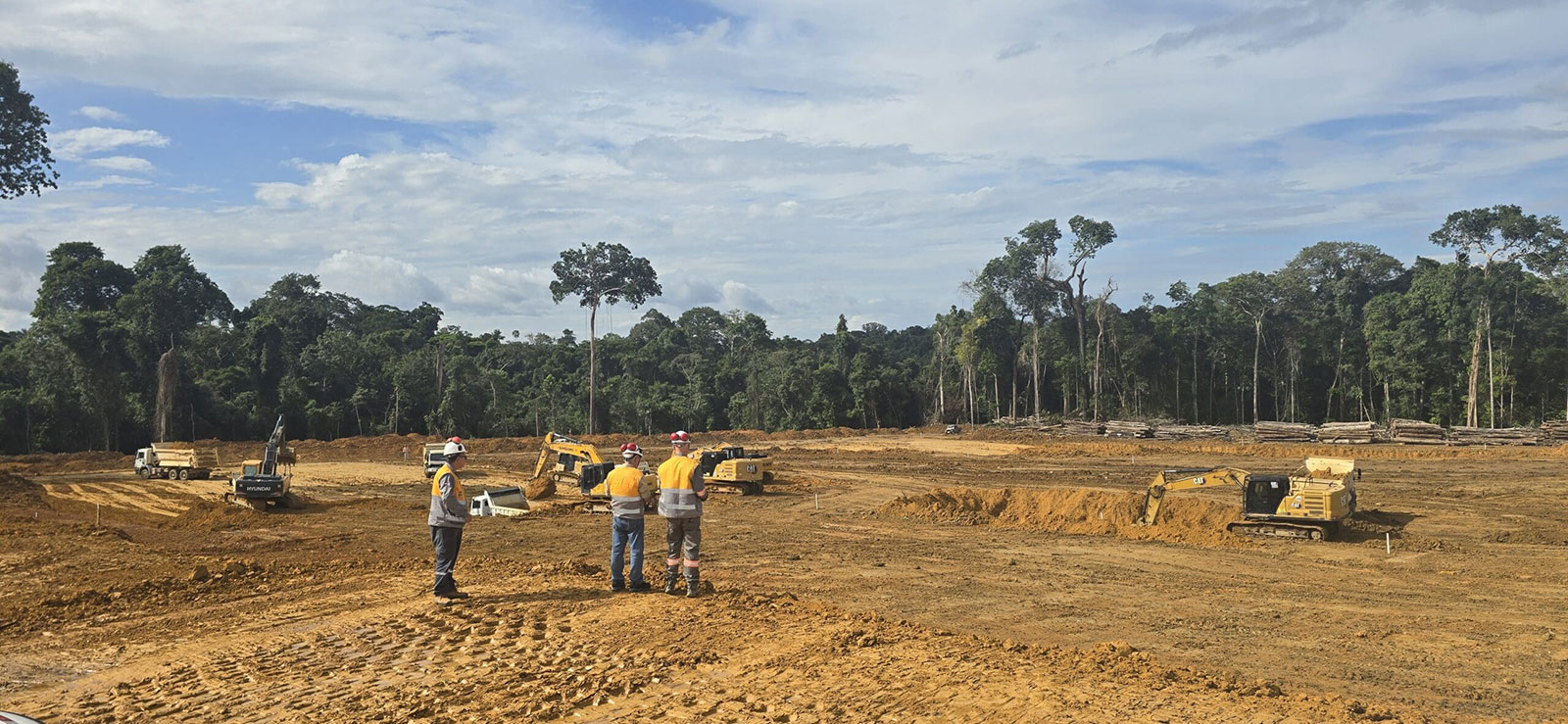
Junior gold developers are using low-capex oxide starters and gold-linked debt to reach cash flow, fund hard-rock exploration, and avoid equity dilution in 2026.
- Junior gold developers are turning to low-capex oxide heap-leach starters to reach cash flow fast, then funding hard-rock exploration with that cash instead of new equity.
- Cabral Gold Inc. financed its entire Cuiú Cuiú Phase 1 heap leach operation in Brazil with a US$45 million gold loan. No equity raise required.
- The Preliminary Feasibility Study (PFS) projects a 78% after-tax internal rate of return (IRR) and a US$73.9 million net present value at a 5% discount rate (NPV5%), at US$2,500 per ounce of gold.
- The company's own materials frame Phase 1 as a means to an end: cash flow that funds the drilling needed to prove up a much larger underlying hard rock resource, not a standalone outcome.
- The model shifts risk. It does not remove it. Starter-phase execution and the still-undefined hard rock resource beneath it remain open questions.
The Financing Problem Facing Junior Developers
Hard rock deposits are what institutional investors want to see. Proving them up through feasibility and into construction takes capital most small-cap balance sheets do not have. The conventional fix has been repeated equity financings, each one diluting existing shareholders, often at a discount to the prevailing share price.
A growing number of developers are sequencing production differently: mine the weathered, near-surface oxide material that sits above the larger primary resource first. Where the cap is thick enough, it comes out of the ground without drilling or blasting and goes through the plant without crushing or grinding. Capital costs drop. Operating costs drop. The economics are often strong enough to carry debt financing on their own, and a developer can reach cash flow in roughly a year rather than the several years a full hard rock build demands. That speed is the point: it buys time and capital without touching the share register.
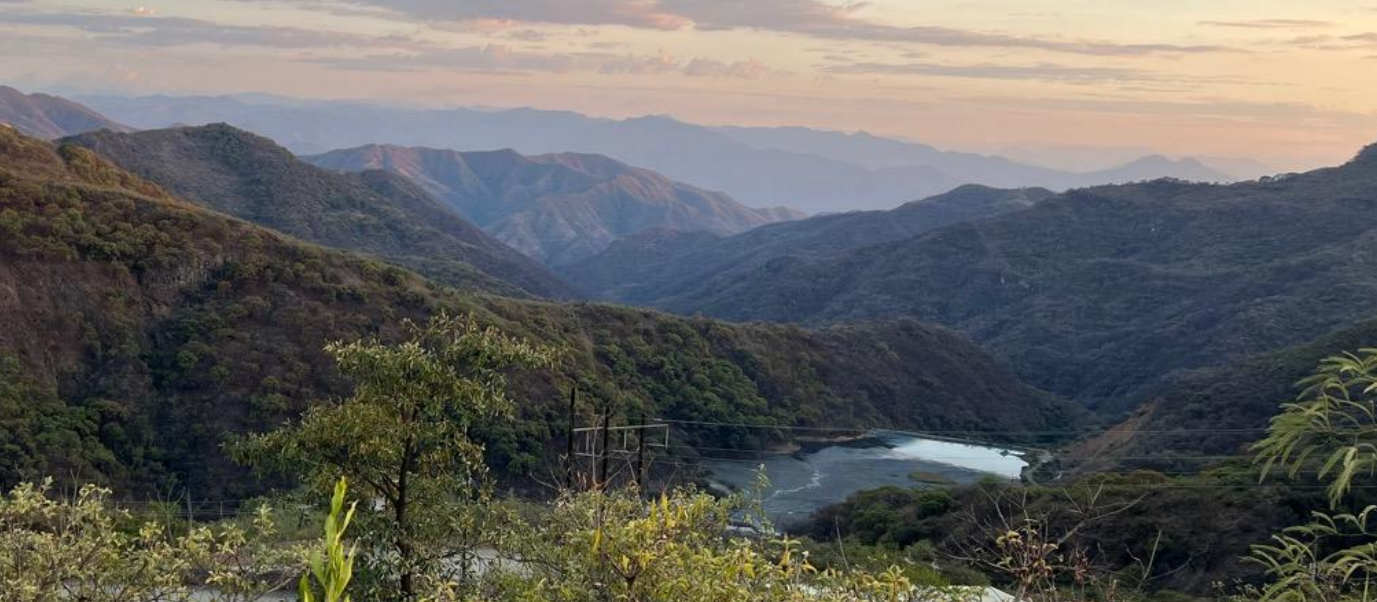
Cabral Gold's (TSXV: CBR | OTCQX: CBGZF) Cuiú Cuiú project in the Tapajós region of Pará state, Brazil, shows how the sequencing plays out on the ground, and where it can still go wrong.
Emerging Practices & Industry Progress
The mechanism is gold-denominated project debt, not conventional equity. A developer borrows against the gold the starter operation will produce, then repays the loan in gold ounces or cash equivalent as production ramps up. The lender's return tracks metal delivered, not share price, so existing shareholders keep their ownership stake and the wider exploration upside stays with them rather than shifting to new equity holders.
Cabral's own version of this structure closed November 26, 2025: a US$45 million senior secured gold loan from Precious Metals Yield Fund, principal denominated in gold, a 39-month term, and one stated goal driving the structure: avoid dilutive equity while expanding the resource base across the wider district.
Remaining Challenges
The oxide starter model concentrates risk. It does not remove it. Commissioning a heap leach circuit for the first time carries real execution risk, more so when construction runs through a rainy season and specialized equipment, an absorption-desorption-recovery (ADR) plant among it, depends on international shipping and on-site assembly. If the operation underperforms the feasibility assumptions on grade, recovery, or costs, the operation throws off less cash than planned, which forces the very equity financing the structure was built to avoid.
The bigger risk sits one step further out. Starter-phase cash flow is meant to fund drilling of a larger hard rock resource, but that resource still has to be found and defined before it can be valued. Gold price sensitivity sharpens the stakes: Cabral's Preliminary Feasibility Study (PFS) shows after-tax internal rate of return (IRR) swinging from 59% at US$2,250 per ounce of gold to 151% at US$3,500 per ounce. That spread is wide enough that the pace of self-funded exploration rides on where gold trades during the starter operation's early years.
Company & Project Examples
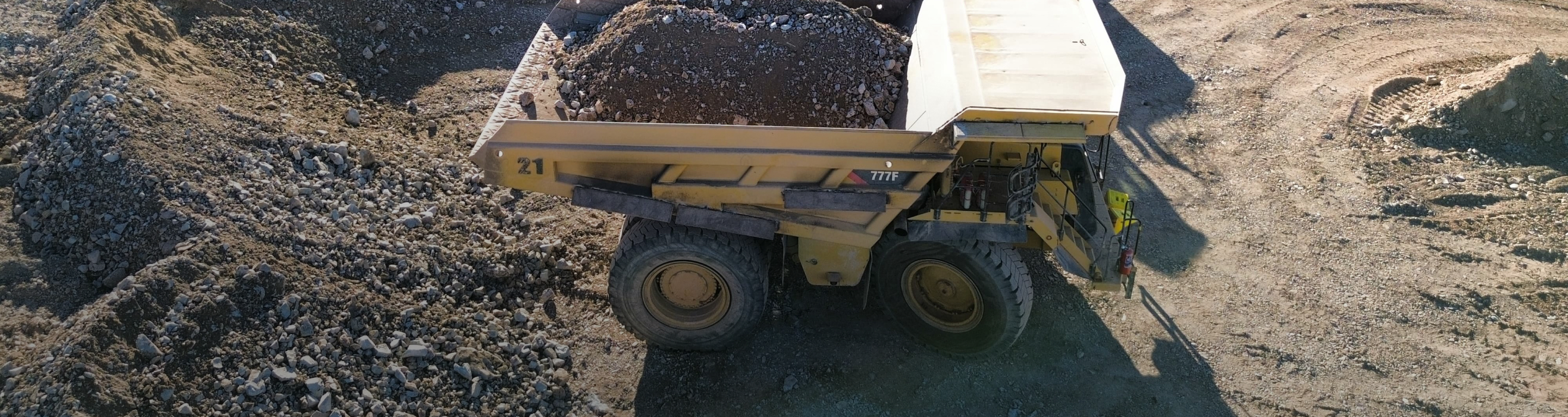
At Cuiú Cuiú, Cabral's Phase 1 operation targets weathered saprolite and blanket material down to roughly 60 meters, sitting above the MG, Central, and Machichie gold deposits. The company calls it free-digging, amenable to heap leach processing with no crushing or grinding required. The PFS, released July 29, 2025, set initial capital expenditure at US$37.7 million, life-of-mine all-in sustaining cost (AISC) at US$1,210 per ounce, and average annual production at approximately 18,500 ounces over a 6.2-year mine life. At the base case gold price of US$2,500 per ounce, the study projects a 78% after-tax IRR and a US$73.9 million net present value at a 5% discount rate (NPV5%).
By July 2026, construction stood approximately 85% complete. The dry circuit was already processing ore; the wet circuit's ADR unit, built in Perth, Western Australia, had shipped to Brazil for assembly. President and Chief Executive Officer of Cabral Gold, Alan Carter, put the payoff in blunt terms:
"There's an enormous profit margin on that material, on that gold that we expect to be producing very quickly."
That margin is what the whole strategy runs on. Cabral also completed assaying on its 165-hole, 5,767-meter reverse circulation (RC) infill program at MG on July 21, 2026, data meant to upgrade the resource classification ahead of mining, not to expand the exploration case. In parallel, 6 drill rigs are testing 4 additional targets, work that management says the starter operation's cash flow is built to sustain going forward.
Regional & Jurisdictional Perspective
Brazil's Tapajós Gold Province explains why an oxide-cap strategy fits here specifically. Brazil's Agência Nacional de Mineração puts the province's placer gold output at an estimated 30 to 50 million ounces between 1978 and 1995, a scale that points to deep, extensive historical weathering across the district. Cuiú Cuiú itself accounted for an estimated 2 million ounces of that production. That weathering is what built the saprolite blanket Cabral's Phase 1 operation now mines. The district also sits next to GMining Ventures' Tocantinzinho mine, Brazil's third-largest open-pit gold operation, commercial since September 2024 and good for approximately 177,000 ounces in 2025. Cabral secured its Full Mining License in March 2026.
Industry Outlook
Whether gold-denominated, non-dilutive financing becomes a more common route for junior developers likely depends on cases like this one proving out: does the starter operation deliver the cash flow the model assumes, and does that cash flow actually fund a hard rock resource worth having? For Cabral, the record starts building now: commercial production targeted for the fourth quarter of 2026, an updated resource estimate expanding from 3 to 6 modeled deposits by year-end, and a Preliminary Economic Assessment (PEA) on the larger hard rock resource planned for 2027. Investors backing this model are underwriting two bets at once: that the starter operation performs as engineered, and that the exploration it funds finds what the geology suggests is there.
FAQs (AI-Generated)
Analyst's Notes





Subscribe to Our Channel

Stay Informed






















