TRX Gold Targets 5,500 tpd at Buckreef Using Its Existing Flowsheet


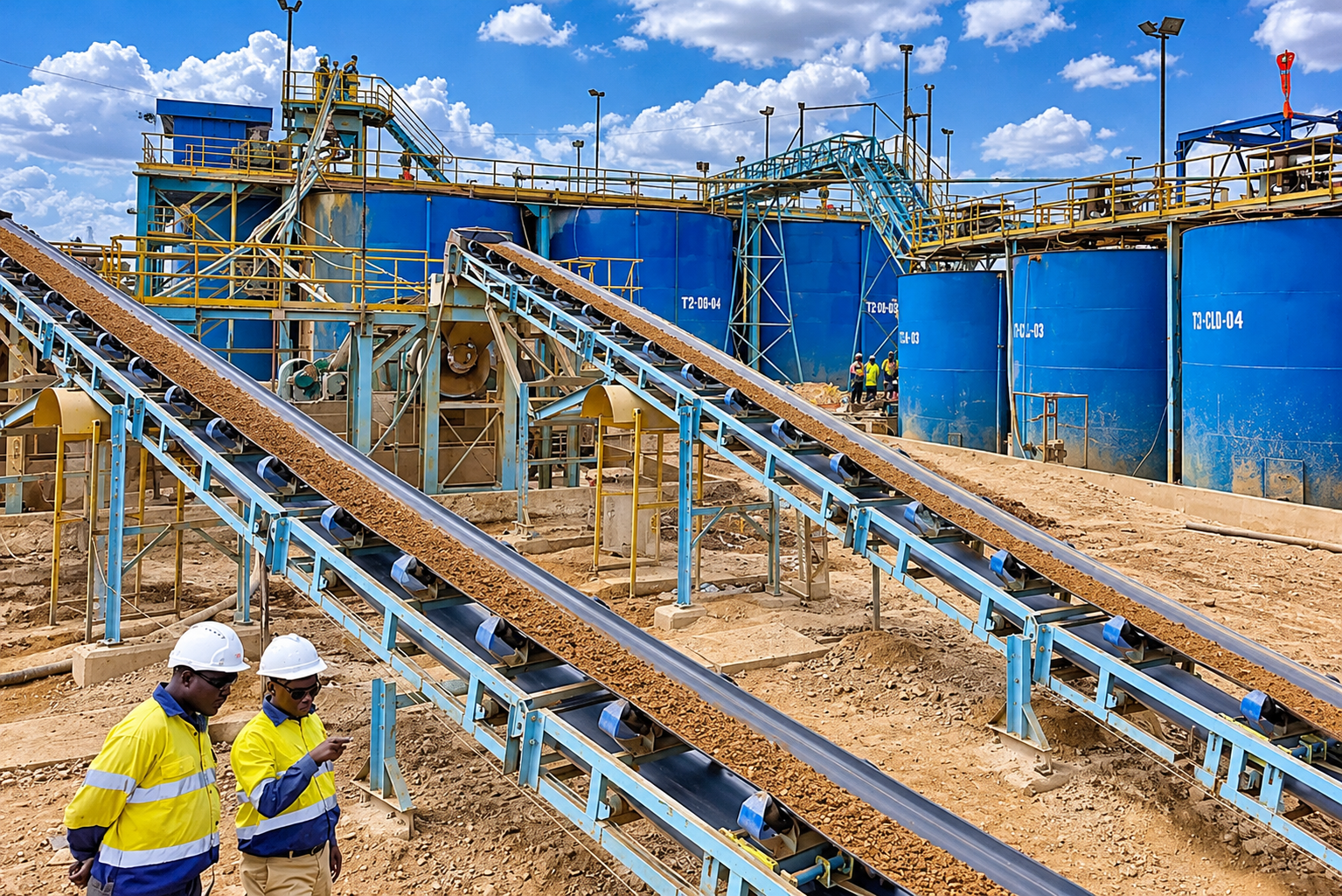
TRX Gold's 5,500 tpd Buckreef expansion reuses its crush, grind and CIL flowsheet and builds on a 2025 PEA that management says used real operating costs.
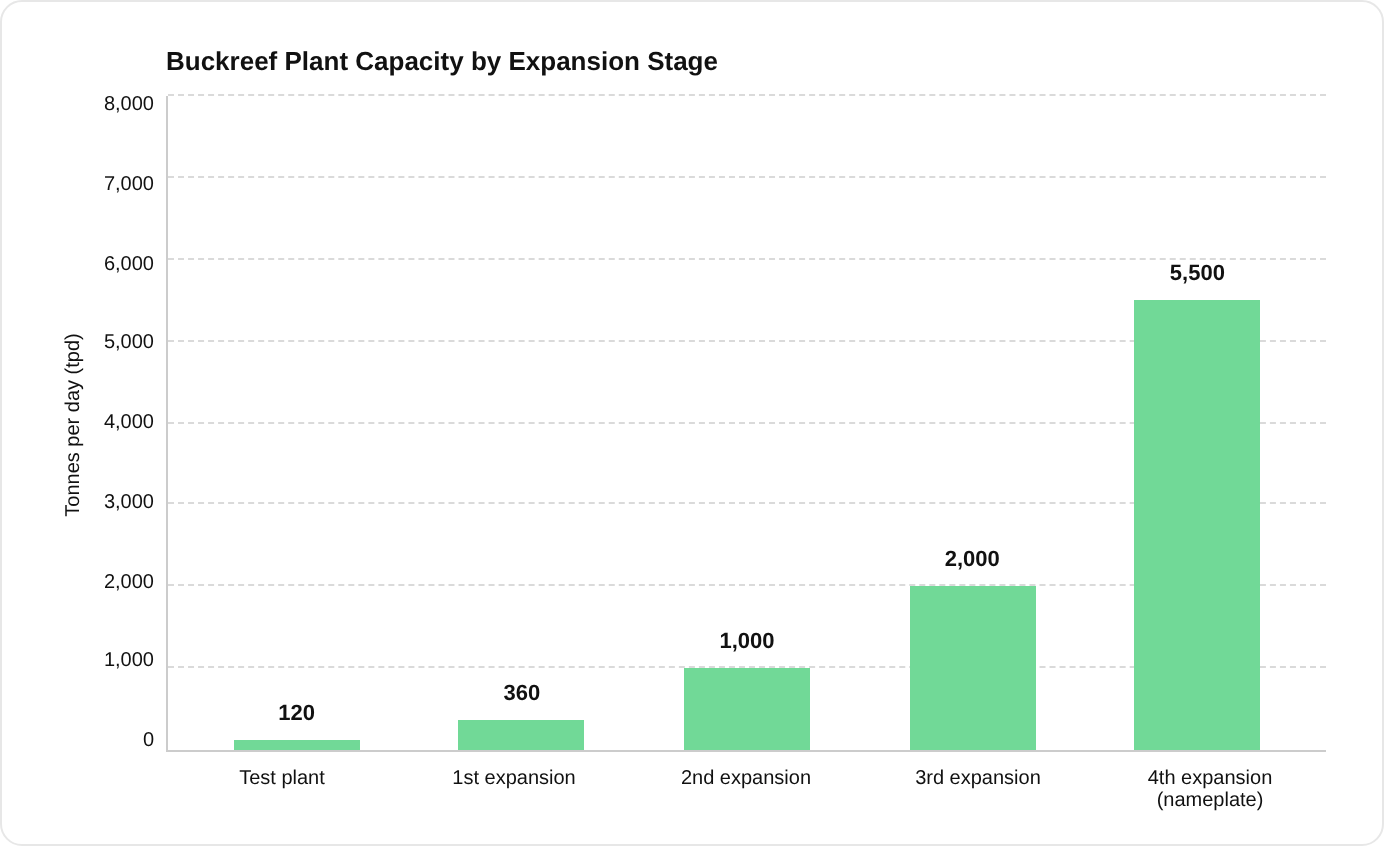
- TRX Gold is adding a 3,500 tonnes per day (tpd) semi-autogenous grinding and ball mill circuit at Buckreef, alongside the upgraded 2,000 tpd plant, for combined nameplate capacity of 5,500 tpd.
- The processing route stays crush, grind, and carbon-in-leach at the existing plant, which grew through 3 completed expansions delivered on time and on budget.
- The new mill is built for harder rock: about 80% of the resource is sulfide, and management says the circuit needs no pressure oxidation or bioleach.
- TRX Gold says the 2025 preliminary economic assessment used real operating costs, capital expenditures, recovery rates, and grind sizes, with the updated study targeted for the end of 2026.
- TRX Gold is evaluating an open pit of about 5 years before underground development, a longer open-pit phase than the 2025 study.
TRX Gold Corporation (TSX: TRX | NYSE American: TRX) is building a 3,500 tonnes per day (tpd) mill circuit at the Buckreef Gold Project in Tanzania's Geita District on a processing route the company already operates. The plant has grown from a 120 tpd test plant to 360 tpd, 1,000 tpd and then 2,000 tpd through 3 expansions completed on time and on budget. The fourth expansion adds a semi-autogenous grinding (SAG) and ball mill circuit next to the upgraded 2,000 tpd plant, for a combined nameplate capacity of 5,500 tpd versus 3,000 tpd in the 2025 preliminary economic assessment (PEA).
The Flowsheet Carries Over, With a New Mill for Harder Rock
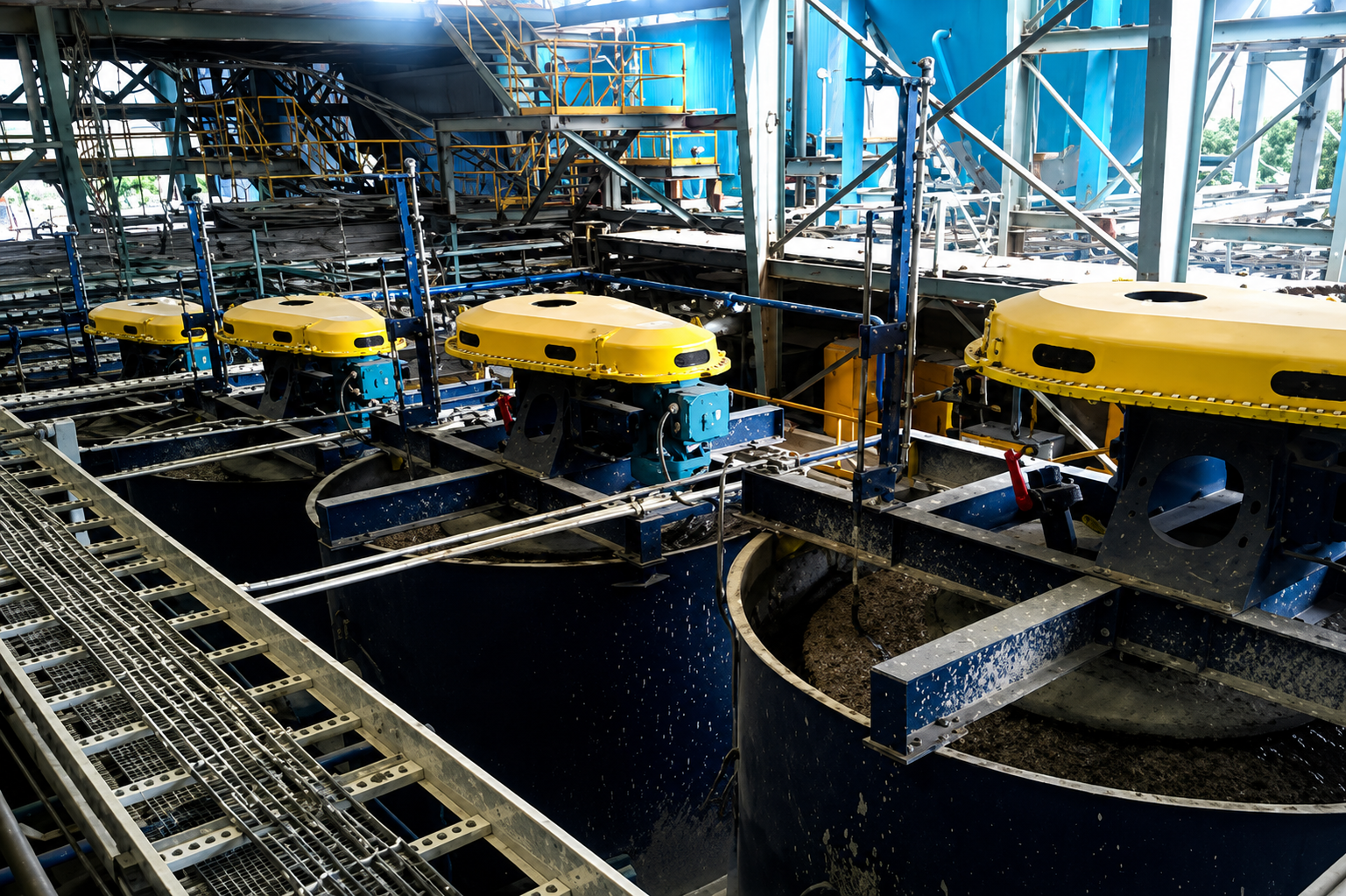
Buckreef recovers gold through a crush, grind, and carbon-in-leach (CIL) circuit, and the larger plant keeps that route.
Chief Financial Officer of TRX Gold, Michael P. Leonard, described the milling route:
"It's a crush, grind, CIL circuit. So, it's not a science project when it comes to milling."
Leonard said the resource is about 20% oxide and 80% sulfide, with the SAG mill grinding the harder rock to 75 microns, passing 80%, and no pressure oxidation or bioleach circuit needed. The deposit also comes to the surface, and the 2025 study modeled a strip ratio of about 6:1, which, with the current route, supports a low-cost operation.
A 2025 Study Built on Operating Data
The 2025 PEA modeled a 3,000 tpd mill, average annual production of 61,700 ounces over a 17.6-year mine life, and a pre-tax net present value at a 5% discount rate (NPV5%) of US$1,878.5 million at US$4,000 per ounce of gold. Growth capital totals US$88.7 million over the first 4 years, and TRX Gold says operating cash flow can fund that amount. The study's average annual free cash flow is US$102.6 million.
Leonard described the inputs behind the study:
"It used real data, real operating costs, real capital expenditures, real recovery rates, real grind sizes."
The existing plant supplies the current operating base. In the third quarter of 2026, throughput reached a record 1,690 tpd, up 16% from 1,461 tpd a year earlier, and gold recovery improved to 84.9% from 67%.
The 2025 study left out some of the inferred material that the splays and parallel shear zones off the Main Zone could add. TRX Gold plans to drill that material to raise confidence, and some of it could enter the next study.
The Update Targets a Longer Open Pit & 5,500 tpd Nameplate
The updated PEA is being built around a new mine plan with the company's mining consultants and mine engineers. The 2025 study mines the open pit in years 1 to 4, with underground mining starting in year 3. A higher gold price has added material to the pit design, and TRX Gold is evaluating an open pit of about 5 years before underground development begins.
TRX Gold is targeting the end of 2026 for the updated PEA, with possible movement into early 2027. The updated scope covers 5,500 tpd nameplate capacity, with average annual production targeted above the 61,700 ounces modeled in 2025.
The updated PEA will set the open pit length, the underground start, and the economics at 5,500 tpd on a flowsheet the company calls straightforward.
FAQs (AI-Generated)
Analyst's Notes





Subscribe to Our Channel




Stay Informed