




The 4 Milestones Behind TRX Gold's Push Toward 80,000 Ounces at Buckreef


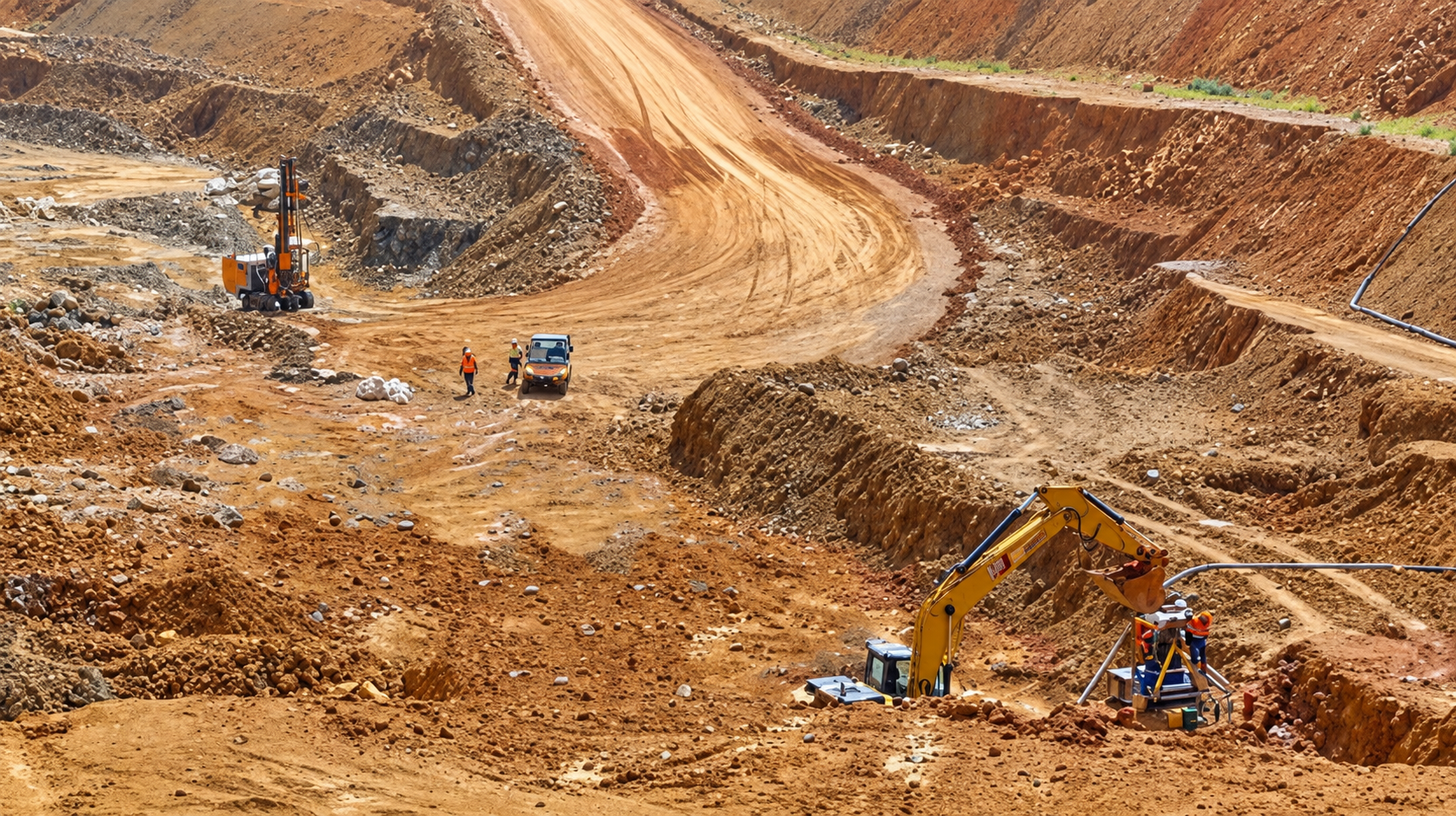
TRX Gold's MVGDXJ addition shifts focus to drilling, an updated PEA, the Buckreef plant expansion, and STAMICO talks behind an 80,000-ounce ambition.
- TRX Gold was added to the MVIS Global Junior Gold Miners Index on September 21, 2026, and about 70% of its shares are held by retail investors.
- Fiscal 2026 production of 29,650 ounces compares with a stated ambition of 80,000 to 100,000 ounces per year, above the 61,700-ounce annual average in the company's 2025 study.
- A new 3,500+ tonnes-per-day mill will raise nameplate capacity to 5,500 tonnes per day, but management says mining rates will determine initial throughput.
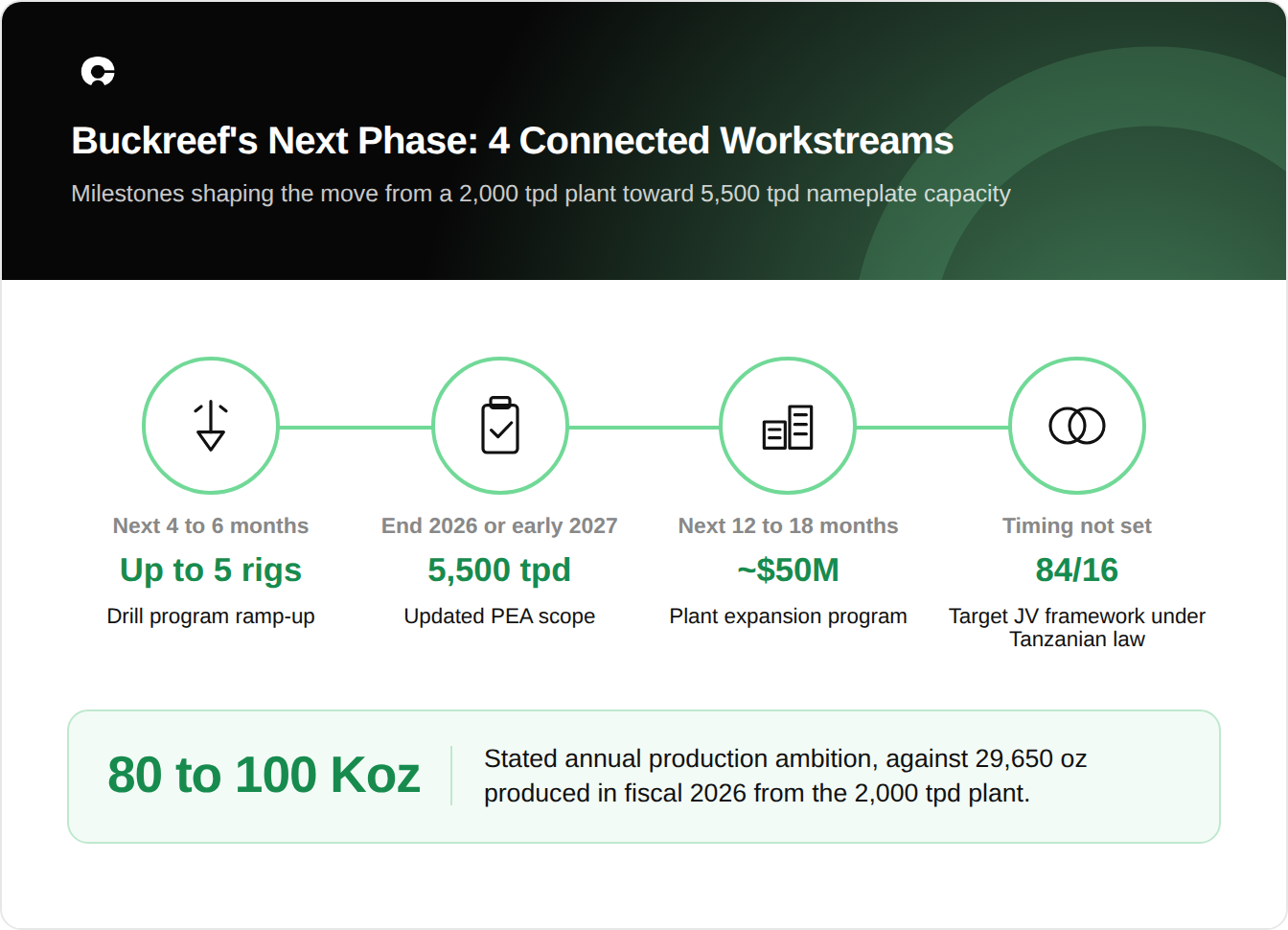
- Up to 5 drill rigs are planned over 4 to 6 months, and an updated preliminary economic assessment (PEA) incorporating new drill results is targeted for late 2026 or early 2027.
- The joint venture renegotiation with the Tanzanian government partner, State Mining Corporation (STAMICO), proceeds in parallel with the build and is not a condition of the expansion.
What Has Happened
TRX Gold Corporation (TSX: TRX | NYSE American: TRX) became a constituent of the MVIS Global Junior Gold Miners Index (MVGDXJ) on September 21, 2026, at its third-quarter rebalance. It follows TRX's addition to the S&P/TSX Global Mining Index, announced on March 28. The MVGDXJ tracks the most liquid small-cap gold and silver miners, each of which must derive at least 50% of its revenue or mineral resources from gold or silver.
Many large investment funds use the MVGDXJ as a benchmark, and the VanEck Junior Gold Miners ETF (GDXJ) seeks to replicate its performance before fees and expenses. TRX has said the addition positions it for possible inclusion in related funds and exchange-traded funds, including GDXJ. With a register of about 70% retail, 15% institutional, and 15% management and friends and family, the change widens the pool of funds able to own the stock.
TRX produced 29,650 ounces of gold in fiscal 2026, meeting guidance of 25,000 to 30,000 ounces, from a 2,000 tonnes per day carbon-in-leach plant. Management is targeting an annual production of 80,000 to 100,000 ounces. That figure is a stated ambition, not an output the current configuration supports: the 2025 preliminary economic assessment (PEA), modeled at 3,000 tonnes per day, projected an average of 61,700 ounces per year.
How the 4 Workstreams Connect
The 4 workstreams shape how far and how fast Buckreef moves toward that range: drilling, the updated PEA, the plant expansion, and the renegotiation of the joint venture with State Mining Corporation (STAMICO). They do not form a single sequence. Drilling expands the information base; those results inform the updated PEA; the PEA provides the longer-term mine plan; and the expanded plant provides the processing capacity to support a larger resource base.
The STAMICO negotiation proceeds alongside that chain. It governs how Buckreef's cash flow is shared, not how much ore reaches the mill, and management has said it is not a condition of the expansion.
Drilling Feeds Ore Sources as Well as Ounces
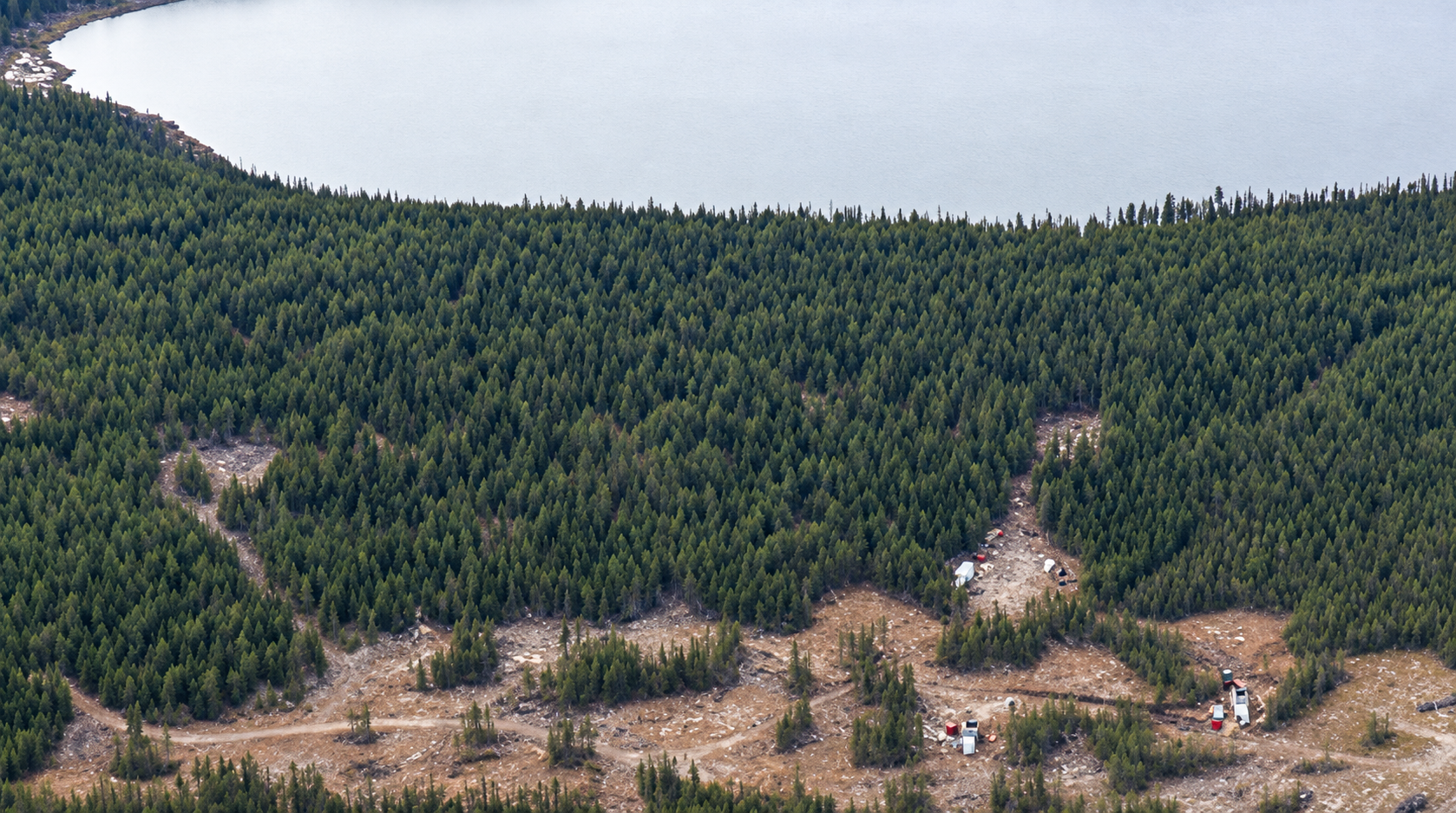
TRX has 2 drill rigs on the property, a 3rd in transit to site, and a 4th on order, with Chief Executive Officer Stephen Mullowney targeting up to 5 rigs within 4 to 6 months. The fiscal 2026 exploration budget of US$3 to 5 million covered geophysics, resource drilling at the Main Zone, exploration drilling at the Stamford Bridge Zone, and reverse circulation drilling at Eastern Porphyry.
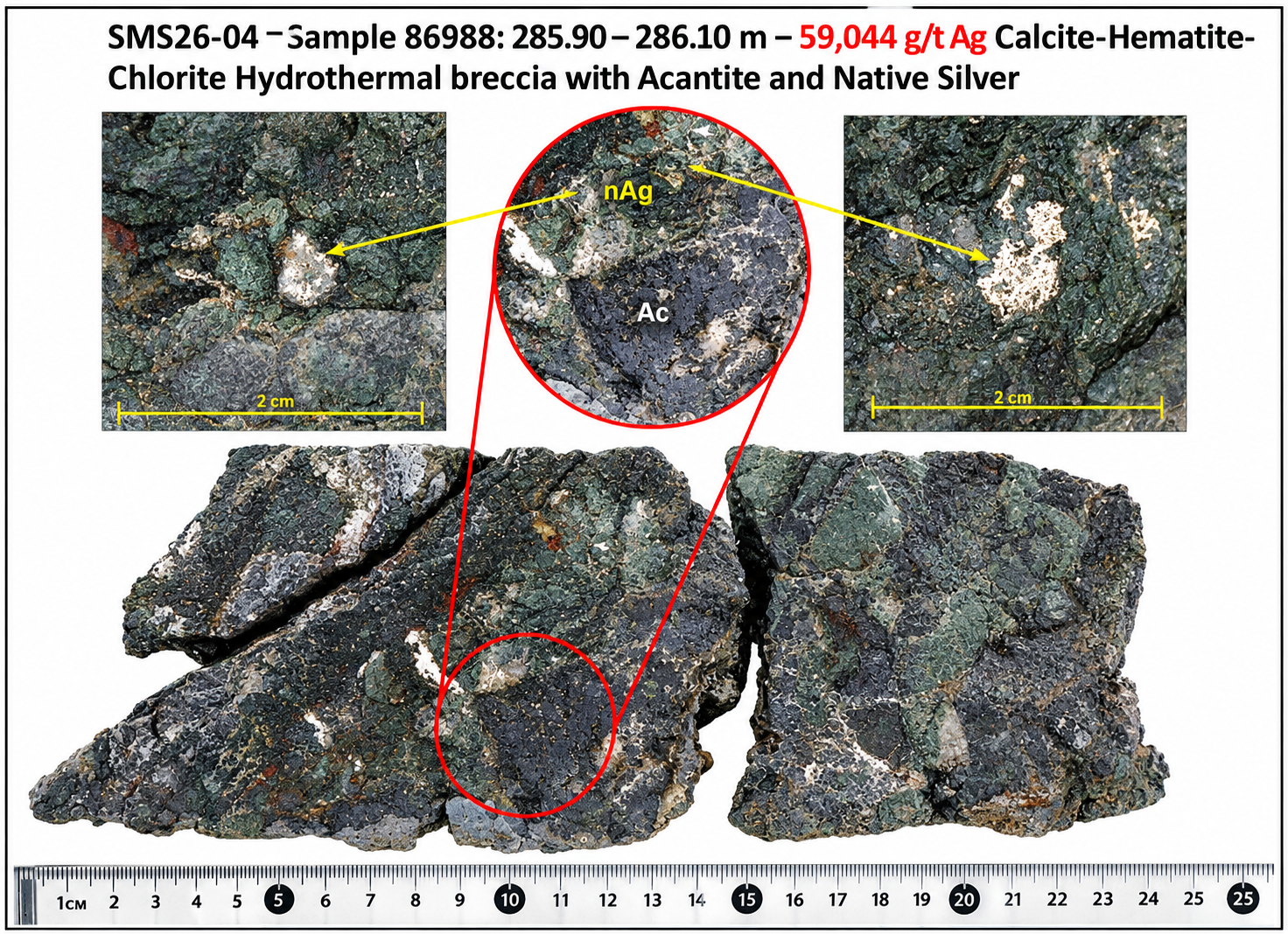
Stamford Bridge, 250 meters from the Buckreef Main Pit, has returned the best drill results in the project's history, including 37 meters at 6.86 grams per tonne gold from 130 meters in one hole. The April 2025 resource estimate includes 47,000 ounces of inferred resource at Stamford Bridge grading 5.38 grams per tonne gold. At the Main Zone, which remains open along strike and at depth, Mullowney has said the deepest hole reached 750 meter, and the resource does not extend near that depth.
Mullowney described the limit on the existing pit as one of working space more than contained metal:
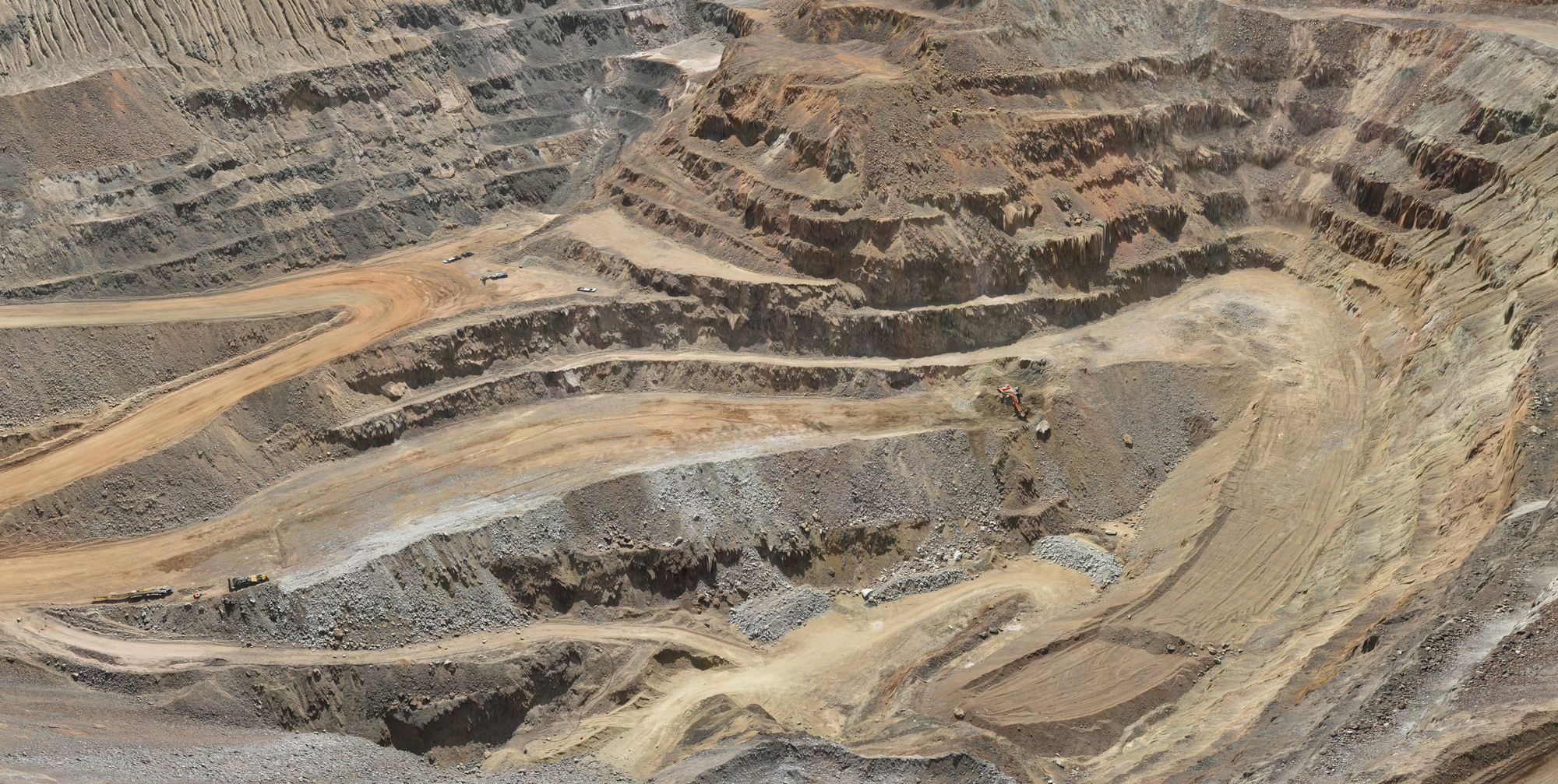
"It's going to be hard to get enough ore out of the existing Buckreef main pit. You got size constraints. Maybe not so much resource constraint, but certainly maneuverability constraints. Once you open up different mining areas, that becomes less and less."
Results from Stamford Bridge, Eastern Porphyry, and Anfield therefore bear on how many mining areas can supply ore simultaneously, as well as on the size of the resource.
The Updated PEA Resets the Mine Plan
TRX is targeting the updated PEA for the fourth quarter of 2026, though Mullowney has indicated it could move into early 2027 as new drill results are incorporated. The scope lifts modeled capacity from 3,000 tonnes per day to 5,500 tonnes per day nameplate, from the new 3,500+ tonnes per day plant and the existing, upgraded 2,000 tonnes per day plant.
The mining sequence is also changing. Under the 2025 PEA, open-pit mining was scheduled for years 1 to 4, with underground production from year 3 onward, and TRX is extending the open pit in the update. At current gold prices, a longer open pit delivers the same profitability as underground mining, defers underground capital, allows more time to plan that transition, and keeps open the option of mining both at once to raise the mining rate.
The update will be measured against a 2025 PEA that outlined a 17.6-year mine life, cash costs of US$1,017 per ounce, all-in sustaining costs (AISC) of US$1,199 per ounce, and a pre-tax net present value (NPV5%) of US$1,878.5 million at a gold price of US$4,000 per ounce. Management is targeting cash costs similar to those in the 2025 study at a larger scale and aims to include an internal rate of return (IRR) this time; the 2025 study did not state one because, with the build self-funded, the company regarded the figure as infinite.
Mill Capacity & Mining Rate: Why Nameplate Differs From Initial Throughput
The expansion adds a new semi-autogenous grinding and ball mill circuit of 3,500+ tonnes per day adjacent to the existing plant, along with an expanded tailings storage facility. Mullowney puts the program at about US$50 million over the next 12 to 18 months, with part of that already incurred. The mills are ordered from a South African supplier, and a tailings contractor is on site. TRX is funding the build from operating cash flow and existing liquidity, and management has said any additional capital would come from debt markets.
Mullowney does not expect the Buckreef Main Zone alone to fill that capacity at the outset:
"We don't believe, given the way the Buckreef Main Zone is currently configured, we'll get to 5,500 tons. The mining rates will determine what the processing rate is going to be originally, and then we'll go around and find other deposits around our property to supplement that."
Initial output from the expanded plant therefore depends on the volume of ore the mine can deliver: fleet size, contractor capacity, grade control and room to work within the pit. Drilling determines where supplementary ore can be sourced, and the updated PEA will set out how the higher mining rate will be implemented.
Recovery reached 84.9% in the third quarter of fiscal 2026, up from 67% a year earlier, and Mullowney puts current recoveries in the 85% to 90% range. Processing cost rose to US$25.66 per tonne from US$14.60 per tonne over the same period; management is targeting lower per-tonne costs as hydrogen peroxide use in the existing plant comes offline, the upgraded crushing circuit takes effect, and the larger plant adds scale.
STAMICO Negotiation Proceeds in Parallel
Buckreef is held 55% by TRX and 45% by STAMICO. Under the current structure, TRX repays its roughly US$30M loan to the joint venture first, and any dividends thereafter are split 55/45. TRX holds 4 of the 7 board seats, which puts dividend policy and the project's direction more in its hands.
TRX is negotiating with the government's negotiating team and the Attorney General's office to move the 2012 agreement into Tanzania's legal framework, with an 84% interest to the investor and a 16% free-carried interest for the government. The company has linked part of the market's view of TRX to the joint venture's complexity.
Broader Context & What to Watch Next
Index inclusion changes who can hold TRX; the tests benchmark-tracking and institutional holders apply are operational. There are 3 markers for the next 12 months: operating results, continued progress on the expansion, and delivery of the updated study.
The drill program has a clear checkpoint: reaching a rig count of 5 within 4 to 6 months, alongside further results from Stamford Bridge and Eastern Porphyry. For the PEA, the checkpoints are whether the release occurs in the fourth quarter of 2026 or moves into early 2027, whether TRX includes an IRR, and how the company reconciles the mining rate with the 5,500 tonnes per day nameplate capacity. Plant progress can be tracked against the 12- to 18-month window and the roughly US$50 million budget.
TRX has completed 3 plant expansions since 2021, which the company reports were self-funded, on time, and on budget. For the 4th expansion, the mills are on order, and the pace at which the new capacity fills depends on the drill program and the mine plan in the updated PEA.
FAQs (AI-Generated)
Analyst's Notes





Subscribe to Our Channel




Stay Informed






















