




US Removes 50% Salt Surcharge, Strengthening Canadian Suppliers’ Cost Competitiveness



Contract terms, delivery costs, and construction progress determine how Canadian salt suppliers turn US tariff savings into cash flow.
- The US removed the additional 50% Section 338 duty on eligible Canadian salt effective September 15, 2026, lowering import costs for covered shipments.
- Tariff savings can lower customer prices or increase supplier margins, depending on who pays the duty and how contracts divide the benefit.
- Road de-icing creates recurring salt demand, while weather and application methods affect consumption, suppliers’ sales volumes, and revenue.
- Tariff relief strengthens the sales case for developers targeting US customers, while financing, construction, and customer contracts determine when planned production can generate cash flow.
- The policy change is bullish for eligible exporters’ cost competitiveness; gains in producer cash flow or developer value depend on capturing savings through profitable sales.
Salt Tariff Relief Improves Canadian Suppliers’ US Competitiveness
The September 8, 2026 presidential proclamation removed the additional 50% Section 338 duty on eligible Canadian salt effective September 15, lowering import costs for covered shipments. This allows Canadian suppliers to compete for US business through lower customer costs without requiring a rise in salt prices.
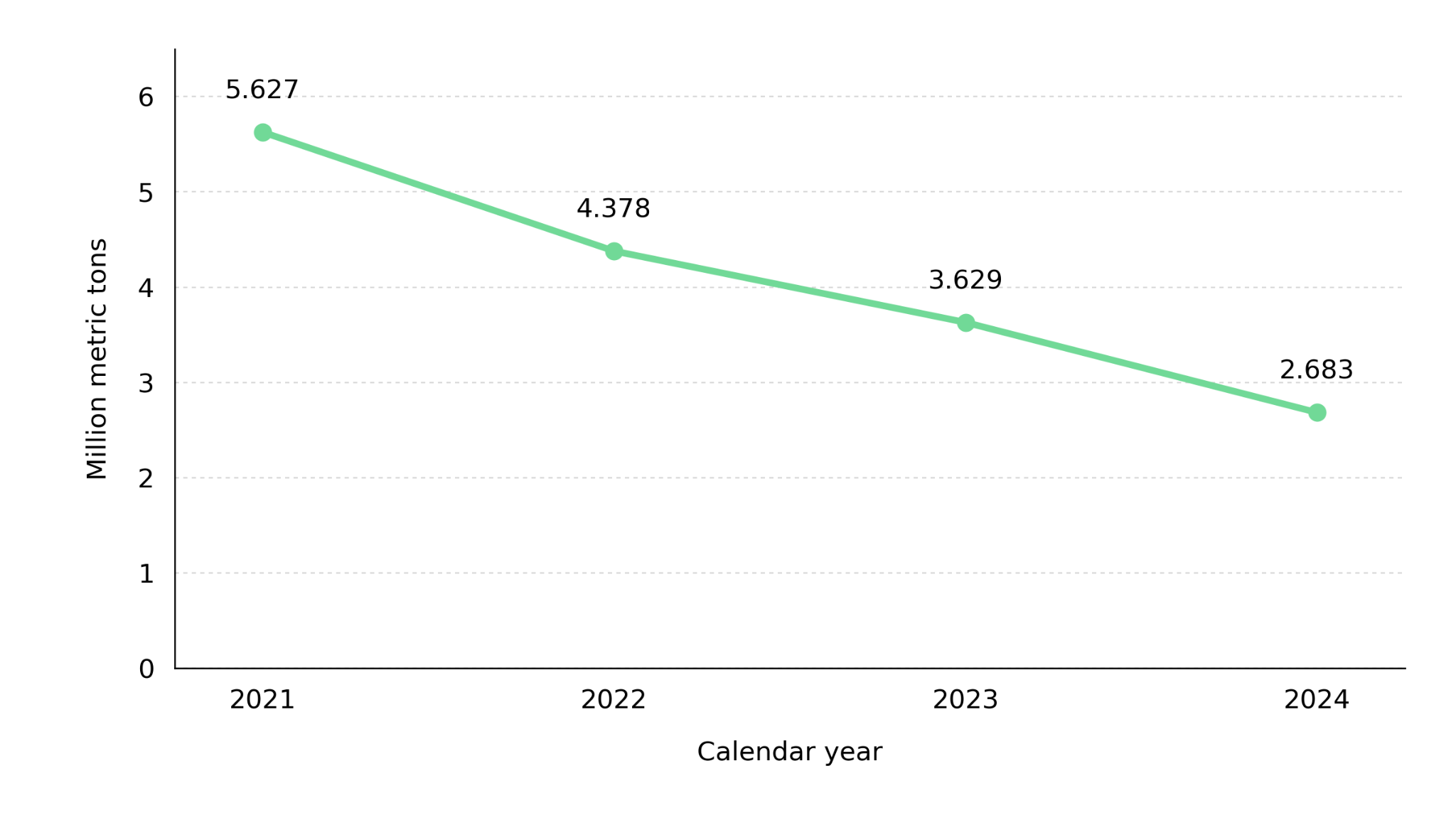
Contract terms determine whether customers retain the tariff savings through lower delivered prices or suppliers capture part through higher margins. For developers targeting US sales, the benefit to future cash flow depends on eligible export volumes, the share of savings retained, and the timing and cost of bringing planned production into operation.
50% Surcharge Removal Lowers US Import Costs for Eligible Canadian Salt
Removing the additional 50% duty reduces import costs for eligible Canadian salt. Whether suppliers retain the savings as higher margins depends on who pays the duty and how sales contracts set prices.
Annex I, Part B, removes Canadian salt and pure sodium chloride under tariff code 2501.00.00 from the additional 50% duty imposed under Section 338 of the Tariff Act of 1930. The exclusion eliminates a charge calculated as 50% of customs value, reducing import costs for eligible shipments. Comparing final customer prices still requires accounting for any other applicable duties and delivery costs.
Annex II amends the US Harmonized Tariff Schedule (HTSUS) to remove the salt subheading from the additional-duty list. The relief applies to eligible Canadian salt entered for US consumption, or withdrawn from warehouse for consumption, on or after September 15, 2026. Product classification, Canadian origin, and entry timing determine whether a shipment qualifies for the lower import charge. The annex directs classification questions to US Customs and Border Protection (CBP), helping suppliers establish the tariff treatment to use in customer quotations and export cost forecasts.
Salt Tariff Relief Expands Suppliers’ Pricing & Margin Options
Removing the duty lowers import costs, while contract terms determine whether the savings reduce customer prices, increase supplier margins, or are shared between them. These benefits can arise without an increase in the underlying salt price.
For an illustrative shipment with a customs value of US$100, the additional 50% duty adds US$50. Removing it reduces the customs value plus that duty from US$150 to US$100, a 33.3% decline, excluding freight, insurance, taxes, and other duties. The reduction in the customer’s final price depends on those additional costs and how the contract allocates the savings. A supplier could maintain its selling price while the customer pays less, or negotiate to retain part of the savings as a higher margin.
If a customer pays the duty separately and the supplier’s invoice stays unchanged, removal reduces the customer’s import cost. If a supplier pays the duty within a fixed delivered price, removal can increase its margin, provided other costs remain unchanged. Repricing clauses and negotiations determine how much of the saving each party retains. Customer price comparisons should match product specifications, destination, volumes, and delivery terms to avoid attributing unrelated price differences to tariff relief. Supplier cash-flow forecasts should reflect the savings retained after price adjustments, alongside the costs of fulfilling those sales.
Recurring Road Maintenance Supports Annual Salt Supply Contracts
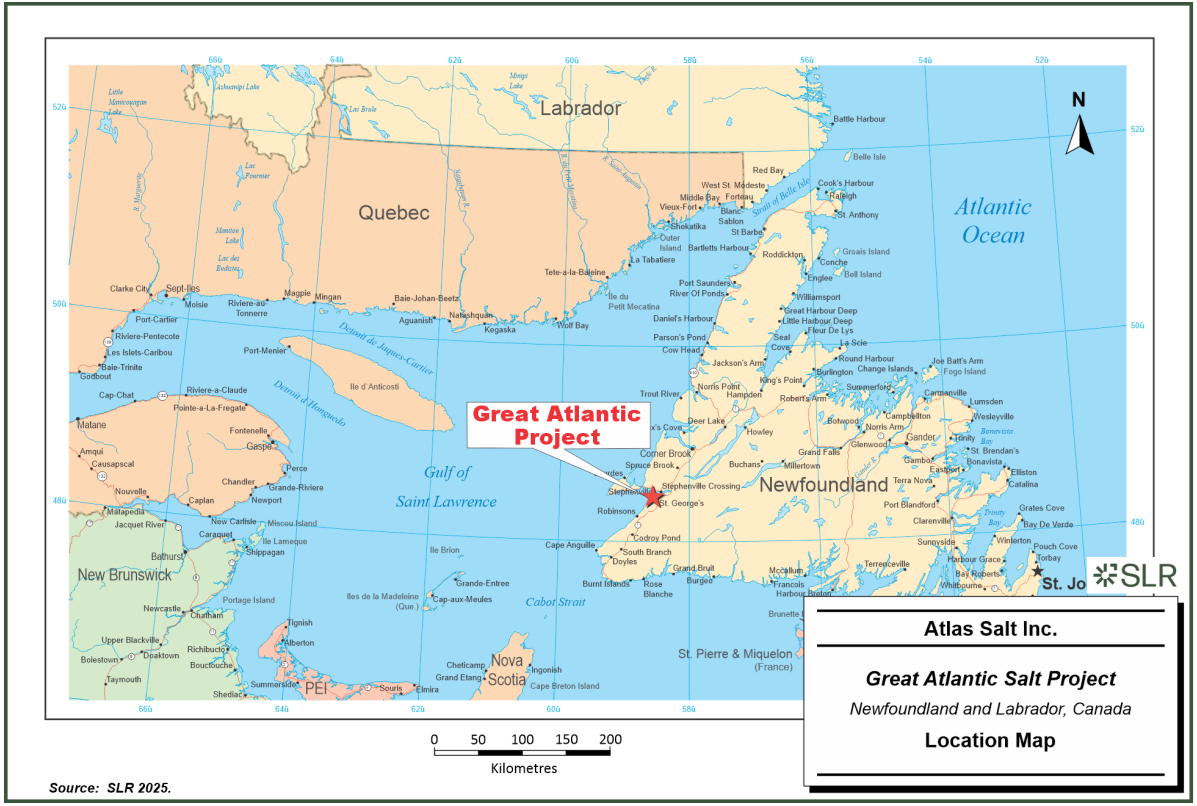
Recurring road maintenance supports annual salt tenders, through which public buyers secure supplies and set prices for the coming year. The purchasing cycle provides the sales context for Atlas Salt’s Great Atlantic project, which is targeting 4.0 million tonnes of annual road salt production for Eastern Canada and the US Northeast. The company’s September 29 release recaps feasibility projections of C$188 million in average annual after-tax free cash flow (FCF) over a 24.3-year mine life. Securing profitable customer contracts and funding construction would be necessary to turn that planned capacity into cash flow.
Nolan Peterson, Chief Executive Officer of Atlas Salt, explains how public buyers secure annual salt supplies:
“Thinking about road safety and infrastructure security, they traditionally buy the salt on year-long contracts. They'll issue a tender in the spring and the summer. The suppliers will bid on it and that will be the price that they pay over the year.”
Weather & Application Methods Shape Road Salt Demand
The Maine Department of Transportation (MaineDOT) uses rock salt as its primary snow and ice treatment across approximately 8,200 lane miles and generally plans for about 30 treatable winter events. Salt consumption varies with weather and application methods, so these planning figures do not establish a fixed annual purchasing volume. MaineDOT also reduces salt use by spraying it with salt water during application, helping it remain on the pavement. Tariff relief can lower the cost of Canadian offers, while developers’ revenue forecasts still depend on documented customer requirements, achievable selling prices, and delivery capacity.
Retained Tariff Savings Can Increase Salt Project Value
Tariff relief can increase a project’s future cash flow if suppliers retain part of the saving or secure additional profitable sales. Any projected gain should be tested against the published feasibility assumptions for export volumes, selling prices, operating costs, capital spending, and production timing, with tariff eligibility verified separately.
Net present value (NPV) measures a project’s projected cash inflows less outflows, discounted to today at a stated rate. Internal rate of return (IRR) is the discount rate at which those cash flows produce an NPV of zero. Tariff relief can improve these measures if retained savings or additional profitable sales increase net project cash flow. Revised calculations should account for eligible US sales volumes, savings retained through pricing, and additional delivery costs, while keeping other assumptions consistent to isolate the tariff benefit. The 50% duty applies to shipment customs value, so its removal cannot be treated as a 50% increase in project NPV.
Tariff Relief’s Duration Shapes Long-Term Salt Export Value
Removing the additional 50% duty lowers import costs for eligible Canadian salt, giving suppliers more room to compete for US contracts. Its contribution to long-term project value depends on how long the exclusion remains in place and whether suppliers capture the benefit through higher margins or additional profitable sales.
Higher Trade Costs Can Reduce Salt Export Margins & Project Value
The proclamation keeps the HTSUS changes in force unless the action is subsequently changed or ended. Projects targeting long-term US sales should compare cash flow and NPV under the current exclusion with scenarios that include higher import charges. Those comparisons show how much project value depends on tariff relief and whether projected sales remain profitable under different trade costs.
Comparable customer offers, contract terms, and supplier costs can show whether tariff savings lower delivered prices, increase supplier margins, or both. Producers’ realized margins help measure the benefit already captured, while developers’ projected gains depend on funded construction schedules and profitable customer agreements. Those distinctions support valuations based on retained cash flow and achievable production dates.
The Investment Thesis for Salt
- Producers shipping eligible Canadian salt to the US can use tariff savings to lower customer prices or increase margins, depending on contract terms.
- Developers targeting US road salt sales need funded construction plans, documented permitting progress, and commissioning schedules to turn planned capacity into revenue.
- Road maintenance supports recurring salt purchases, while weather and application efficiency affect annual volumes, making customer purchasing records important inputs to revenue forecasts.
- Lower production and delivery costs increase margins at a given selling price, while controlled capital spending reduces the cash required to bring new capacity into operation.
- Explorers’ valuations should reflect drilling results, resource estimates, and progress toward economic studies and permits, with prospective tariff benefits tied to a credible production plan.
Removing the additional 50% duty lowers import costs for eligible Canadian salt, creating room for lower customer prices or higher supplier margins. Favor producers with demonstrated cash generation and developers with credible funding and construction plans that support profitable production. Competitive production and delivery costs, supported by controlled capital spending, strengthen the ability to earn margins under different trade conditions. Assess the export opportunity through savings retained and achievable cash flow, treating tariff relief as one contributor to long-term value.
TL;DR
The US removed the additional 50% duty on eligible Canadian salt effective September 15, 2026, lowering import costs and improving suppliers’ ability to compete. Contract terms determine whether savings reduce customer costs, increase supplier margins, or benefit both. Road maintenance supports recurring demand, although weather and application methods affect annual consumption. Developers need financing, permits, construction, and commissioned operations before planned sales generate revenue. The opportunity rests on competitive production and delivery costs, savings retained, and achievable cash flow, while long-term project valuations should account for possible changes in tariff treatment.
FAQs (AI-Generated)
Analyst's Notes





Subscribe to Our Channel


.jpg)







Stay Informed


