West Red Lake Gold & Madsen Shaft Refurbishment: 7 Things You Need to Know


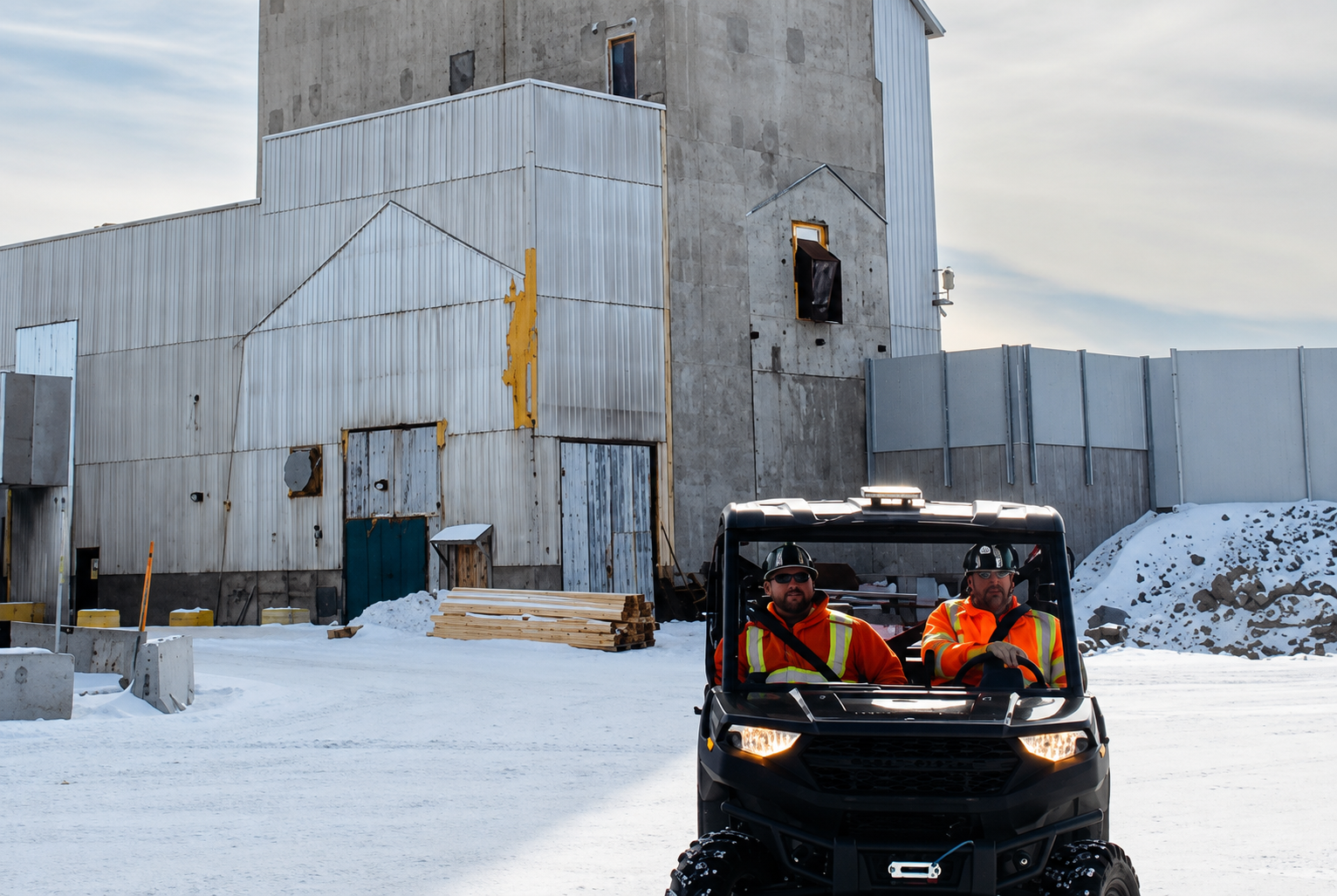
West Red Lake Gold completed Phase 1 of the Madsen shaft refurbishment, establishing 200 tonnes per day of hoisting capacity and advancing its phased expansion
Project Overview
West Red Lake Gold Mines Ltd. (TSXV: WRLG) has completed Phase 1 of its Madsen Mine shaft refurbishment while continuing to ramp up underground production at the Ontario gold operation. The update establishes an operating shaft configuration at approximately 200 tonnes per day and sets out a staged pathway toward approximately 700 tonnes per day in the second half of 2027 and approximately 2,000 tonnes per day in the second half of 2028, linking the infrastructure program directly to the company's planned expansion of underground mining.
1. Phase 1 Establishes the Initial Hoisting Capability
West Red Lake Gold has completed Phase 1 and demonstrated the ability to safely hoist gold ore and waste material through the existing Madsen Shaft. The initial configuration establishes a hoisting capacity of approximately 200 tonnes per day, while the company continues the remaining refurbishment phases.
The milestone moves the shaft program from refurbishment into demonstrated operation. This provides a functioning vertical material-handling route within the existing Madsen infrastructure before the company completes the higher-capacity upgrades planned under Phases 2 and 3.
2. Level 10 Connects the Shaft With Active Mining Areas
West Red Lake Gold states that Phases 1 and 2 provide access to Level 10 at approximately 500 meters depth, allowing material from the Austin and South Austin mining complexes to be hoisted through the shaft. This places the initial shaft configuration directly within areas already forming part of the Madsen operating mine.
The company identifies Austin and South Austin among the Madsen mining areas supporting production, alongside active and emerging complexes including 960, 4447, 904, and Derlak. The presentation identifies the 904 Complex and Fork satellite deposit as entering the production profile in 2027.
3. Phase 2 Moves the System Toward 700 Tonnes per Day
The company identifies hoist and skip upgrades as key Phase 2 activities and states that all major equipment required for the phase is already on site. The company is targeting approximately 700 tonnes per day of hoisting capacity in the second half of 2027.
The timing corresponds with the company's broader production roadmap. The 904 Complex and Fork enter the production profile in 2027 and identify scaling shaft haulage capacity as part of the operating-leverage phase.
4. Phase 3 Targets the Historical 2,000 Tonnes per Day Configuration
Phase 3 is the planned steady-state production shaft configuration, with a targeted hoisting capacity of approximately 2,000 tonnes per day. The Madsen Shaft historically served as the mine's primary material haulage system for approximately 5 decades and provided access to mining operations down to Level 26.
The company identifies Level 17 as a potential deeper haulage level for Phase 3. This places the final refurbishment phase within the longer-term development of deeper areas of the Madsen mine rather than limiting the shaft to the Level 10 operating configuration.
5. Shaft Haulage Is Being Added Alongside the Truck Fleet
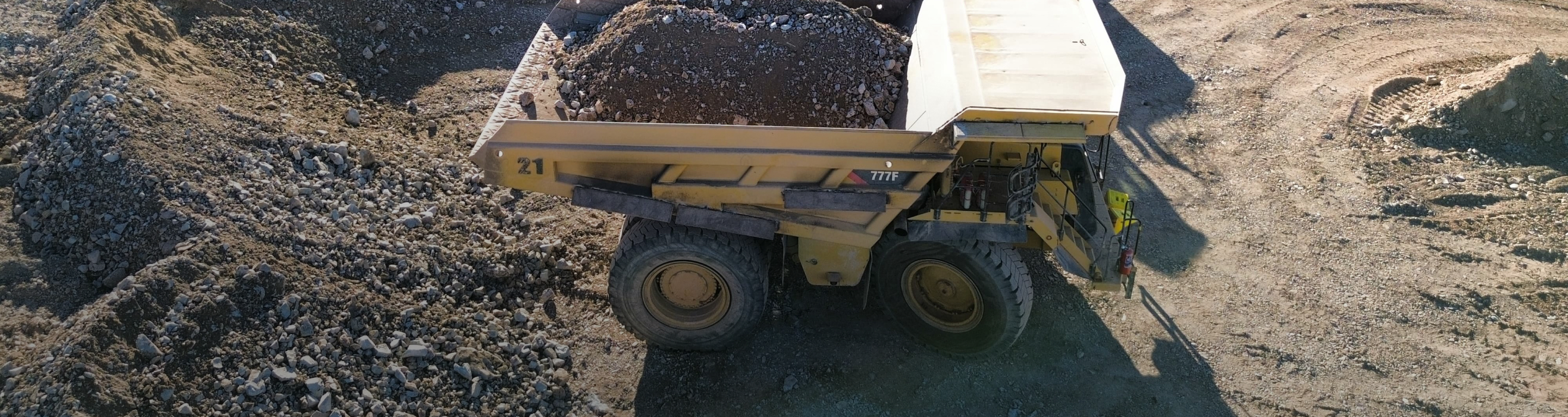
Underground trucks will continue to play an important role while the shaft provides another method of moving ore and waste to the surface. The company identifies reduced haulage distances and improved operational flexibility as benefits of incorporating shaft haulage into the mine's material-handling system. The shaft program is being advanced alongside a fleet modernization program.
Chief Executive Officer of West Red Lake Gold, Shane Williams, discussed the company's new underground equipment and reported improved fleet availability:
"We're getting that 75% to 80% availability. We're getting those materials in; we're getting the people we need, and so that's how all helping the transformation."
The company reported an average mining of 878 tonnes per day and an average mill throughput of 842 tonnes per day during the second quarter of 2026, compared with 573 tonnes per day and 572 tonnes per day, respectively, during the first quarter of 2026.
6. The Infrastructure Is Being Added During a Production Ramp-Up
West Red Lake Gold achieved commercial production at Madsen on January 1, 2026. The company reports 8,576 ounces of gold production in the second quarter of 2026 versus 5,667 ounces in the first quarter, while ore mined increased from 51,616 tonnes to 75,524 tonnes. Average mined grade also increased from 3.5 grams per tonne to 4.3 grams per tonne.
The operating data shows that the shaft refurbishment is being carried out during an active production ramp rather than before the mine restart. Williams also reported that underground operations consistently reached approximately 1,000 tonnes of material per day during the second quarter of 2026.
Williams linked consistency in underground activity with the production ramp:
"We're seeing that consistency in our drilling rates, our development rates, and our mining rates, which is all key to getting the go."
The company identifies 2026 as the production foundation and ramp-up period, with 2027 identified as the operating-leverage phase as additional mining areas enter production and shaft haulage capacity is scaled.
7. The Economic Impact Remains a Forward-Looking Outcome
The shaft refurbishment is expected to improve operating efficiency and contribute to lower operating costs and all-in-sustaining costs (AISC) over time by reducing haulage distances and providing an additional method of moving material to the surface. No specific reduction in AISC, operating cost per tonne, or annual savings is provided in the supplied sources.
An updated Pre-Feasibility Study (PFS) is currently proposed to combine Madsen and Rowan. The same roadmap identifies Phase 1 shaft refurbishment in 2026, followed by scaling shaft haulage capacity as part of the 2027 operating-leverage phase. The economic significance, therefore, remains tied to future operating data and the company's updated mine planning. The physical Phase 1 milestone has been demonstrated, while the financial magnitude of the full shaft refurbishment remains unquantified in the supplied sources.
Key Takeaways for Investors
West Red Lake Gold's Madsen Shaft refurbishment has now progressed from rehabilitation to demonstrated Phase 1 operation, with an initial hoisting capacity of approximately 200 tonnes per day established and higher-capacity phases targeted for the second half of 2028. The next source-supported milestones are Phase 2 installation and commissioning, continued production ramp-up, the progression of the 904 Complex and Fork into the production profile, scaling shaft haulage capacity, and the proposed updated PFS covering Madsen and Rowan.
Analyst's Notes





Subscribe to Our Channel






Stay Informed