




What Cabral Gold's Infill Drilling at MG Signals for Stage 1 Production Timing


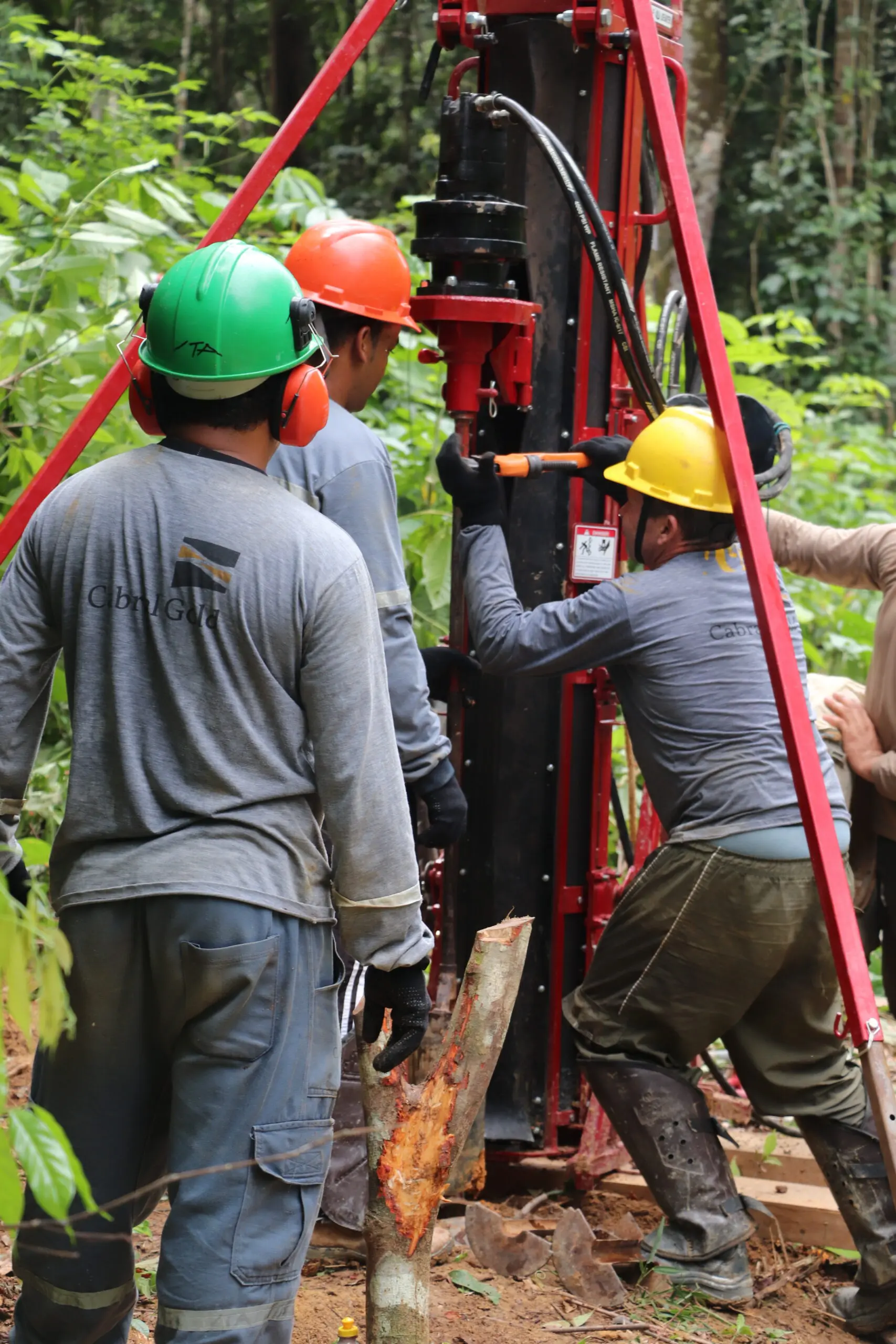
Cabral Gold's April 2026 infill drilling at MG confirms mine plan continuity ahead of a reserve upgrade and Phase 1 gold-in-oxide production targeting Q4 2026.
- Cabral Gold has completed 68 reverse circulation (RC) infill holes totalling 3,174 metres at the MG gold deposit, with results received on the initial 24 holes drilled on a 25 x 25 metre spacing.
- Notable intercepts include 48 metres grading 1.35 grams per tonne gold from 4 metres depth, 17 metres at 2.27 grams per tonne gold from surface, and 50 metres at 1.35 grams per tonne gold from surface.
- The infill program confirmed continuity of gold-oxide mineralisation across the eastern and central portions of the MG starter pit, consistent with the July 2025 pre-feasibility study (PFS) mine plan.
- Additional infill drilling at a tighter 12.5 x 12.5 metre spacing is targeting higher-grade zones, with a reserve upgrade expected by the end of April 2026.
- The MG starter pit contains Probable Reserves of 4,035,000 tonnes grading 0.64 grams per tonne gold for 82,912 ounces, forming the foundation of Phase 1 production targeting the fourth quarter of 2026.
- Phase 1 construction is on budget and on schedule, with 71% of project costs committed under contract as of March 2026.
What Has Happened
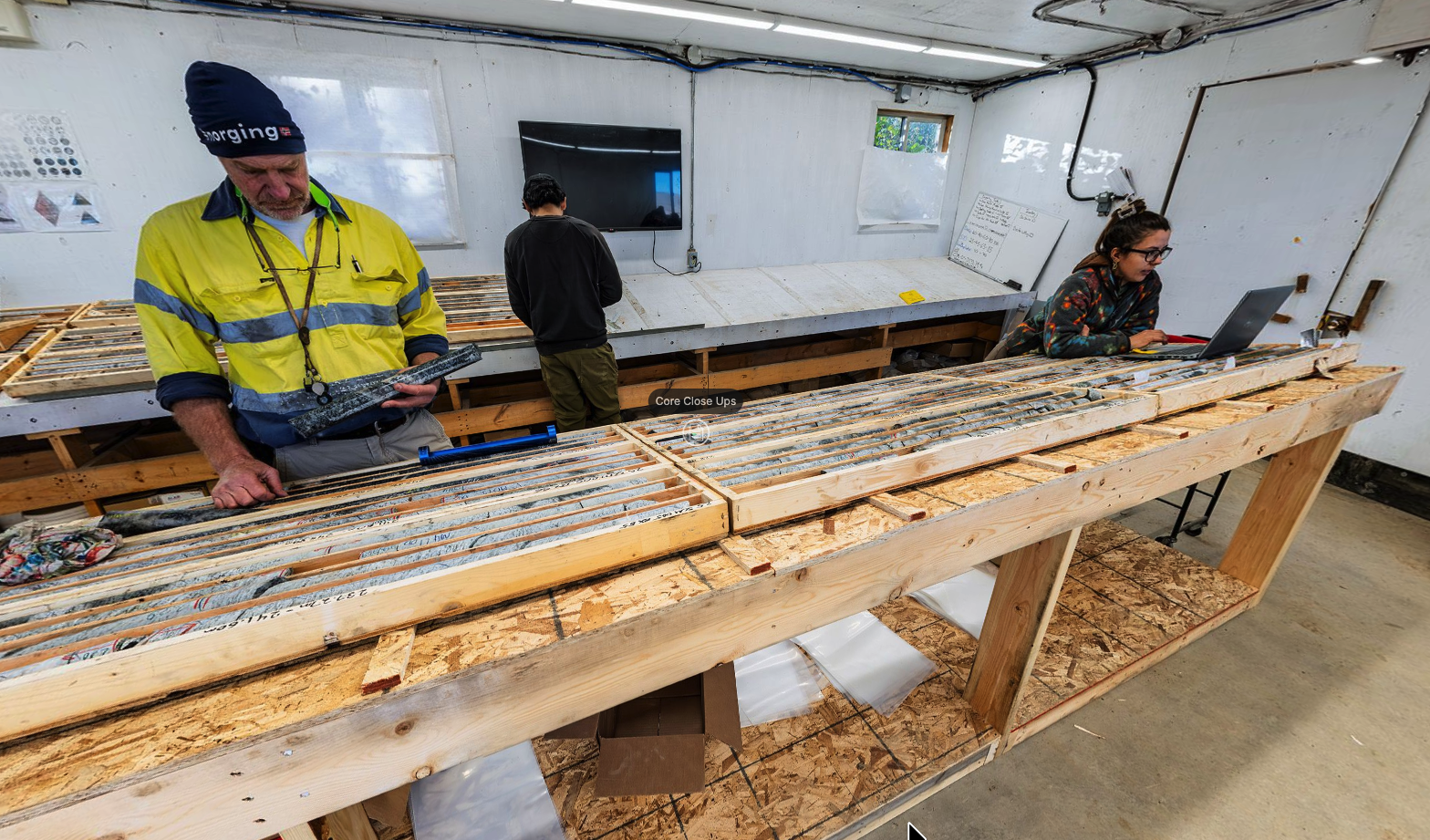
Cabral Gold (TSXV: CBR | OTCQX: CBGZF) announced infill reverse circulation (RC) drill results from the MG gold deposit within the Cuiú Cuiú Gold District in the state of Para, northern Brazil. Results cover the initial 24 holes from a 68-hole program totalling 3,174 metres, drilled on a 25 x 25 metre spacing across the eastern and central portions of the planned MG starter pit, targeting near-surface gold-oxide material within 60 metres of surface.
Headline intercepts confirm near-surface oxide continuity: 48 metres at 1.35 grams per tonne gold from 4 metres depth, including 3 metres at 12.73 grams per tonne, 17 metres at 2.27 grams per tonne gold from surface, two 50 metre intersections grading 0.87 and 1.35 grams per tonne gold from surface, plus 29 metres at 1.36 grams per tonne and 33 metres at 0.90 grams per tonne gold from surface. Three holes returned narrow higher-grade intervals that will be stockpiled for later processing.
Why This Infill Is Different From Prior MG Drilling
The objective of the ongoing RC infill drill program at MG is to provide greater confidence in the grade and continuity of the current reserve base ahead of mining and to further refine the mine plan developed as part of the July 2025 pre-feasibility study (PFS). The program targets the eastern and central parts of the MG starter pit, confirming the year one pit outline. Additional infill drilling in areas of higher grade will be completed on a 12.5 x 12.5 metre spacing. The reserve upgrade will feed into an updated mine plan ahead of production, incorporating the recent infill drill results as they are received.
The results to date are in line with the existing MG mine plan developed for the July 2025 PFS, including a life-of-mine all-in sustaining cost (AISC) of US$1,210 per ounce and an after-tax internal rate of return (IRR) of 78% at a gold price of US$2,500 per ounce. At US$3,000 per ounce, the after-tax IRR rises to 114%, and at US$3,500 per ounce it rises to 151%.
How the Infill Supports the MG Starter Pit Mine Plan
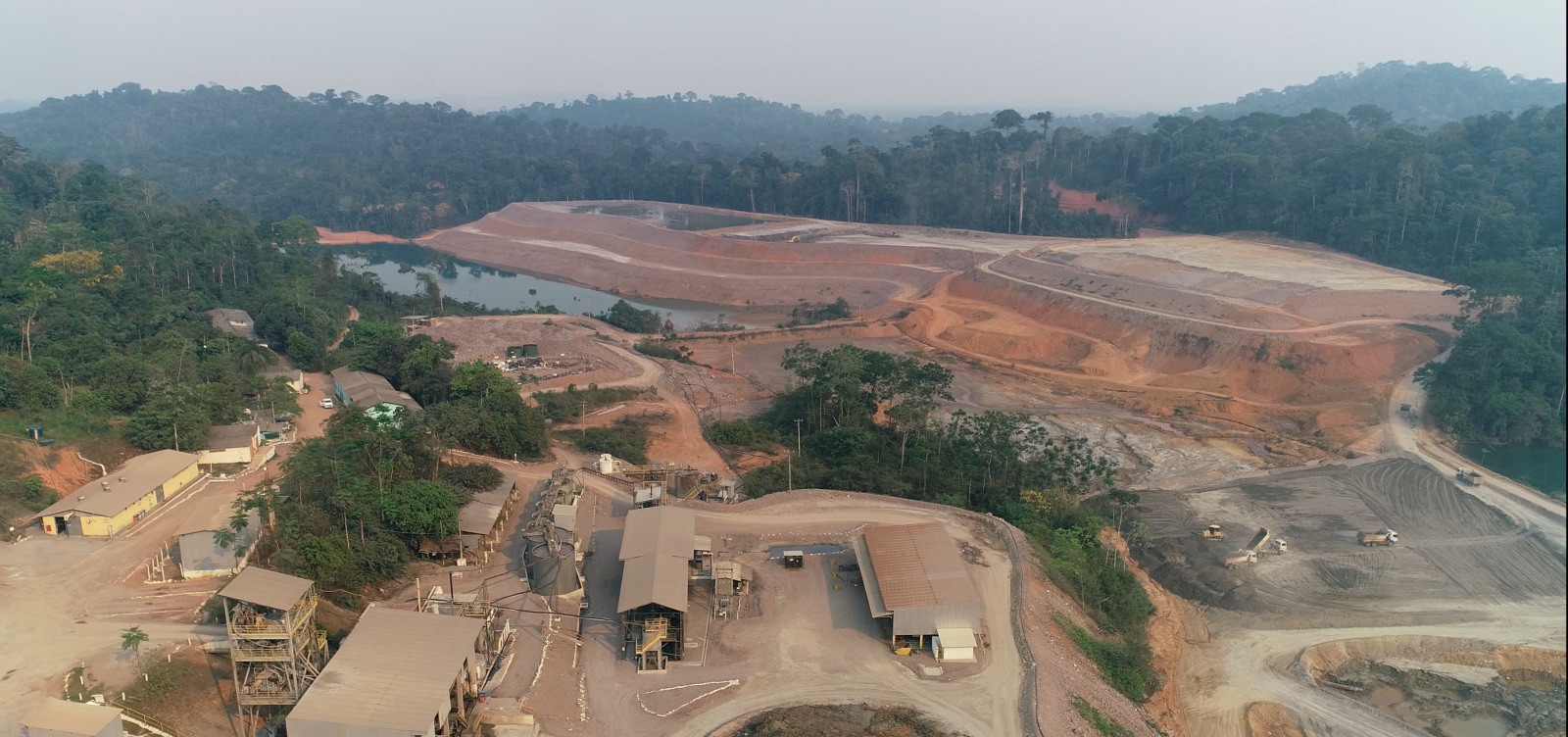
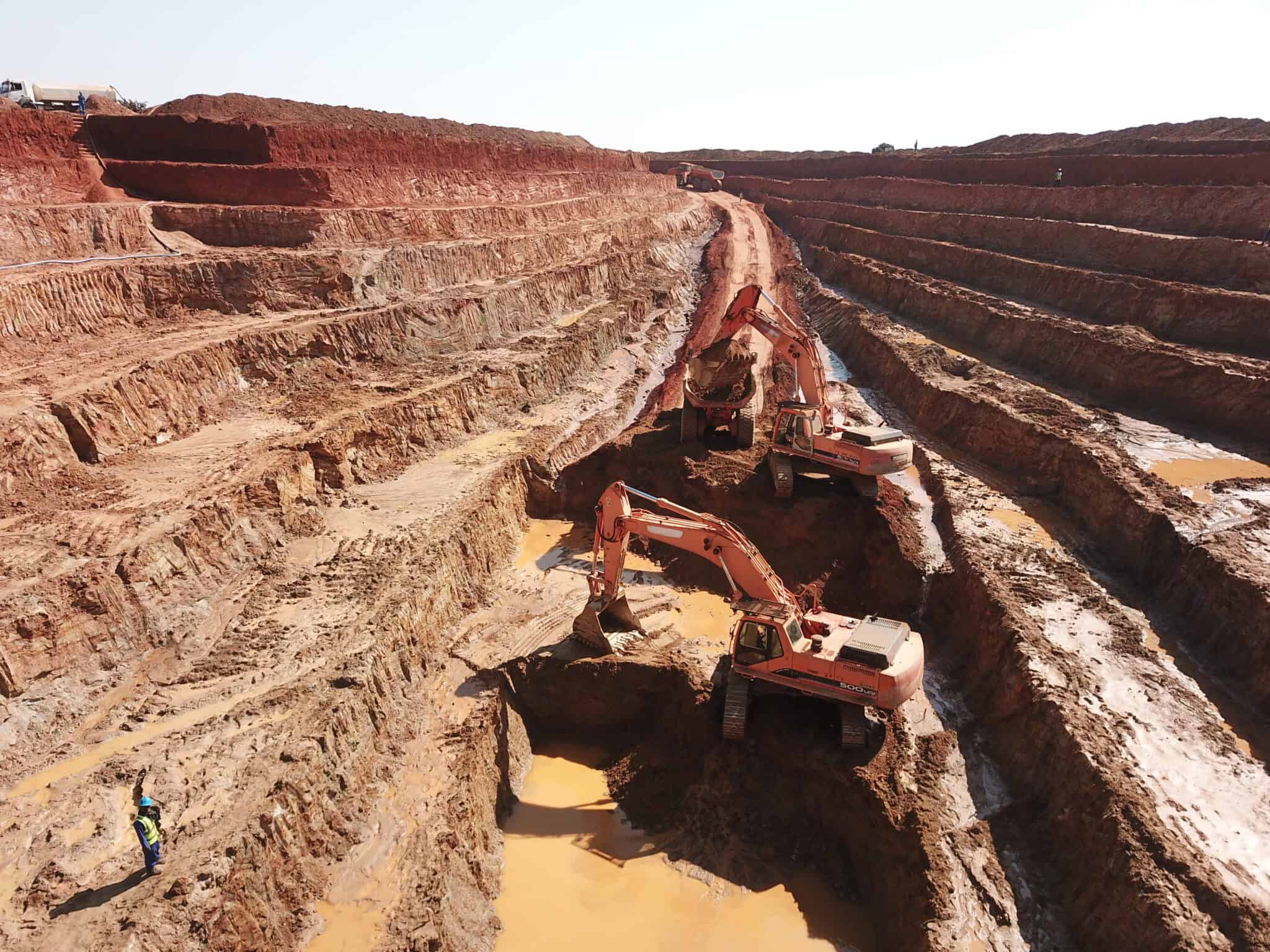
The MG starter pit targets oxide material in saprolite and overlying blanket sediments above the primary hard rock deposit. These free-digging materials showed 92% to 93% gold recoveries in heap leach metallurgical tests, with the July 2025 PFS assuming 87.8% average life-of-mine recovery. This feeds a 1 million tonne per annum heap leach processing 3,000 tonnes per day, at a 0.78 strip ratio.
Production is targeted at 25,000 ounces per year during the initial two years, with cash costs of US$950 per ounce. The first 24 months are projected to produce 43,342 ounces in total. Current Probable Reserves at MG total 4,035,000 tonnes grading 0.64 grams per tonne gold for 82,912 ounces. The infill results will support a reserve update.
MG's Role in the Cuiú Cuiú Two-Stage Strategy
Stage 1 cash flow will allow for self-funded drilling and expansion of the global resource base within the district, leading to a pre-economic assessment (PEA) on the much larger hard rock resource base planned for Stage 2.
President and Chief Executive Officer of Cabral Gold, Alan Carter, explained the logic of the two-stage approach:
"What we want to do is develop an initial project to mine the near-surface oxide material. This is the weathered material that is in-situ and contains gold, and so we are building an initial gold-in-oxide heap leach project, which should mine about 3,000 tonnes a day. That will provide a significant amount of cash to allow us to develop the larger district, explore the larger district, grow the global resource base within the Cuiú Cuiú district, and ultimately, we hope it will allow us to demonstrate the economic viability of the much larger phase 2 project."
The MG starter pit holds 82,912 ounces of Probable Reserves with a 6.2-year mine life per the PFS, enabling Cabral's self-funding model. Stage 1 cash flow eliminates the need for dilutive equity raises to fund resource expansion drilling. The C$20 million bought deal targets exploration exclusively, with additional rigs arriving post-close.
What to Watch Next
Cabral targets a reserve upgrade by the end of April 2026, incorporating recent infill results into a revised MG mine plan. The program improves confidence in current reserves ahead of plant commissioning in the third quarter of 2026 and commercial production in the fourth quarter of 2026. The US$45 million gold loan closed in November 2025 is fully funding Stage 1, with 71% of project costs committed under contract and 54% of construction complete as of March 2026. Upcoming expected developments include the reserve upgrade statement, plant commissioning, and further infill drill results from the 12.5 x 12.5 metre spacing program.
FAQs (AI-Generated)
The objective of the RC infill drill program at MG is to provide greater confidence in the grade and continuity of the current reserve base ahead of mining and to further refine the mine plan developed as part of the July 2025 PFS. The program targets the eastern and central parts of the MG starter pit, confirming the year one pit outline.
Cabral Gold has completed 68 RC infill holes totalling 3,174 metres at the MG gold deposit, drilled on a 25 x 25 metre spacing. Results have been received on the initial 24 holes. Notable intercepts include 48 metres at 1.35 grams per tonne gold from 4 metres depth, 17 metres at 2.27 grams per tonne gold from surface, and 50 metres at 1.35 grams per tonne gold from surface.
The current Probable Reserves at MG stand at 4,035,000 tonnes grading 0.64 grams per tonne gold for 82,912 ounces, as established in the July 2025 PFS. Cabral is targeting a reserve upgrade by the end of April 2026, which will incorporate the recent infill drill results into a revised mine plan.
Production is targeted at 25,000 ounces per year during the initial two years, with cash costs of US$950 per ounce. The first 24 months are projected to produce 43,342 ounces in total. The July 2025 PFS established a life-of-mine AISC of US$1,210 per ounce and an after-tax IRR of 78% at a gold price of US$2,500 per ounce.
Phase 1 construction is 54% complete as of March 2026, with 71% of project costs committed under contract. The US$45 million gold loan closed in November 2025 is fully funding Stage 1. Plant commissioning is scheduled for the third quarter of 2026, with commercial production targeted for the fourth quarter of 2026.
Analyst's Notes





Subscribe to Our Channel




Stay Informed






















