ATHA Energy's 2026-2027 Roadmap: 9 Milestones on the Path From Discovery to Scale


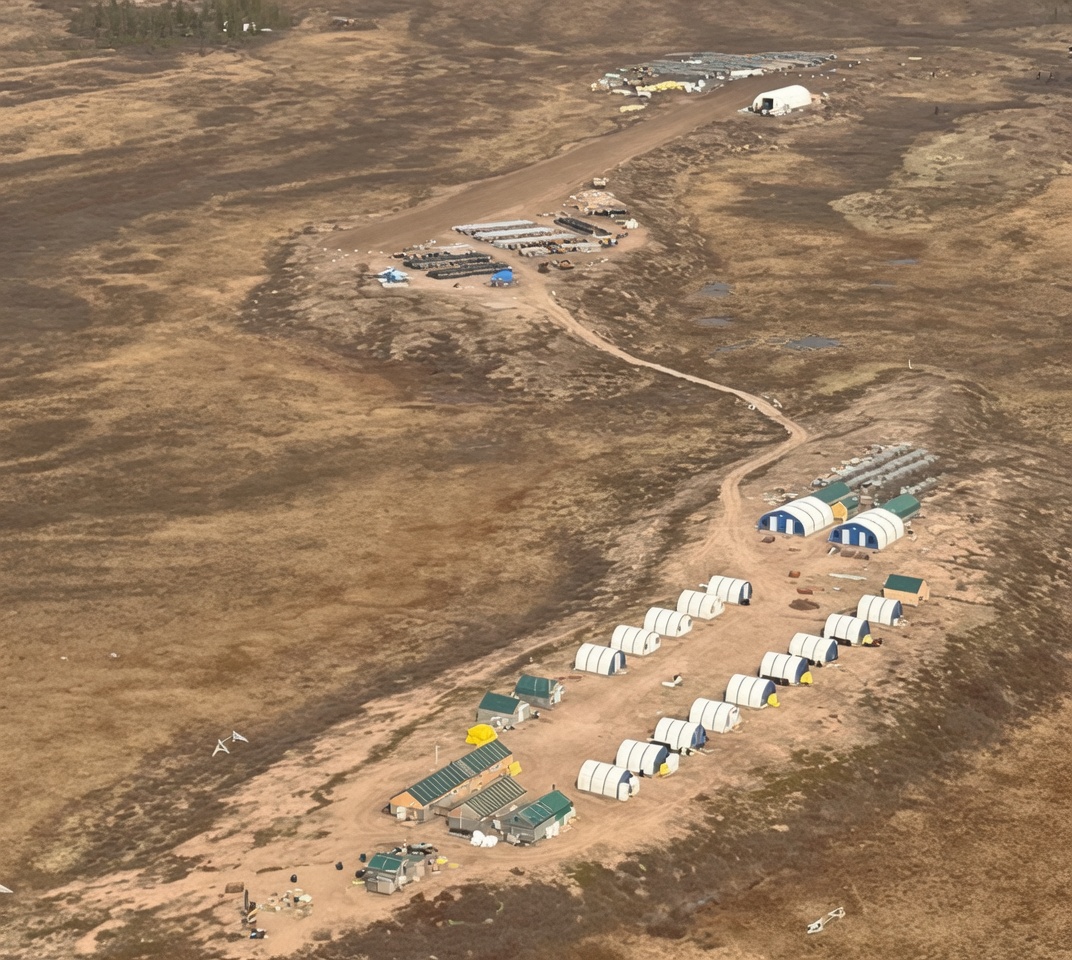
ATHA Energy targets 9 milestones through 2026-27, advancing Angilak discoveries toward delineation with funded drilling, assays, and potential scale-up.
A Portfolio Moving From Discovery Risk to Delineation
ATHA Energy Corp. (TSXV: SASK | FRA: X5U | OTCQX: SASKF) has spent 2.5 years addressing what Chief Executive Officer and Director Troy Boisjoli calls the number one risk for a company at its stage: discovery risk. With two new discoveries reported in quick succession at the Angilak Uranium Project in Nunavut, that phase is giving way to a defined, dated plan to turn wide-spaced intercepts into a delineated system.

1. Two Discoveries in Short Succession
Since acquiring Angilak through the Latitude Uranium transaction in 2024, ATHA has expanded mineralization along the Lac 50 corridor and added new discoveries across the basin, including the 2025 Mineralized RIB Corridor (MRC) and the 2026 Lac 50 West discovery, located 4 kilometers along strike from the existing Lac 50 Deposit.
2. Widest Intersection Recorded on the Project to Date
A single hole at RIB-North returned 37 meters of composite uranium mineralization, the widest intercept recorded on the project so far. In the first batch of 2026 holes there, 6 of 8 holes intersected uranium mineralization, and drilling identified a new secondary structure along the western limb.
3. A Mineralization Style Read as Closer to Lode Gold
Boisjoli describes large-scale graphitic sulfidic structures with tens to hundreds of meters of surrounding alteration at both Lac 50 and RIB. He said the geologic setting is more analogous to a lode-gold system than the typical hydrothermal uranium deposits seen elsewhere in the Athabasca Basin, a signature the company reads as pointing to a large, still-undefined system rather than isolated pods of mineralization.
4. A Two-Phase Plan for 2026 & 2027
This year is focused on tightening widely spaced holes (100 to 300 meters apart) to establish continuity of mineralization, without yet drilling to full delineation spacing. If continuity holds, 2027 is targeted for a step-up to 75-meter-by-75-meter delineation drilling, the point at which management is confident in committing additional resources.
5. A $63 Million Raise Built for Insulation, Not Just Growth
The first-quarter 2026 raise was designed to remove near-term financing risk as much as fund drilling, giving ATHA roughly 24 months of runway. Boisjoli said the buffer means the company does not need to "throttle" its programs in response to a short-term pullback in the equities market, insulating the exploration pace from quarterly share-price volatility.
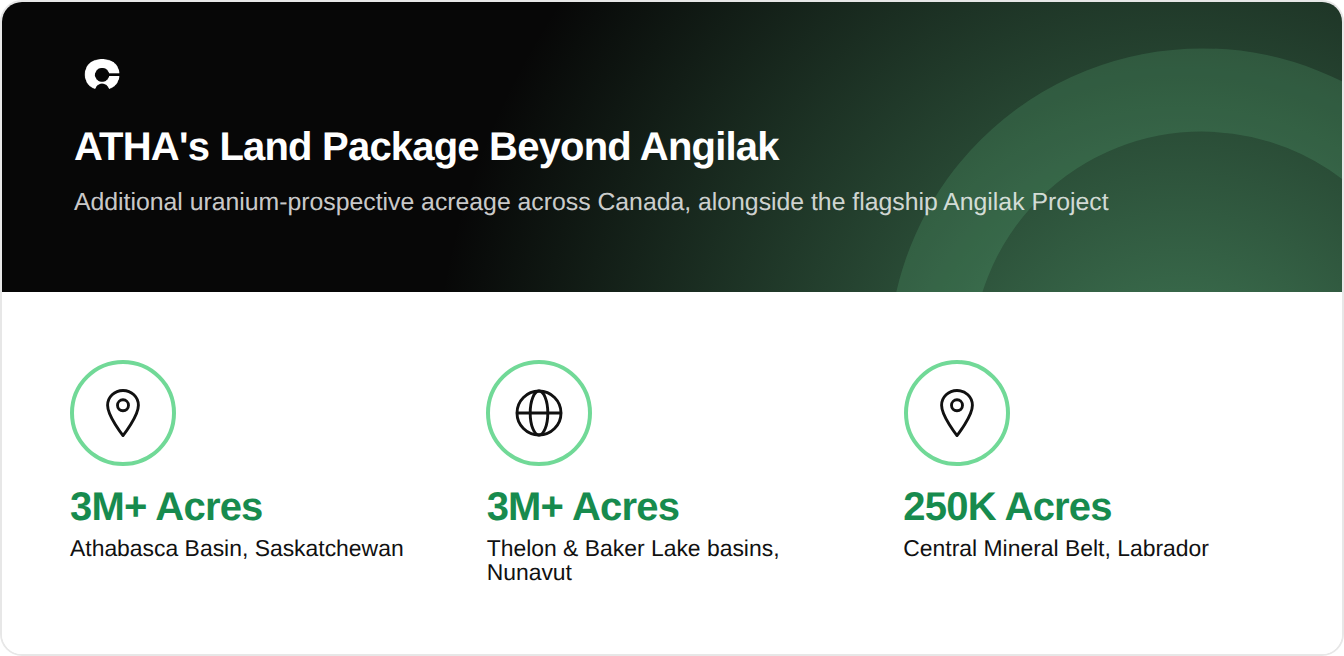
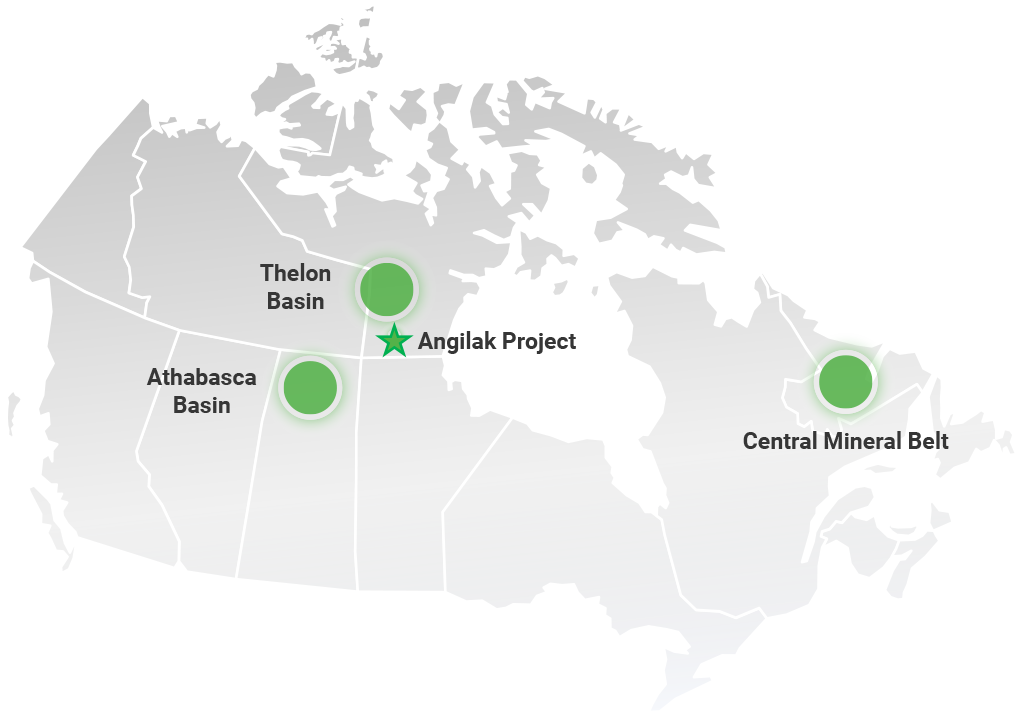
6. A 6.7 Million Acre Canadian Land Package Anchored by Angilak
Outside the Angikuni Basin, ATHA holds more than 3 million acres across the Athabasca Basin in Saskatchewan, additional acreage across the Thelon and Baker Lake basins in Nunavut, and roughly 250,000 acres in the Central Mineral Belt in Labrador, alongside a 10% carried interest in select NexGen Energy and IsoEnergy exploration lands.
7. M&A Framed as Opportunistic, Not Urgent
ATHA points to its capital access, including Queen's Road Capital as a foundational shareholder, and a technical team with feasibility-level project development experience from NexGen's Rook 1 project, as reasons it does not need a transaction to advance Angilak. Boisjoli said he would not be surprised to see further consolidation, particularly in the US uranium space, but described the company's posture as watching rather than pursuing.
8. Canada's Regulator Framed as an Advantage, Not a Bottleneck
The Canadian Nuclear Safety Commission's decades of life-cycle experience, built up since uranium mining began in Canada in the early 1950s, gives projects entering the process a higher degree of confidence than jurisdictions with less regulatory history. Athabasca Basin exploration budgets fell from $200 million to $250 million to roughly $85 million to $100 million between 2011 and 2023, a sign of how weak the commodity cycle and exploration activity were during that stretch, yet projects already underway still advanced through approvals toward final investment decisions (FID).
9. Assays Expected Within 6 to 8 Weeks of Lab Delivery
The results reported so far are based on downhole radiometric probe data; laboratory assays remain outstanding, with turnaround expected within 6 to 8 weeks of delivery to the lab. With 2 drills running at the RIB Corridor and 1 at the Lac 50 Deposit corridor, management is targeting a higher cadence of results from RIB and plans to batch assay results alongside ongoing drill results through the remainder of the year.
Bottom Line
ATHA's near-term story is less about a single catalyst than a sequencing question: whether 2026's continuity drilling at Lac 50 and RIB confirms a system large enough to justify the delineation-stage scale-up planned for 2027, backed by a balance sheet built to fund that work without returning to the market.
Analyst's Notes





Subscribe to Our Channel
.jpg)






Stay Informed