How ATHA Is Trying to Generate More Value From Every Drill Dollar


ATHA Energy's 2026 Angilak drill program tests whether disciplined targeting and phased exploration can generate more value per dollar spent on drilling ahead of 2027.
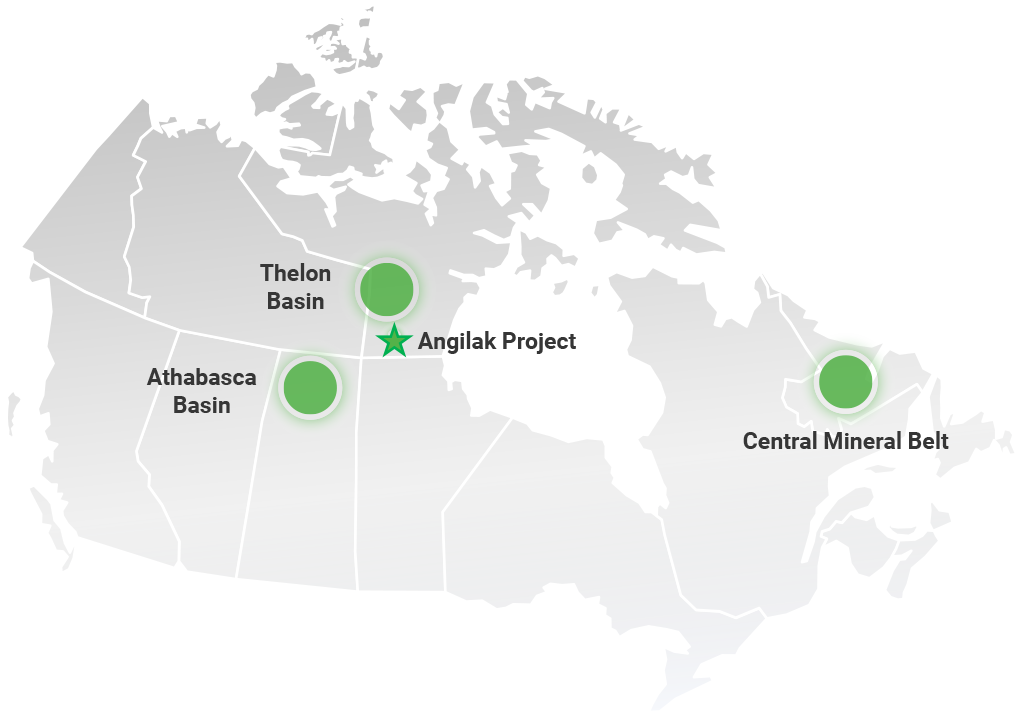
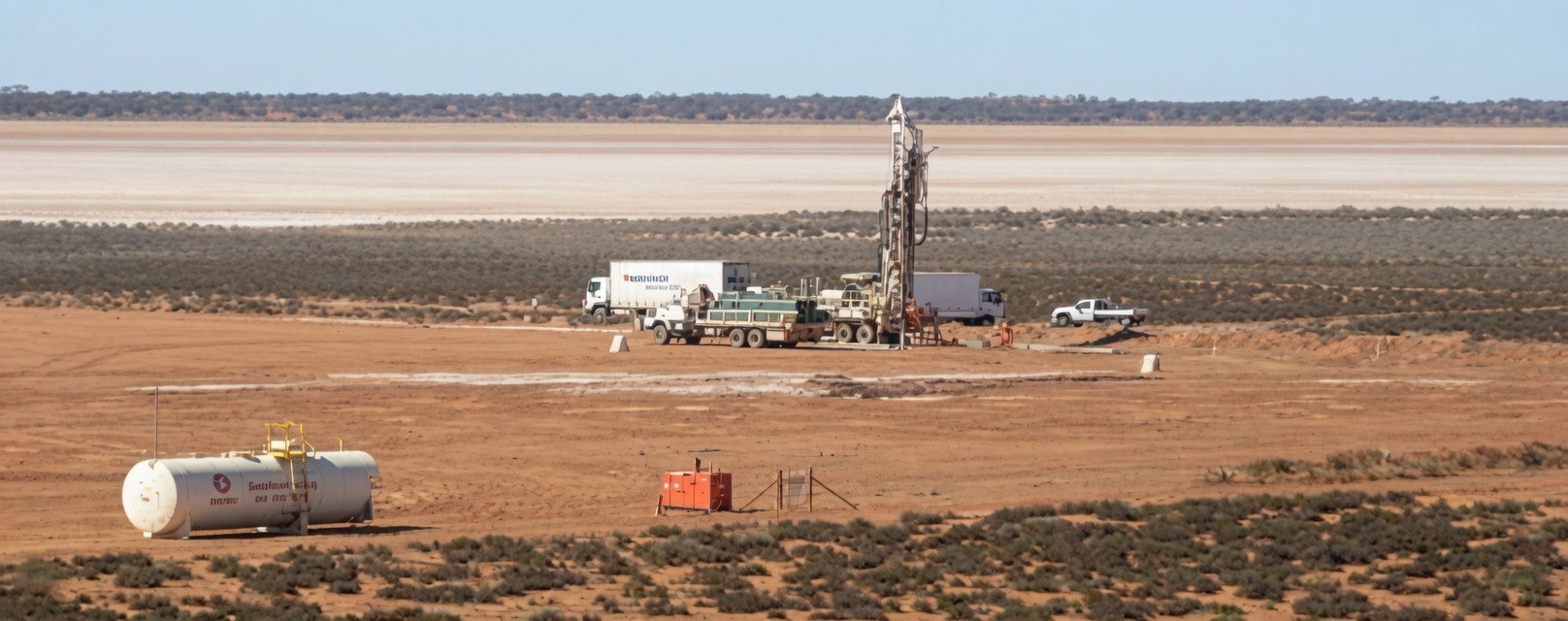
- ATHA Energy has commenced diamond drilling at its 100% owned Angilak Uranium Project in Nunavut, Canada, with 3 rigs totalling approximately 20,000 metres as part of its largest exploration program to date.
- The program is fully funded by a C$63 million financing closed in the First Quarter of 2026, sized against 2 years of prior exploration that reduced discovery risk before the capital was committed.
- Widely spaced 2025 drilling at the Rib corridor intersected mineralisation in every hole tested, a result management calls an unprecedented conversion rate that lowers the cost of confirming a system before delineation.
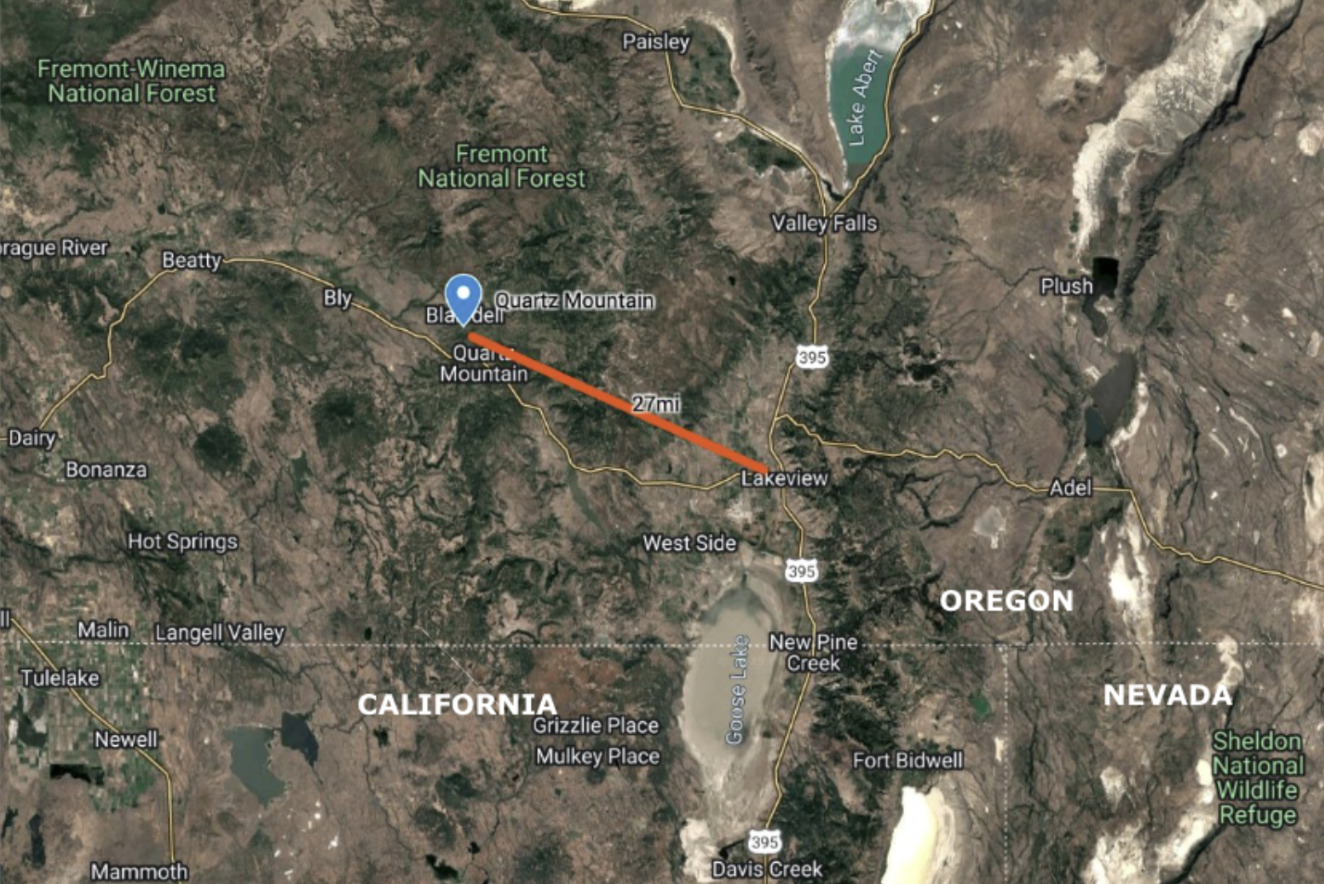
- Refined geophysical targeting extended the Lac 50 trend to 21 kilometres from a previously mapped 5 to 7 kilometres, redirecting one of the 3 rigs toward the highest-information-value target.
- Management frames 2026 as a precursor to delineation drilling in 2027, with a no-cost carried interest in NexGen Energy's exploration projects adding optionality outside the core Angilak budget.
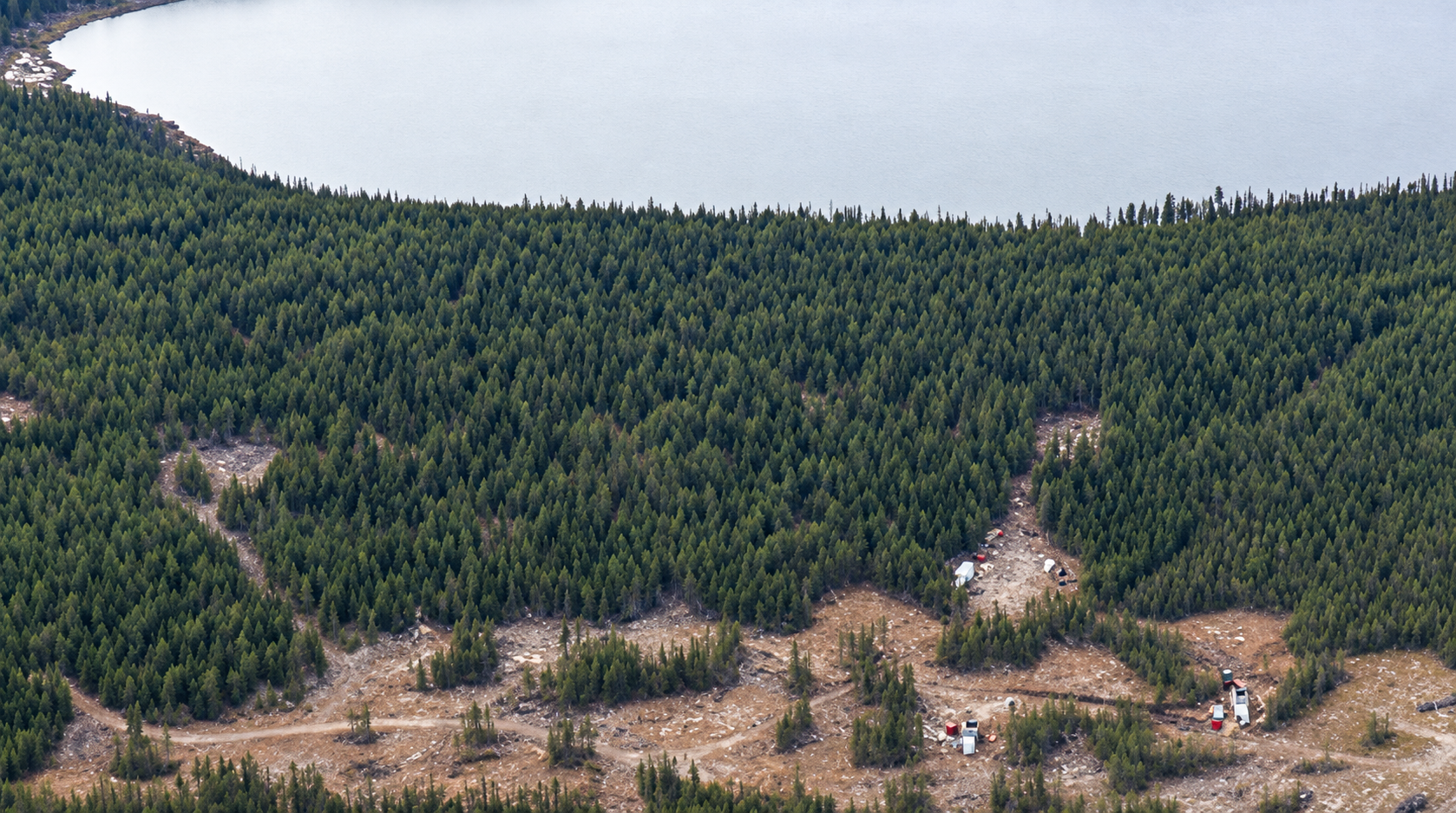
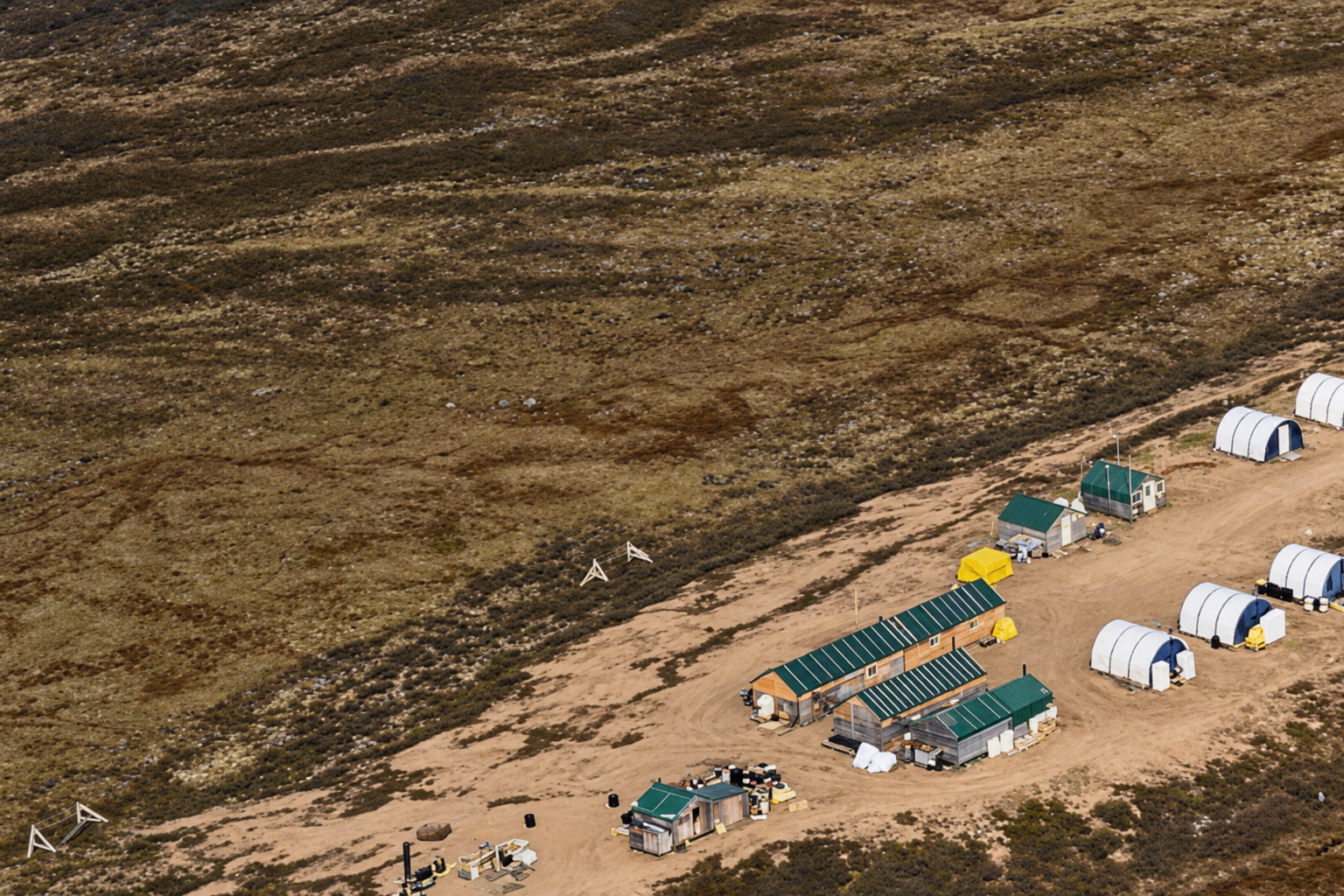
ATHA Energy Corp. (TSX.V: SASK | FRA: X5U | OTCQX: SASKF) has commenced diamond drilling at its 100% owned Angilak Uranium Project in Nunavut, Canada, launching the largest exploration program in the project's history. The headline number, roughly 20,000 metres of drilling across 3 rigs, is not the story investors should watch most closely. The more consequential, still unanswered question is whether ATHA can convert that spending into defined, drill-ready targets faster and more cheaply than a conventional step-out program would allow.
That distinction sits at the centre of the Company's investment case, though it remains a thesis to be tested, not a result already delivered. Chief Executive Officer and Director Troy Boisjoli has been explicit that 2026 is not simply about metres drilled, but about sequencing capital so every dollar spent narrows the odds before the next, costlier phase begins. Whether that sequencing actually improves the odds depends on what the drill bit returns this year.
Financing Deployed Against a Track Record, Not a Speculation
ATHA closed approximately C$63 million in financing in the First Quarter of 2026 to fund the program. The raise makes the most sense in light of what preceded it: 2 years of exploration designed to de-risk the ground before committing larger capital.
Boisjoli framed the timing of the raise around his read of where the uranium market sits right now:
“There's a scarcity of assets. Preserving optionality, I'm not sure what market people would be preserving optionality for. It is the time, the inflexion point in the market. All the signals are very clear. The directionality of this market is very clear. And in our view now, now is the time to underwrite ourselves with asset growth.”
The takeaway is not the size of the raise, but that it was sized against a demonstrated conversion rate from prior exploration rather than untested ground. That conversion rate, however, was achieved at wide spacing: it confirms mineralisation is present, not that it carries the continuity or grade needed to support a resource, a question the 2026 program is designed to answer.
Widely Spaced Drilling as a Capital Efficiency Tool
ATHA's exploration approach at Angilak avoids tight, deposit-scale drilling in favour of widely spaced holes to test the extent of a mineralised system before committing to delineation. In 2025, step-outs in the Rib corridor were spaced 1.5 to 2 kilometres apart along a structural trend, thereby establishing continuity across a large area with fewer holes than a conventional program would require. Every hole intersected mineralisation, a result Boisjoli described as an unprecedented conversion rate from exploration target into discovery.
The implication for investors: a high conversion rate at wide spacing means fewer dollars were needed to confirm a broad mineralised footprint, leaving more of the budget for the higher value work of defining where a future resource is likely to sit.
That same discipline extends to the Lac 50 trend. ATHA reran its geophysical targeting after the Rib results came in and found the structure extends 21 kilometres, well beyond the 5 to 7 kilometres previously mapped. One of the 3 rigs is testing that extension, pointing capital toward the highest-information-value target rather than the most familiar one. The extension remains unconfirmed as mineralised until this year's drilling tests it.
Sequencing Toward 2027, a Plan Still Awaiting Proof
The 2026 program is treated as a precursor phase, not an end point, with this year's widely spaced drilling meant to confirm continuity across the Rib and Lac 50 systems before the Company commits to costlier, more targeted work in 2027.
Boisjoli described the logic behind that sequencing directly:
“Continuity of mineralisation is a precursor to delineation work. You think about stepping your way in, widely spaced work, say 1.5 to 2 kilometres of space work, start to define continuity again with widely spaced drilling, not delineation-spaced drilling, in 2025. And what that sets up is an optimisation process for 2027 where we have the opportunity to delineate the best areas of best continuity within very large mineralised systems.”
That framing sets an explicit test, not an outcome already achieved. If 2026 drilling confirms continuity across meaningful strike length at Rib and the Lac 50 extension, ATHA will have identified, at low cost per metre, which portions warrant resource definition drilling.
A No-Cost Option Alongside the Core Program
ATHA also holds a carried interest in a portion of NexGen Energy's SW1, SW2, and SW3 exploration projects, with a 10% carry through to feasibility, convertible into a participating interest or a net smelter return (NSR) royalty. Requiring no capital outlay, it sits outside the Angilak budget as an option tied to NexGen's success rather than to ATHA's own execution.
What Investors Are Really Buying Into
The 2026 Angilak program is best understood not as a bet on drilling volume or confirmation that ATHA's approach already works, but as a test of whether its targeting methodology and phased capital allocation can convert exploration spending into higher-confidence ground ahead of delineation in 2027. The financing, rig allocation, and sequencing are built around that objective, but it remains unproven until this year's results are in hand. The 2026 results will be the clearest signal yet of whether ATHA's efficiency thesis holds.
FAQs (AI-Generated)
Analyst's Notes





Subscribe to Our Channel

Stay Informed