




Copper Exploration Budgets Rise 32%, Expanding the Search for Future Supply


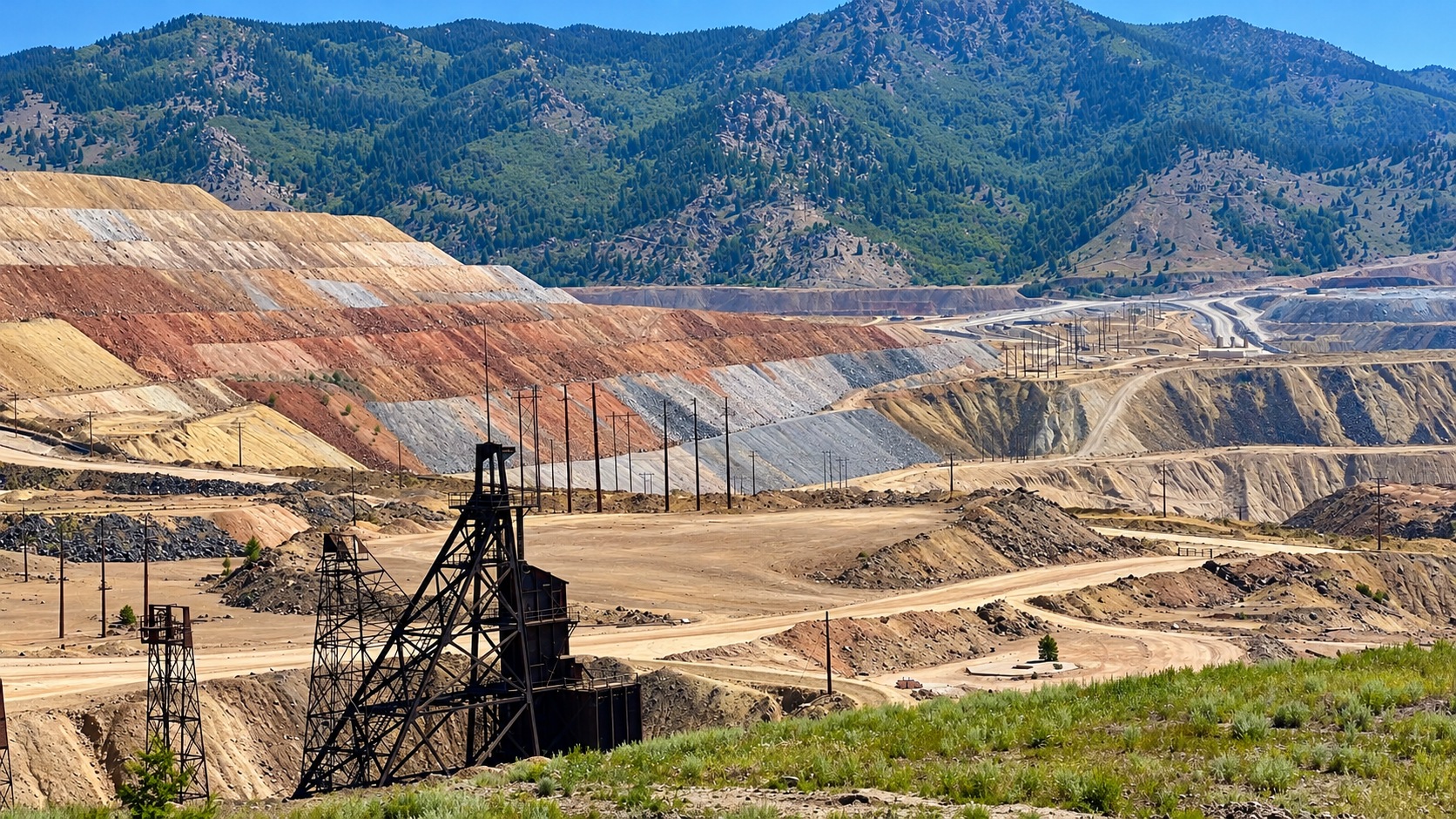
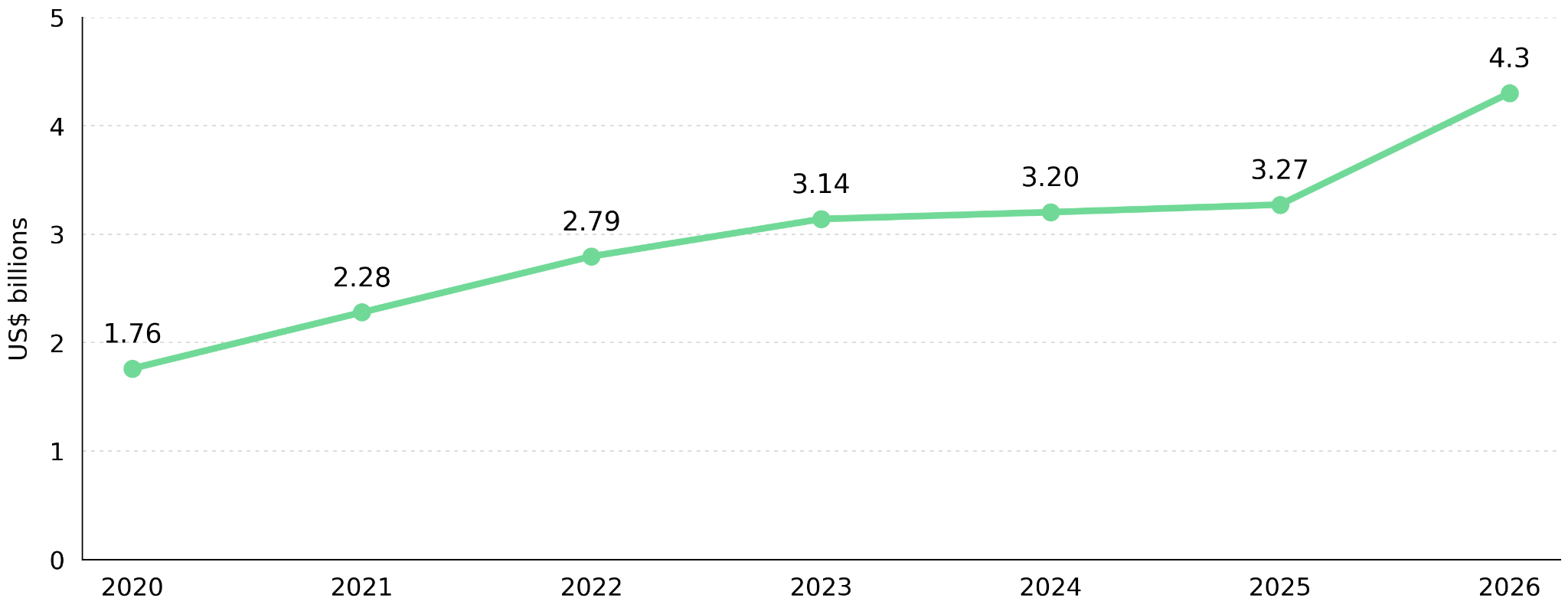
Copper exploration budgets rose 32% in 2026, expanding plans to test deposits, evaluate projects, and develop future copper supply.
- Copper exploration budgets rose 32% to US$4.3 billion in 2026, their highest level since 2012, allocating more capital to finding and defining deposits.
- Junior mining companies account for 29% of 2026 copper exploration budgets, more than double their 2017 share, expanding their role in identifying future sources of supply.
- Early-stage copper exploration budgets rose 38% to US$1.11 billion in 2026, while late-stage and feasibility budgets also increased 38%, supporting both discovery work and project evaluation.
- Power agreements and infrastructure assessments help developers and restart candidates define operating costs and the spending required before production.
- Matching exploration spending to drilling results and study milestones helps companies direct further capital toward projects with stronger technical support.
Higher Exploration Budgets Expand Copper Project Evaluation
Copper’s exploration recovery directs more planned capital toward finding and evaluating deposits. That creates scope for explorers and developers to establish project value through resource growth and completed studies before mining revenue begins.
S&P Global Market Intelligence (S&P Global) reported on October 20, 2026, that copper exploration budgets rose 32% from 2025 to US$4.3 billion, their highest level since US$4.7 billion in 2012. Copper’s share of global nonferrous exploration budgets increased from 21% in 2017 to 26% in 2026. These figures measure planned budgets in current US dollars, rather than completed spending or secured construction financing.
Junior mining companies account for 29% of 2026 copper exploration budgets, more than double their 2017 share. The number of juniors exploring copper reached 643, the highest since 2012, while major mining companies retained 64% of budgets. Juniors therefore represent a larger share of planned copper exploration investment while majors remain the largest source of allocations.
Higher Study Budgets Support Copper Development Decisions
Late-stage and feasibility copper exploration budgets rose US$401 million, or 38%, from 2025 to 2026. These allocations support resource evaluation and project studies that help companies assess mine designs, costs, and potential returns before committing construction capital.
Abitibi Metals Corp is strengthening confidence in B26’s copper mineralization while testing further growth in Québec. September 17 results included 1.08% copper over 60.2 meters of drill core, including 3.42% over 9.2 meters. With up to three rigs planned for the remainder of 2026, drilling targets deposit growth and greater confidence in the estimated resources for a future resource update.
Marimaca Copper is advancing construction preparations at the Marimaca Oxide Deposit in Chile. Its October 1 update confirms grid connection approval and a preliminary framework for 100% renewable power, with estimated costs close to the US$93-per-megawatt-hour assumption in its 2025 Definitive Feasibility Study. The proposed terms provide flexibility over power purchases during production ramp-up.
Higher Early-Stage Budgets Support Copper Target Testing
Early-stage copper exploration budgets rose 38% from 2025 to US$1.11 billion in 2026. These allocations support the search for new deposits, while combining subsurface imaging with existing drilling data can help companies prioritize untested ground and direct follow-up work.
Fitzroy Minerals has started a 5,000-meter drilling program to test nine new copper exploration targets at Buen Retiro in Chile. Its October 22 update combines subsurface imaging, machine learning and existing drilling data to prioritize untested areas within 400 meters of surface. The program will assess the potential for additional copper mineralization, with results refining subsequent drilling decisions and helping focus exploration spending across the wider property.
Merlin Marr-Johnson, Chief Executive Officer of Fitzroy Minerals, links strong demand with pressure on copper prices:
“Vast amounts of money are going just to maintain production. So metal prices have to rise as demand is strong.”
Staged Drilling Guides Further Copper Exploration Spending
Cobra Resources is advancing Manna Hill in South Australia, where its October 26 announcement highlights multiple underexplored prospects with copper-gold discovery potential. Shallow mineralization and deeper porphyry targets provide distinct opportunities to test the project’s scale, offering several avenues for exploration-led growth.
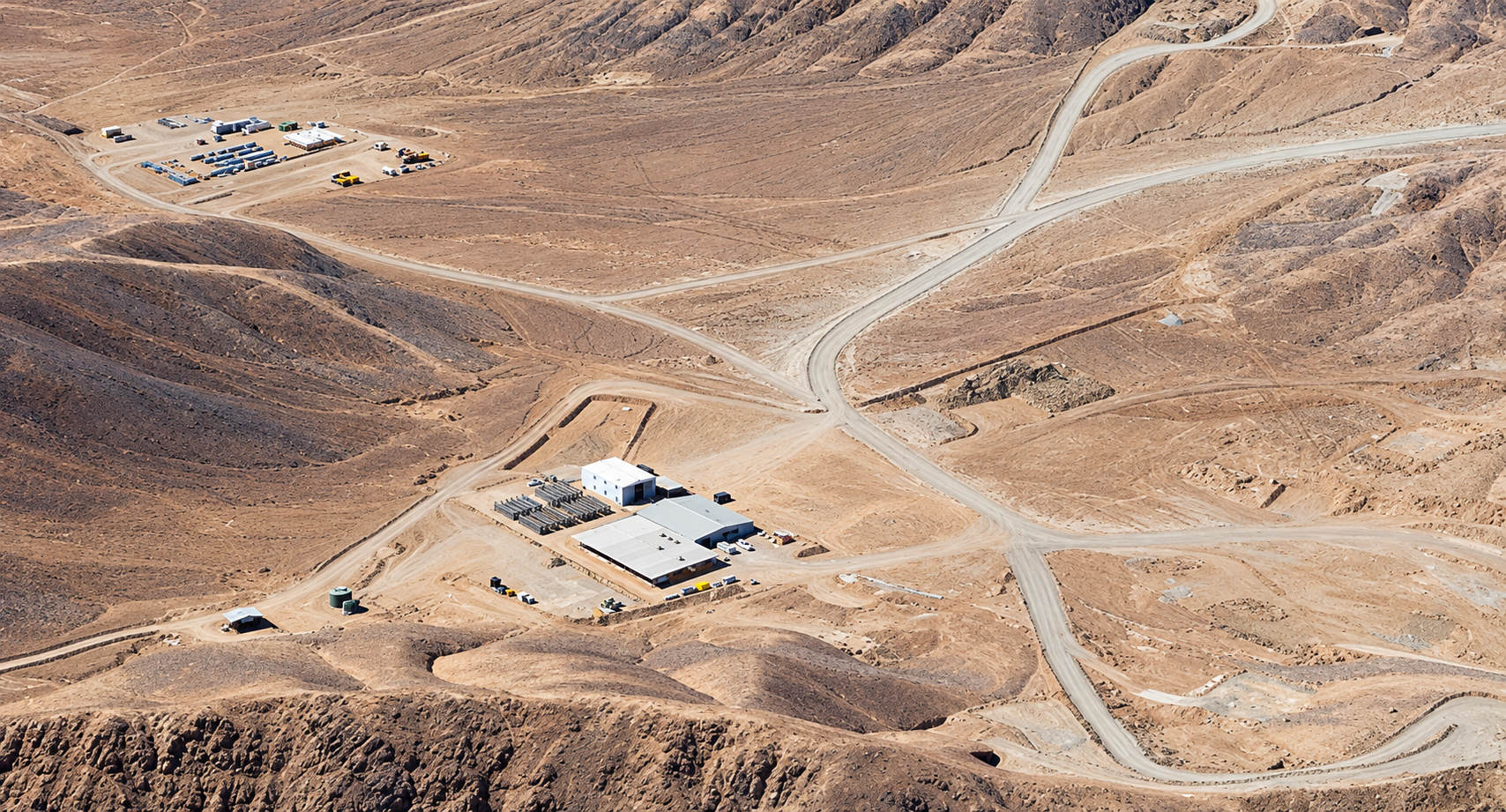
Mogotes Metals plans up to 20,000 meters of drilling at Filo Sur, more than tripling the previous season’s program to expand recent discoveries and test new targets. Its September 22 update also confirms drilling had started at Beskauga, where up to 50,000 meters are planned and a Preliminary Economic Assessment (PEA) is targeted within 12 months. Together, these programs aim to establish a greater mineralized scale and clarify Beskauga’s potential economics.
Existing Infrastructure Can Reduce Copper Construction Requirements
Existing processing facilities can reduce the new construction required to restart copper production. Resource studies and processing tests must establish whether the proposed ore supply suits those facilities, while refurbishment assessments define the remaining capital needed before production resumes.
Selkirk Copper completed 54,711 meters of drilling by October 14, exceeding its original 50,000-meter plan, with logistics and cost efficiencies allowing additional drilling within schedule and budget. Its October 15 update targets a Mineral Resource Estimate in the first quarter of 2027 to support feasibility work. The results are intended to refine mine planning around existing infrastructure, including a processing plant with capacity of 4,100 metric tons per day.
M. Colin Joudrie, President and Chief Executive Officer of Selkirk Copper, connects copper concentrate shortages with potential production timing:
“This market is short copper and it's very short on the quality of copper concentrates that we will produce: 38% copper, very rare in the marketplace. And we're doing it on a timeline that allows them to envision the prices we're seeing today for that production.”
Long Mine Timelines Give Early Copper Funding Lasting Relevance
S&P Global puts the average copper discovery-to-production timeline at approximately 17.5 years. Exploration funding supports the drilling and resource studies needed early in that process, while subsequent technical and economic studies help determine whether further development spending is justified.
The Investment Thesis for Copper
- Explorers with funding for target testing and follow-up drilling can assess resource growth and continuity before committing to more extensive technical studies.
- Developers with defined engineering scope, permitting requirements, and power and water arrangements provide a clearer basis for estimating construction funding and operating costs.
- Restart candidates can reduce new construction requirements where existing facilities suit the proposed ore supply and refurbishment assessments establish the remaining capital needed.
- Project access, permitting requirements, and infrastructure availability should be reflected in development schedules and funding estimates because each affects the work required before production.
- Matching available funding to drilling and study milestones helps companies sustain follow-up work as results guide the next capital commitment.
Copper’s exploration recovery creates opportunities for project value to develop before new mines generate revenue. Drilling that defines resources, engineering that clarifies costs, and infrastructure that supports potential restarts provide distinct ways to advance future supply. Favor companies that turn funded programs into these measurable achievements, linking copper exposure to technical progress and a defined use of capital through the development cycle.
TL;DR
Copper exploration budgets reached US$4.3 billion in 2026, up 32%, with larger allocations for both early exploration and advanced project studies. Junior mining companies account for 29% of budgets, expanding their role in evaluating future supply. The investment case centers on funded drilling that defines resources, engineering that clarifies development costs, and existing infrastructure that can support restarts. With copper discovery-to-production timelines averaging approximately 17.5 years, resource growth and completed studies can support project value before mining revenue begins. Assessing progress against defined milestones helps connect exploration spending with subsequent funding decisions.
FAQs (AI-Generated)
Analyst's Notes





Subscribe to Our Channel














Stay Informed


