




Declining Oil Fields Keep Exploration Funding in Demand Through 2035


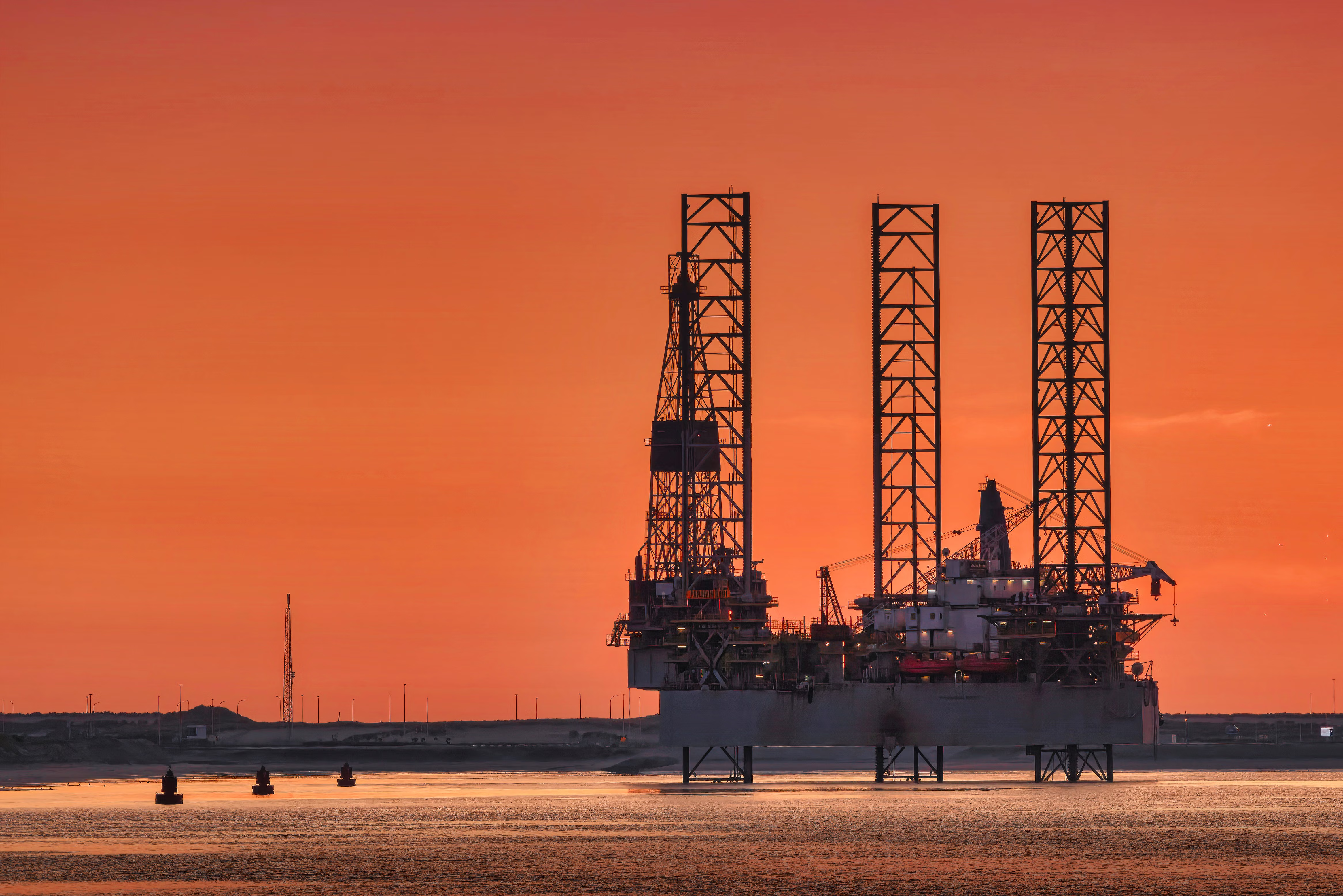
An IEA scenario requires 17M bpd from unapproved oil projects by 2035, linking exploration spending to future development investment.
- The International Energy Agency’s (IEA) World Energy Outlook 2026 (WEO-2026), published November 19, identifies approximately 17 million barrels per day (bpd) needed from projects awaiting investment approval by 2035 under its Current Policies Scenario (CPS), requiring capital for resource assessment and development.
- The CPS already includes around 10 million bpd from approved projects by 2035, leaving additional resources to compete for development funding.
- WEO-2026 estimates upstream oil and gas investment at approximately US$550 billion in 2026, up 1%, against an 8% increase in the IEA Upstream Capital Cost Index, making cost control central to financing additional production.
- Statistics Norway’s November 12 survey increased estimated 2027 exploration and concept-study spending by 14.4% from August, indicating more planned funding to evaluate future oil and gas projects.
- WEO-2026’s Additional Response Case (ARC) requires approximately 9 million bpd from new oil projects by 2035 despite declining demand, maintaining a need for resource investment across different policy paths.
2035 Supply Needs Require 17M bpd From Unapproved Projects
The IEA’s November 19 WEO-2026 identifies approximately 17 million bpd needed from yet-to-develop projects by 2035 under the CPS. This category includes discovered and undiscovered resources awaiting investment approval, creating a need for capital to locate oil, evaluate discoveries, and prepare projects for development.
The CPS combines oil demand of 106 million bpd in 2035 with an almost 25 million bpd decline in existing conventional production over the decade, despite continued recovery investment and field extensions. New projects therefore need funding both to replace declining output and to meet consumption growth.
Around 10 million bpd from already approved projects is included in the CPS supply outlook before the additional requirement is calculated. These projects have reached a final investment decision (FID), committing capital to development.
Rising Capital Costs Make Project Returns Central to Funding
WEO-2026 estimates upstream oil and gas investment at approximately US$550 billion in 2026, around 1% above 2025. For explorers, budgets tied to specific surveys or wells show how much financing is needed to complete the next assessment of resource potential, giving each funding commitment a defined purpose.
The report also projects an approximate 8% increase in the IEA Upstream Capital Cost Index in 2026, making development costs a critical input to potential returns. The IEA’s Global Energy and Climate Model (GEC Model) prioritizes projects using net present value (NPV), which discounts projected cash flows after capital costs, operating costs, and government charges into today’s money.
Norway’s Spending Plans Rise 14.4% to Finance Resource Evaluation
Statistics Norway’s November 12, 2026 survey puts planned exploration and concept-study investment for 2027 at 25.111 billion Norwegian kroner (NOK), a calculated 14.4% upward revision from the NOK21.946 billion reported in August.
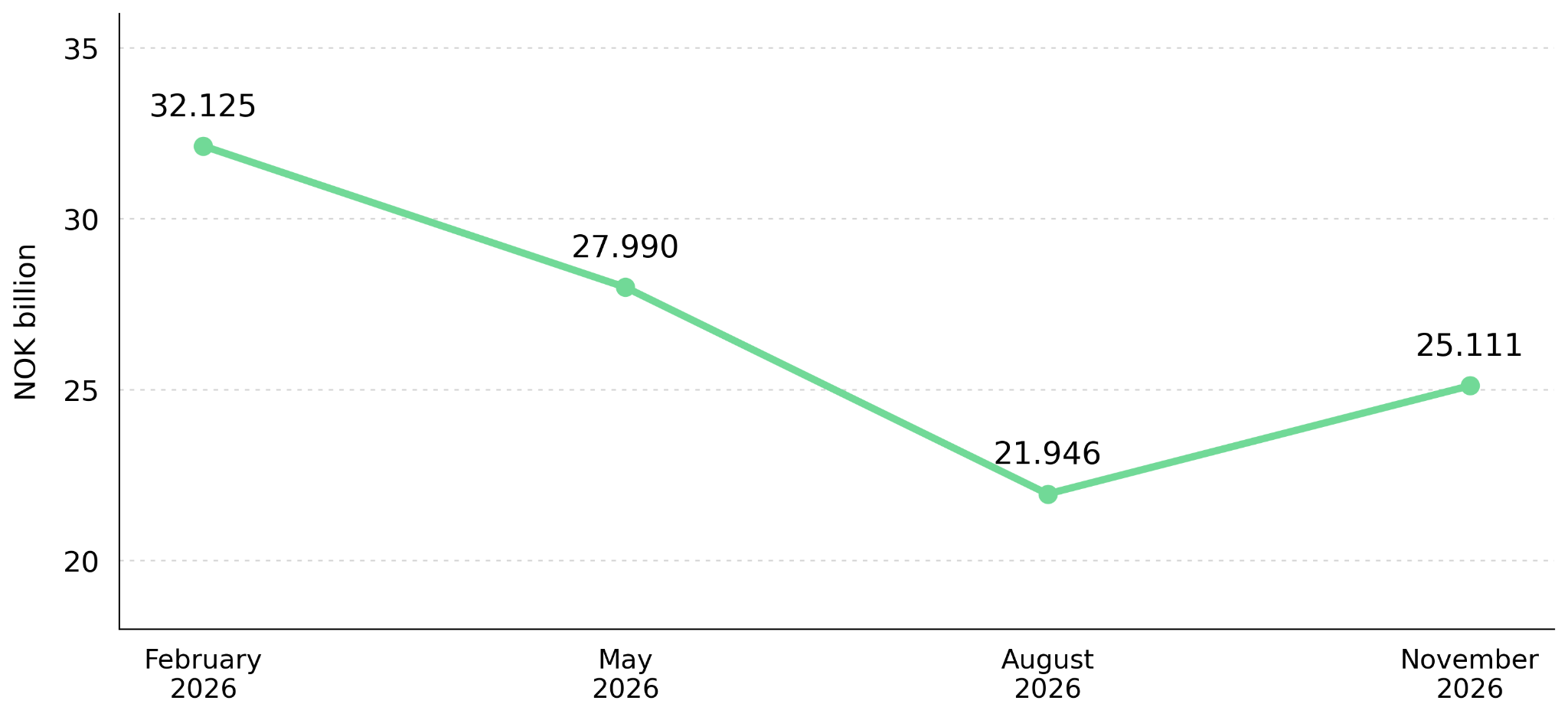
Actual exploration and concept-study expenditure reached NOK6.863 billion in the third quarter of 2026. Exploration drilling accounted for NOK3.553 billion, approximately 52% of the total.
Turkey’s Oil Imports Create a Market for Potential Discoveries
Norwegian exploration and concept-study spending included NOK949 million for general surveys and NOK1.442 billion for field evaluation in the third quarter of 2026. General surveys help identify drilling locations, while field evaluation assesses resource potential.
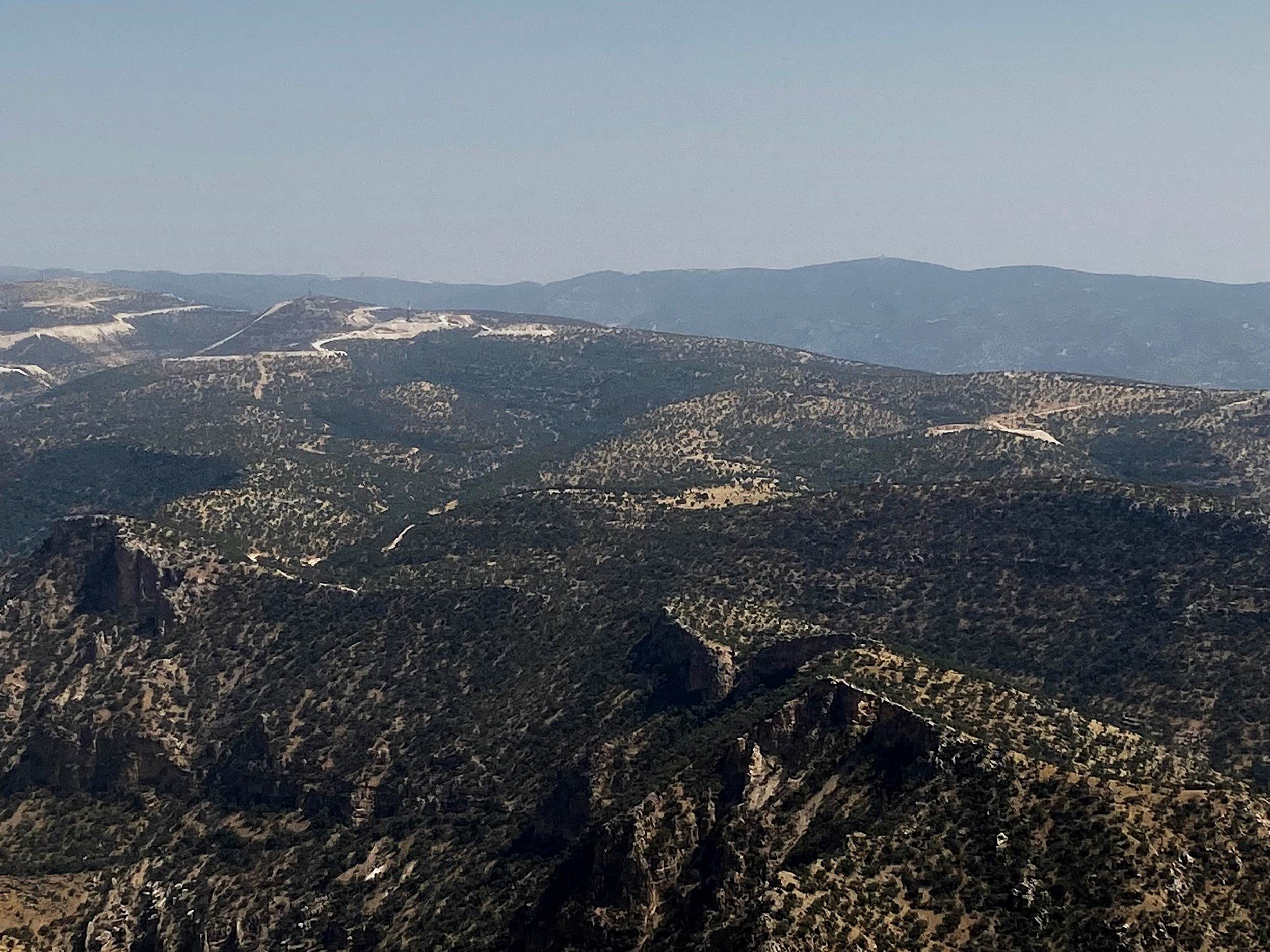
Dune Oil began a 45-kilometer seismic survey at M47 in Türkiye on November 11 to identify locations for its planned 2027 drilling program. The company has an agreement to earn a 29% working interest in the acreage. Field data collection is scheduled to finish by the end of February 2027, subject to field conditions, with processing and interpretation to follow.
Scott Lower, Chief Executive Officer of Dune Oil, explains how oil imports create a domestic market:
“Turkey is the best place to produce oil because they're a net importer of over a million barrels a day, fifth largest importer in the world of oil. Not only is there a market, but there's a well-developed capacity for refining in the country.”
Production Declines Require Continued Investment in New Projects
WEO-2026’s ARC requires approximately 9 million bpd from new oil projects by 2035 despite declining demand, compared with 17 million bpd under the CPS. Both cases require additional projects to enter production, creating a continuing need to finance exploration, evaluate discoveries, and prepare resources for development approval.
Nearly 90% of upstream oil and gas investment over the past five years has gone toward offsetting production declines. This allocation connects spending on future projects with maintaining supply, extending their commercial role beyond meeting consumption growth. Resources with credible recovery estimates, defined development costs, and funded work programs provide a clearer basis for directing capital toward that continuing supply requirement.
The Investment Thesis for Oil
- Future oil supply needs create opportunities for explorers to advance resources that could replace declining production and serve longer-term consumption.
- Seismic surveys refine drilling locations, helping direct exploration budgets toward better-defined targets before committing capital to wells.
- Drilling and flow tests provide evidence of recoverable oil and potential output, forming a basis for assessing production revenue and development costs.
- Clear ownership rights and working interests define an explorer’s share of project costs and potential revenue before larger funding commitments.
- Identified permitting requirements and realistic schedules clarify when work can proceed and when additional financing may be needed.
- Staged funding links subsequent spending to completed technical results, preserving capital flexibility as resources progress toward development decisions.
Oil’s need to replace production and serve future consumption keeps new project investment relevant across different demand outcomes. That creates an opportunity before development begins, as exploration establishes the resources on which future supply will depend. Companies that turn early funding into credible development opportunities offer a way to participate in that investment cycle, linking capital committed today with the potential cash flows of future oil projects.
TL;DR
The International Energy Agency’s (IEA) World Energy Outlook 2026 (WEO-2026) identifies 17 million barrels per day (bpd) needed from projects awaiting investment approval by 2035 under its Current Policies Scenario (CPS). Replacing declining production sustains the need for new projects across different demand outcomes, while rising capital costs make project economics central to funding. Norway’s revised exploration spending plans illustrate capital directed toward resource evaluation. Dune Oil’s M47 seismic program provides an example of work to identify drilling locations for 2027. The investment opportunity centers on explorers that turn funded technical work into evidence for subsequent development decisions.
FAQs (AI-Generated)
Analyst's Notes





Subscribe to Our Channel


Stay Informed


