




Gulf Shut-Ins and Rising Diesel Reprice Gold Project Economics



Gold mining costs rose 16% year over year, increasing the value of lower capex, phased builds, stronger infrastructure and disciplined financing.
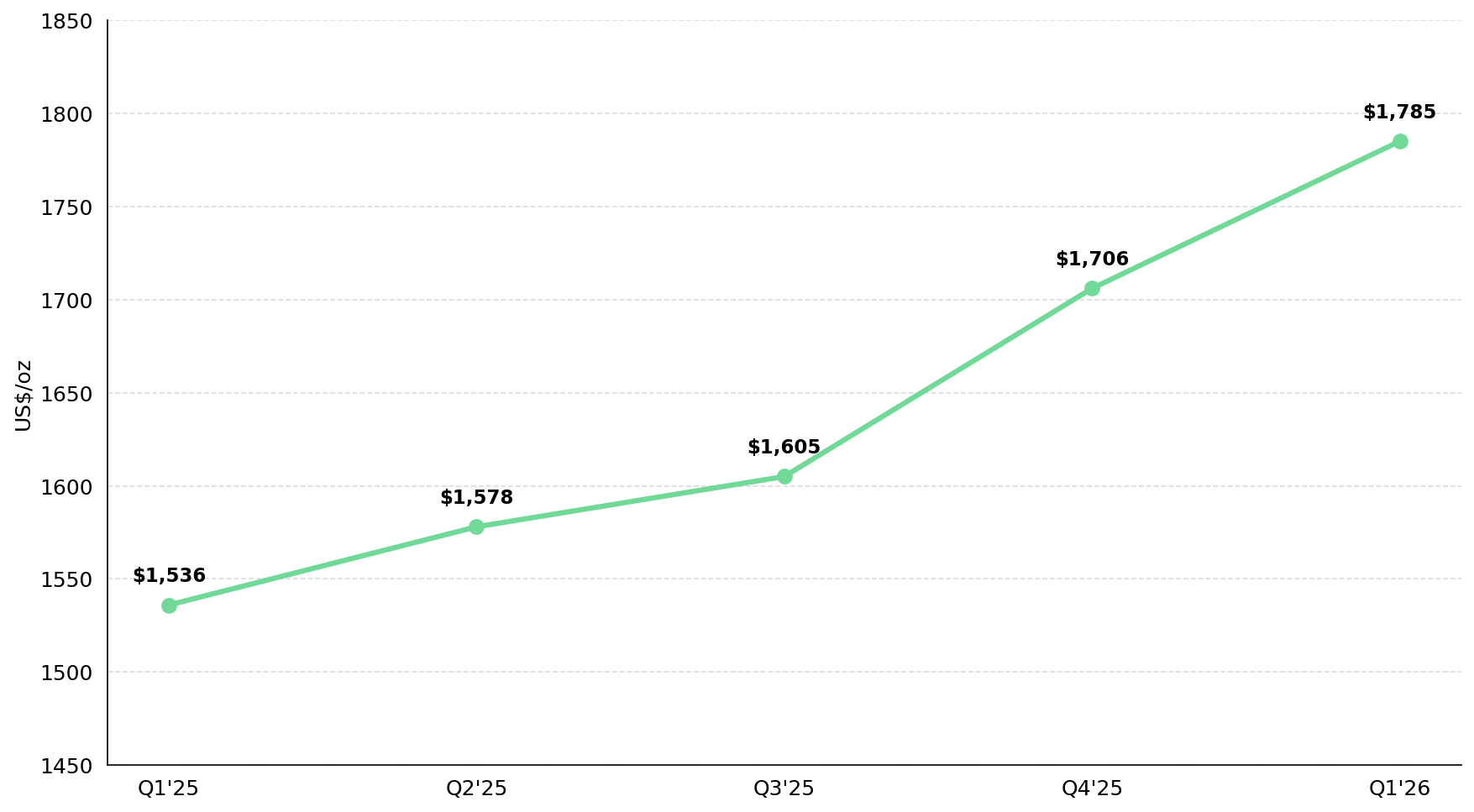
- World Gold Council (WGC) data show global average all-in sustaining costs reached US$1,785/oz in the first quarter (Q1) of 2026, up 5% quarter over quarter and 16% year over year, increasing the value of cost discipline among gold producers and developers.
- The International Energy Agency (IEA) reported US diesel and gasoil prices above US$200/bbl in early September, 94% above pre-war levels, raising costs for mine haulage, backup power, freight and other fuel-intensive operations.
- Higher gold prices can raise modeled project revenue and cash flow, but initial capital expenditure, grade, metallurgical recovery, infrastructure, permitting timelines and time to first cash flow determine how much of that benefit translates into stronger project economics.
- Gold developers can limit construction-cost exposure and external funding needs through lower initial capital requirements, phased builds, existing processing infrastructure, higher-grade initial mine plans and established road, power and labor networks.
- Project value depends less on resource size alone and more on whether those ounces can be developed into cash flow with manageable construction requirements, disciplined financing and limited exposure to cost escalation.
Energy, Royalties & Lower Grades Raise Gold Mining Costs
Gold prices have risen faster than mining costs in 2026, widening industry margins while keeping cost discipline central to project economics. Mining, processing, sustaining capital, royalties, financing and development costs determine how much of a higher gold price translates into project cash flow and valuation.
WGC's August 24, 2026 analysis reported that global average gold producer all-in sustaining costs (AISC), which include operating expenses, sustaining capital, royalties and other mine-level costs, reached a record US$1,785/oz in Q1 2026, up 5% quarter over quarter and 16% year over year. Q1 marked the 28th consecutive year-over-year increase in AISC, while royalty payments rose 24% quarter over quarter and 85% year over year as higher gold prices increased royalty charges, lifting royalties to 12% of the average operation's cost base from 6% in Q1 2021.
S&P Global Market Intelligence’s January 30, 2026 Mine cost outlook 2026 identified inflation, higher energy prices and declining ore grades as drivers of higher operating costs across metals, raising the economic hurdle that new mining projects must clear. Its August 12, 2026 first-half analysis found that, relative to its 2026 consensus forecast base case, supply disruptions increased projected copper mining costs by 5.1% and iron ore costs by 11.3%, mainly through higher reagent, shipping and diesel expenses.
IEA’s September 11, 2026 Oil Market Report reported that benchmark North Sea Dated crude reached US$113.48/bbl on September 9, while US diesel and gasoil exceeded US$200/bbl in early September, 94% above pre-war levels. More than 10 million barrels per day of Gulf oil production remained shut in during August, tightening fuel supply and increasing transportation costs. Higher diesel prices raise mine haulage, mobile-equipment and backup-power costs, while higher shipping costs increase the delivered cost of equipment, spare parts and reagents.
High Gold Prices Widen Margins & Reward Capital Discipline
S&P Global, using updated consensus forecasts for metal prices, exchange rates and inflation, projected a 24% increase in gold prices and a 5% decline in global average all-in sustaining costs, resulting in record gold-sector margins of approximately US$2,800/oz. Those margins increase the potential value of projects that can reach production without excessive construction or operating costs. Developers must fund and build their assets before generating operating cash flow, making initial capital requirements, financing terms and construction schedules critical to converting modeled gold margins into shareholder value.
Smaller First-Stage Builds Reduce Funding Needs & Accelerate Cash Flow
Capital expenditure (capex) determines how much funding a developer must commit before a project begins generating revenue, making it a critical measure alongside AISC. A large resource may support significant long-term value, but a high upfront construction requirement increases exposure to cost inflation, financing terms and schedule delays before cash flow begins. A smaller first-stage operation can reduce initial funding needs, generate earlier cash flow and validate operating assumptions before additional capital is committed to expansion.
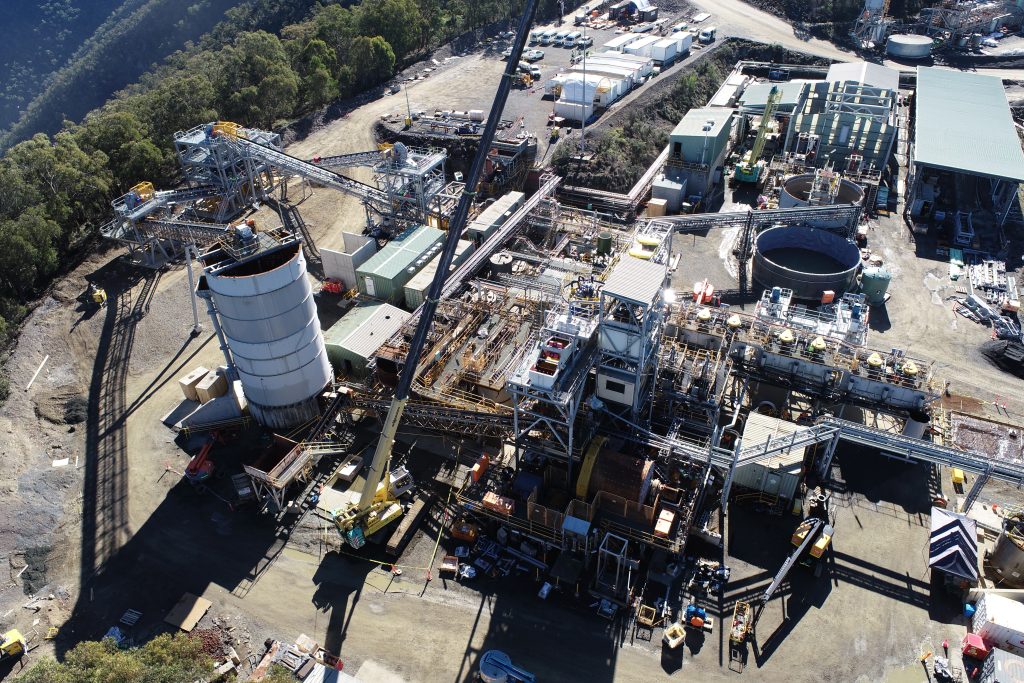
Cabral Gold has completed its first gold pour at Cuiú Cuiú, producing approximately 1,130 ounces as commissioning advances ahead of schedule. The company is now ramping mining and ore stacking toward 3,000 tonnes per day and targeting commercial production by the end of 2026, marking its transition from development into production. The Phase 1 operation also provides an operating base and several identified expansion opportunities that could simplify and de-risk the planned move into the larger hard-rock Phase 2 development. The company is using its smaller oxide operation to generate early cash flow before committing capital to the larger hard-rock development.
Higher Construction Costs Raise Financing Risk
Construction-cost inflation places greater financing pressure on development-stage projects because capital must be committed before operating cash flow begins. Established mines can absorb part of higher diesel, reagent and contractor costs through current revenue, while developers must fund those increases before production starts. Project sequencing, existing infrastructure and funding structure therefore determine how much capital is exposed to cost escalation before first cash flow.
Phased Builds Reduce Upfront Funding & Limit Financing Risk
A phased build reduces the amount of capital committed before initial production, limiting exposure to construction-cost increases and financing risk. Early operating data can also test haulage, contractor, processing and recovery assumptions before a larger expansion is funded, reducing the risk of committing additional capital against untested operating assumptions.
New Found Gold has graduated to the Toronto Stock Exchange as it advances from exploration toward gold production, strengthening its market visibility and corporate profile. Hammerdown is being advanced toward commercial gold production in the second half of 2026, while the fully funded Queensway Gold Project progresses toward Phase 1 production. Together, these milestones provide a clearer path from development into production while supporting the company's longer-term growth strategy.
Higher-Grade Sequencing Can Reduce Exposure to Rising Mining Costs
When energy and material-handling costs rise, ore grade becomes more important because higher-grade material contains more gold per metric ton, measured in grams per metric ton (g/t), and can reduce the amount of material mined and processed for each ounce produced. Higher grade does not guarantee lower costs because mining method, geometry, dilution, metallurgy and recovery also affect economics, but it can reduce exposure to haulage and processing costs when those factors remain favorable.
Cut-off grade, the threshold above which material is considered economically mineable under defined assumptions, can influence capital recovery because sequencing higher-value material earlier can increase early cash generation and shorten payback before lower-grade portions of the resource enter production.
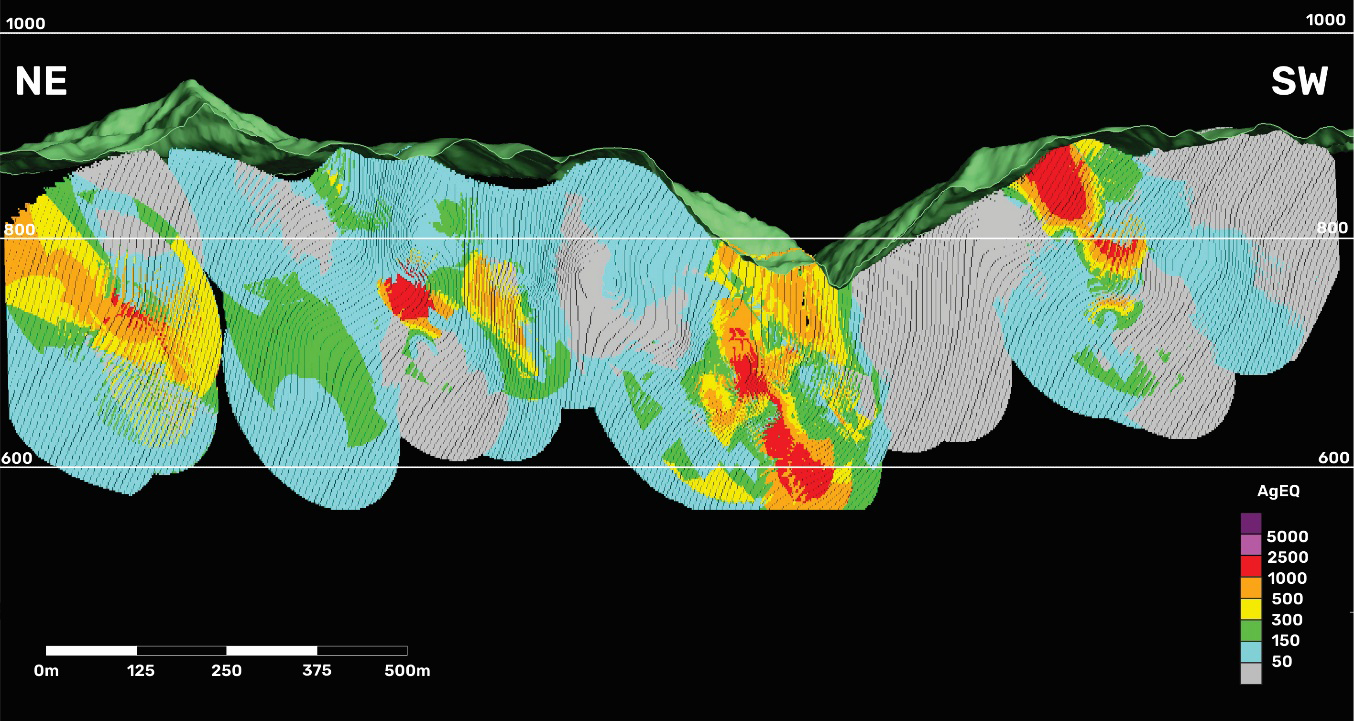
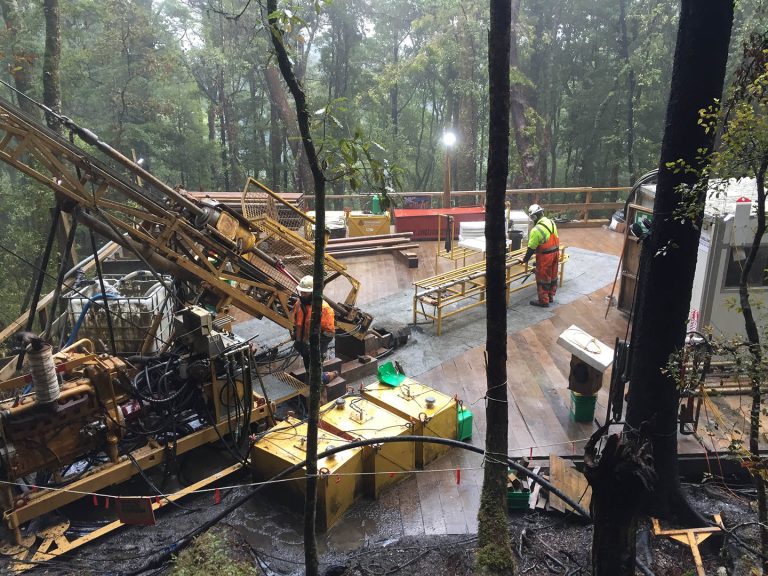
Tudor Gold has expanded the exploration potential at Treaty Creek after the first four holes of its 2026 Perfectstorm program identified a new copper-gold-silver-molybdenum porphyry system and confirmed continuity of a separate gold-silver epithermal system over more than 360 metres of strike. The new porphyry system remains open in all directions, while two drills are now focused on both priority targets. The results broaden the mineralized footprint beyond the established Goldstorm Deposit and provide additional targets that could contribute to future resource growth at Treaty Creek.
Construction Inflation Raises Risk & Rewards Permitted, Infrastructure-Ready Projects
Infrastructure can be a major source of mining capex because roads, power, water systems, accommodation and workforce logistics may need to be built before production begins. Existing infrastructure reduces the amount of new construction required, lowering upfront capex and limiting exposure to equipment, labor and construction-cost inflation.
Approved Permits & Infrastructure Lower Execution Risk & Support Financing
Long permitting timelines extend the gap between technical-study cost estimates and construction, increasing exposure to changes in labor, equipment and material prices before capital is committed. Major permits reduce regulatory delay risk and shorten the path from financing to construction, although they do not remove financing, cost-overrun or execution risk.
U.S. Gold Corp continues to advance the fully permitted CK Gold Project, where preliminary site work has begun and existing access to Interstate 80, major railways, nearby power and a locally housed workforce. The March 2026 Feasibility Study estimates initial capital of approximately US$394 million, with an after-tax Net Present Value at a 5% discount rate (NPV5%) of US$632 million and a 27% after-tax Internal Rate of Return (IRR) at US$3,250/oz gold. With project financing discussions underway and a construction decision targeted as soon as the second half of 2026, CK Gold has a defined path toward potential first production as soon as late 2028.
Wide Gold Margins & Rising Costs Determine How Projects are Screened
Gulf oil-production shut-ins and diesel prices above US$200 per barrel are increasing haulage, backup-power, freight and equipment costs across the gold sector. Although wide gold margins can absorb some of this pressure, projects with lower capital expenditure, manageable financing requirements and limited operating-cost exposure are better positioned to convert those margins into cash flow.
Initial capital expenditure per unit of planned production, all-in sustaining cost assumptions, grade, dilution, metallurgical recovery, infrastructure, funding visibility, permitting status and time to first cash flow determine a project’s resilience to higher fuel and construction costs. Net Present Value and Internal Rate of Return estimates remain dependent on the cost, schedule and commodity-price assumptions underpinning them.
Resource size alone carries less weight when Gulf disruptions and higher diesel prices raise development and operating costs. Projects that can withstand higher fuel, equipment, royalty and financing expenses without major changes to their mine plans or capital structures retain a more credible path from resource to cash flow.
The Investment Thesis for Gold
- Lower initial capex reduces the funding required before first cash flow and limits exposure to construction-cost inflation.
- Phased development can reduce upfront financing needs and allow cash flow from an initial operation to fund later expansion, lowering dependence on additional equity issuance.
- Existing roads, grid power, mills, ports and nearby labor pools reduce new infrastructure requirements, lowering upfront capex and construction risk.
- Higher-grade initial mine plans can increase early cash generation and shorten capital payback where metallurgical recovery, dilution and mine geometry support the planned economics.
- Major permits secured before financing reduce regulatory delay risk and limit exposure to changes in labor, equipment and material costs between technical studies and construction.
- Disciplined financing structures can reduce dilution and refinancing risk, provided debt service remains supportable under lower gold-price assumptions.
- AISC, capex, recovery, funding and schedule assumptions must support a credible path to cash flow; headline resource size alone does not establish development value.
Gold prices remain well above industry costs, but rising mining inputs still determine how much of that margin converts into project cash flow. Assets with lower capex, supportive grades, established infrastructure, advanced permitting and disciplined financing retain more of the gold-price margin and support stronger relative valuations by reducing cost-escalation, funding and dilution risk.
TL;DR
Gold prices remain well above industry costs, but rising energy, royalty, construction and operating expenses are making project execution more important to gold-development value. Global average all-in sustaining costs reached US$1,785/oz in Q1 2026, up 16% year over year, while higher diesel, freight and reagent costs add further pressure. Wide gold margins still support attractive project economics, but lower initial capex, phased development, higher-grade sequencing, existing infrastructure, advanced permitting and disciplined financing can improve the path to cash flow and reduce exposure to cost escalation, dilution and financing risk.
FAQs (AI-Generated)
Analyst's Notes





Subscribe to Our Channel









Stay Informed






















