




i-80 Gold Corp & Lone Tree Plant Refurbishment: 8 Things You Need to Know


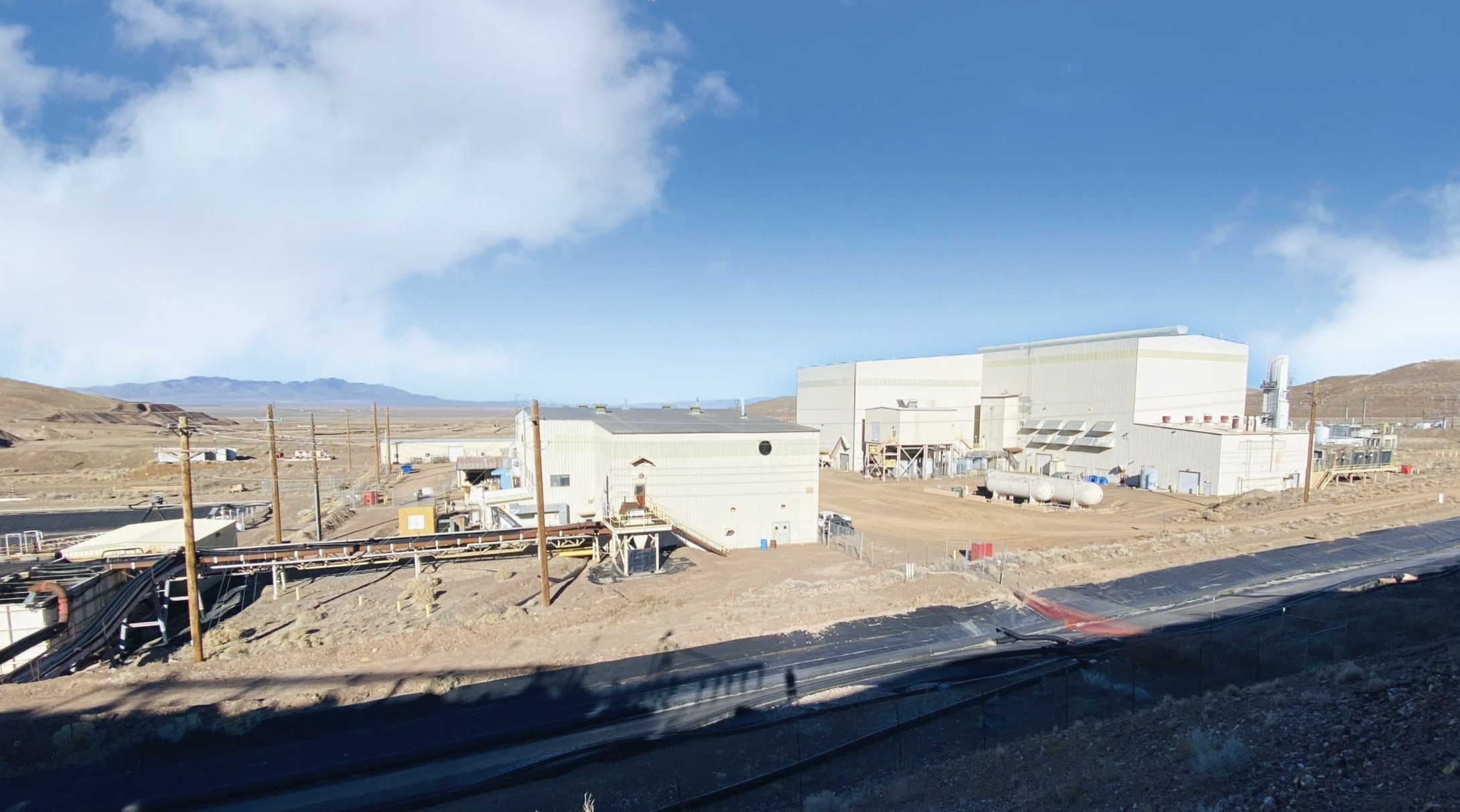
i-80 Gold Corp's construction of the Lone Tree Plant autoclave refurbishment is advancing on budget, unlocking key processing margin benefits for Nevada gold mines.
Project Overview
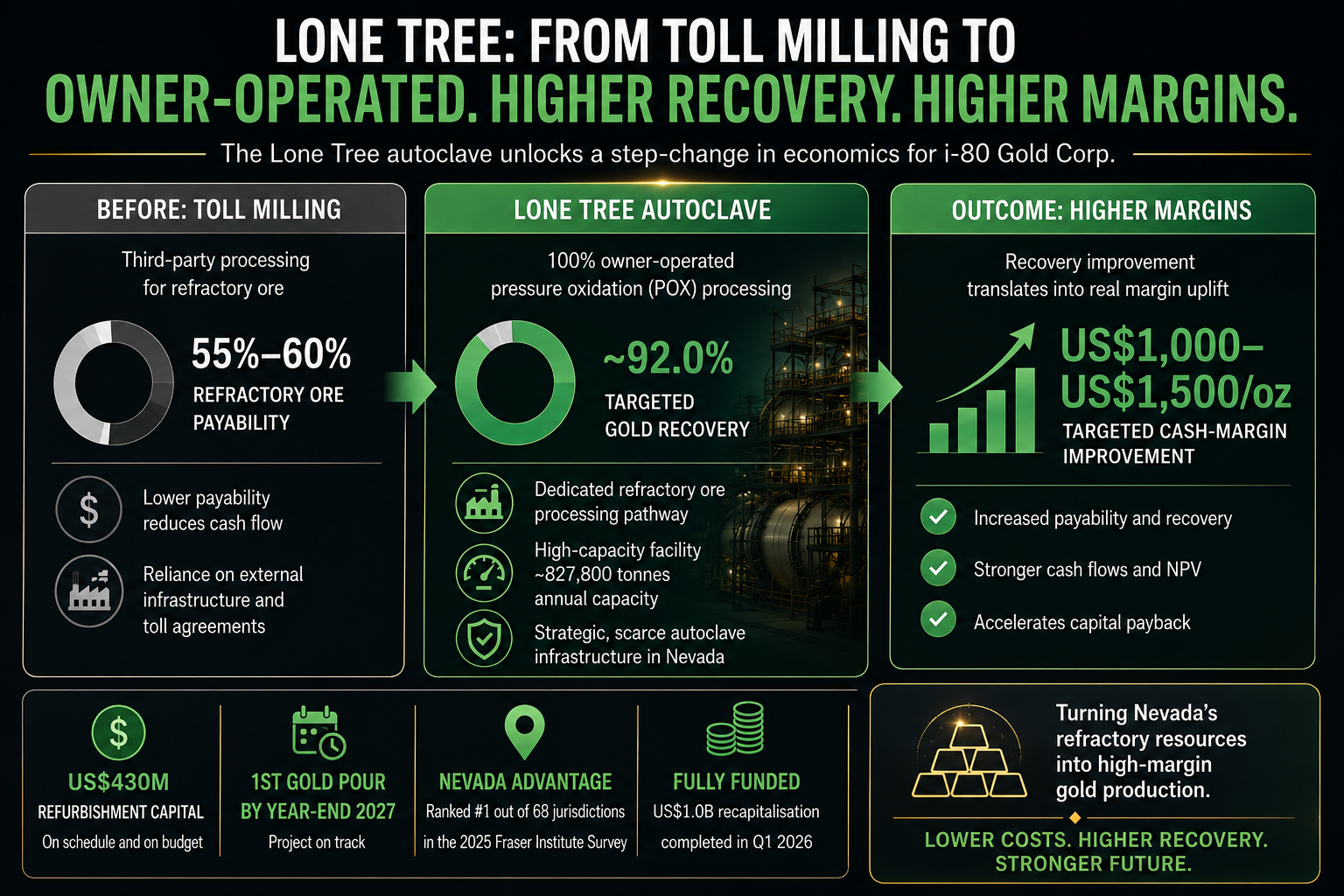
i-80 Gold Corp (NYSE: IAUX | TSX: IAU) is advancing the refurbishment of its 100% owner-operated Lone Tree autoclave and carbon-in-leach (CIL) processing facility in Nevada to secure a dedicated pathway for refractory ore treatment. The project transitions the company to an owner-operator model to reduce costs and increase cash margins by US$1,000 to US$1,500 per ounce of gold. Owner-operated processing at Lone Tree is targeted to increase refractory ore payability from 55% to 60% under toll milling, and to approximately 92% recovery. The US$430 million capital program remains on schedule and on budget for 1st gold pour by year-end 2027. A US$1 billion recapitalisation, completed in the first quarter of 2026, fully funds Phase 1 and Phase 2 mining developments and the autoclave refurbishment without further equity dilution.
1. The Core Catalyst: Establishing the Lone Tree Central Processing Hub
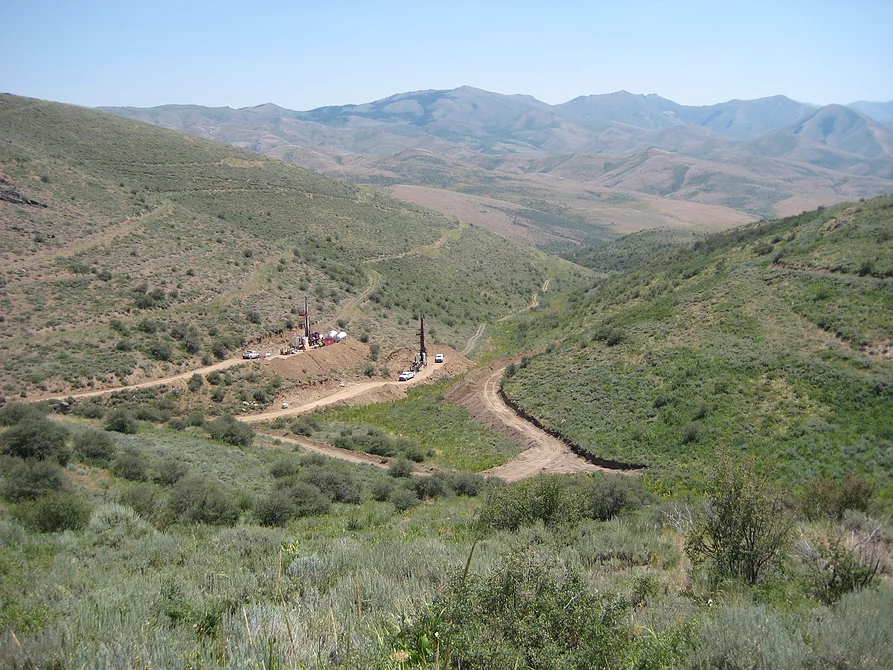
The refurbishment of the Lone Tree complex establishes a 100% owner-operated processing hub to centralise ore treatment from high-grade underground mines. Located adjacent to Interstate 80, the facility acts as the core of the hub-and-spoke strategy. This model allows mines at Granite Creek, Archimedes, and Cove to transport material directly to a single location, avoiding the capital costs of constructing individual mills at each mine site.
The plant has a design throughput of approximately 2,268 tonnes per day, yielding a total annual capacity of approximately 827,800 tonnes at 85% plant availability. Processing both refractory sulfide and non-refractory oxide material through a unified circuit is targeted to improve project payability and secure an independent pathway to gold production.
2. The Economic Impact: Unlocking a US$1,000 to US$1,500 per Ounce Margin Uplift
The transition from third-party toll milling to internal autoclave processing is targeted to reduce operating costs and increase cash margins by up to US$1,500 per ounce of gold. Currently, i-80 Gold Corp relies on third-party toll-milling to treat refractory ore mined at Granite Creek. Under these legacy contracts, payability factors on refractory gold material are limited to 55% to 60%, which penalises cash flows and net present value (NPV) calculations, as disclosed in the March 31, 2025 Granite Creek Preliminary Economic Assessment (PEA), which assumed a base-case gold price of US$2,175 per ounce.
Once the Lone Tree autoclave is commissioned, owner-operated processing is targeted to increase refractory ore payability and recovery to approximately 92.0%. According to the December 18, 2025 Lone Tree Plant Refurbishment Study, capturing this recovery differential reduces costs and expands cash margins by an estimated US$1,000 to US$1,500 per ounce of gold, depending on grade and gold price. This margin expansion accelerates capital payback and strengthens portfolio-wide cash flows.
3. The Autoclave Technology: Overcoming Nevada's Refractory Processing Barriers
By securing owner-operated autoclave infrastructure, i-80 Gold Corp overcomes the extreme permitting and financial barriers associated with treating refractory ores. Processing refractory sulfide material requires advanced pressure oxidation (POX) technology to break down sulfide minerals and expose gold particles for chemical extraction, a capability that is incredibly scarce and tightly held in Nevada.
The autoclave at Lone Tree is 1 of only 2 central POX facilities in Nevada outside of those controlled by Nevada Gold Mines. Permitting and constructing a new greenfield autoclave complex in the state is estimated to take 6 to 8 years and require up to US$1.5 billion in capital expenditure, making new builds economically prohibitive.
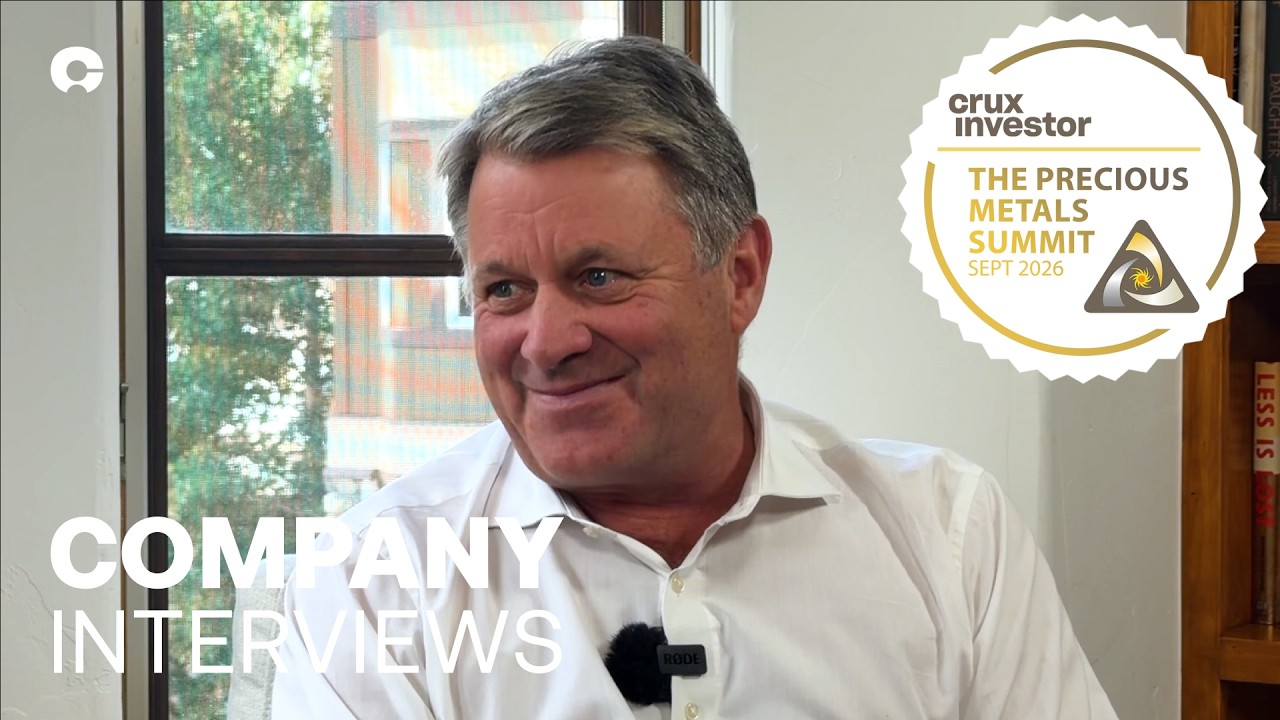
President & Chief Executive Officer of i-80 Gold Corp, Richard Young, detailed the extreme competitive moat of this processing asset:
"I think the easiest way for investors to think about our company is we're one of two companies with an autoclave technology in Nevada, which means we can process refractory materials that, other than Nevada gold mines, nobody can"
4. Refurbishment Status: Demolition & Detailed Engineering Progressing on Schedule
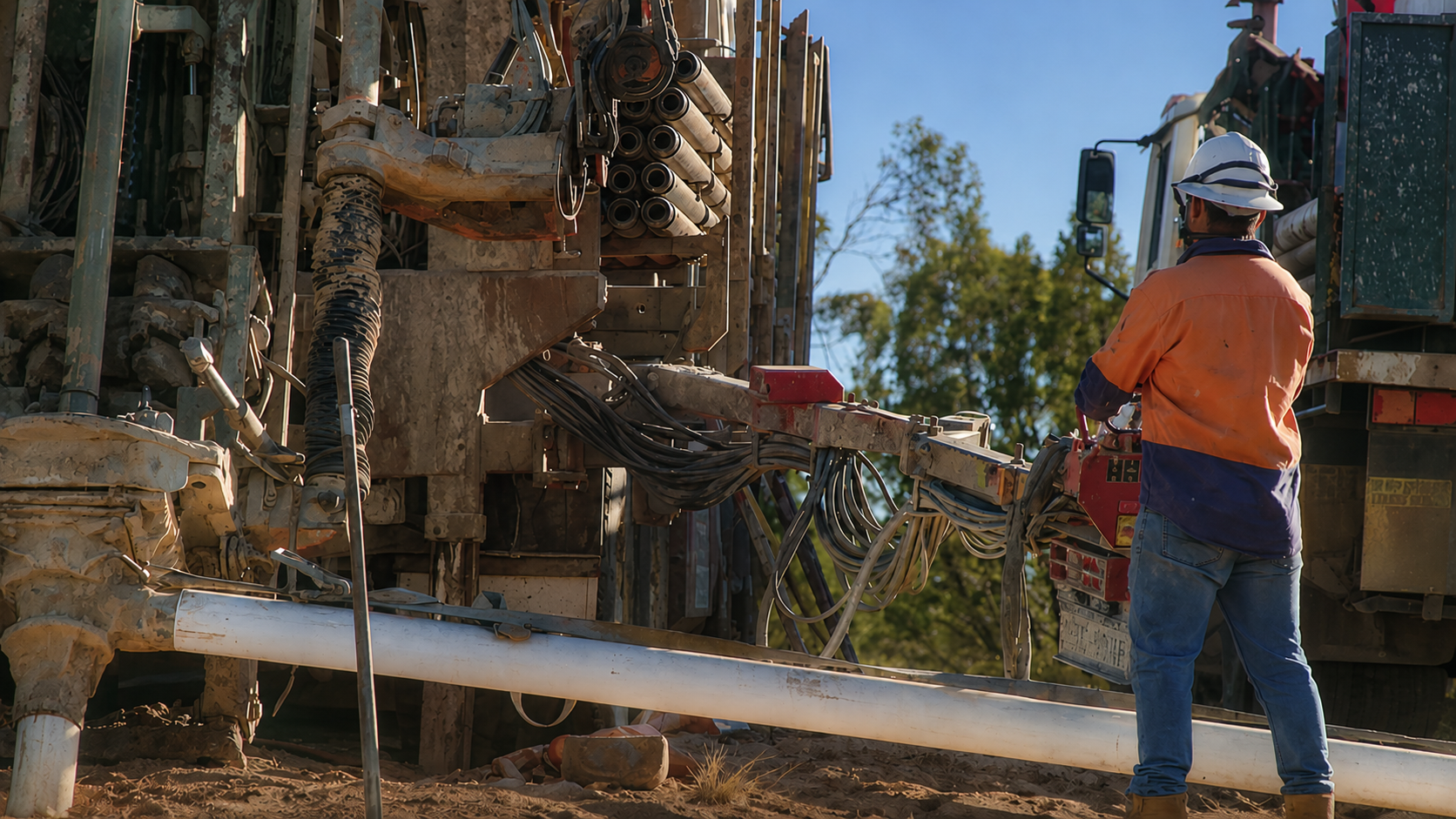
Early site works, plant demolition, and detailed engineering are advancing on schedule ahead of major construction commencing in the fourth quarter of 2026. Demolition of old, redundant plant components requiring replacement began in mid-June 2026 and will run through the fourth quarter of 2026, including dismantling the legacy 115-foot thickener tank and old CIL tanks.
Hatch Ltd. is leading the engineering, procurement, and construction management (EPCM) program and is expanding its engineering team to support the buildout. Detailed engineering is approximately 30% complete as of mid-July 2026, and approximately 50.0% of procurement packages by value have been awarded. This preparation keeps the refurbishment on target for the 1st gold pour by year-end 2027.
5. Project Capital: A Manageable & Low-Risk US$430.0 Million Budget
The Lone Tree refurbishment capital remains strictly on budget, with minimal contingency drawdown, supported by a highly detailed cost-control model. The total capital cost estimate of US$430.0 million includes a 12.0% contingency, initial chemical fills, freight, capital spares, and owner's costs. Capital expenditures (CAPEX) align with the company's 2026 guidance of US$140 million to US$160 million, with approximately 40% of the capital committed as of mid-July 2026.
This refurbishment represents a low-risk, brownfield execution plan with comparatively low labour intensity. Brownfield execution requires 600,000 direct construction hours, compared to over 1 million hours for typical greenfield projects. Engineering work by Hatch Ltd. was initiated 3 years prior to the construction decision, resulting in a Class 3 estimate supported by approximately 14,000 individual cost-control line items.
6. Fully Funded Phase 1 & 2 Runway: Supported by a US$1 Billion Recapitalisation
A transformational US$1 billion recapitalisation package completed in early 2026 provides a fully funded pathway to execute the initial 2 development phases. The recapitalisation program, closed in the first quarter of 2026, comprised a US$300 million equity financing and a US$775 million structured debt and royalty package. This allowed the company to retire approximately US$165 million in legacy debt, clean up its balance sheet, and secure a cash position of US$513.5 million as of March 31, 2026.
This capital runway is designed to fund all construction and pre-development activities across the 3 Phase 1 underground deposits and the Lone Tree autoclave refurbishment. By securing this funding before major construction, the company protects its equity from further dilutive capital raises.
Young explained the balance sheet recapitalisation:
"In the first quarter of this year we announced and closed essentially three different debt facilities or royalties for about 800 million US to complete the recap. We've now recapitalised the balance sheet, and now we're just moving forward on that execution plan of the three-phase plan that we laid out in the fall of 24 that will see production rise from 50,000 ounces this year to more than 600,000 ounces early in the 2030s"
7. Risk Management: Addressing Hydrology, Grade Variance, & Commissioning Variables
Achieving the targeted production ramp-up requires managing technical and geological execution risks across the active mining and processing pipeline. Hydrological dewatering represents a critical variable, especially at Granite Creek underground where declines encounter groundwater inflows. To mitigate water ingress, the company commissioned a second, expanded water treatment facility in June 2026 to stabilise the decline in development rates.
Geological model reconciliation also represents an ongoing operational task. Early underground development encountered lower-than-modelled grade reconciliation due to structural complexity and grade mismodeling, requiring extensive infill drilling. Additionally, capital control for the US$430 million autoclave refurbishment is a key variable, and EPCM scheduling must be strictly maintained to prevent commissioning delays beyond late 2027.
8. Near-Term Catalyst Timeline: Upcoming Technical Feasibility & Commissioning Milestones
A series of technical feasibility, construction and commissioning milestones is expected to de-risk the development pipeline through the first quarter of 2027. Construction is ramping up at Lone Tree while engineering and resource conversion programs advance across the portfolio to support bankable feasibility studies. Nevada’s position as the No. 1-ranked jurisdiction among 68 jurisdictions in the 2025 Fraser Institute Annual Survey of Mining Companies Investment Attractiveness Index also provides a supportive regulatory backdrop.
The near-term catalyst sequence begins in the third quarter of 2026 with the targeted completion of bankable feasibility studies for the Granite Creek and Cove underground mines, followed in the fourth quarter of 2026 by first gold mined from Upper Archimedes and the start of main construction at Lone Tree. By the first quarter of 2027, Hatch Ltd. is targeting completion of detailed EPCM engineering for the Lone Tree autoclave, while the Archimedes underground bankable feasibility study is anticipated to be completed in late first quarter of 2027. Together, these milestones provide a defined sequence for advancing feasibility, construction and production across the development pipeline.
Key Takeaway for Investors
The refurbishment of the Lone Tree autoclave represents the critical commercial link that transforms i-80 Gold Corp's extensive geological resources into high-margin gold production. By eliminating its reliance on third-party toll agreements, the company secures operational independence, captures recovery-driven margin expansions of 1,000 to 1,500 United States dollars per ounce of gold, and establishes a clear path to achieve mid-tier gold production status. This transition is fully funded by the company's cash position of US$ 513.5 million as of March 31, 2026, secured through a comprehensive recapitalisation package of US$1 billion. Operating in Nevada, which is ranked 1st out of 68 jurisdictions globally for mining investment attractiveness according to the 2025 Fraser Institute Annual Survey of Mining Companies, provides i-80 Gold Corp with a highly stable regulatory framework to execute its development plan. Investors should monitor the progression of engineering through the end of the first quarter of 2027, the onset of main plant construction in late 2026, and the release of updated feasibility studies (UFS) for Cove and Granite Creek in the third quarter of 2026 as key milestones that will drive near-term equity re-rating.
Analyst's Notes





Subscribe to Our Channel


Stay Informed






















