




Made in America - Visiting Integra Resources' Florida Canyon Mine


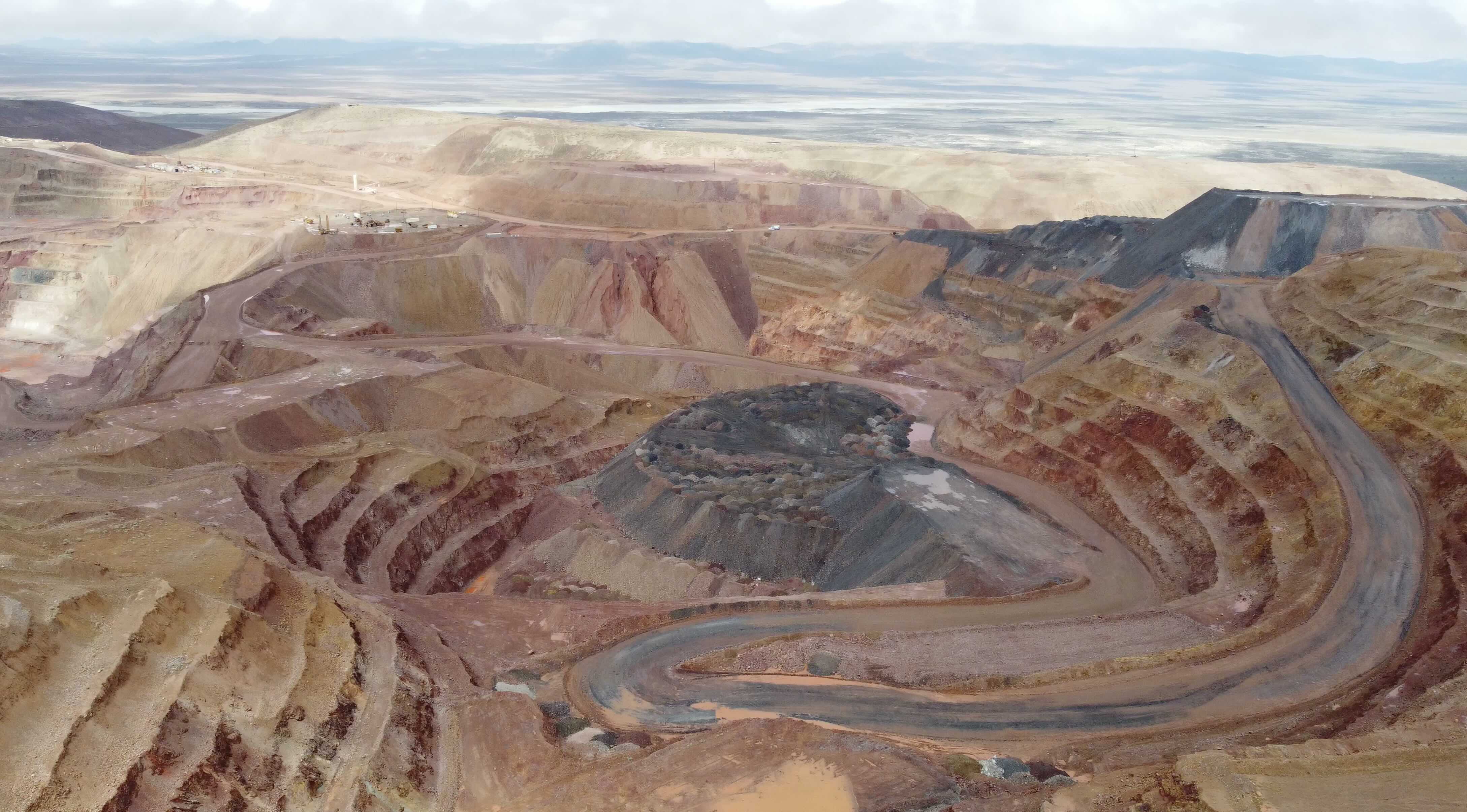
Integra Resources' Florida Canyon: a producing Nevada gold mine with a new feasibility study confirming a longer mine life and lower costs.
- Integra Resources acquired Florida Canyon, a producing Nevada gold mine, 18 months ago and has already mobilized significant drilling to extend what was originally viewed as a five-year mine life.
- Integra's feasibility study and mine plan, released June 25th, confirm a materially longer mine life, extending to eight years or more, alongside improved grade and efficiency gains from steepened pit walls and a refreshed equipment fleet.
- Production has grown from a historical 50,000 to 60,000 ounces annually to 70,000 to 75,000 ounces currently, with guidance for 80,000 to 85,000 ounces next year.
- Beyond Florida Canyon, Integra holds a large, largely unexplored land package along the Humboldt Fault, including the separate Standard deposit and a broader corridor between the two properties.
- The company is generating meaningful free cash flow, holding $106 million in treasury, with a stated goal of funding roughly half the construction cost of its Delamar project internally to minimize shareholder dilution.
The Made in America Series
Nevada remains one of the most consistently ranked mining jurisdictions in the world, with a century-plus of continuous mining history and a regulatory environment that companies and regulators alike understand well. For a project like this, sitting within that jurisdiction isn't just a backdrop, it's part of the investment case in its own right. This visit is part of Crux Investor's Made in America series, a tour through Nevada's mining projects, sitting down with the teams building them.
With that context set, here's what we found on the ground at Integra Resources' Florida Canyon mine.
Introduction to Florida Canyon & Overview
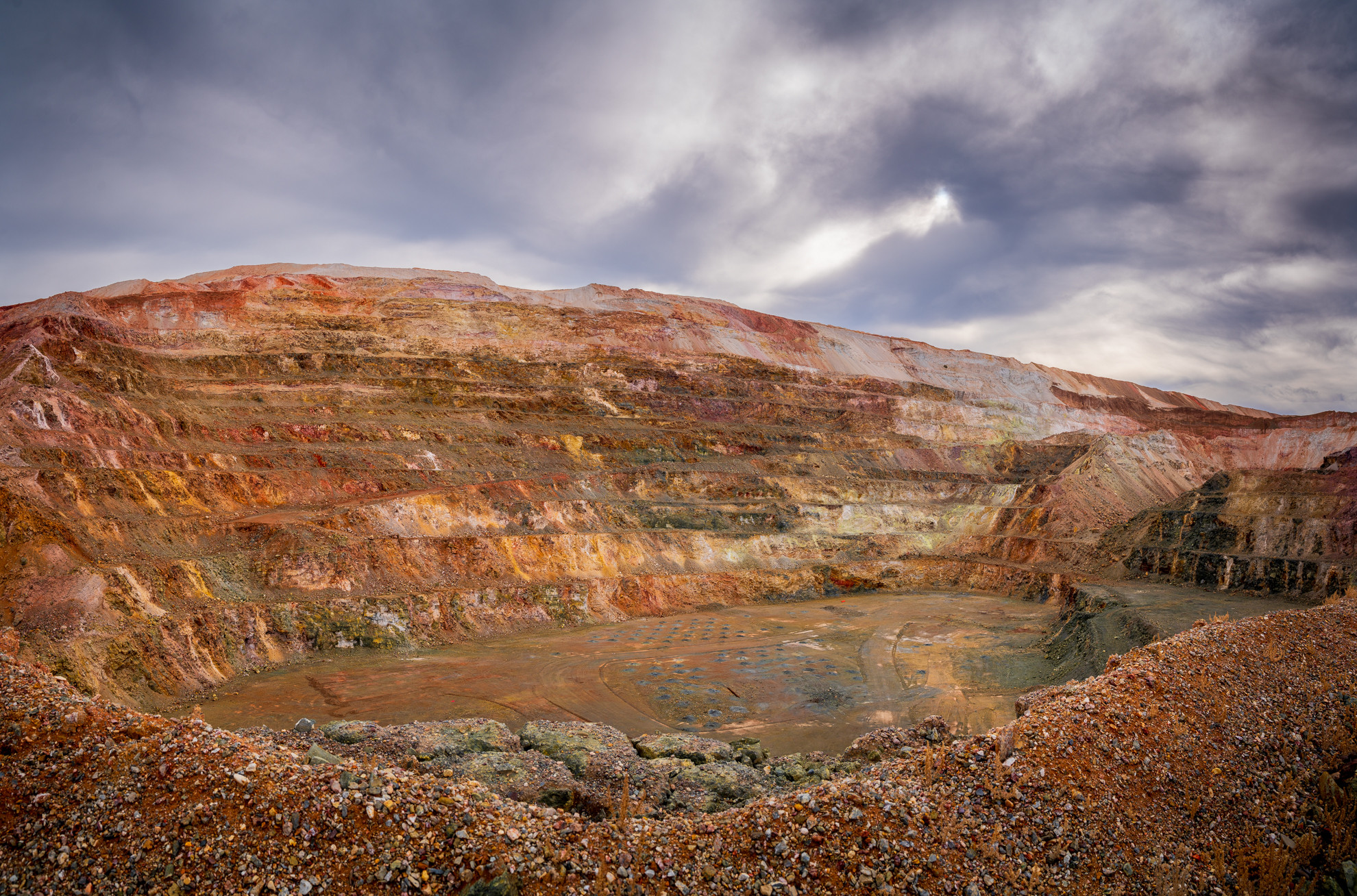
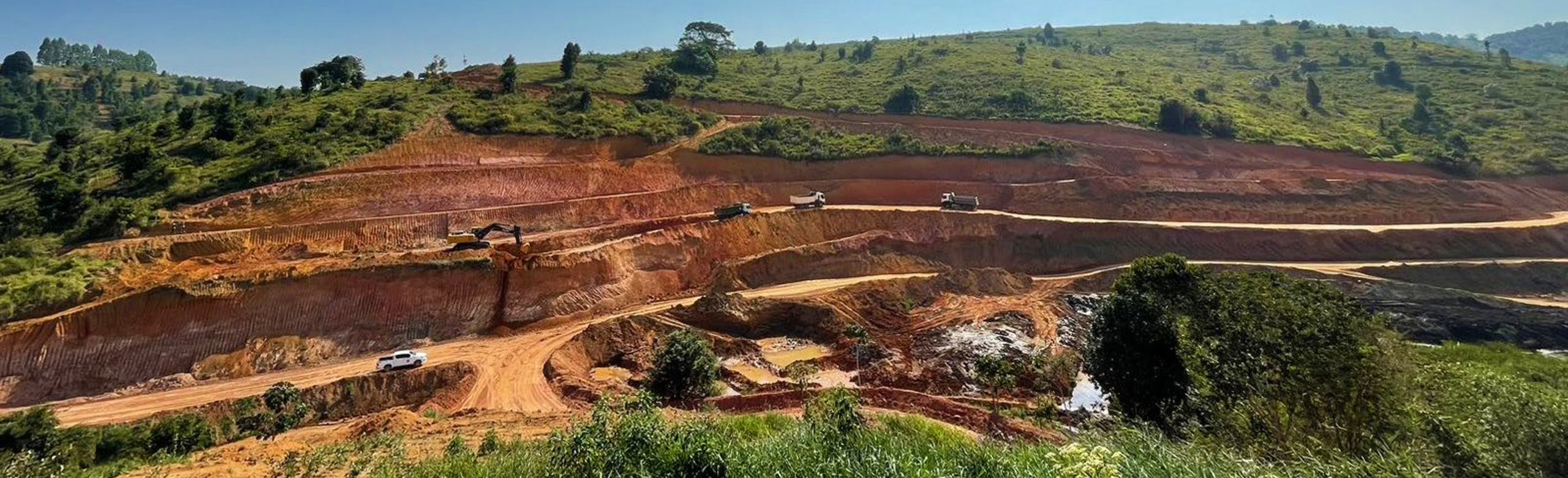
Standing atop Radio Tower Hill with CEO George Salamis, the sheer scale of Florida Canyon is immediately obvious. The operation has been running for 35 years, spans roughly 2.5 kilometres across, and recently poured its three millionth ounce. Integra has owned the mine for 18 months, acquiring it primarily as a source of near-term cash flow to fund the company's broader growth ambitions.
Salamis was candid that the asset has already exceeded initial expectations:
"At first we looked at this as a transitional asset, I guess, for lack of a better word. But I think we're starting to see signs that there's more to it than what we bought, what we paid for eighteen months ago."
That shift in view is the direct result of drilling. Integra's due diligence identified a mine that had seen very little exploration investment over the prior two decades, largely because lower gold prices had left little free cash flow to reinvest in the ground. Immediately after acquiring the asset, the company mobilized drill rigs and completed 16,000 metres of drilling, testing the hypothesis that Florida Canyon could grow from both a resource and reserve perspective.
The Florida Canyon Mine Site Visit, with the Integra Resources Team
A 35-Year Operation: History & Acquisition
Florida Canyon's ownership history reflects much of Nevada mining's broader story. The mine began operating under Pegasus in 1986, before financial troubles in the early 2000s led to a series of different owners and intermittent stops and starts through 2011. Continuous production resumed in 2016, and the mine was later acquired by Argonaut Gold in the late 2010s, before Argonaut merged with, and was ultimately acquired by, another company in 2024, bringing Florida Canyon under Integra's ownership.
General Manager Greg Robinson, who joined the site in 2023 under Argonaut and has stayed on through the Integra transition, described the operation's historical production profile before laying out where things stand today. Output has climbed from a historical range of roughly 50,000 to 60,000 ounces annually to an average of 70,000 to 75,000 ounces now, supported by a deliberate ramp-up in mining rates:
"We're pushing about 75-85,000 tons a day, steadily ramping up. That's about 20-30% more tons per day than we average traditionally."
Exploration & Extending Mine Life
The centerpiece of Integra's near-term story is its feasibility study and mine plan, released June 25th, confirming a materially longer mine life than the five years Integra initially purchased. Salama laid out both the scale of the drilling program behind that result and his confidence going in:
"Last year we did 16,000 metres of drilling. This year we're on track to 42,000 just at this site alone. The objective of that was simple - to add mine life to the five years that we bought with this asset. We've got a pretty high conviction rate that we will add mine life as a result of that drilling to come."
Beyond simple mine life extension, the study is also expected to capture improving grade profiles as mining advances into the higher-grade central pits around 2027 and 2028, alongside efficiency gains from a refreshed equipment fleet and modest geotechnical improvements to pit wall angles, changes Salamis noted can meaningfully reduce the amount of waste rock that needs to be moved for each ounce of ore mined.
Efficiency Gains & Fleet Investment
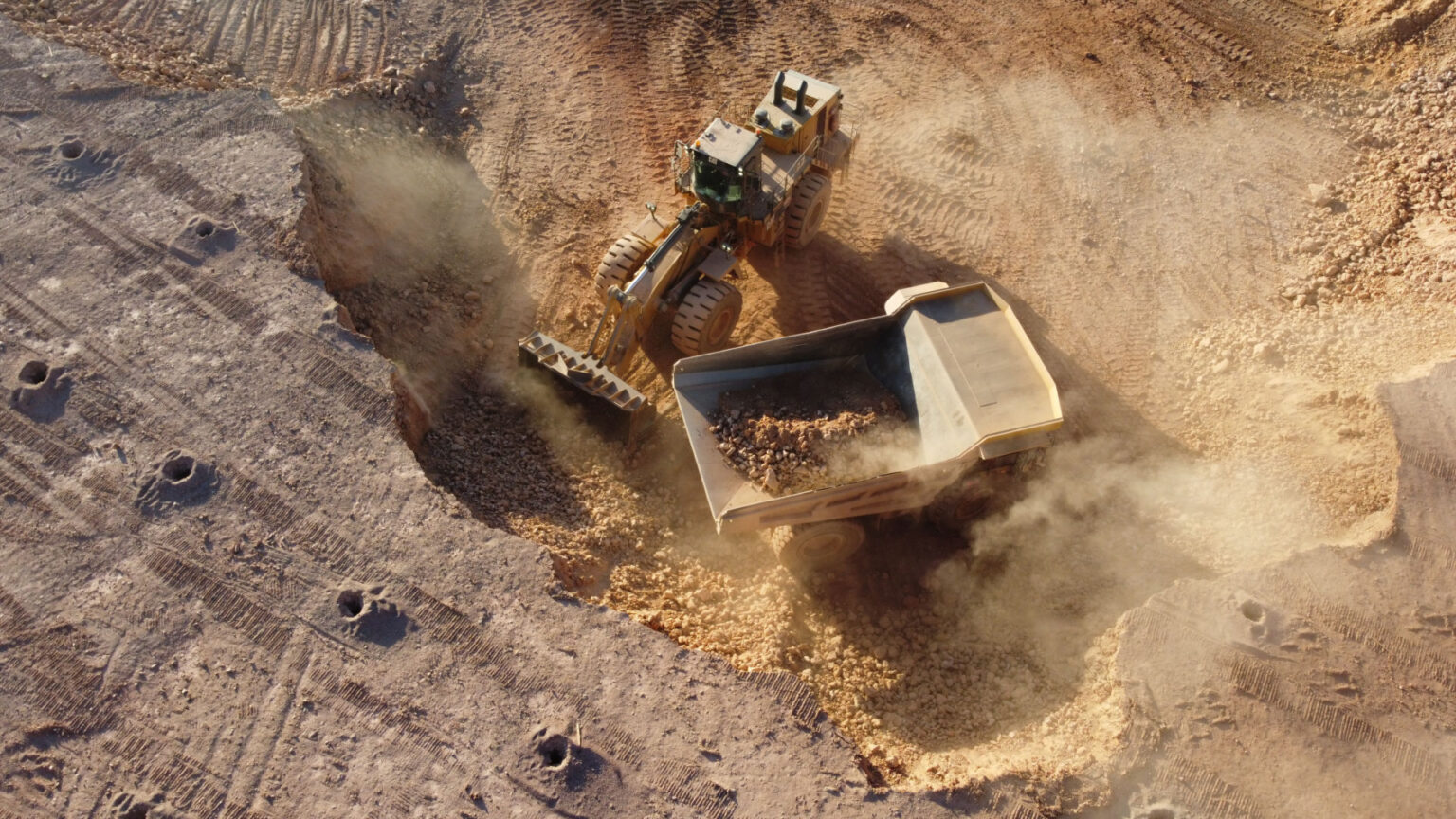
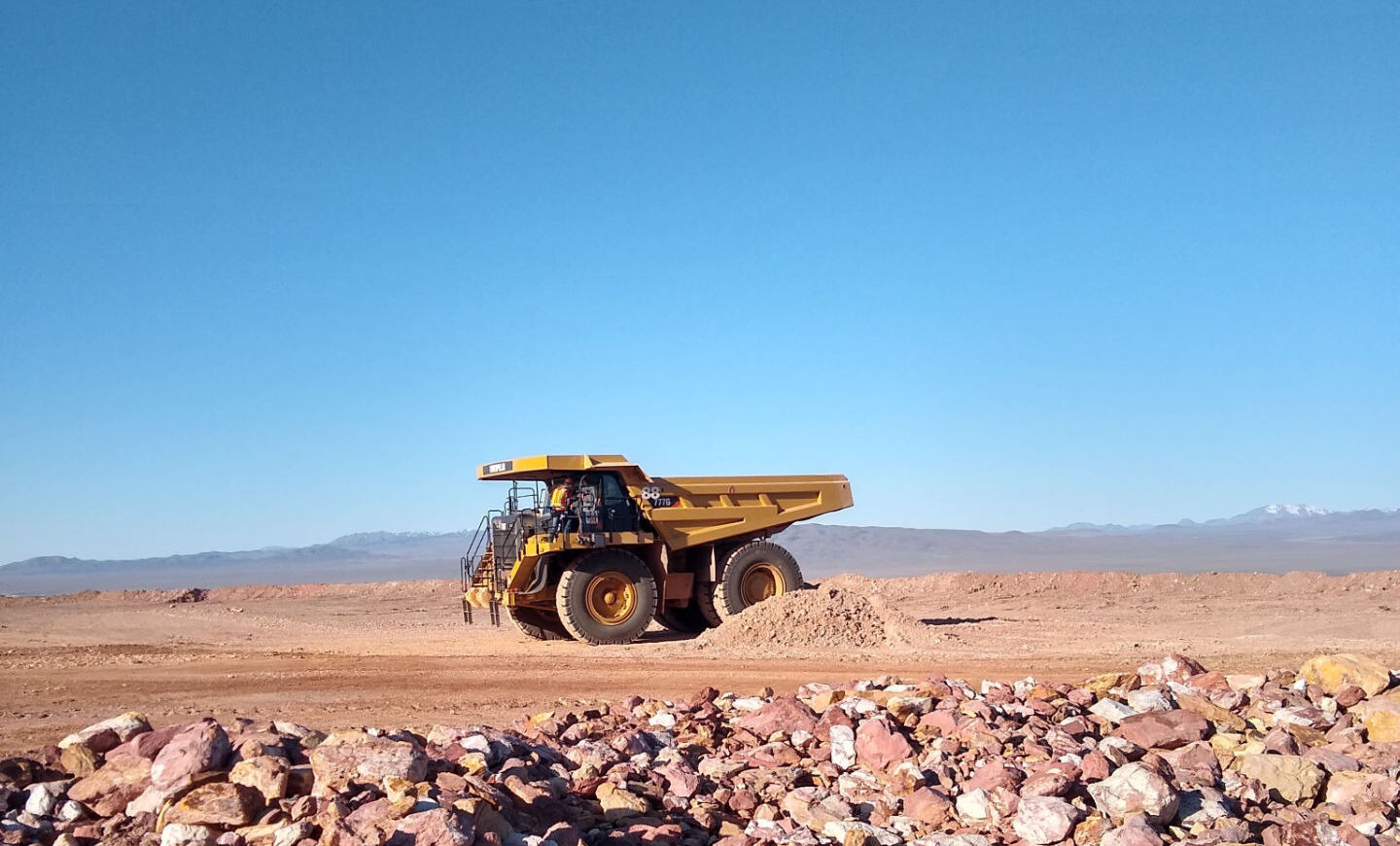
Improving the economics of a low-grade, high-tonnage operation like Florida Canyon comes down largely to moving material more efficiently. Chief Operating Officer Cliff LaFleur, who joined Integra in 2025 after building the Chispas mine in Mexico for Silvercrest and previous roles at Torex, outlined the fleet investments made since Integra took ownership: refurbishing the site's original haul trucks and loaders, adding eight new haul trucks, a new loader, and a new Hitachi shovel.
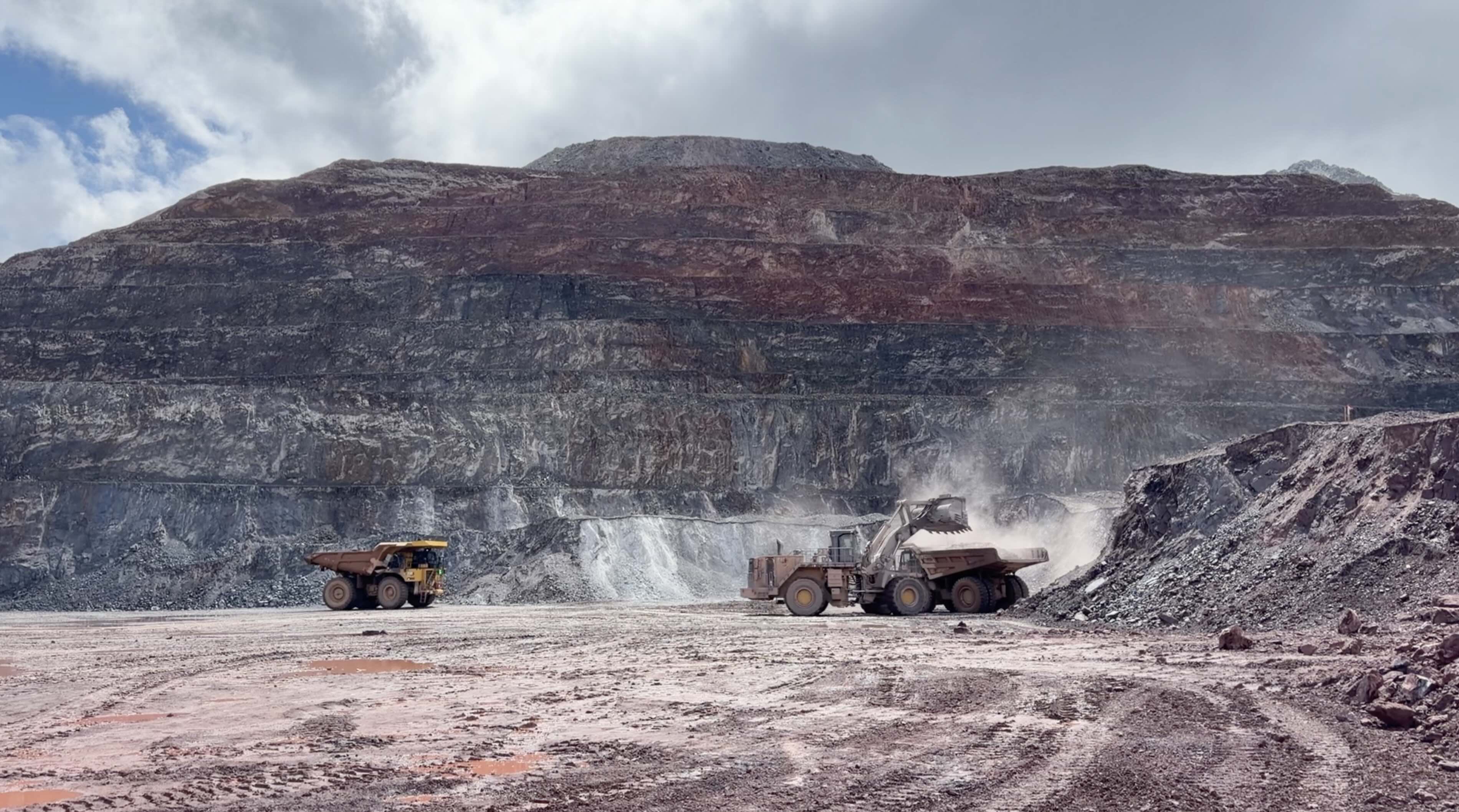
Salamis described how even small operational changes compound into meaningful margin improvement at this scale:
"Steepening up pit wall slopes, it's just a few degrees, means you're mining far less waste in the future. That has an impact on margins as well. It allows you to move more ore, less waste, produce more ounces spread over a relatively fixed cost out here, has a really strong effect of lowering AISC, which is the driving factor of why we're doing a lot of this out here."
Other efficiency levers being evaluated for the upcoming study include tweaks to the metallurgical circuit, adjusting the mix of run-of-mine versus crushed ore sent to the heap leach pad, and mining previously uneconomic low-grade stockpiles that sit close to existing processing infrastructure, where short haul distances translate directly into lower costs.
Infrastructure & Accessibility
Florida Canyon benefits from sitting inside one of the most mining-dense regions in Nevada, with roughly 50 operating mines within about 100 to 150 kilometres. Salamis pointed to the practical, day-to-day value of that density: equipment dealers, suppliers, and skilled labour are available in Winnemucca, roughly a 30-minute drive away, with further support available in Battle Mountain and Elko, both within two hours.
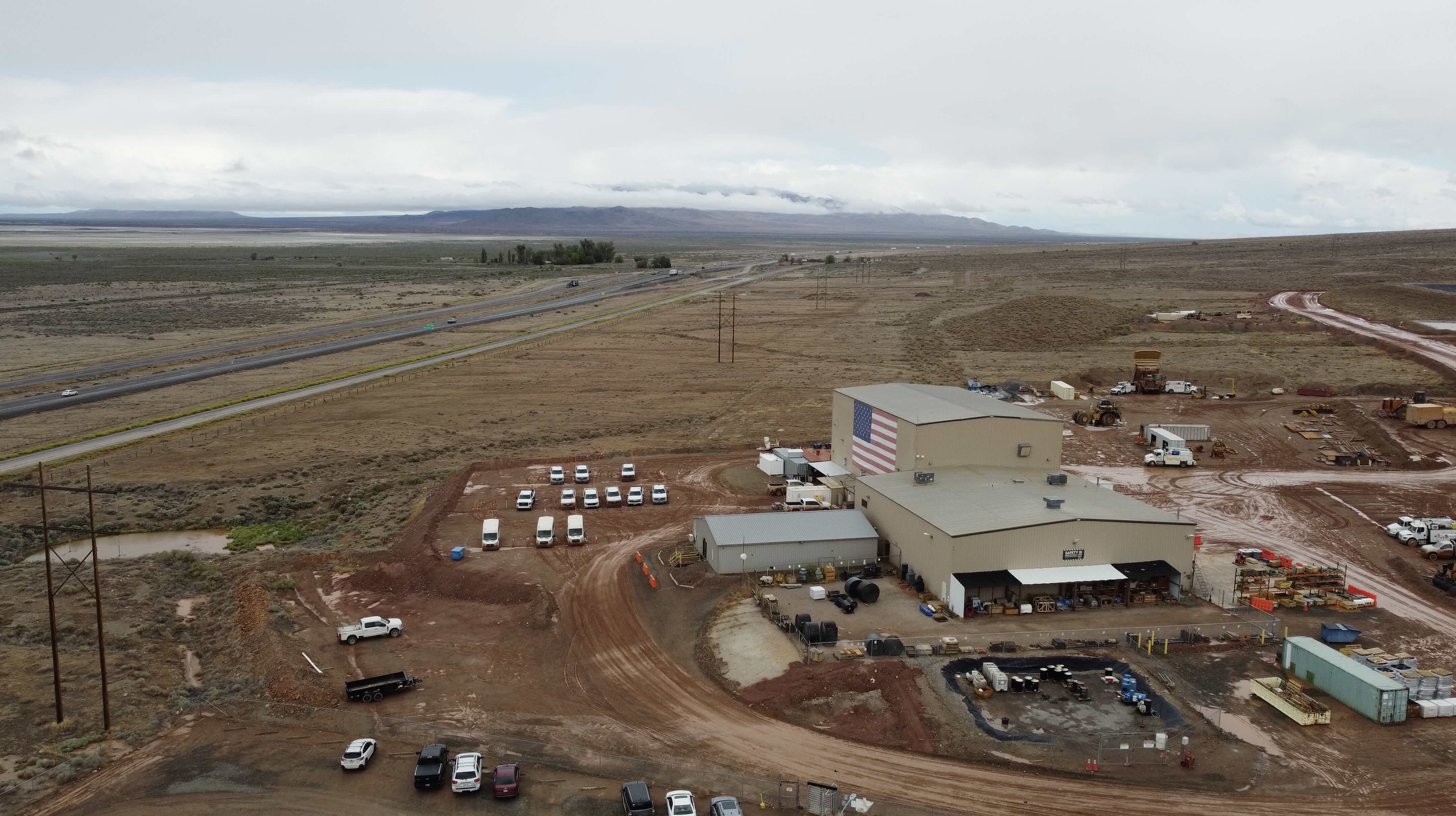
Direct highway access adds a further layer of operational resilience. As Salamis put it, describing how the site handles urgent parts needs: "We just send a dispatcher up, thirty minutes, they grab the part, they bring it back if we don't have it here. The infrastructure advantages of having I-80 just right there is huge to us." Power is similarly abundant on site, and water availability, while more closely managed, remains adequate for current operations.
From Ore to Doré: The Production Process
Florida Canyon runs a conventional drill, blast, truck, and shovel operation across several active pits, including the Jasperoid, Radio Towers, Central, and North pits, the latter currently hosting the site's highest grade material. Robinson walked through the sequence directly at the pit face: holes are drilled on a pattern spacing across 25-foot benches, blasted by contractor crews, then sampled and assayed to determine ore from waste before equipment moves material either to a waste dump or the crusher.
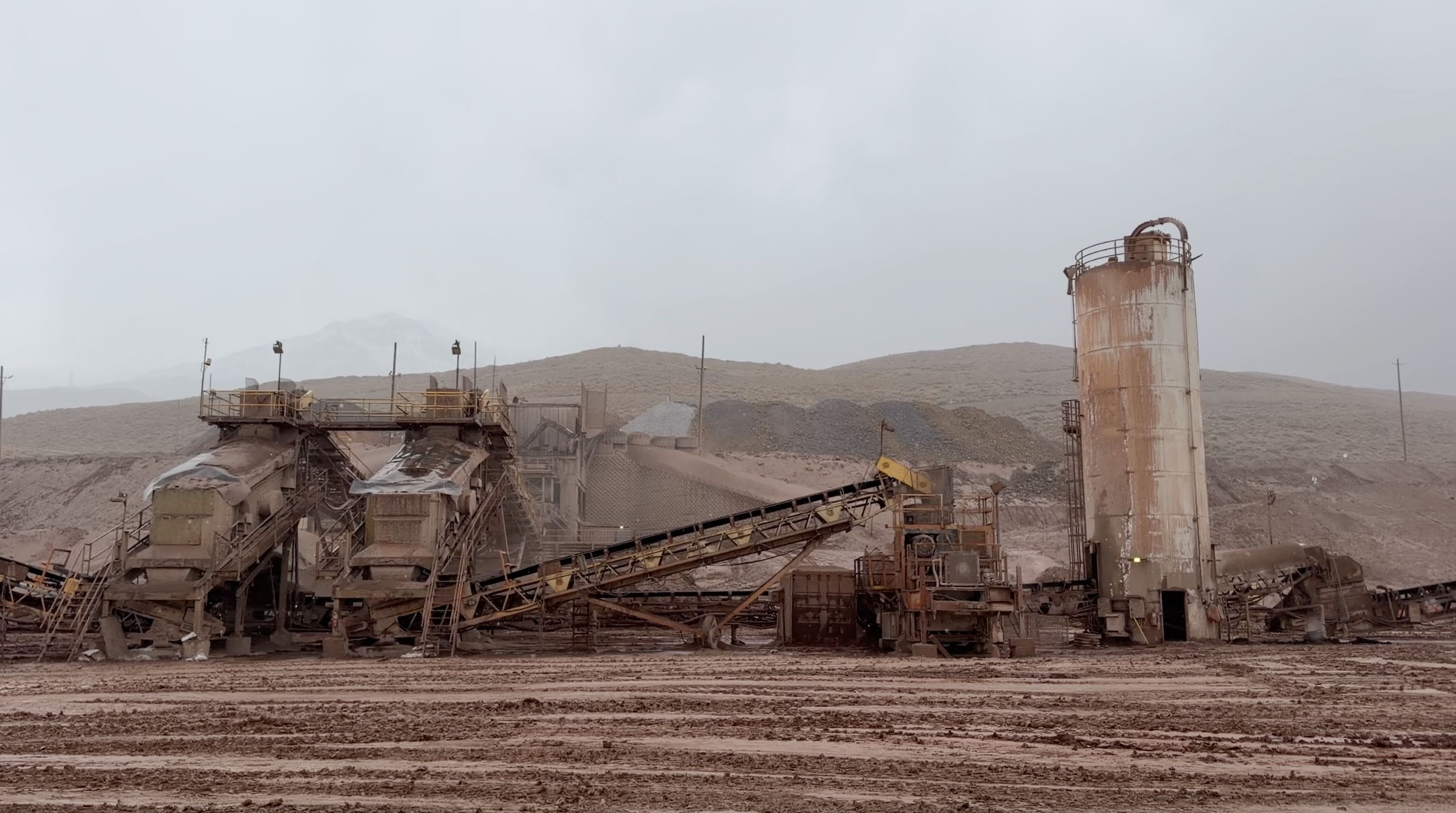
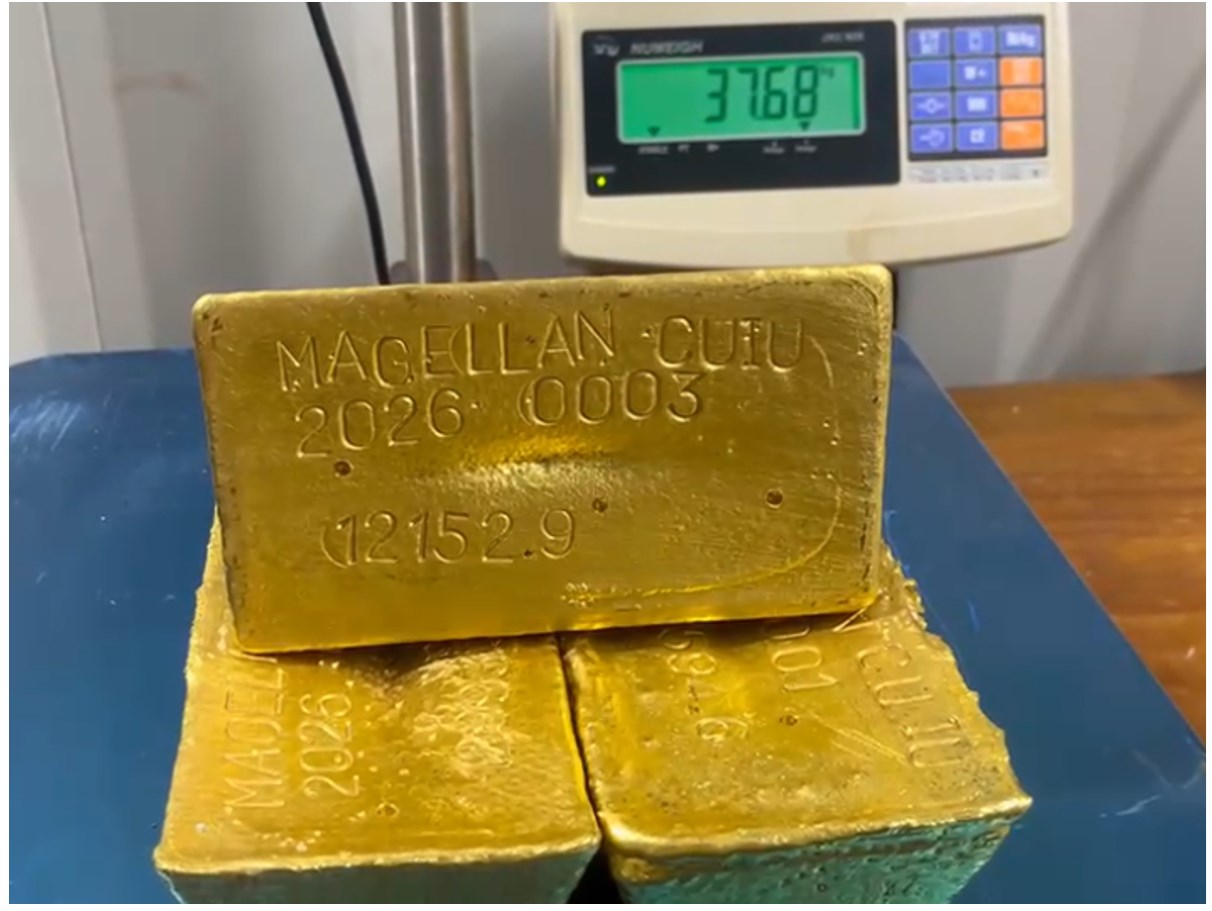
Ore above a certain grade is crushed down to roughly two inches through a series of jaw and cone crushers, while lower-grade material goes directly to the heap leach pad as run-of-mine. A weak cyanide solution is then applied across the pad, dissolving gold and silver as it filters down to a thick liner roughly 50 to 75 feet below the surface, where the resulting pregnant solution is collected and piped to the processing facility. From there, carbon-in-column tanks capture the dissolved metals, which are later stripped, precipitated, and smelted on site into doré bars before being shipped to a third-party refiner for final processing. As Robinson summarized the whole operation: "It's not rocket science, but it is fun, and it's challenging. There's a lot of challenges for sure."
The Standard Deposit & Broader Land Package
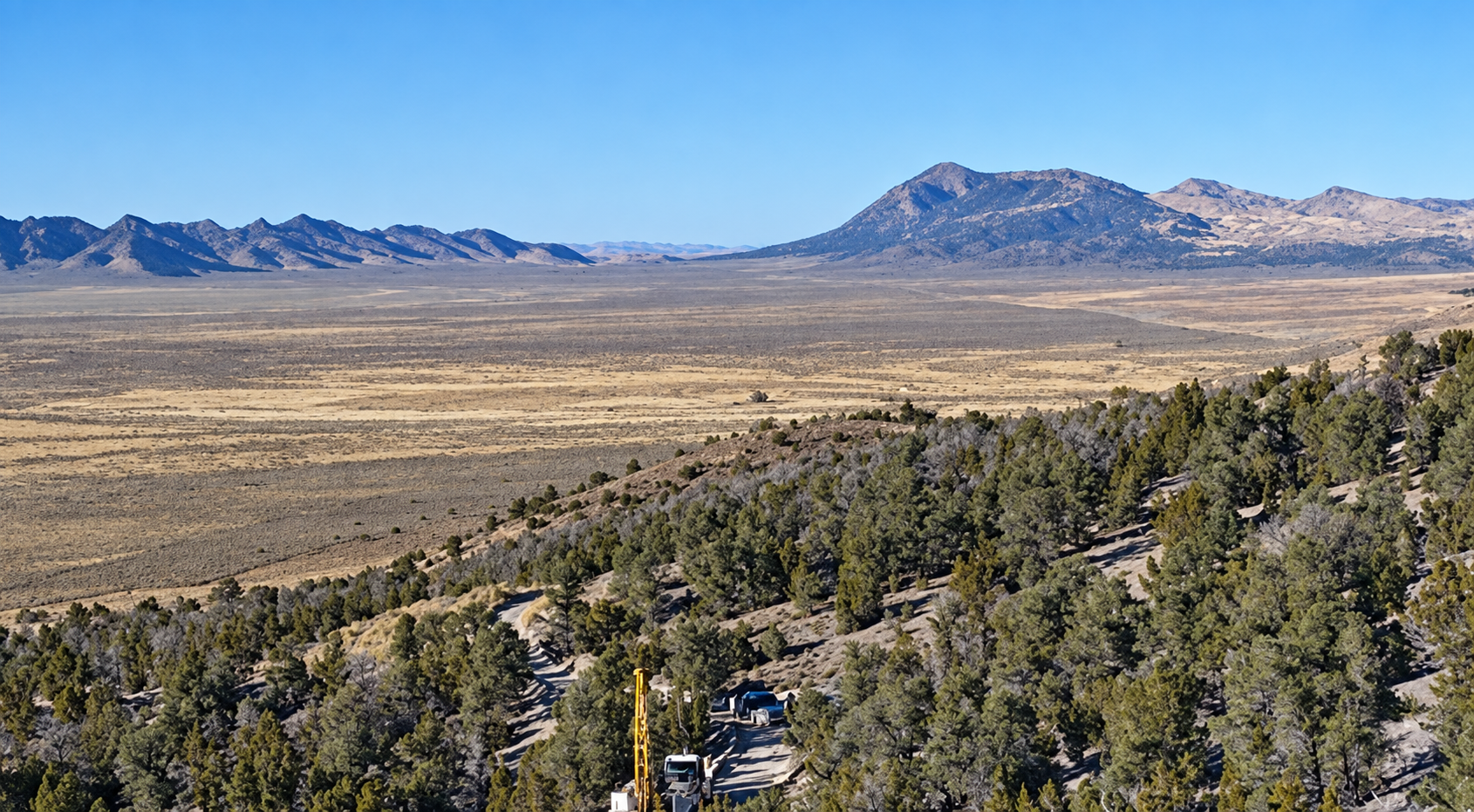
Beyond Florida Canyon itself, Integra holds a substantial, largely unexplored land package running along the Humboldt Fault, the rangefront structure that controls mineralization across the district and extends south toward Coeur Mining's Rochester operation, currently America's largest silver producer. Roughly six kilometres south of Florida Canyon sits Standard, a separate, past-producing deposit that Salamis described as geologically distinct:
"This is a true disseminated sediment host, a Carlin style deposit. In fact, this is where that theory of Carlin style deposits was first kind of tested."
Standard carries a historical resource believed to hold roughly 300,000 to 400,000 ounces, and much of the material visible on site today, low-grade waste backfilled into old pits during earlier, lower gold price periods, is now suspected to be ore grade at current prices. Integra plans reverse circulation drilling at Standard this spring as part of its broader 42,000-metre program, with the immediate goal of confirming grade before considering whether the deposit could stand alone or serve as an extension of Florida Canyon.
Corporate Strategy & Growth Portfolio
Florida Canyon sits within a broader Integra growth strategy built around three assets. Delamar, currently in federal permitting, is expected to reach a construction-ready stage in roughly two years, funded significantly by cash flow generated at Florida Canyon. Nevada North, situated 35 kilometres to the west, was originally viewed as a follow-on project once Florida Canyon's original five-year mine life ended, but with that mine life now extended, Salamis expects the two operations to eventually run in parallel, sharing some infrastructure and management out of the same regional office.
Salamis was direct about the company's overall financial position and ambition:
"We're as healthy as we've ever been from a treasury perspective, a $106 million dollars in the treasury. Despite the fact that we continue to reinvest in this operation, we still continue to build up cash. Our desire is to get to DeLamar with something that looks like maybe 50% of the total capex for that project in our treasury."
The company's stated long-term target is to become a mid-tier gold producer at roughly 300,000 ounces annually, a figure Salamis expects to reach once Florida Canyon is running at full capacity, DeLamar is permitted and operating, and Nevada North is contributing as well.
Team & Project Management
Salamis credited much of Florida Canyon's operational progress to the team assembled since acquisition, including COO Cliff Lafleur, who brings direct Mexican mine-building experience from Silvercrest and Torex, and General Manager Greg Robinson, a mining engineer who has worked across several Nevada operators, including Rio Tinto and Coeur Mining, before joining Florida Canyon in 2023. Robinson described the operational discipline required to run a large-scale, low-grade heap leach mine safely and consistently, noting that maintaining that discipline over time, rather than letting standards slip, is central to the team's daily focus.
Conclusion & Future Outlook
The visit to Florida Canyon left a clear impression of a mature, well-run operation being reinvested in and reinterpreted after two decades of underinvestment. With $130 million committed to new and refurbished equipment across this year and last, ...a 42,000-metre drilling program underway across Florida Canyon and Standard, and a recently released feasibility study confirming meaningfully longer mine life and improved economics, Integra is positioning Florida Canyon as a durable cash flow engine rather than a short-lived transitional asset.
Layered on top of that near-term update is a genuinely large regional opportunity, spanning Standard, the broader Humboldt Fault corridor, and the company's Delamar and Nevada North growth projects. As Salamis summarized the company's ambition directly:
"We are hell bent on creating a mid-tier gold producer... that's the aiming mark for us."
For investors, Florida Canyon offers both an immediate cash flow story and a credible path toward meaningfully larger production down the line.
FAQ's (AI-Generated)
Analyst's Notes





Subscribe to Our Channel





Stay Informed






















