




New Found Gold Graduates to the TSX


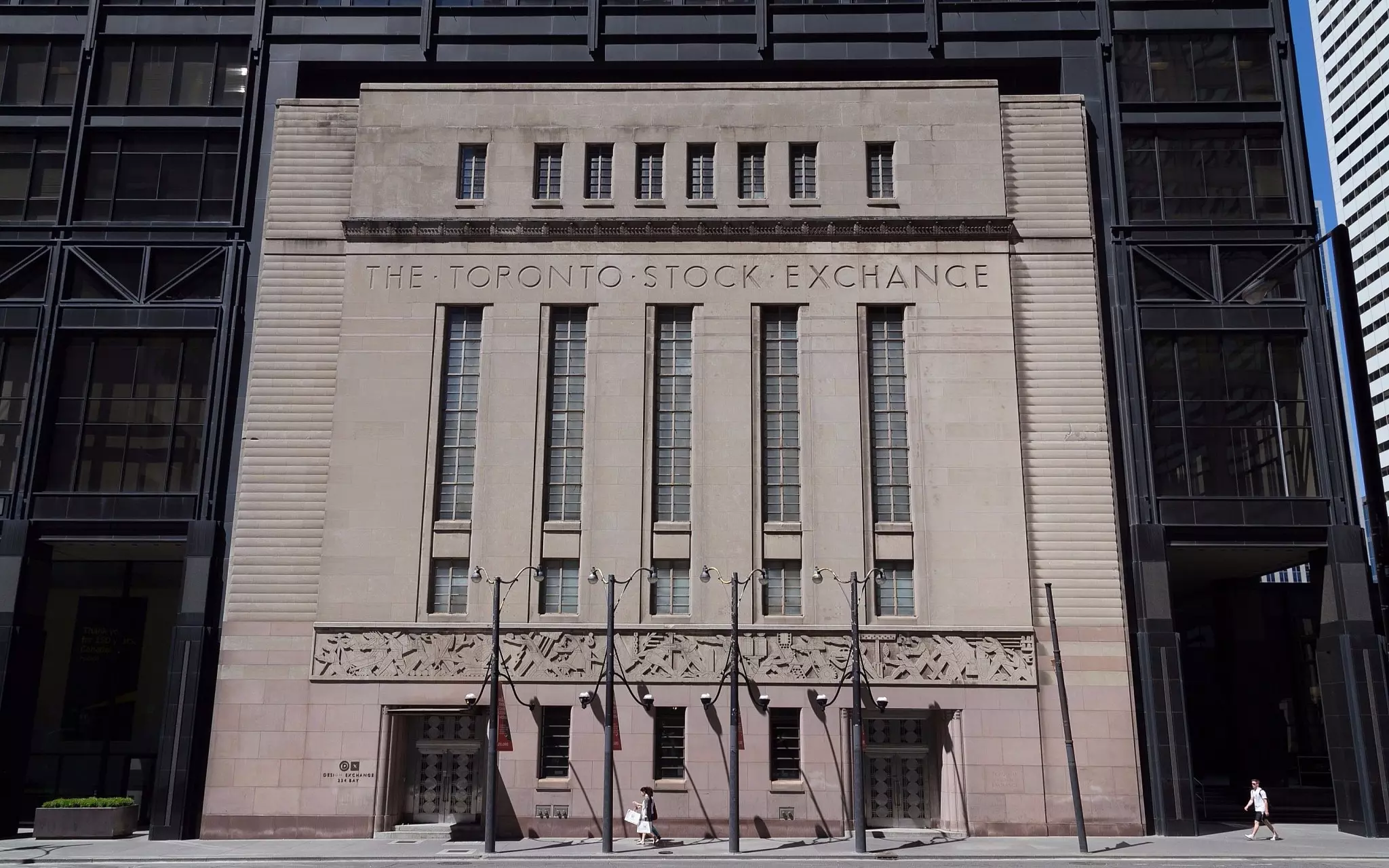
New Found Gold CEO Keith Boyle on the TSX main board move, Queensway's phased build, and a fully funded path to first gold at Pine Cove.
- New Found Gold has moved from the TSXV to the TSX main board to widen institutional access and liquidity.
- Hammerdown is ramping toward commercial production, which will help pay G&A and exploration ahead of Queensway's build.
- Queensway phase one is fully funded to first ore via a $220 million April financing, targeting Q4 of next year.
- An updated Queensway mineral resource estimate and PEA are upcoming catalysts covering the full multi-phase project.
- 45% of the 2026 Queensway drill budget targets new discoveries, with discovery costs falling below $100/oz.
Newfoundland-focused gold developer New Found Gold Corp. (TSX:NFG) has spent the past 18 months moving from a resource-less explorer to an emerging producer, and its latest interview with Crux Investor lays out how that transition is now translating into capital-markets access. CEO Keith Boyle discussed the company's move to the TSX main board, the phased build-out of its flagship Queensway project, and an upcoming resource and economic study update - all against a backdrop of gold prices that continue to reward companies able to show a credible, de-risked path to cash flow.
Listing Upgrade & Liquidity
New Found Gold's move from the TSX Venture Exchange to the TSX main board is, in Boyle's words, a marker of the company's shift "from exploration to now a merging producer." The main-board listing is expected to widen the shareholder base by opening the door to institutional mandates and index inclusion that were previously unavailable on the Venture exchange.
"What we see now is about 60% on New York and about 40% of our volume is on the TSXV. So by graduating now to the big board at the TSX, we'll see better volume in Canada and that should really increase our overall volume. We wouldn't expect to see a decrease in New York."
Boyle also pointed to a valuation gap versus peers such as the GDXJ junior gold index, which he expects the listing upgrade to help close, though he stopped short of attributing the gap to any single cause.
Hammerdown: The Cash-Flow Bridge
Hammerdown, New Found Gold's smaller Newfoundland gold mine, is being ramped up toward a run rate of 20,000 to 25,000 ounces annually at an all-in sustaining cost of roughly $2,500 per ounce, with commercial production expected to be declared within months. Boyle was clear that Hammerdown was never designed to be a major cash generator; its role is to fund general and administrative costs and exploration while the larger Queensway project is built out, leaving the company, in his words, fully funded on that front going forward.
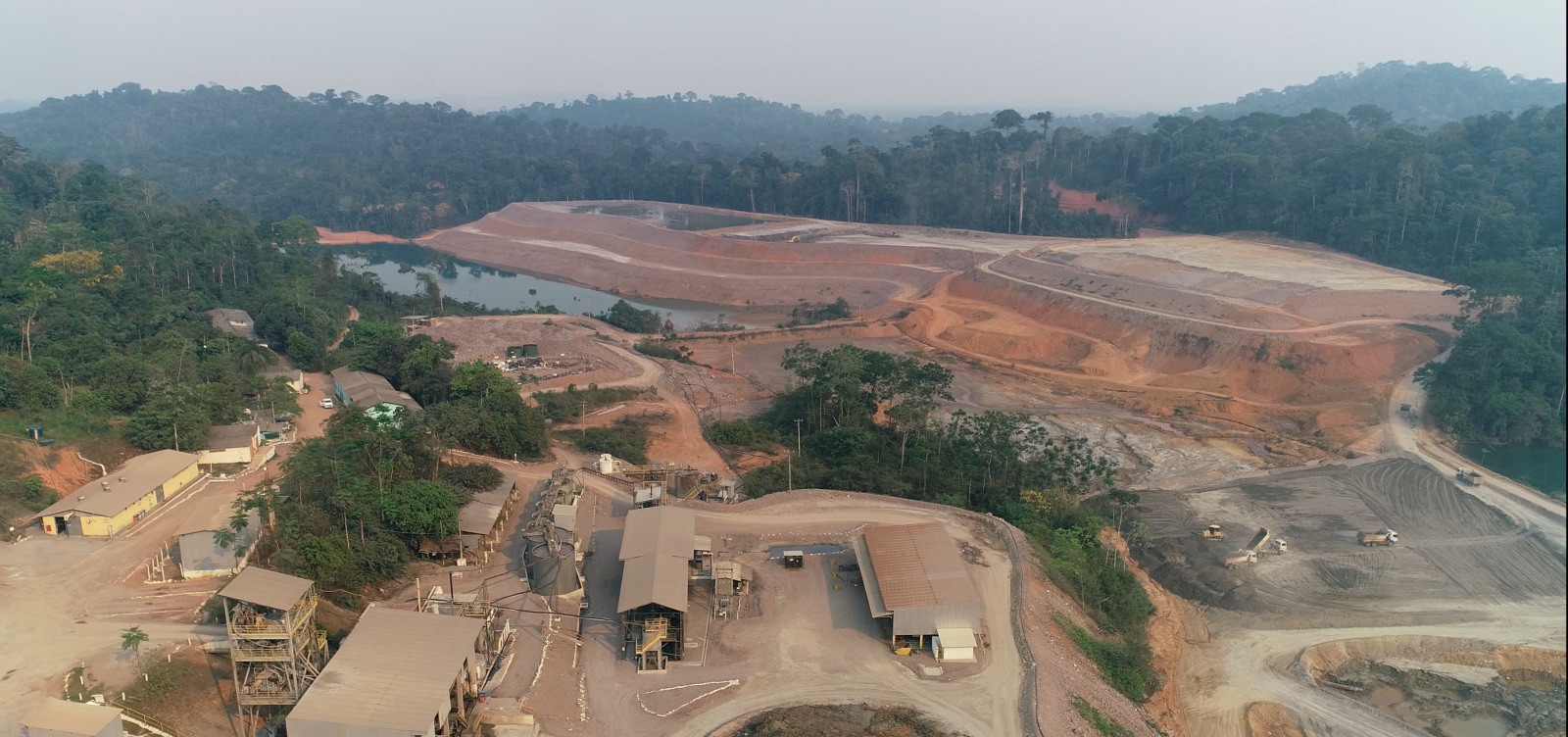
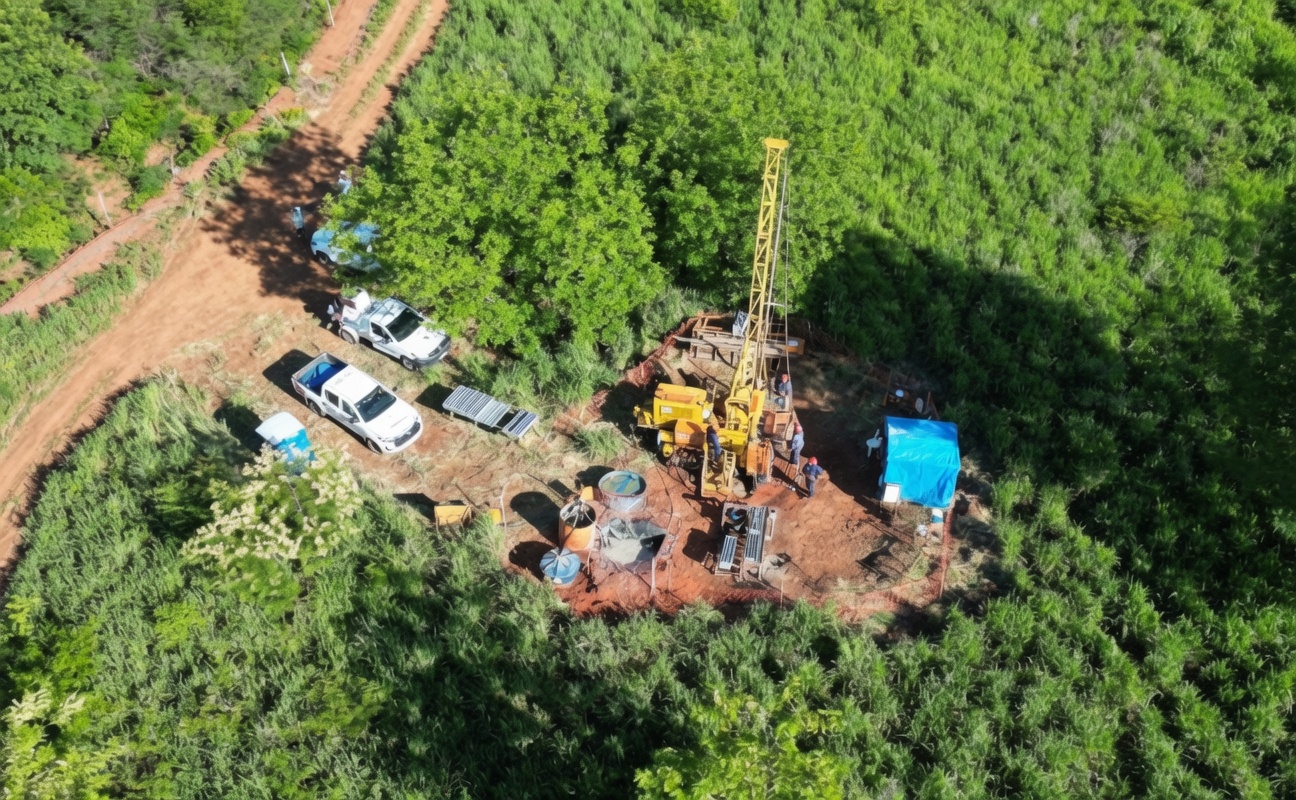
The mine is being run with a contractor operator on a 700-tonne-per-day open pit, trucking ore to the Pine Cove mill - a setup Boyle described as a close operational proxy for Queensway's own phase one, which will use the same open-pit scale, contractor model, and trucking route into Pine Cove. That overlap matters for investors: because New Found Gold is "living" Hammerdown's costs today, Boyle said the company already has real operating data underpinning the cost assumptions it will publish for Queensway phase one, rather than relying purely on study-stage estimates.
Queensway's Phased Build
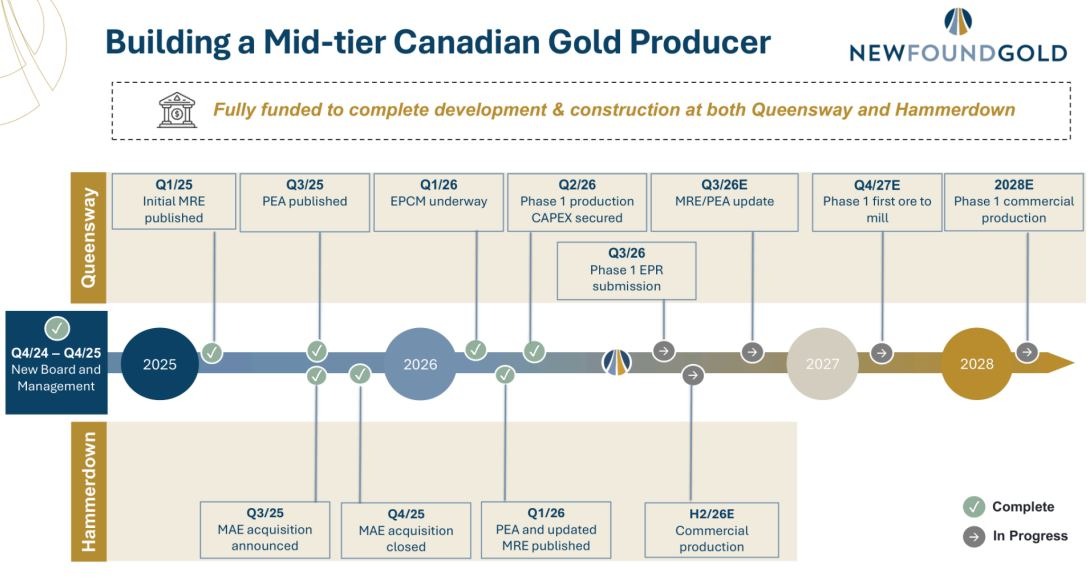
The centrepiece of the growth story is Queensway, which New Found Gold is developing in phases rather than as a single large build. Phase one is a 700-tonne-per-day open pit feeding the expanded Pine Cove mill, with first ore delivery targeted for the fourth quarter of next year. Boyle said the phased approach - first outlined in the company's July 2025 preliminary economic assessment - was chosen specifically to reduce the size of financing required, pointing to the $220 million financing announced in April as having fully funded construction through to first melt, and time to production, with the timeline to modify permits to expand an existing mill significantly shorter than fully permitting a new mill.
He contrasted this with the more conventional route of building a single large mill upfront, which typically demands a correspondingly large capital raise; by ring-fencing phase one and sequencing the rest, New Found Gold avoids having to finance the entire project at once. Production is targeted to reach roughly 120,000-125,000 ounces a year by 2028, growing to 175,000-200,000 ounces from 2031 as later phases come online, with phase two adding an on-site processing plant and phase three bringing higher-grade underground mining into the production profile.
De-Risking Phase One
New Found Gold plans to publish an updated mineral resource estimate and an updated preliminary economic assessment for Queensway, rather than a preliminary feasibility study, so that the full scope of the project - not just phase one - remains visible to investors. Eighteen months of infill drilling has upgraded inferred material to indicated within the phase one footprint, and 5-by-5-metre grade control drilling has added further confidence ahead of mining. Boyle said around six months' worth of mining material has already been drilled out at that grade-control spacing, with a follow-up programme under way aimed at pushing the first year of production into the higher-confidence measured category before mining begins.
Boyle described the capital cost estimate behind phase one as feasibility-level, based on orders already placed for the Pine Cove mill conversion, while phases two and three remain earlier-stage and will continue to be de-risked through further drilling - which is also why the company is opting for an updated PEA rather than declaring a formal reserve at this stage.
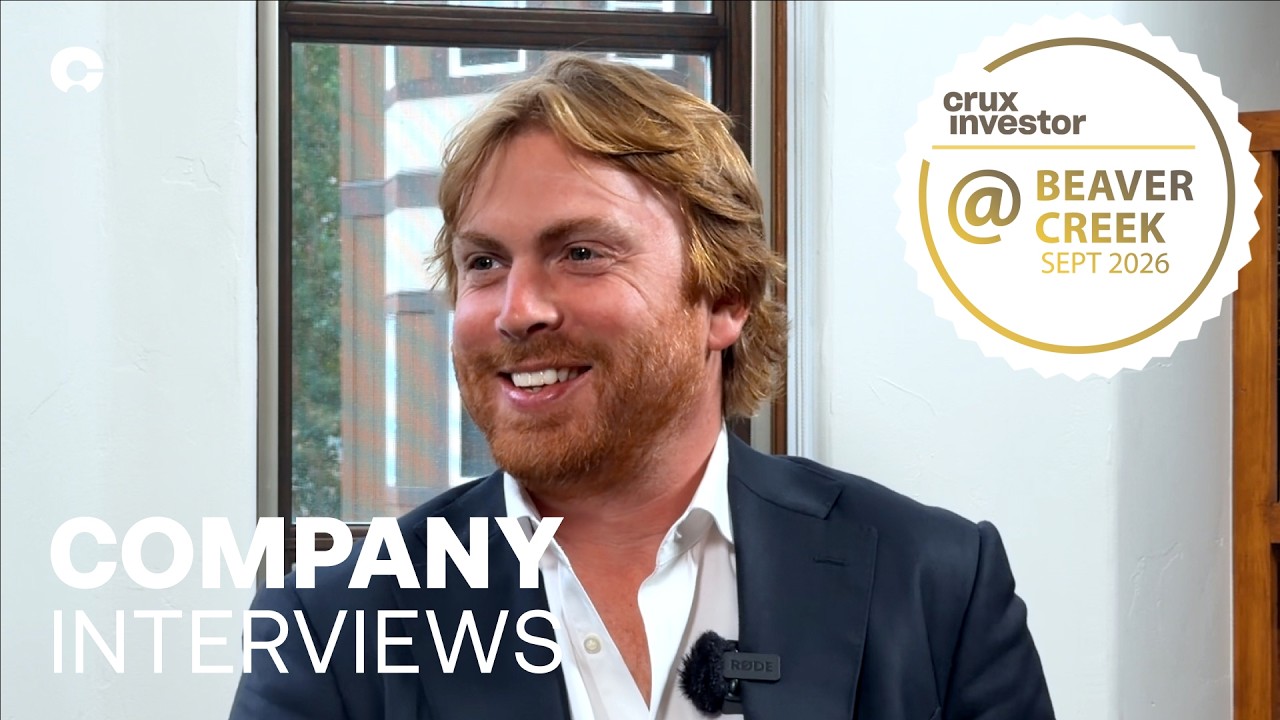
Interview with Keith Boyle, CEO of New Found Gold
Exploration Upside
Roughly 45% of New Found Gold's expanded 90,000-metre 2026 Queensway drill programme, budgeted at over $40 million, is directed at discovering new ounces rather than infilling the existing resource. Targets include strike extensions and parallel structures east of the existing high-grade core, ground along the Appleton Fault acquired from Exploits Discovery in November, and follow-up drilling at Pulse Pond/Greenwood Pond to the south and Duder Lake to the north. The Dropkick target, discovered in 2024 and drilled out over the past year, will be incorporated into the updated resource estimate, while Pauls Pond/Greenwood Pond - drilled in 2023 and 2024 but overshadowed at the time by the high-grade core discovery - is now being followed up with an active rig.
Boyle drew a distinction between discoveries likely to extend mine life, such as depth extensions below the current resource, and discoveries large enough to expand the production profile itself - for example, a large enough find at Duder Lake could justify expanding the mill rather than simply adding tonnes to the existing plan - which he said is the company's real target.
Investment Thesis for New Found Gold
- New Found Gold's move to the TSX main board is designed to widen its institutional shareholder base and open access to index inclusion unavailable on the TSX Venture Exchange.
- Hammerdown is structured to fund general and administrative costs and exploration rather than to be a major cash generator, reducing near-term dilution pressure while Queensway is built.
- The $220 million financing announced in April fully funds Queensway phase one construction through to first ore delivery, targeted for Q4 of next year.
- An updated mineral resource estimate and preliminary economic assessment for Queensway are near-term catalysts; monitor for feasibility-level capital cost confirmation and any change to the production profile.
- Roughly 45% of the 2026 drill budget is aimed at new discoveries rather than infill, with per-ounce discovery costs expected to fall from around $145 to below $100.
- Phases two and three of Queensway remain comparatively early-stage; watch for the pace at which inferred resources in those areas to be upgraded with the large annual drill budgets through 2025 and 2026.
- Declaration of commercial production at Hammerdown is a near-term milestone worth tracking as confirmation that the cash-flow bridge to Queensway is functioning as planned.
Macro Thematic Analysis
Junior and mid-tier gold developers have faced a persistent problem over the past several years: the cost of adding ounces through the drill bit has often compared unfavourably with simply buying them through M&A, discouraging exploration spend even as gold prices climbed. New Found Gold's Queensway property, spanning a 110-kilometre strike length in Newfoundland, is being positioned as a counter-example to that trend.
"When we look at the overall cost of finding new ounces, we're seeing a real decrease in that discovery cost - it was about $145 an ounce for that first resource, and now the additional ounces, those costs are dropping... we're sub-$100 now, and if you look at M&A, the cost of adding ounces through M&A is upwards of $500-600 an ounce now."
That gap matters for the sector narrative around junior gold equities broadly. If organic discovery genuinely costs a fraction of acquisition, well-funded explorers sitting on large, underexplored land packages have a structural argument for re-rating relative to peers reliant on M&A to grow reserves - provided they can also demonstrate a credible, funded path to production, which is precisely the case New Found Gold is trying to build with Hammerdown's cash flow bridging into Queensway's phased construction.
TL;DR
New Found Gold has graduated to the TSX main board, a move CEO Keith Boyle says should widen institutional access and improve liquidity versus the TSX Venture Exchange. Hammerdown is ramping toward commercial production to fund G&A and exploration, while the flagship Queensway project's phased build - fully funded via a $220 million April financing - targets first ore to Pine Cove mill in Q4 of next year. An updated Queensway mineral resource estimate and preliminary economic assessment are due, and roughly 45% of the 90,000-metre 2026 drill programme is aimed squarely at new discoveries rather than infill.
FAQ (AI-generated)
Analyst's Notes





Subscribe to Our Channel




Stay Informed






















