




P2 Gold's Lucky Strike Points to a Bigger Nevada Mine


P2 Gold's Lucky Strike Zone hits 183.0 g/t gold at Nevada's Gabbs Project, with the zone open in all directions and a resource update targeting third quarter 2026.
- P2 Gold intersected 183.0 grams per tonne gold and 4.0% copper over 1.52 meters at the Lucky Strike Zone of the Gabbs Project in Nevada, the highest-grade result reported from the zone in this drill program.
- The hole that returned this result was placed 100 meters south into ground with no prior drilling history and ended while still inside mineralization, meaning the zone has not yet been fully defined.
- Based on all available drill data, the company has stated the Lucky Strike Zone has the potential to be significantly larger than the Sullivan Zone, which forms the existing core of the Gabbs resource.
- The Gabbs Project's independent economic study outlined a mine producing an average of 109,000 ounces of gold and 33 million pounds of copper per year over a 14.2-year mine life at 9 million tonnes per year.
- An updated resource measurement is targeting completion in the third quarter of 2026, forming the basis of a Feasibility Study (FS) targeting completion in the fourth quarter of 2026.
A Nevada Gold Project Just Got More Interesting
P2 Gold Inc. (TSX-V: PGLD | OTCQB: PGLDF) reported drilling results from a part of its Nevada property that had never been tested before. The results came back with some of the highest gold grades the project has seen. For investors following gold and copper developers, the combination of high grade, completely new ground, and a project already moving toward a production decision warrants a close look.
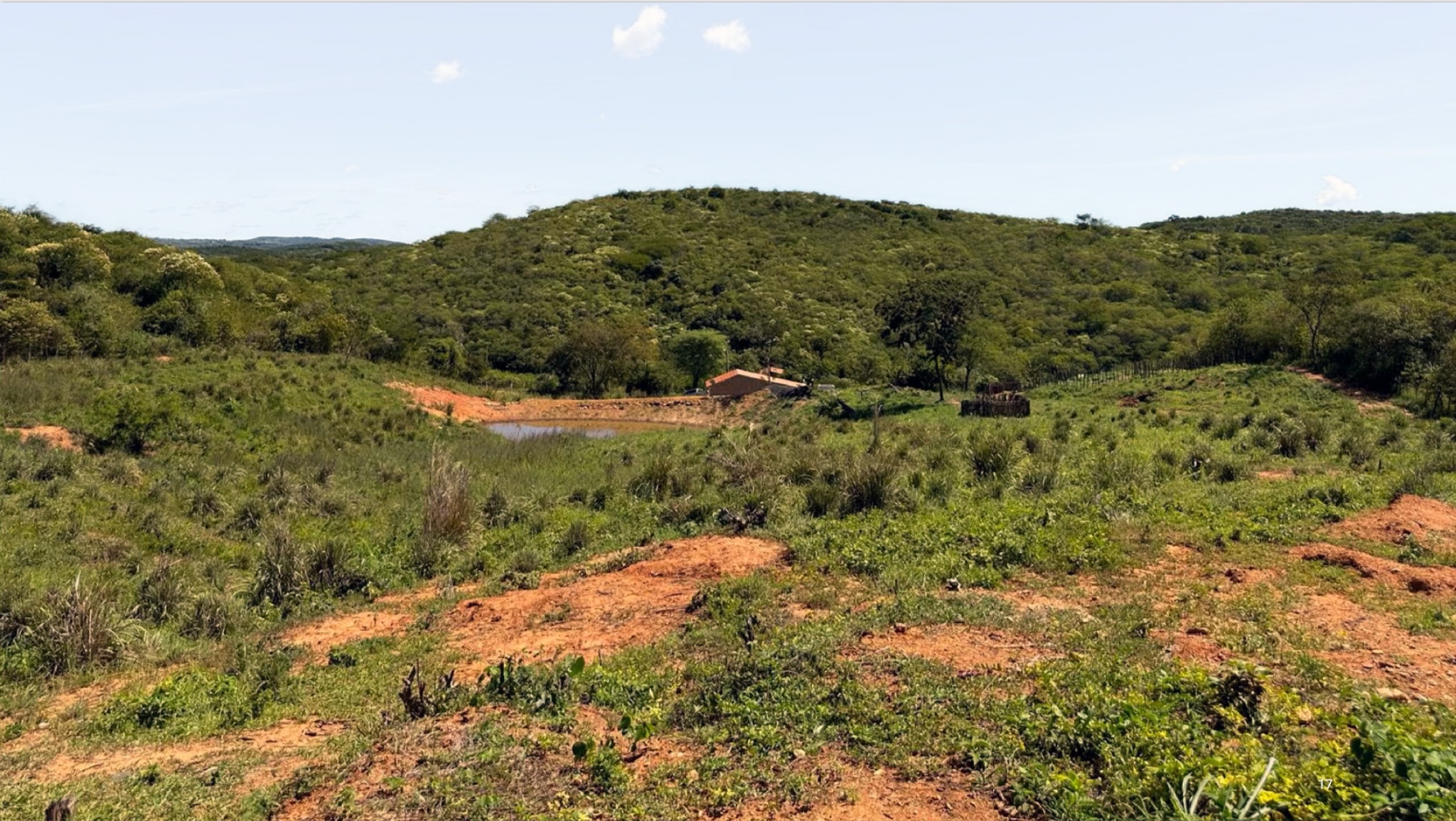
P2 Gold is focused on one asset: the Gabbs Project, a gold and copper deposit located on the Walker Lane Trend in Nye County, Nevada, one of the most mining-friendly states in the United States. The project has paved road access, power infrastructure, and water supply already in place, advantages that comparable projects in more remote locations do not always carry. An independent economic study completed in October 2025 assessed the project's potential to support a long-life, mid-scale mine, and work to support a Feasibility Study (FS) is now underway.
What the Drill Results Actually Showed
The headline result from the May 2026 drilling program was a narrow section of rock that graded 183.0 grams per tonne gold and 4.0% copper over 1.52 meters. Grams per tonne is simply the mining industry's standard way of measuring how much gold is packed into a tonne of rock. A reading of 183.0 is exceptionally high. That section sat inside a broader interval that averaged 1.04 grams per tonne gold and 0.35% copper across 53.34 meters. The drill hole that returned this result was placed 100 meters south of any previous drilling on the property and encountered visible gold. It ended while still inside mineralization, meaning the zone has not yet been fully outlined at depth or in any direction.
Why Lucky Strike Could Change the Scale of Gabbs
The Lucky Strike Zone and the Sullivan Zone share the same geological makeup. Sullivan is the area of Gabbs that has been fully drilled and measured, forming the core of what the company currently reports as its resource. Lucky Strike sits nearby and has been receiving increasing drilling attention over this program, which began in October 2025. Based on all available current and historical drill data, P2 Gold has stated the Lucky Strike Zone has the potential to be significantly larger than Sullivan. The zone remains open in all directions.
That matters to investors because the size of a deposit directly affects how much gold and copper a mine can produce over its life, which flows into revenue and the long-term value of the project. If Lucky Strike proves out at the scale current drilling suggests, the updated resource measurement expected in the third quarter of 2026 would reflect a larger project than the one outlined in the October 2025 independent economic study.
Joseph Ovsenek, President and CEO of P2 Gold, told that drilling results are tracking ahead of expectations:
"One of the zones is even bigger than we imagined it would be.".
The Timeline Every Investor Should Know
The October 2025 independent economic study outlined a long-life, mid-scale mine at Gabbs producing an average of 109,000 ounces of gold and 33 million pounds of copper per year over a 14.2-year mine life, processing 9 million tonnes of rock per year. The feasibility study now underway is being planned at a larger scale, targeting a processing rate of 12 million tonnes per year and average annual production of 150,000 ounces of gold and 45 to 50 million pounds of copper. P2 Gold secured financing to fund this work through to the feasibility study, with drilling results continuing to support confidence in the project's expansion potential. On completion of drilling, an updated resource measurement is targeting completion in the third quarter of 2026, which will form the basis of the feasibility study targeting completion in the fourth quarter of 2026.
The Investment Thesis for P2 Gold Inc.
- The third quarter 2026 resource update is the primary near-term signal of whether Lucky Strike's scale is formally reflected in Gabbs' total gold and copper inventory. A larger resource would directly support the production and value figures expected in the feasibility study.
- The no-royalty structure at Gabbs represents a tangible financial advantage. No portion of future revenue is pre-committed to a third party, which preserves optionality when arranging production financing and gives the company negotiating leverage with equity and debt providers.
- The feasibility study, targeted for completion in the fourth quarter of 2026, is the document lenders and project-level investors will use to evaluate a production financing decision. Its output will also allow a direct comparison against the October 2025 independent economic study, with the larger processing rate target of 12 million tonnes per year suggesting upside to the earlier study's production and value estimates.
- The copper production profile reduces the project's dependence on gold price alone. With 33 million pounds of copper per year in the current plan, rising toward 45 to 50 million pounds under the expansion scenario, Gabbs generates meaningful revenue from two commodities, which narrows the range of outcomes under adverse gold market conditions.
Taken together, Gabbs sits at a stage where several near-term technical and regulatory milestones, including the resource update, feasibility completion, and environmental permitting progress, could each independently narrow the gap between P2 Gold's current market capitalization and that of its peer group. The project's economics, royalty-free structure, and dual-commodity production profile give it a foundation that the current valuation does not yet appear to reflect.
TL;DR
P2 Gold drilled into untested ground at Gabbs, returned some of the project's highest gold grades to date, and confirmed the Lucky Strike Zone remains open for expansion in all directions, with a formal resource update due before the end of 2026.
FAQs (AI-Generated)
Analyst's Notes





Subscribe to Our Channel




.png)



.png)
Stay Informed






















