




Selkirk Copper Funds Port Study of up to US$200,000 for Minto's Route to Market



Selkirk Copper is funding up to US$200,000 for a Port of Skagway scoping study into how Minto concentrate reaches market, with results due September 2026.
- Selkirk Copper is funding up to US$200,000 for a scoping study into shipping Minto concentrate through the Port of Skagway.
- The Municipality of Skagway ran the selection process and awarded the work to KPFF Consulting Engineers in May 2026.
- The study is expected to be complete in September 2026, the same month Phase 2 drilling finishes.
- Minto's current resource estimate assumes offsite costs of US$200 per dry metric tonne (dmt), covering refining, transport, and insurance.
- Amended license applications drawn against a 12 to 15-year mine life are targeted for submission in October 2026.
What Has Happened
Selkirk Copper Mines (TSXV: SCMI | OTCQX: SKRKF | FRA: IO20) has started work on a scoping study to evaluate options for shipping critical mineral concentrates through the Port of Skagway in southeast Alaska. The company is providing up to US$200,000 in funding under an agreement entered into with the Municipality of Skagway Borough on July 17, 2026, and the study is expected to be completed in September 2026. Its purpose is to establish a shipping methodology that meets the needs of Skagway and its citizens, as well as the future shipping requirements of Selkirk Copper. The work arrives as the former Minto copper-gold-silver mine moves toward a restart decision, with the company targeting first production in mid-2028.
President and Chief Executive Officer of Selkirk Copper Mines, M. Colin Joudrie, ties the shipping question to the restart plan itself:
"Creating a modern, cost-effective, and environmentally responsible option to ship Selkirk Copper's high-value copper-gold-silver concentrate to the global market is a critical part of our mine restart strategy."
The Scoping Study & Its Funding Terms
Selkirk Copper is paying for a study it does not run. The scope covers options for shipping critical mineral concentrates safely, in an environmentally responsible and sustainable manner. The Municipality of Skagway conducted a competitive process to select an engineering consultant experienced in port design and operations and in the use of modern equipment, controls, and management systems, then awarded the work to KPFF Consulting Engineers in May 2026. The 2 parties spent 2025 and 2026 developing the scope of work and objectives together, and the finalization of the funding agreement allowed Skagway and KPFF to proceed.
KPFF was founded in Seattle, Washington, in 1960 and employs more than 1,500 people across 36 offices in the United States, working in civil, structural, mechanical, transportation, and environmental engineering as well as surveying and construction management.
What Is Already Built at Minto & What Is Not
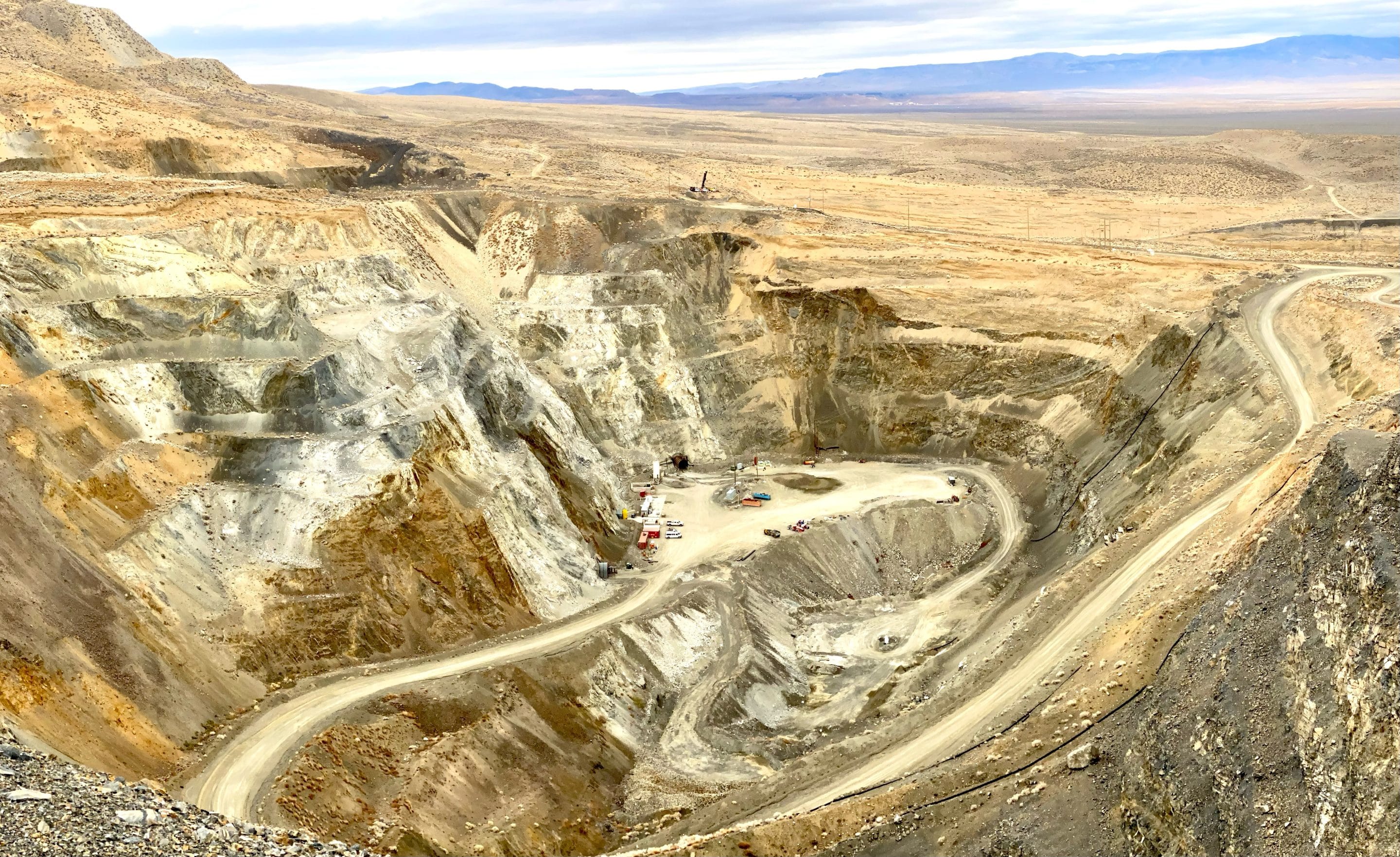
Most of what a mine restart normally has to construct is already in place at Minto. The site includes a 4,100-tonne-per-day (tpd) processing plant, a 400-person full-rotation camp, water treatment facilities, ancillary buildings, mobile equipment, open-pit and underground infrastructure, access roads, and a power line. Selkirk Copper controls 26,850 hectares of mineral claims in the Minto-Carmacks copper belt, which has road and barge access and grid power.
The engineering work now underway is organized around the plant and the mine. Trade-off and economic study packages went to Hatch Ltd. and SRK Consulting (Canada) Inc., both with significant experience on the Minto site, with Hatch covering mineral processing, infrastructure, and mining, and SRK covering rock mechanics, geotechnical work, and water and waste management. Their design objectives include a 12 to 15-year mine life; 4,100 tpd of continuous ore production; tailings and waste rock disposal within the existing mining license boundary; annual water management, including a 1-in-200-year event; and minimizing site footprint, operating costs, and disturbance. A separate workstream evaluates updated site access options to eliminate the shoulder-season constraint.
Joudrie describes the narrow window a project has before its arrangements harden:
"It's very hard once you're into a production environment to change tack and get the permitting agencies to do things differently. We have an opportunity here to get it right once and then give ourselves time after that."
Selkirk Copper is reviewing and amending its existing licenses to support a 12 to 15-year mine life before committing to a restart, and the port study is the one part of the chain being examined outside its own engineering program by a consultant the borough selected.
Shipping Costs in the Resource Design Basis
Transport already appears as a number in Minto's economics, and the restart targets approximately 30,000 tonnes per year of copper-equivalent metal contained in concentrate. The current resource estimate was based on an assumed offsite cost of US$200 per dry metric tonne (dmt), a single figure covering refining, transport, and insurance, with no breakdown separating the three. The same assumption set uses US$4.60 per pound for copper, US$3,300 per ounce for gold, and US$40.00 per ounce for silver, a copper treatment charge of US$35, and refining charges of US$0.035 per pound of payable copper, US$5.00 per ounce of gold, and US$0.50 per ounce of silver.
That estimate assumes a concentrate grading 38% copper at 8% moisture. Minto's product grades 36% to 40% copper with gold at 12 to 18 grams per tonne (g/t) and silver at 100 to 150 g/t, and low levels of deleterious elements, the impurities that attract smelter penalties. The concentrate has historically gone largely to Japan, and elsewhere as well.
The estimate has an effective date of June 10, 2026. That date precedes the September 2026 completion of the port study, so the transport component of the cost assumption was fixed before the work examining shipping options reports. The concentrate offtake previously held by Sumitomo was removed through the bankruptcy process and now presents a non-dilutive financing opportunity.
Broader Context
The route ends in a borough with an economy of its own. The Port of Skagway is the northernmost ice-free, deep-water port in North America, providing year-round transportation access between the contiguous United States, interior Alaska, Canada, Asia, and Europe. It operates 2 cruise ship terminals that host more than 500,000 passengers a year, alongside an industrial port that handles critical minerals, diesel, and containerized and breakbulk goods for southeast Alaska and the Yukon. The Municipality of Skagway is an incorporated first-class borough of 452 square miles, roughly 90 air miles northwest of Juneau and 100 road miles southwest of Whitehorse.
Mayor of the Municipality of Skagway, Orion Hanson, sets the arrangement against the borough's own economic priorities:
"Our Ports and Harbors Advisory Board and the Borough Assembly are looking for opportunities to diversify the economy of Skagway in an environmentally responsible manner. Working with Selkirk Copper presents Skagway with the opportunity to assist in responsibly delivering critical mineral concentrates to market in a mode that meets the needs of the citizens of Skagway."
Skagway's stated interest is diversification of an economy built on tourism, industry, and commerce. On the Yukon side, Selkirk Copper's mineral tenure, operating infrastructure, access roads, and power line lie on or adjacent to the lands of the Selkirk First Nation, much of which is surrounded by prospective Category A lands. Centered in Pelly Crossing, 280 kilometres north of Whitehorse, the Selkirk First Nation is one of 3 self-governing Northern Tutchone First Nations in the Yukon. It signed its final and self-government agreements in 1997, owns 4,740 square kilometres of settlement land, including 2,408 square kilometres where it owns both surface and subsurface, and, through a wholly owned subsidiary, is the largest equity owner of Selkirk Copper at 18.2%. The restart, therefore, spans 2 jurisdictions: a Yukon regulatory and ownership relationship and a commercial arrangement with an Alaskan borough.
What to Watch Next
Six items land between September and the end of 2026. The port scoping study is targeted for completion in September 2026. Phase 2 drilling is expected to finish in the first part of September 2026, about a month and a half earlier than planned, and the feasibility study (FS) is scheduled to start in the third quarter of 2026. The port study reports on the FS’ opening months rather than after it.
Amended applications for the quartz mining license, exploration licenses, and water licenses, drawn against a 12 to 15-year mine life, are targeted for submission in October 2026. Assay results from Phase 2 drilling are expected in October or November 2026, and a restart direction to the Yukon Government and the Selkirk First Nation is due in the fourth quarter of 2026.
The FS is targeted for completion in mid-2027, alongside a final investment decision, ahead of potential first production in mid-2028. One regulatory item remains open: the physical and permitting requirements for removing water stored underground by the Government of Yukon as part of its closure work.
FAQs (AI-Generated)
Analyst's Notes





Subscribe to Our Channel


Stay Informed


