




Selkirk Copper's Minto Catalysts: A Bigger Resource, a Later Study


Selkirk Copper moved Minto's economic study to the third quarter to accommodate a larger resource, stacking three 2026 catalysts into a single window.
Project Overview
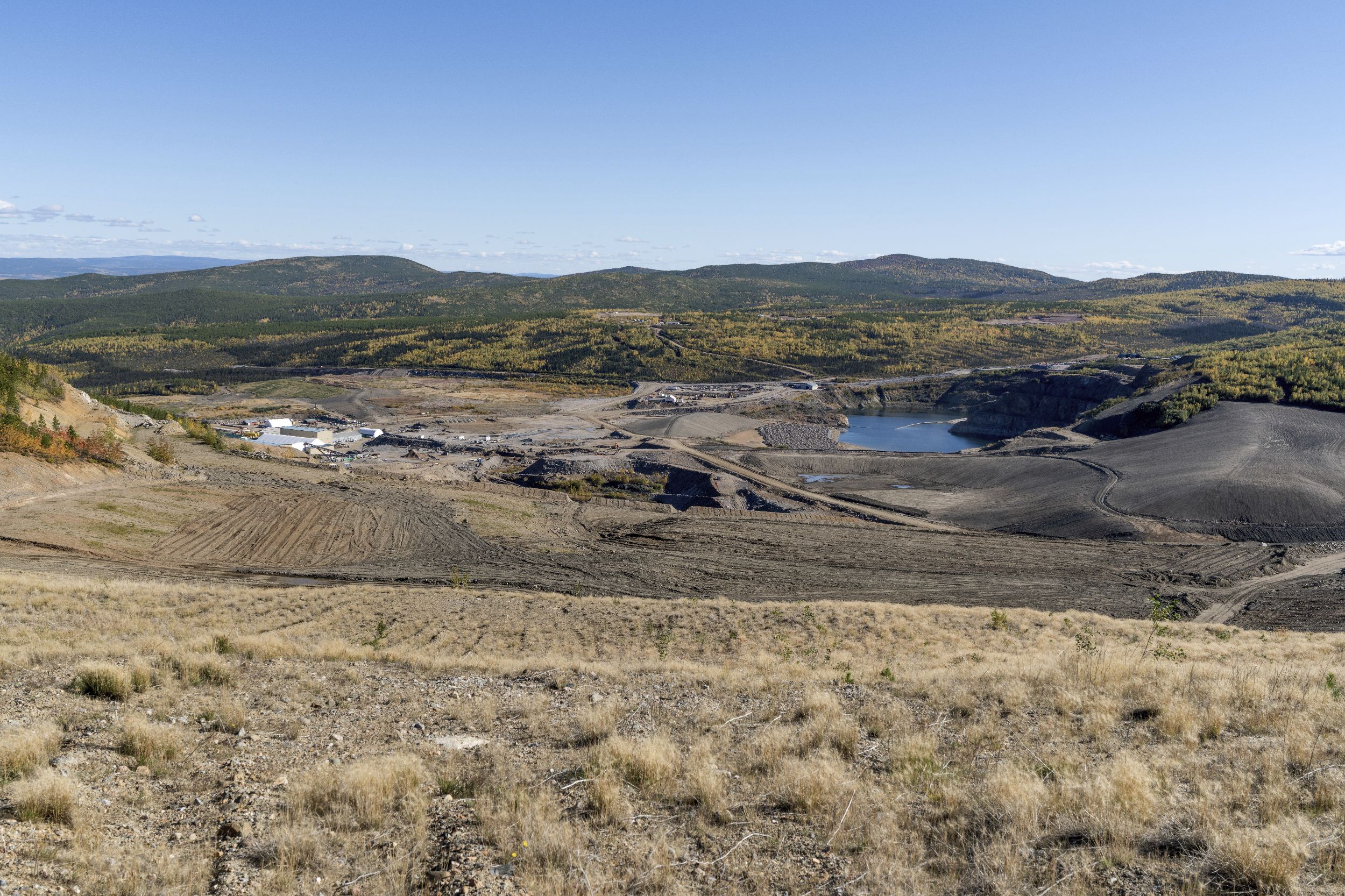
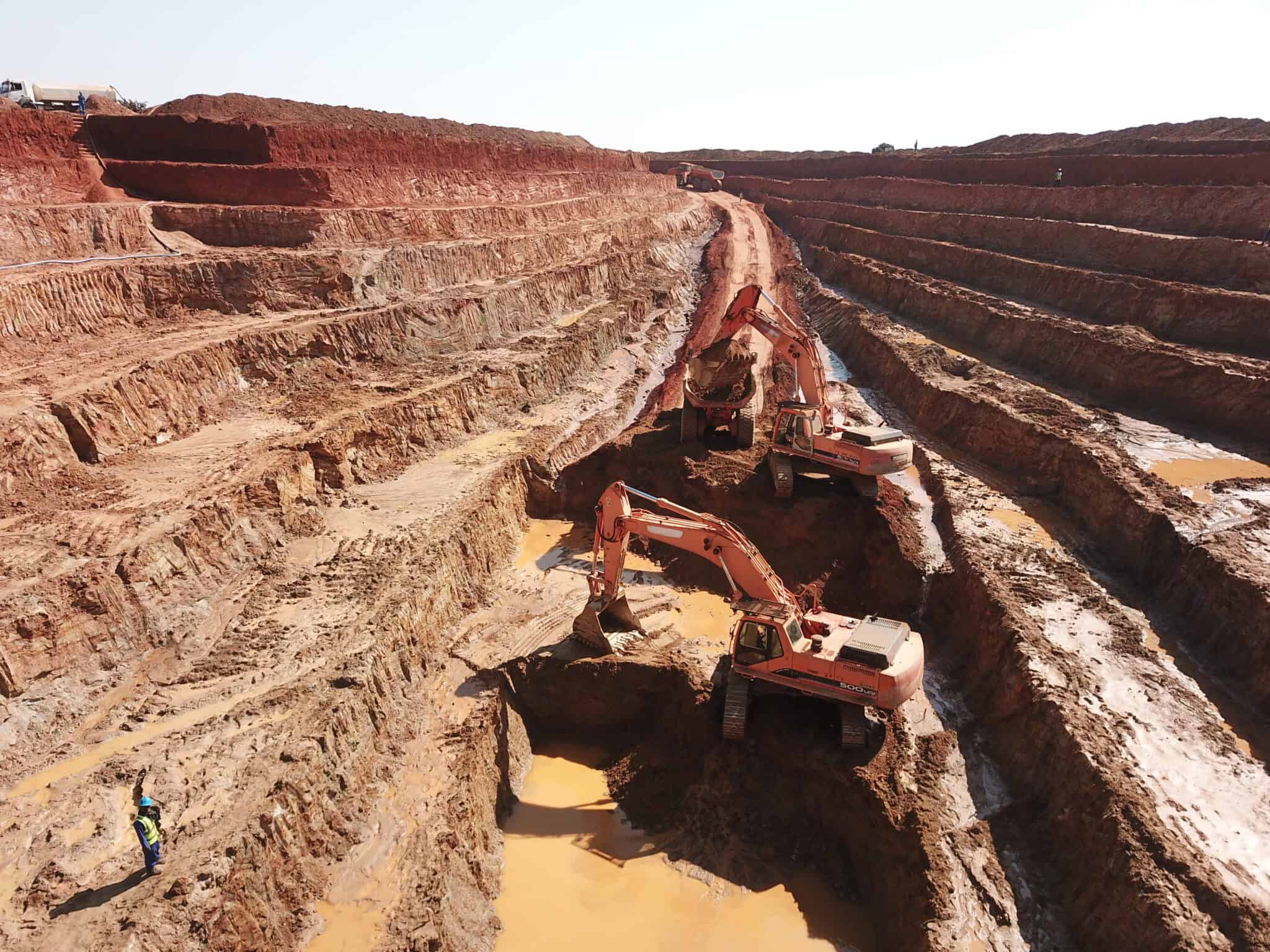
Selkirk Copper Mines (TSXV: SCMI | OTCQX: SKRKF | FRA: IO20) is advancing the restart and redevelopment of the former Minto copper-gold-silver mine in Yukon, Canada, in partnership with the Selkirk First Nation, which indirectly holds a controlling interest in the company through a wholly owned subsidiary. Selkirk Copper controls 26,850 hectares of mineral claims in the Minto-Carmacks copper belt, along with existing open-pit and underground infrastructure, including a 4,100-tonne-per-day processing plant and a 400-person camp.
The restart plan is built around 4,100 tonnes of ore per day, about 1.5 million tonnes per year, over a 12- to 15-year mine life, producing roughly 30,000 tonnes per year of copper-equivalent metal in concentrate. Minto lies in central Yukon, 250 kilometres (km) north of Whitehorse on the Klondike Highway. Peak annual production came in 2016, at 31,000 tonnes of copper, 40,000 ounces of gold, and 355,000 ounces of silver. Because the plant, the camp, the access roads, and the power line already exist, the development path is to amend existing permits rather than obtain new ones.
1. The Completion Target Moved to the Third Quarter
The study that will produce Minto's first economics since 2021 is now committed for the third quarter of 2026, later than the schedule the company was working to in July.
Through July, completion of the preliminary economic assessment (PEA) was targeted for mid-2026. The resource update, the trade-off study, and the assessment were all planned to be completed in that same mid-year window. The commitment now on record is completion of the PEA in the third quarter of 2026.
Management described the study as arriving within a month, alongside an updated mineral resource estimate (MRE) and the first economics for the asset since 2021. The MRE landed on July 30, 2026. The study did not.
The delay is short by the standards of a development schedule. At Minto it removes the space between the study and the other items already booked into the same period.
2. A Larger Resource Pulled More Planning Work Forward
The additional work is the integration of a larger resource into mine plans, waste designs, and cost estimates, not a change in what the study is meant to answer.
Selkirk Copper has given one cause for the extra work. Its teams are advancing underground and surface mine development plans, integrated mine and mineral processing plans, waste storage facility designs, and facilities work, including capital, sustaining, and operating cost estimates. Fully considering the significant increase in the mineral resource estimate within those plans has led to additional planning and development work.
The estimate now feeding that exercise has an effective date of June 10, 2026. Measured and indicated resources grade 0.89% copper, 0.34 grams per tonne (g/t) gold, and 3.2 g/t silver, containing 940 million pounds of copper, 530,000 ounces of gold, and 4,969,000 ounces of silver. Inferred resources grade 0.76% copper and 0.26 g/t gold, containing 281 million pounds of copper and 142,000 ounces of gold. The estimate uses metal prices of US$4.60 per pound for copper, US$3,300 per ounce for gold, and US$40 per ounce for silver.
The study has to hold its objectives against that larger base: a 12- to 15-year mine life; 4,100 tonnes per day of continuous ore production; about 30,000 tonnes per year of copper-equivalent metal; an updated operating cost estimate; an updated restart and sustaining capital estimate; and an updated scoping-level closure plan. Waste rock and tailings have to be placed within the existing license boundary, and water managed annually, including for a 1-in-200-year event. A bigger orebody changes the mine plan against which those constraints are tested, and every cost estimate hanging off that plan moves with it.
3. Feasibility Work Was Scheduled to Begin Weeks Behind the Study
The feasibility study was set to start at the end of August or early September, weeks after the economic study was expected, so a later release compresses the interval between the two.
President & Chief Executive Officer of Selkirk Copper Mines, M. Colin Joudrie, places the feasibility start directly behind the study's release:
"I think our objective here is we finish this PEA, we get that out in the market, we get the MRE update at the same time, and then we start the feasibility study at the end of August, early September. And that should give us enough runway to be done all that work before mid next year."
That sequence was described in early July, when the PEA was still targeted for mid-year. The completion date on the far side has not moved: the feasibility study is still planned for mid-2027.
The trade-off study engineering work packages went to Hatch Ltd. and SRK Consulting (Canada) Inc., both of which have significant experience at the Minto site. Hatch covers mineral processing, infrastructure, and mining. SRK covers rock mechanics, geotechnical design, water and waste management. Both teams include Selkirk First Nation engineering consultants.
The second drill program is intended to support that study. Its scope totals 50,000 metres (m), combining expansion, exploration, and infill drilling with geotechnical data collection. Management is targeting 4 to 5 years of measured material and is using the geotechnical work to address underground structures, faulting and water, open-pit wall angles, the portal for a new horizontal access to the Minto North deposit, and the placement of waste and tailings on the ground.
4. Drilling Is Finishing Early Into the Same Window
Phase 2 is ahead of plan and running to approximately late September, which puts the end of the drilling in the same quarter as the study.
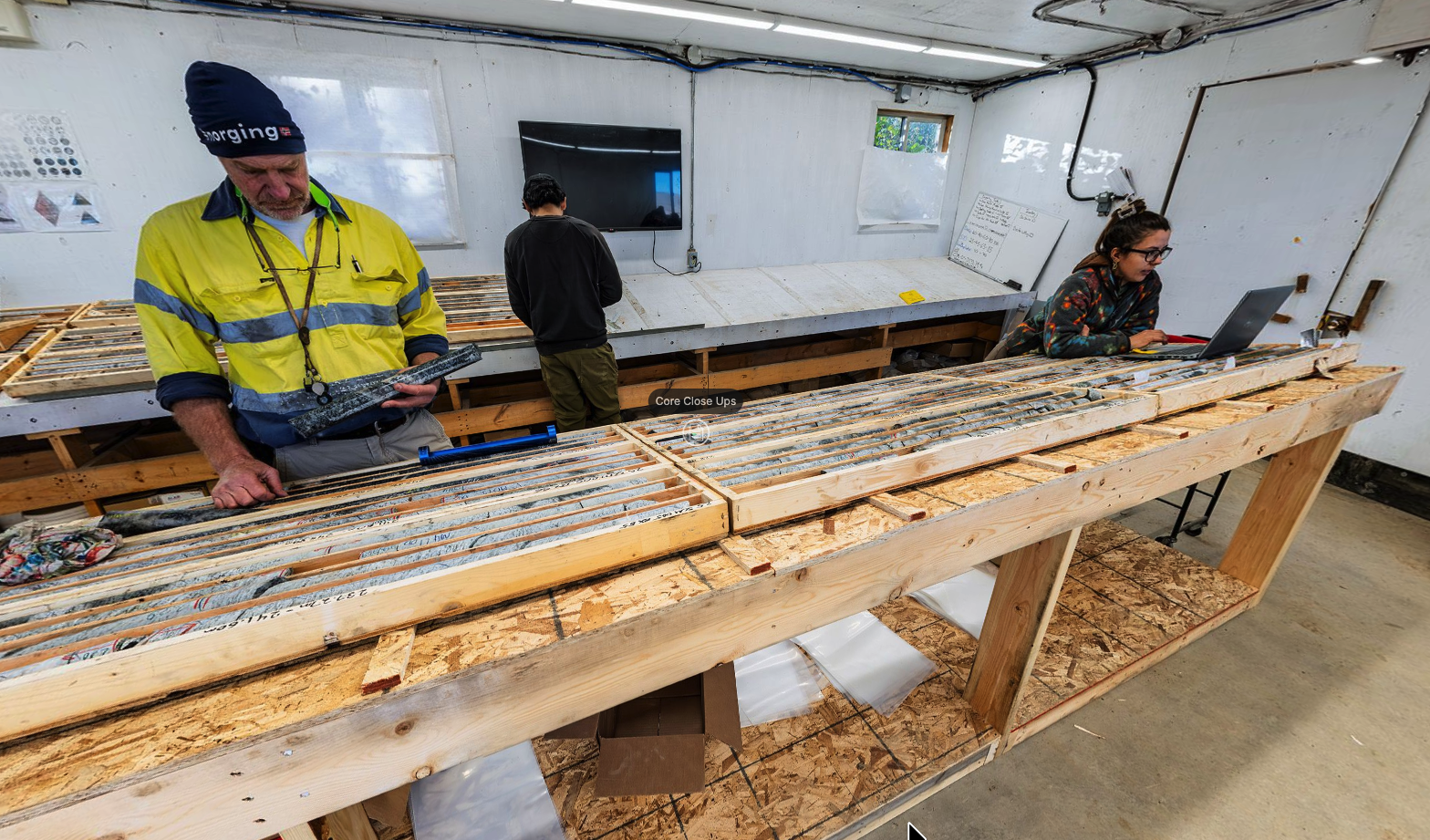
The program began on May 1, 2026, with 4 drill rigs. As of August 18, 2026, 45,299 m in 187 holes had been completed, 90% of the planned meterage, and drilling is anticipated to continue until approximately late September. The first campaign totaled 52,288 m and finished in March 2026.
Meterage is spread unevenly across the deposit. Area 118 has taken 11,530 m in 40 holes and Minto Main 10,069 m in 28 holes, the two largest blocks. Copper Keel accounts for 9,323 m in 44 holes, Minto North 7,227 m in 29 holes, Minto East 3,748 m in 12 holes, and Ridgetop 3,402 m in 34 holes.
Management said in July that it expected the program to be finished by the first part of September, about a month and a half earlier than planned, and attributed the pace to warmer conditions and drillers accustomed to the rock. An early finish does not shorten the queue of assays behind it.
5. Most of Phase 2 Has No Reported Assays
Reported results cover only holes drilled in May and a minority of completed holes in every zone, so the data the feasibility study will use is still arriving.
Results released on August 20, 2026, come from holes drilled in May. Assay turnaround is six to eight weeks, and results are anticipated through the summer and fall of 2026. Against 187 holes completed, assays have been reported for 7 of 29 holes at Minto North, 6 of 28 at Minto Main, 5 of 40 at Area 118, 8 of 44 at Copper Keel, 3 of 12 at Minto East, and none of the 34 at Ridgetop.
What has come back points in both directions. Infill drilling at Minto North returned 6.01% copper, 8.77 g/t gold, and 36.6 g/t silver, or 13.12% copper equivalent, over 1.93 m, within a broader interval of 1.49% copper equivalent over 33 m. A 50-metre step-out at Area 118, 125 m from historical underground development, returned 3.39% copper, 0.61 g/t gold and 16.5 g/t silver, or 3.73% copper equivalent, over 6.0 m. In the eastern portion of the Copper Keel resource area, 8 holes were reported, and 7 intersected notable copper-gold-silver mineralization, with variable grades and grades somewhat lower than expected, ranging from 0.66% to 1.67% copper equivalent. Those results confirm the continuity of the geological model in that part of the deposit and indicate limited potential for additional resource expansion there.
Joudrie dates the arrival of the outstanding assays and names where they land:
"We'll get all that stuff by about October, November. That will get integrated into the feasibility study."
The second data set therefore lands in the same months as the feasibility study's initial work, behind it rather than ahead of it.
6. Permit Amendments Fall Immediately Behind the Study
The amendment submission for Minto's existing licenses is set for October, weeks behind the study, and management has called permit timing probably the biggest question remaining on the restart.
Selkirk Copper is reviewing every existing permit and amending it to reflect a 12- to 15-year mine life. The work covers all existing licenses, including exploration and water licenses, and runs into 2027. The previous operator made assumptions about permits to mine in both the open pit and the underground, and management has said it will not take that risk into production.
The company hired a director of permitting and awarded consultant contracts in mid-February 2026. Alongside engineering, it is advancing a water management plan for the 12- to 15-year mine life and working through the physical and permitting requirements to remove water stored underground by the Government of Yukon as part of its closure work.
Joudrie points investors at the feasibility study's start and then at the licensing file:
"Just watch that space. Make sure we stay true to our word. And then submission of the amended permits in October."
Selkirk Copper's target timeline places the submission of the amended permits at the close of the third quarter of 2026, and management has named October. A restart direction to the Government of Yukon and the Selkirk First Nation is scheduled separately for October 2026. Regulatory sign-off comes much later, in the second half of 2027, with the finalized amendments extending into 2028.
7. The Dates Beyond 2026 Have Not Moved
Every milestone after 2026 remains where it stood in July, which puts the entire schedule change within a single year.
The feasibility study is still targeted for completion in mid-2027. The restart final investment decision is anticipated for mid-2027, development authorization for late 2027, mill commissioning for the first quarter of 2028, and first production for mid-2028.
None of those dates was revised on August 20, 2026. In early July, management said the timeline to have the feasibility study and all of its information integrated by mid-2027 still looked good, and nothing since has replaced that assessment.
The consequence of the change is therefore contained within 2026. Three items that were meant to be spread across the second half of the year now fall into the same stretch of weeks: the economic study, the start of the feasibility work, and the licensing submission.
Key Takeaway for Investors
- Later than planned, the preliminary economic assessment that will produce Minto's first economics since 2021 is now committed to the third quarter of 2026.
- The cause is resource integration, with a significant increase in the mineral resource estimate requiring additional mine planning, waste storage design, and cost estimating work before the study can close.
- Drilling is ahead while assays lag, with 45,299 metres completed in 187 holes by August 18, 2026 but reported results covering only holes drilled in May and a minority of holes in each zone.
- Licensing falls within the same window, with the amended permits targeted for submission in October 2026, alongside a restart direction to the Government of Yukon and the Selkirk First Nation, both scheduled for the same month.
- Nothing after 2026 has changed, with feasibility completion and the restart final investment decision still anticipated for mid-2027 and first production still planned for the middle of 2028.
A single stretch of weeks now has to deliver the first economics on the asset since 2021, the start of the feasibility work, and the licensing submission that opens the permit question management calls the biggest one remaining. None of those is individually unusual for a project at this stage. Arriving together, they leave less room for any one of them to slip without touching the mid-2028 production date.
Bottom Line
Minto's remaining 2026 schedule has tightened into a few weeks, and Selkirk Copper has given the reason: a larger resource had to be absorbed into the mine plans, waste designs, and cost estimates before the economic study could close. The drilling has moved the other way, finishing early, but its assays come back in October and November, and the feasibility study follows after that work has started. Nothing beyond 2026 has been rescheduled, so the test is whether the study, the feasibility start, and the permit submission all fit within a window built to hold them one at a time.
Analyst's Notes





Subscribe to Our Channel








Stay Informed


