Shelved Copper Porphyries Get a Second Test at Copper Cliff & Beskauga


Copper Cliff and Beskauga test when shelved copper porphyries merit a second look, as Mogotes Metals plans deep drilling and low-cost programs under option.
- A drilled-and-dropped copper porphyry can merit a second test when the geological interpretation, the cost of drilling it, or the cost of acquiring an interest changes.
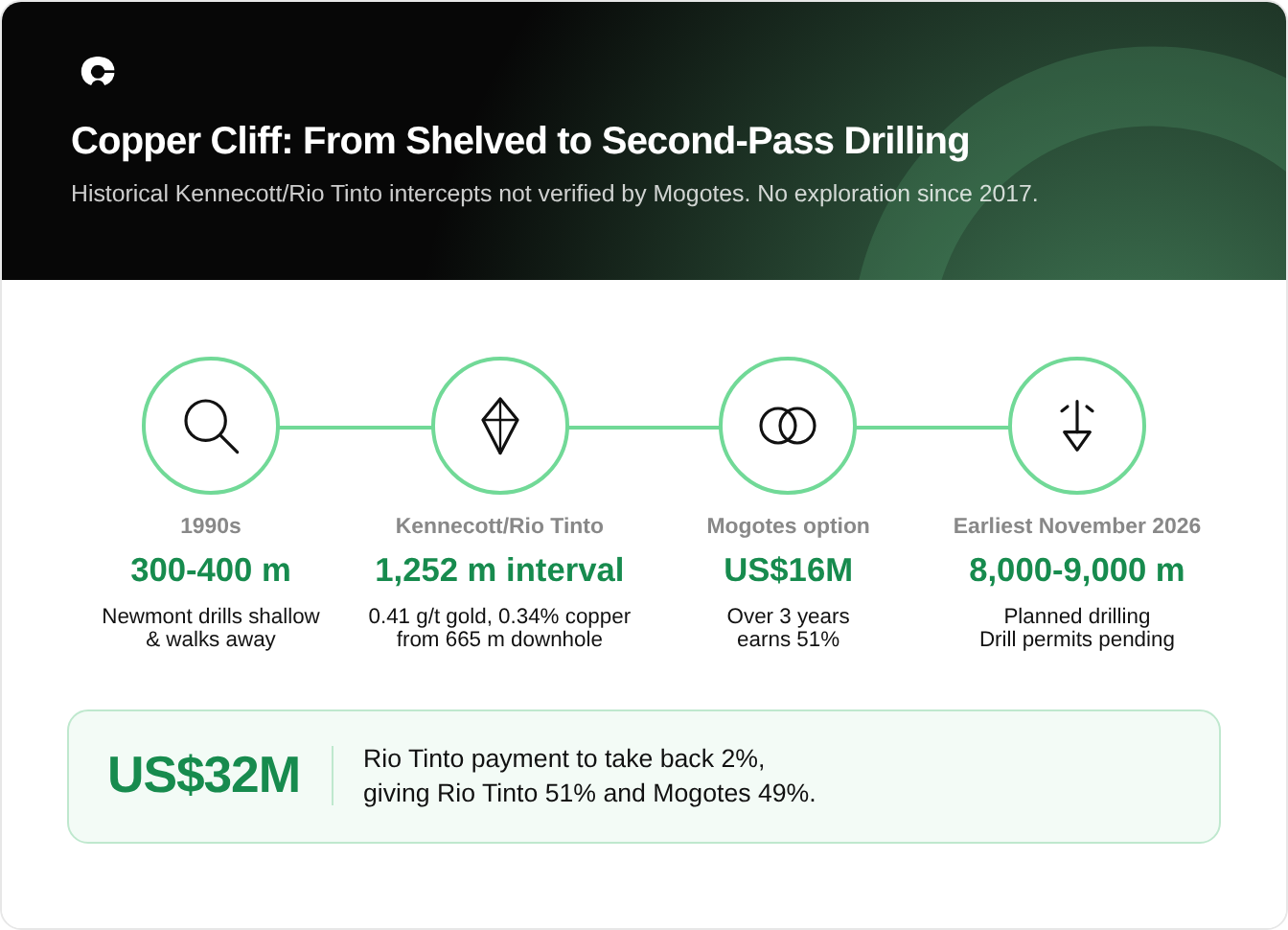
- At Copper Cliff in Montana, Newmont's 1990s drilling reached 300 to 400 meters; later historical Kennecott/Rio Tinto drilling returned a 1,252-meter downhole interval at 0.41 grams per tonne gold and 0.34% copper from 665 meters.
- At Beskauga in Kazakhstan, diamond drilling at US$60 per meter supports a program of up to 50,000 meters, now underway.
- Exploration-only earn-ins direct a junior's capital into exploration: at Copper Cliff, US$16 million of spending over 3 years earns 51%.
- Copper Cliff's planned program of 8,000 to 9,000 meters can start as early as November 2026, once drill permits are granted.
A copper porphyry abandoned by a major is not necessarily a failed discovery. At Copper Cliff in Montana, Newmont's drilling in the 1990s reached 300 to 400 meters and did not intersect significant mineralization. Later, Kennecott/Rio Tinto drilling returned a 1,252-meter downhole interval with 0.41 grams per tonne gold and 0.34% copper, starting at 665 meters. Whether deeper drilling can turn that historical evidence into an economic deposit is still open.
Mogotes Metals (TSXV: MOG | OTCQB: MOGMF) is testing that question at Copper Cliff while taking a different kind of second look at Beskauga in Kazakhstan, where low drilling costs support a far larger program. Together, the 2 projects show the conditions under which a junior can reopen a system another owner left: a new geological interpretation, a lower cost of testing it, and a cheaper route to an ownership interest.
Neither project establishes a broader industry trend. Each tests one condition in practice: Copper Cliff tests depth and a change in exploration priorities, and Beskauga tests drilling cost.
Industry Context
Discovery values set the reward for exploration risk in copper. BHP and Lundin Mining acquired Filo Corp, owner of Filo del Sol on the Argentina-Chile border, for C$4.5 billion, and NGEx, whose Lunahuasi deposit lies on the same belt, was valued at C$5.7 billion on September 21, 2026. Those figures show what a discovery in a proven district can be worth at maturity; they do not reflect the value of an early-stage system elsewhere.
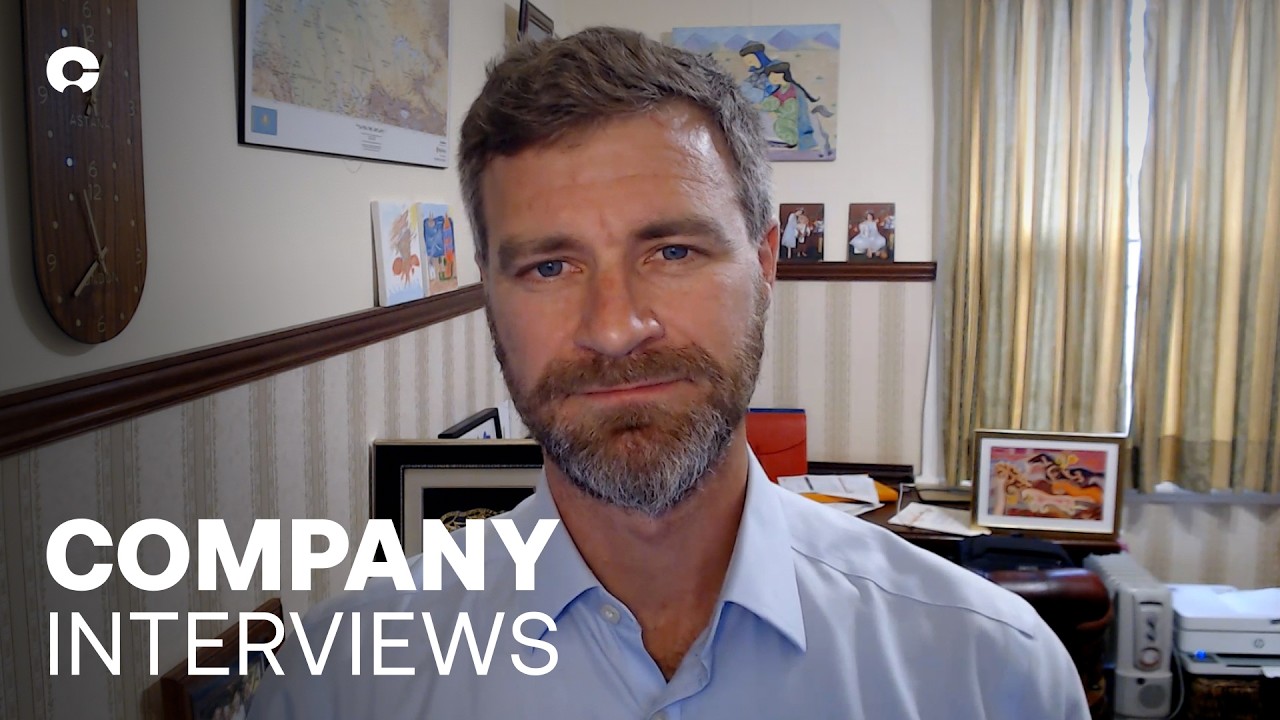
The decision to stop drilling a system is made in light of the owner's other options at the time. Chief Executive Officer of Mogotes Metals, Allen Sabet, places Newmont's exit from Copper Cliff in that context:
"At the time, if you're in 1992 and you've got a global exploration team who's walking over projects in the DRC or, in Newmont's case, Papua New Guinea, and they can helicopter out 20 grams per ton ore direct-shipped from Tolukuma in Papua New Guinea, why would they want to go 600 to 1,000 meters deep in Montana? So it's all relative to your opportunity set at the time."
Geological interpretation and budget can also change the picture. Peter Ellsworth, then a Newmont geologist, wrote his master's thesis on Copper Cliff, arguing that the 1990s holes had tested the upper levels of a porphyry that would lie deeper. At Beskauga, a private Swiss discovery team drilled hundreds of meters on a low budget and tested core with a portable X-ray fluorescence analyzer the same day. Previous owners ran only a couple of lines of induced-polarization geophysics, not a survey of the entire land package.
Emerging Practices & Industry Progress
Each of those conditions has a corresponding practice that lowers the cost or risk of a second look: cheaper meters, drilling geometry designed for depth, and deal terms that tie capital to exploration.
In Kazakhstan, diamond drilling costs as little as US$ 100 per meter, and reverse-circulation (RC) drilling about US$60 per meter. At Beskauga, about 40 meters of clay overburden makes surface work ineffective, so drilling becomes the primary exploration tool: RC holes of 300 to 500 meters return data quickly, while diamond core builds the geological model and supports confidence in resource categories. Mogotes operates its own sample preparation lab, which it says halves assay costs. Sabet, who ranks Kazakhstan among the lowest-cost places in the world to drill, described the effect of those rates on planning:
"When drilling is almost an order of magnitude cheaper, you make decisions differently."
For a deep target, hole design is the cost lever. At Copper Cliff, Mogotes plans a mother-daughter configuration: a parent hole drilled to about 1 kilometer, with a number of daughter holes branched from it on the same pad, to cut overall cost and increase the mineralization intersected per meter drilled. Deal terms complete the change. Copper Cliff is held under an option to joint venture (JV) with Kennecott Exploration Company, a Rio Tinto subsidiary, in which exploration spending alone earns equity, and Beskauga is held under a US$24.7 million option over 100% of the project, with 3 years to complete the acquisition and payments weighted toward the end of the term.
Remaining Challenges
Depth is the first constraint. The highlight Copper Cliff intervals start at 665 meters and 785 meters downhole, and Sabet notes that both Mogotes and Rio Tinto are looking for high grade to make a deposit at that depth work. The results are historical Kennecott/Rio Tinto intervals, reported as downhole lengths, that Mogotes has not verified, and drilling cannot begin until permits are granted.
Data quality is the second. Beskauga's resource is a historical estimate under NI 43-101, with an effective date of February 20, 2022, and Mogotes' Qualified Person has not verified it as a current mineral resource. Upgrading it requires independent verification of the historical drill database, integration of 18,657 meters of post-resource drilling, an updated geological interpretation, and a new estimate at current metal prices.
Control is the third. After Mogotes spends US$32 million to take back 2%, Rio Tinto would hold 51% and Mogotes 49%. Rio Tinto would then direct exploration, with Mogotes' US$16 million credited as its contribution and its share of later spending to fund. Drilling at Beskauga and at Mogotes' Filo Sur project in the Andes also depends on weather.
Project Examples
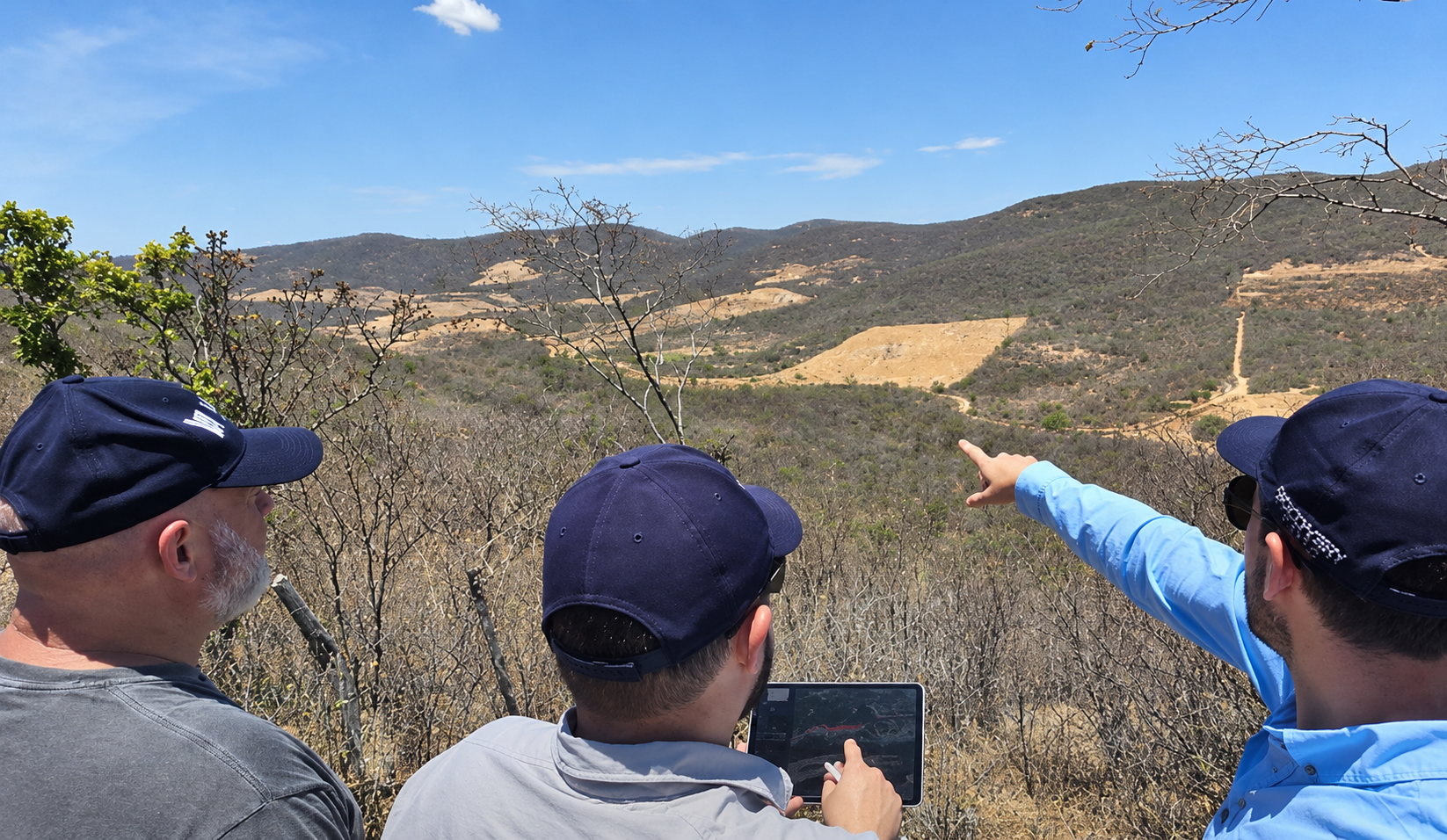
Copper Cliff is the depth case. One historical hole returned 1,252 meters at 0.41 grams per tonne of gold and 0.34% copper from 665 meters downhole, including 305 meters at 0.67 grams per tonne of gold and 0.59% copper. Another drill hole returned 1,048.2 meters at 0.46 grams per tonne of gold and 0.34% copper from 785 meters. The project has seen no exploration since 2017. Ellsworth is now Mogotes' project manager and Qualified Person for Copper Cliff, and the company is budgeting about US$5.5 million for the project this year, aimed at extending the higher-grade zones around those intervals.
For Mogotes, the clawback scenario is an outcome it would accept. Sabet set out the reasoning:
"We made double our money, we have 49% of a project, and importantly, if we're 49%, it means Rio Tinto decided that the project has reached scale, grade, and size to be attractive to Rio Tinto, to reach Rio Tinto's selection criteria. We've hit something exceptional."
Beskauga is the cost case. A junior held the project under option for about 5 years; once the option lapsed and the project became available, Mogotes won a competitive process by moving quickly and paying upfront during due diligence to secure exclusivity. The historical estimate totals 111.2 million tonnes indicated at 0.30% copper and 0.49 grams per tonne gold, containing 333.6 thousand tonnes of copper and 1.8 million ounces of gold, plus 92.6 million tonnes inferred at 0.24% copper and 0.50 grams per tonne gold, containing 222.2 thousand tonnes of copper and 1.5 million ounces of gold. Drilling to date totals 67,995 meters in 150 holes, including 957 meters at 0.58 grams per tonne gold and 0.34% copper from 44 meters in one drill hole, and up to 50,000 meters more is under way for about C$8 million.
Jurisdictional Perspective
Montana's advantage is title. Copper Cliff is on patented claims owned by Rio Tinto that carry both surface and mineral rights, and permitting on those claims is subject to statutory timelines. Drill permits are the project's next milestone.
Kazakhstan's advantage is cost and access. A 1,100-kilovolt power line crosses the Beskauga property, in a region that hosts 40% of Kazakhstan's power generation capacity; fresh water arrives from the Irtysh River via the Karaganda Canal, and a sealed highway and rail reach the area. The arid steppe allows exploration and mining year-round. First Quantum and Rio Tinto are active explorers of a sedimentary copper basin in the country.
The trade-off is jurisdictional risk. Changes to subsoil use rights and tax regimes, currency volatility, and exposure to international sanctions are among the risks of its foreign operations.
Industry Outlook
The 2 programs will report on different clocks. At Beskauga, the first assays are targeted for the fourth quarter of 2026, with a preliminary economic assessment (PEA) within 12 months, followed by a pre-feasibility study (PFS). At Copper Cliff, the 8,000- to 9,000-meter program can start in November 2026 at the earliest, once permitted, within a 3-year first-stage earn-in that ends with Rio Tinto's clawback decision.
Specific results would support or weaken the second-look case. At Copper Cliff, step-out holes that extend higher grades around the historical intervals would support the depth thesis, while results confined to the known intervals would leave it unproven. At Beskauga, holes that grow tonnage or find new porphyry centers at the stated drilling costs, followed by a PEA, would support the cost thesis; difficulty verifying the historical estimate would weaken it. A clawback by Rio Tinto would put a major's own price on a system another major once left.
For copper investors, the 2 projects offer a checklist for any junior buying a drilled-and-dropped asset: why the previous owner stopped, what has changed in geology, costs, or terms since then, and who carries the risk under the deal.
FAQs (AI-Generated)
Analyst's Notes





Subscribe to Our Channel






.png)
Stay Informed