




Mogotes Metals to More Than Triple Filo Sur Drilling: 9 Things to Know for the Next 12 Months


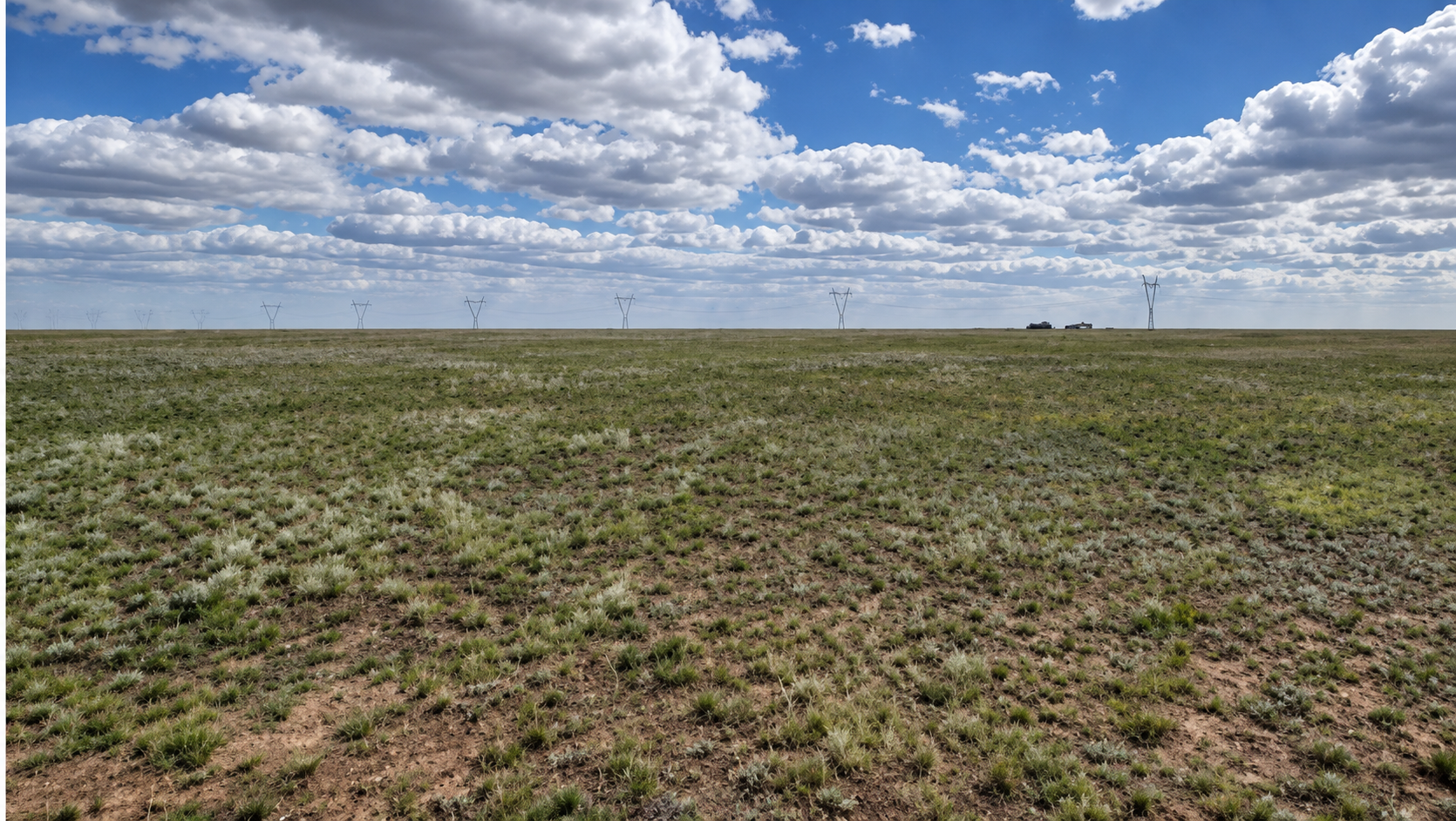
Mogotes Metals plans up to 20,000 m at Filo Sur and 50,000 m at Beskauga, targeting a preliminary economic assessment within 12 months.
3 Copper Projects, 3 Separate Tests
Mogotes Metals Inc. (TSXV: MOG | FSE: OY4 | OTCQB: MOGMF) has scheduled drilling at all 3 of its copper-gold projects over the next 12 months. Beskauga in Kazakhstan is already drilling to depths of up to 50,000 meters. Filo Sur in Argentina and Chile is targeting a November 2026 restart with up to 20,000 meters. Copper Cliff in Montana has 8,000 to 9,000 meters planned, pending permit approval. Each program answers a different question: whether 2 new discoveries extend, whether a Kazakh deposit supports standalone economics, and whether a porphyry first intersected by Rio Tinto grows at depth.
1. Filo Sur Drilling Will More Than Triple Last Season's Total
Mogotes plans up to 20,000 meters at Filo Sur in the 2026-2027 season, more than 3 times the 6,208 meters drilled in 2025-2026. Drilling is targeted to restart in November 2026, subject to weather and site access.
The project adjoins Lundin Mining's Filo del Sol, one of the world's largest copper-gold-silver discoveries. It lies on the same north-south belt as the Filo del Sol-Aurora deposits and NGEx Minerals' Lunahuasi and Los Helados copper-gold deposits. Mineralization on neighboring projects is not necessarily indicative of mineralization at Filo Sur.
A program of up to 20,000 meters gives the company room to drill its 2 new discoveries and first-pass targets in a single season. The first measure of the program is whether drilling restarts on schedule in November, since weather can shorten or suspend the Andean season.
2. Albor & Cruz del Sur Lead the Filo Sur Program
The 2026-2027 program is built around 2 discoveries made last season on the Macho Muerto Fault Zone (MMFZ). At Albor, drilling will extend the high-grade breccia discovery along strike and at depth. It will also make the first test of a porphyry target interpreted beneath the breccia. At Cruz del Sur, expansion drilling will follow up the gold-copper porphyry discovered in 2026, which remains open in all directions under cover.
These 2 targets rank first and second among the 4 program priorities. The Albor porphyry test is the first drill test of the target interpreted beneath the breccia, so it will determine whether the porphyry target is present. At Cruz del Sur, step-out results will define how far the gold footprint outlined by 2026 drilling extends.
3. Most of the Roughly 10 Kilometers of MMFZ at Filo Sur Remains Undrilled
The third priority group has 3 targets: first, porphyry tests at Cuenca; follow-up on a new target at Luz del Sol; and completion of the drill test at Meseta. Together with Albor, these targets form a composite area about 4 kilometers long. It contains multiple undrilled or under-drilled geophysical and geochemical anomalies.
The fourth priority is reconnaissance drilling along the roughly 10 kilometers of the MMFZ inside the project, most of which has not been drilled. The program therefore combines expansion drilling at known discoveries with first-pass tests of the wider structure. Cuenca results will be the first drill data from that target. Reconnaissance holes will show whether mineralization recurs elsewhere along the fault zone.
4. Beskauga Is Targeting a Preliminary Economic Assessment Within 12 Months
At Beskauga in Pavlodar Province, Kazakhstan, drilling has begun and is planned to continue to a depth of 50,000 meters until winter weather sets in. The first assay results are expected in the fourth quarter of 2026. Mogotes holds an option to acquire 100% of the project. It is targeting a preliminary economic assessment (PEA) within 12 months, to be followed by a pre-feasibility study (PFS). The company has also submitted a mining license application.
The program adds to an existing database of about 60,000 meters. Mogotes cites a metal inventory of approximately 500,000 tonnes of contained copper and 3 million ounces of gold in the indicated and inferred categories. The gold is split evenly, with 1.5 million ounces indicated and 1.5 million ounces inferred. New drilling is aimed at expanding that resource and testing new porphyry targets before the PEA.
President and Chief Executive Officer of Mogotes, Allen Sabet, described the company's objective for Beskauga:
"Our goal over the 3-year option period is to advance the asset from its current state into a $1 billion-plus project to either build or sell."
5. Low Drilling Costs Support a 50,000-Meter Program at Beskauga
Diamond drilling in Kazakhstan costs around US$115 per meter, all-in. Reverse circulation (RC) drilling costs around US$60 per meter. Mogotes has set up its own sample preparation lab, which it says halves assay costs. About 40 meters of clay overburden renders surface sampling ineffective, so drilling is the primary exploration tool for the project.
The company is spending approximately C$8 million on up to 50,000 meters of RC and diamond drilling, along with geophysics, over 6 to 12 months. Management describes Kazakhstan as one of the lowest-cost mining jurisdictions globally.
Cost per meter determines how much resource definition the program can fund before the PEA is reached. First assays in the fourth quarter will be the initial read on whether the 2026 holes are extending mineralization.
6. Copper Cliff's Porphyry Was Found by Drilling Deeper Than Newmont
Copper Cliff has been a known porphyry since the late 1980s. Newmont drilled 300 to 400 meters in the 1990s without hitting significant mineralization and walked away. Peter Ellsworth wrote a master's thesis on the project. He argued that drilling had only hit the upper stages of the porphyry and that going deeper would hit the main porphyry.
Rio Tinto later acquired the project and drilled deeper. Its holes intersected more than 1,000 meters of mineralization at 0.75% copper equivalent. Ellsworth is now project manager for Mogotes at Copper Cliff and the Qualified Person for its technical disclosure.
The project has 2 objectives. The first is to extend the footprint of high-grade mineralization around the known porphyry. The second is to explore the wider land package for further porphyry clusters. Year 1 focuses on open, untested ground around the high-grade intervals.
7. Drill Permits Are the Gate for Copper Cliff
Mogotes plans 8,000 to 9,000 meters at Copper Cliff, with the earliest possible start in November 2026. Permitting is pending, and work on it is ongoing. The project is on patented claims, so the company owns both surface and mineral rights, and permitting runs to statutory deadlines.
Once permits are granted, Mogotes aims to drill before and through the winter. The program will use a mother-daughter hole configuration to reach a depth of 1 kilometer and reduce the overall cost per meter. The budget for Copper Cliff this year is around US$5.5 million. The permit decision is the first checkpoint, as no Copper Cliff drilling can begin until it is issued. Spending through the winter will then determine progress toward the US$16 million earn-in threshold.
8. Rio Tinto's Clawback Would Return 2 Times Mogotes' First-Stage Spend
Copper Cliff is held under an option to enter into a joint venture with Kennecott Exploration Company, a Rio Tinto subsidiary. Mogotes may earn a 51% interest by funding US$ 16 million in exploration expenditure over 3 years, and up to 60% in the second stage. After the first stage, Rio Tinto has a 90-day window to pay US$32 million to take back 2%. That would move Rio Tinto to 51% and leave Mogotes with 49%.
If the clawback is exercised, Rio Tinto drives exploration from that point. Mogotes is not fully carried, but its initial US$16 million counts toward its contributed expenditure.
Sabet outlined the value case for shareholders:
"If Rio Tinto exercises the clawback, we double our money by making $32 million USD cash and keep 49% of an exceptional project that met Rio Tinto's corporate scale and grade criteria."
9. Weather Sets the Calendar at All 3 Projects
Exploration at Filo Sur is seasonal and carried out at high altitude in the Andes. Snowfall, storms, and road closures there can suspend drilling for extended periods or an entire season. Beskauga drilling is scheduled to continue until winter weather sets in. Drilling at both Beskauga and Copper Cliff may likewise be constrained by weather.
The programs overlap. Beskauga is drilling now. Filo Sur is targeting a November 2026 restart, and Copper Cliff's earliest possible start is also November 2026. The checkpoint is whether both begin on those dates, since Beskauga drilling is scheduled to stop once winter weather sets in.
Catalysts to Watch
The first catalyst is the initial assay results from the current Beskauga program, targeted for the fourth quarter of 2026. Beskauga is the only project already drilling, so these results will be the first new data from the 12-month plan. November 2026 then brings 2 potential starts. Filo Sur drilling is targeted to restart that month, subject to weather and site access. Copper Cliff can begin no earlier than November, and only once drill permits are granted.
Through the 2026-2027 season, drill results from Albor, Cruz del Sur and Cuenca will show whether last season's discoveries extend. They will also show whether the porphyry target interpreted beneath Albor is present. At Beskauga, the PEA is targeted for completion within 12 months, to be followed by a pre-feasibility study (PFS). At Copper Cliff, spending toward the US$16 million that earns a 51% interest leads to Rio Tinto's 90-day clawback decision, which determines whether Mogotes holds a majority or a 49% stake
Analyst's Notes





Subscribe to Our Channel




Stay Informed






















