




Silver Rises 11.3% as ETF Holdings Reverse Six-Month Decline


Solar manufacturers are using less silver, making ETF flows more consequential as flat mine output leaves a projected 46.3-million-ounce deficit.
- Commodity Exchange (COMEX) silver averaged US$65.30 per ounce in August, up 11.3% month over month, after global silver exchange-traded fund (ETF) holdings increased by 7.6 million ounces in July and ended six consecutive monthly declines.
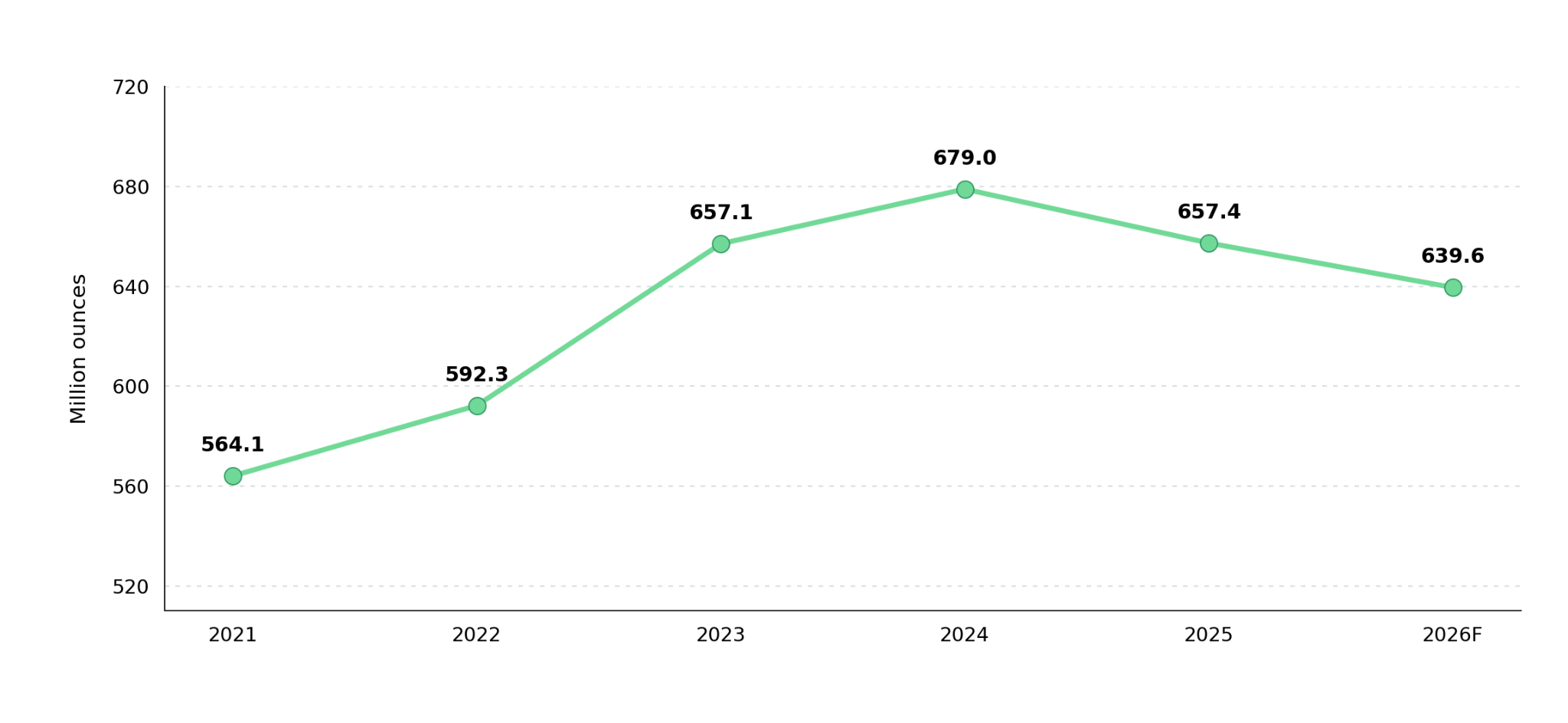
- Industrial silver demand declined 3% to 657.4 million ounces in 2025 and is forecast to fall another 3% in 2026, increasing the importance of investment demand as a separate source of market support.
- Global mine production is forecast to remain flat in 2026, leaving the silver market with a projected 46.3-million-ounce deficit that increases sensitivity to renewed investment demand.
- The Fed raised its target rate to 3.75%-4.00%, while the 10-year Treasury yield reached 5.11% on September 23, testing whether ETF accumulation can withstand a higher opportunity cost.
- Producers can convert higher silver prices into current revenue and margins, while funded developers and explorers can translate sustained pricing, permitting progress, cost control, and resource growth into stronger project value.
ETF Holdings Reverse Six-Month Decline, Broadening Silver Support
COMEX silver averaged US$65.30 per ounce in August, an 11.3% month-over-month increase. The rally followed a 7.6-million-ounce increase in global silver ETF holdings during July, which ended six consecutive monthly declines. The volume alone did not determine the August price, but the change in direction showed that one source of investment demand had stopped contracting after half a year of continuous reductions.
Physically backed ETFs convert portfolio allocations into demand for fund-held silver, so rising holdings can increase competition for available metal when mine supply cannot respond quickly. July’s 7.6-million-ounce increase remains one positive month, with continued accumulation confirming a broader return of investment demand and renewed outflows indicating a temporary rebound. The increase does not prove ETFs caused the 11.3% August rally, but it shows that silver gained another demand source as industrial consumption weakened.
Industrial Demand Softens, Increasing Reliance on Investment Flows
The ETF reversal adds a separate source of silver demand as industrial consumption weakens. The Silver Institute’s World Silver Survey 2026 reported that industrial demand declined 3% to 657.4 million ounces in 2025 after four consecutive years of growth. Electrical and electronics demand fell 2% as weaker photovoltaic fabrication outweighed support from artificial intelligence infrastructure, automotive applications, and power-grid investment.
The Silver Institute reported that coin and net bar demand rose 14% in 2025 after two annual declines and forecast a further 18% rise in 2026. If that forecast holds, additional physical purchases would help offset the projected 3% decline in industrial silver demand. July’s ETF increase provides a separate signal, but its one-month change in fund holdings cannot be directly compared with annual bar and coin purchases.
Solar Manufacturers Cut Silver Use, Reducing Industrial Demand
Higher silver costs have prompted photovoltaic manufacturers to use less silver per cell or substitute other materials, reducing the amount of silver needed for solar production. The Silver Institute’s April 15, 2026 World Silver Survey 2026 forecasts industrial silver demand to fall 3% from 657.4 million ounces in 2025 to 639.6 million ounces in 2026, chiefly because of weaker photovoltaic demand.
Byproduct Reliance Limits Silver Supply Response as Deficit Widens
The Silver Institute estimates that silver demand exceeded supply by 40.3 million ounces in 2025, the fifth consecutive annual deficit, drawing on above-ground stocks. Mine production rose 3% to 846.6 million ounces and recycling rose 2% to 197.6 million ounces that year, but the deficit remained. With demand forecast at approximately 1.11 billion ounces and mine production forecast to remain flat in 2026, the survey projects a 46.3-million-ounce deficit, 6 million ounces larger than in 2025.
Americas Gold & Silver is targeting approximately 30% silver production growth in 2026 after removing US$76 million in future variable obligations and more than US$28 million in annual debt-service obligations in annual debt-service obligations. Higher output and a lighter obligation burden improve its ability to generate cash flow and fund continued production growth.
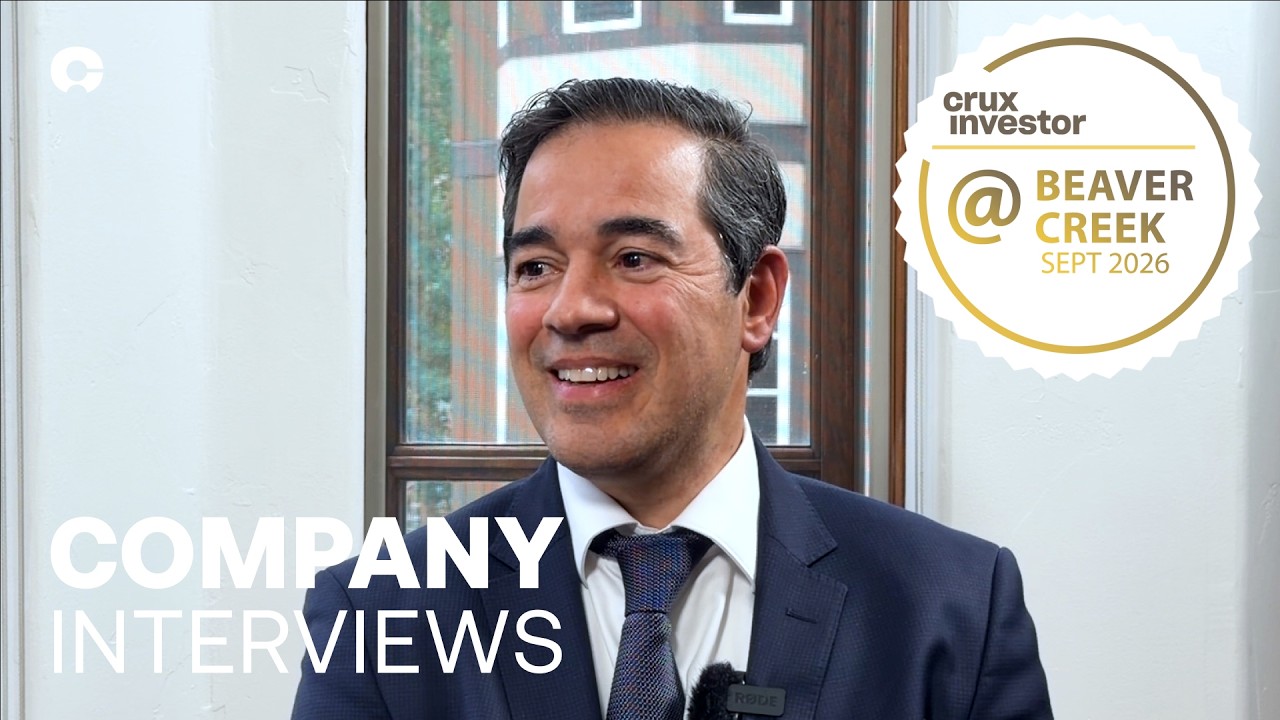
Oliver Turner, Executive Vice President of Corporate Development at Americas Gold and Silver, explains why rising demand meets constrained silver supply:
“The answer is we need more silver because demand is continuing to increase. 70% of silver is a byproduct from other mines. You don't have a highly responsive supply of silver. You can't just turn on more silver supply when the world needs it.”
Fed Hike & Higher Treasury Yields Test Silver ETF Demand
On September 16, the Fed raised its target range by 25 basis points to 3.75%-4.00%. Federal Reserve issues FOMC statement The 10-year Treasury yield rose 36 basis points from 4.75% on August 31 to 5.11% on September 23, according to the FRED DGS10 daily series. Because silver pays no interest, the higher bond yield increases the income forgone by holding it and could discourage additional ETF allocations.
Further growth in ETF holdings while the 10-year yield remains around 5% would strengthen the case that July’s increase can continue despite competition from bonds. Renewed declines in holdings would weaken that case, although either outcome alone would be insufficient to show that yields caused the change.
Funding, Drilling, & Pilot Work Advance Potential Silver Supply
Vizsla Silver November 2025 Panuco feasibility study estimates an after-tax net present value of US$1.802 billion at a 5% discount rate and a 111% internal rate of return, assuming silver at US$35.50 and gold at US$3,100 an ounce. Its July 31, 2026 interim financial statements show about US$411 million in cash and short-term investments, above the study’s US$238.7 million preproduction capital estimate, as the company targets first silver in the second half of 2027, subject to permitting, site access and a construction decision.
GR Silver Mining is advancing a 20,000-meter drilling program at San Marcial, where recent results extended mineralization beyond the 2023 resource boundary. The larger mineralized footprint supports a planned resource update in the first half of 2027 and may strengthen the basis for subsequent engineering and development studies.
Eric Zaunscherb, Chairman and Chief Executive Officer of GR Silver Mining, explains how drilling could expand resources while pilot-plant planning advances project evaluation:
“We have 134 million ounces of silver equivalent, and we feel that that has a significant chance to grow through our 20,000 meter drill program. We also are doing a bulk sample test mining program where we're doing some engineering about putting a pilot plant on site at the former Plomosas mine.”
Continued ETF Accumulation Would Confirm Broader Silver Support
The July ETF increase matters because it occurred while industrial demand was losing speed and the physical market remained in deficit. Silver therefore gained a second source of support without requiring photovoltaic consumption to resume its earlier growth rate. Flat mine production increases the impact of that shift because new supply cannot expand quickly enough to neutralize each additional source of demand.
Monthly ETF holdings provide the clearest confirmation indicator, while Treasury yields show the cost of maintaining non-yielding exposure. Bar and coin demand, photovoltaic silver intensity, industrial-demand revisions, recycling, mine output, and the annual deficit provide the physical context. These indicators should be considered together because silver trades as both an investment asset and an industrial input.
The company-level implication depends on the development stage. Producers can capture stronger realized prices within current financial periods, provided output and costs meet guidance. Funded developers gain flexibility when conservative study assumptions remain below market prices, but permits and construction still control timing. Explorers gain relevance when drilling adds high-grade ounces that can withstand lower-cycle pricing, although resources require metallurgy, engineering, and financing before they become future supply. This sequencing separates current cash-flow leverage from longer-duration project optionality and prevents one month of ETF accumulation from being applied equally across all silver equities.
The Investment Thesis for Silver
- Further growth in ETF holdings would add demand while mine production is forecast to remain flat in 2026. Renewed declines, particularly while Treasury yields remain high, would weaken that support.
- Producers with rising output and controlled costs can turn higher silver prices into current revenue and cash flow. Lower debt service leaves more of those gains after financing costs.
- Funded developers can test stronger project returns at silver prices above their feasibility-study assumptions, but permits and construction costs still determine when production can begin.
- Explorers add future ounces by extending mineralization beyond existing resources, but drilling must establish continuity before those ounces can support a mine plan.
July’s 7.6-million-ounce increase in ETF holdings ended six monthly declines, but further gains are needed to establish sustained fund demand. With the Silver Institute forecasting flat mine production and a 46.3-million-ounce deficit in 2026, continued ETF accumulation could add demand to a market already drawing on inventories; renewed outflows would weaken that source of price support.
TL;DR
Silver ETF holdings rose 7.6 million ounces in July, ending six monthly declines, before silver’s August average price rose 11.3% from July. The timing does not prove the ETF increase caused the price gain. Solar manufacturers are using less silver per cell, and industrial demand is forecast to fall 3% in 2026. Mine output is forecast to remain flat, leaving a projected 46.3-million-ounce deficit. Further ETF accumulation could add demand, but higher Treasury yields make interest-paying bonds more attractive. Producers can benefit sooner from higher silver prices; developers and explorers still need permits, funding, and evidence that potential ounces can be mined economically.
FAQs (AI-Generated)
Analyst's Notes





Subscribe to Our Channel








Stay Informed






