




ValOre Doubled the Pedra Branca Resource on Two Decades of Prior Work


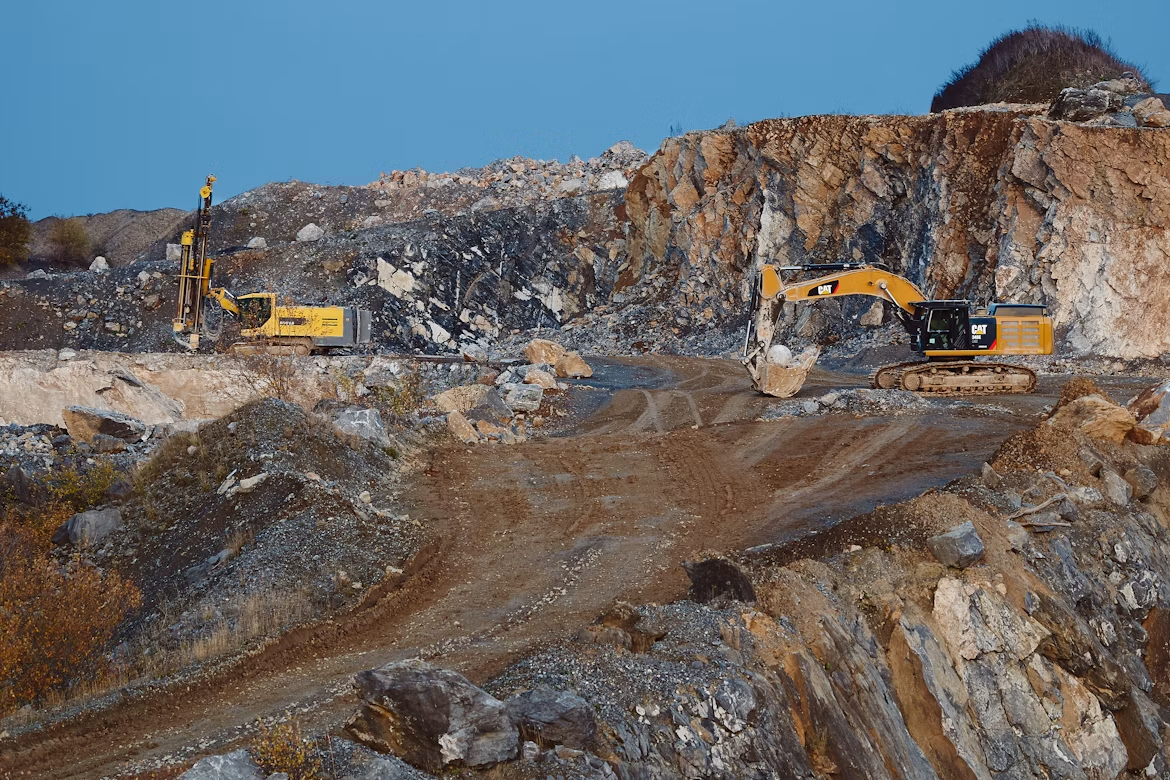
ValOre took on Pedra Branca with 30,000 metres of drilling already done and a trained local crew, then doubled the inferred resource to 2.2 million ounces.
- ValOre Metals took on the Pedra Branca platinum-group element (PGE) project, with 30,000 metres (m) of drilling previously completed by historic operators.
- Management says the previous operators held the project for two decades and trained the local field crew that the company still works with.
- ValOre drilled 23,534 m between 2020 and 2024, and the inferred resource doubled from 1.1 million ounces to 2.2 million ounces.
- The resource covers 63.3 million tonnes (Mt) grading 1.08 grams per tonne (g/t) platinum, palladium, and gold across 7 near-surface zones, with an effective date of March 8, 2022.
- ValOre is targeting resource updates in the third quarter of 2026, a preliminary economic assessment (PEA) in the fourth quarter of 2026, and licensing in the first quarter of 2027.
ValOre Metals (TSXV: VO | OTCQB: KVLQF | FSE: KEQ0) took on the Pedra Branca platinum-group element (PGE) project in Ceará State, northeastern Brazil, with 30,000 metres (m) of drilling already completed on the ground and a local field crew already trained to run exploration programs. Between 2020 and 2024, the company drilled the property itself, and the inferred resource doubled.
The Project ValOre Took On
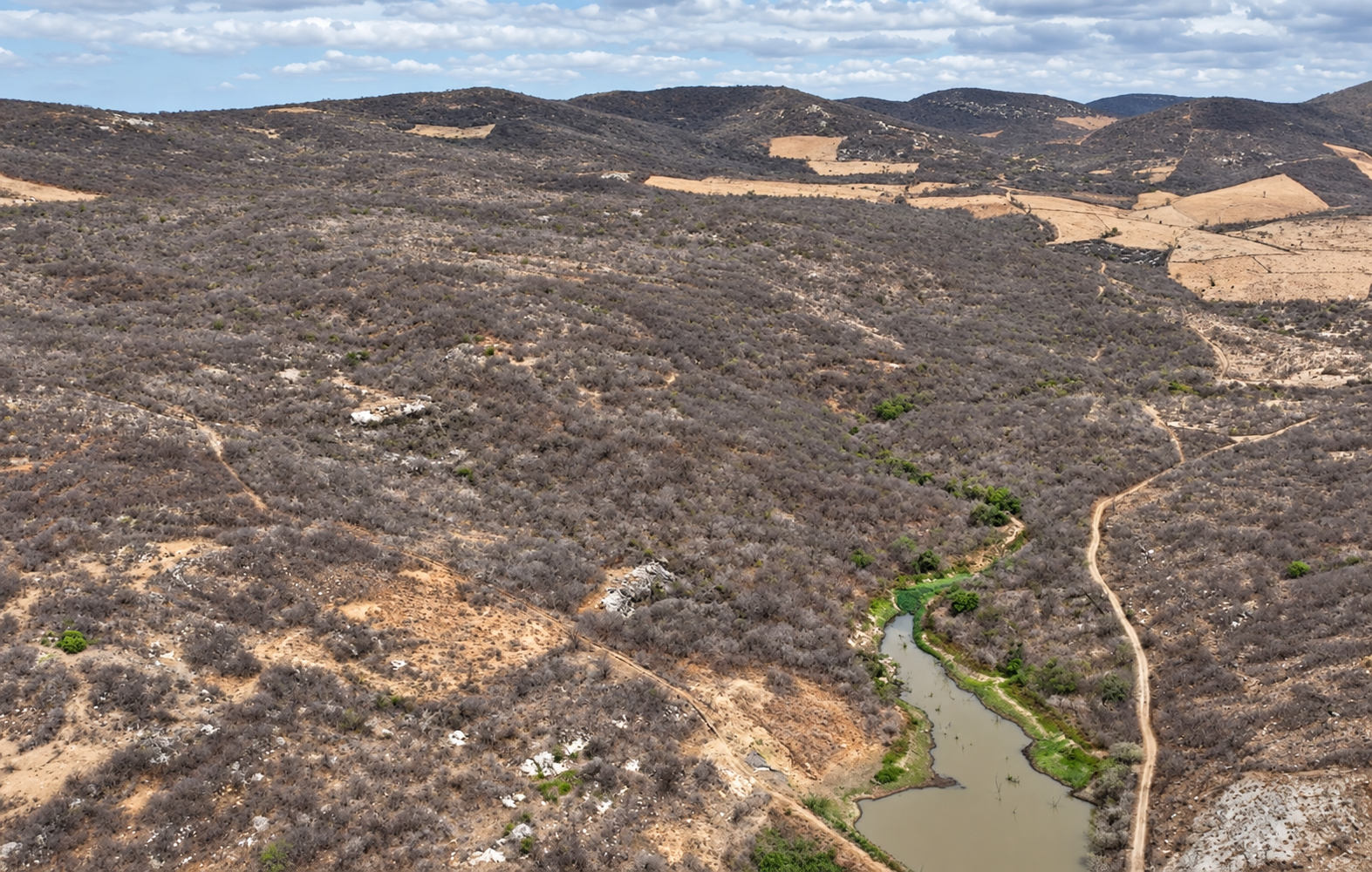
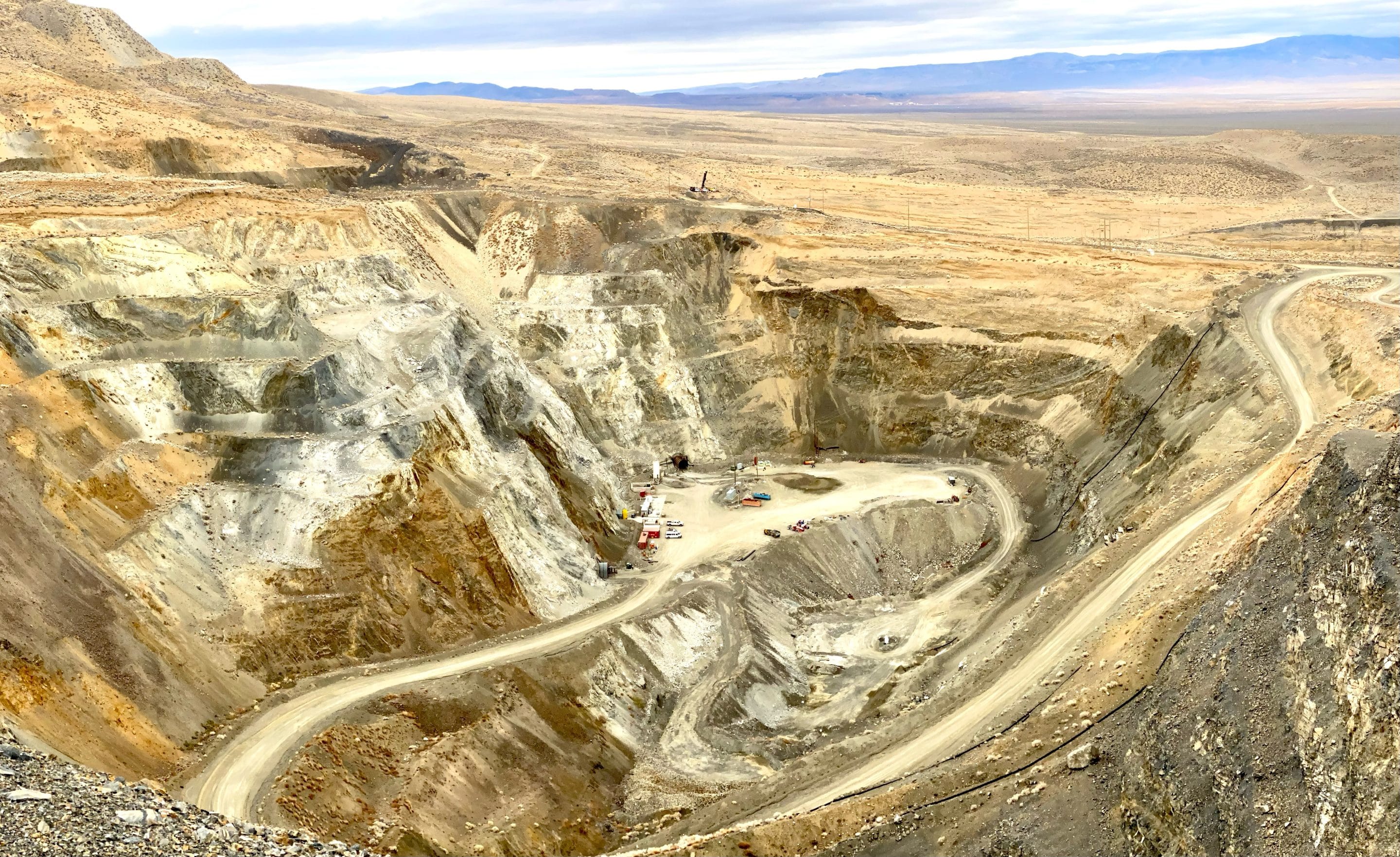
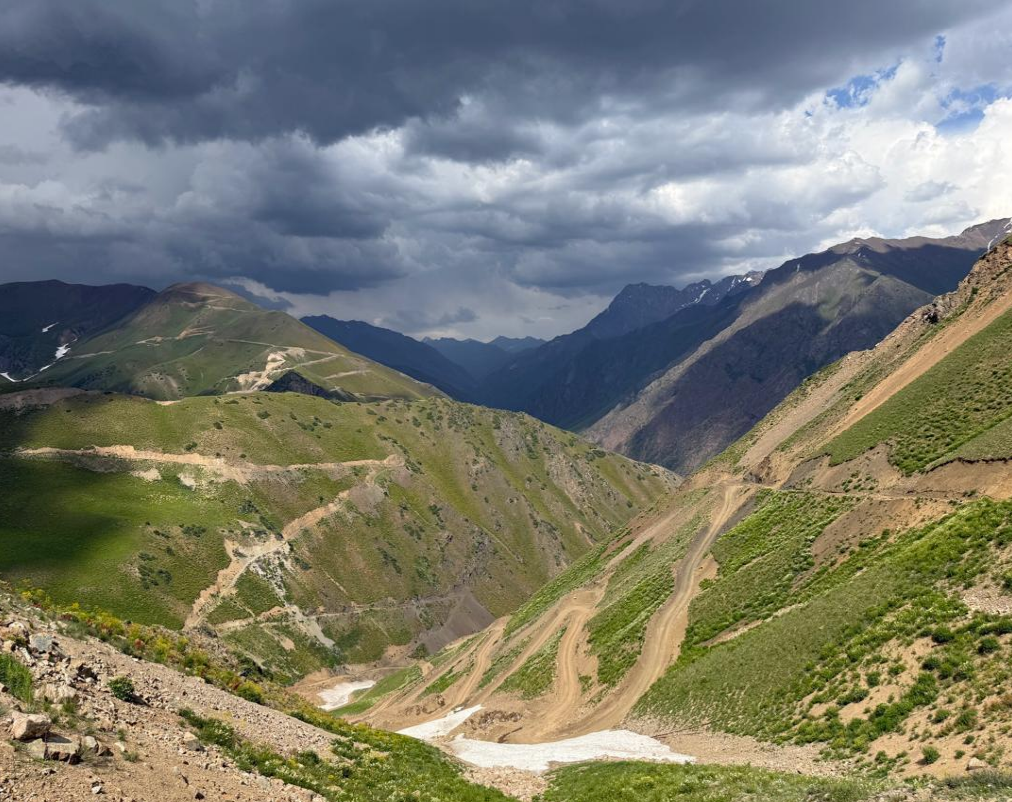
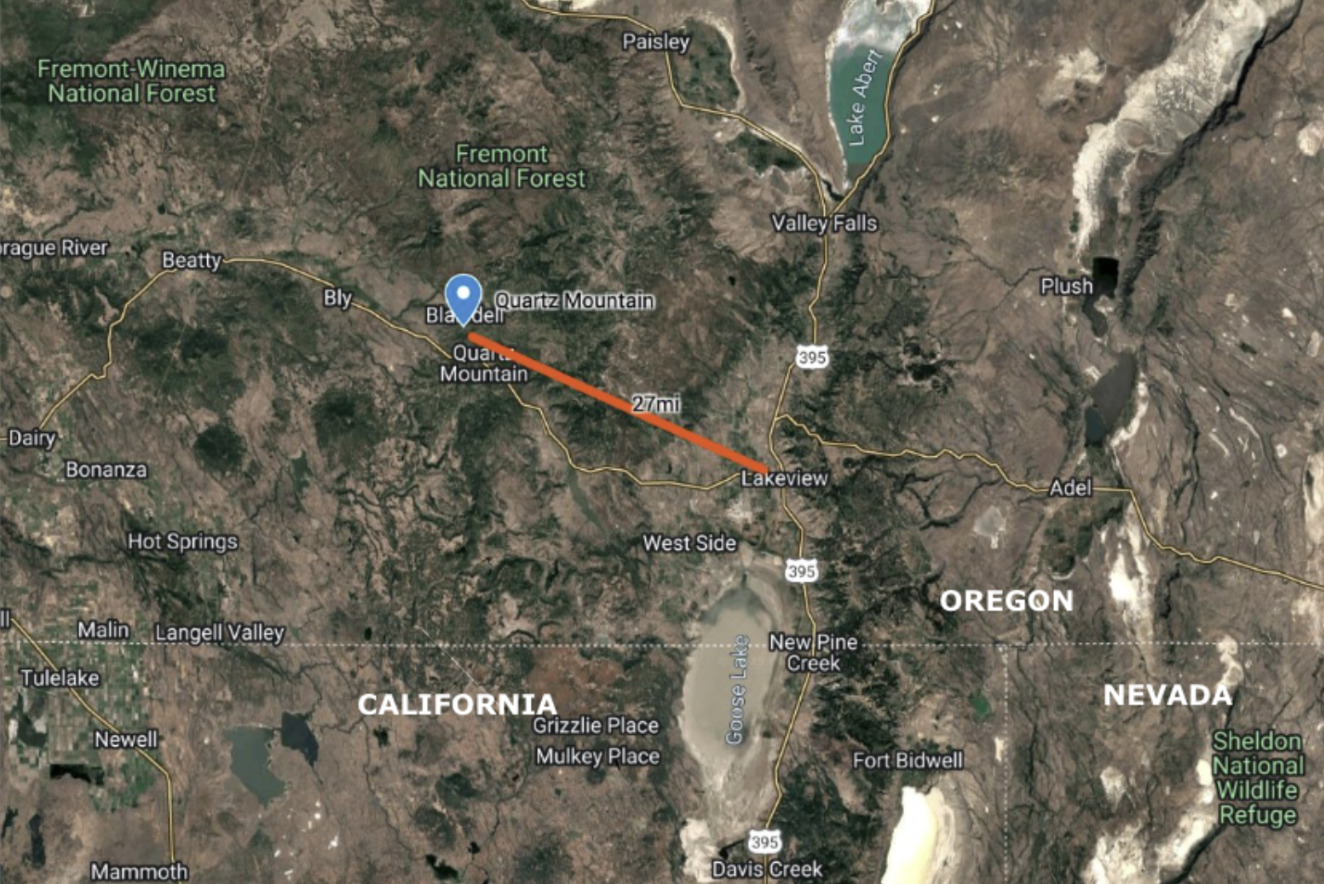
Pedra Branca occupies a single district in the interior of Ceará State, and ValOre holds the entire district, a block covering 51,096 hectares. Operations are run from Capitão Mor, a settlement of around 900 people, roughly a 4-hour drive by paved highway from the Fortaleza International Deep Water Port and Fortaleza International Airport. The orebodies are near surface and accessible, with regional infrastructure already in place.
What the company says it looks for in an asset is close to what it found here. ValOre targets projects that benefit from substantial prior investment by previous owners, high-value mineralization on a large scale, and the potential to add tangible value through exploration and innovation. At Pedra Branca, that meant a property already drilled and a workforce that had been doing the fieldwork for years.
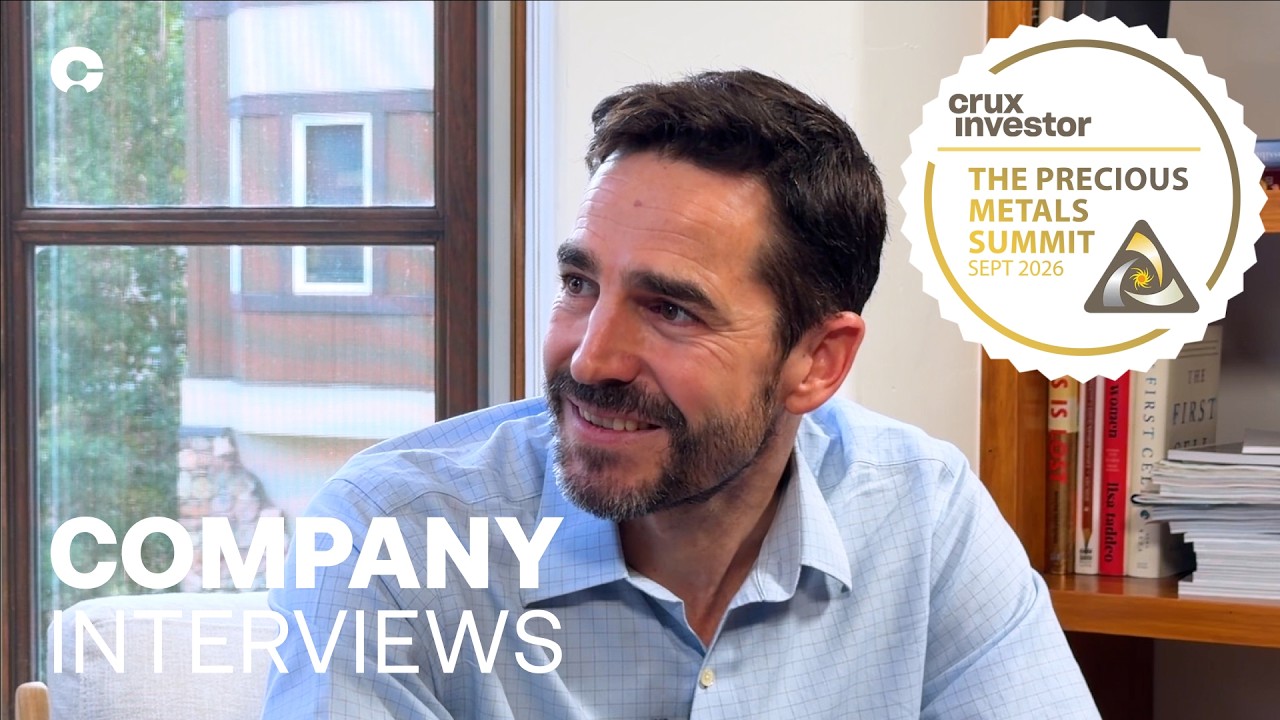
Vice President of Exploration of ValOre Metals, Thiago Diniz, traces the crew back to the operators who trained it:
"We inherited a project with a workforce that was already in place. Previous operators had this project for two decades, and they developed this local workforce, people who were used to doing soils, rock, geophysics, and running drill rigs and drilling programs."
The company's own drilling program started from that base.
Drilling & Resource Growth Since 2020
ValOre's own drilling came to 23,534 m between 2020 and 2024, with US$10 million invested in exploration over the same period. The inferred resource doubled across that window, from 1.1 million ounces to 2.2 million ounces of platinum, palladium, and gold. The current estimate, effective March 8, 2022, gives 63.3 million tonnes (Mt) grading 1.08 grams per tonne (g/t) combined across 7 near-surface zones.
Four core deposits, Esbarro, Curiu, Cedro, and Cana Brava, hold more than 1 million ounces between them, and the southern zones Trapia and Massape hold more than 1 million ounces. More than 40,000 m of drilling supports the 7 zones in the estimate.
Drilling since then has not yet reached the resource. More than 6,000 m went into 5 new exploration zones during 2023, all of it after that effective date and none of it inside the current estimate. That work established the Salvador Target and an emerging north-south trend. The company also holds Pitombeiras as an 8-kilometre mineralized trend target.
The Field Team & Brazil's Technical Base
The exploration programs at Pedra Branca have been run by a local crew drawing on a domestic technical base. Local capacity-building programs, local hiring, and locally sourced goods and services are part of how the company operates around the site.
The pool behind that crew is deep. Brazil now graduates more mining engineers than the United States and Canada combined. Management says listed companies working in Brazil have no difficulty getting technical reports completed locally, and that only 30% of Brazilian territory is mapped to a high-resolution standard.
Diniz, a Brazilian geologist with a master's degree in economic geology from Queen's University in Kingston and 15 years on early-stage to advanced-stage fertilizer, base metals, and precious metals projects across Brazil and Canada, compares the domestic talent pool with the one he left:
"The geologists and engineers that graduated in this environment are one of the best or some of the best in the world, and I've seen that really closely when I had a chance to work in Canada. People really appreciate the skilled labor that is available here in Brazil."
Chairman of ValOre Metals, James R. Paterson, is a co-founder and principal of Discovery Group, and the company's directors have driven CAD$1.7 billion of mergers and acquisitions.
Exploration Permitting & Claim Tenure in Ceará
Exploration at Pedra Branca has been conducted under conditions that management describes as conducive to it. Management says claim staking is fully digital, with online forms, quick feedback from the agencies, and a 3-year term to explore and advance targets, extendable by a further 3 years. Exploration and drilling permits are not a significant issue for the project, and Ceará is not a traditional mining state like Pará. The region is dry, and management calls the exploration process straightforward: water and vegetation require little management.
Where the company has put deliberate effort is in early engagement. From its first work on the ground, ValOre began mapping the risks around the project, including those related to traditional communities and water supply, and opened conversations with regulators, the most important of which operates at the state level. Management also says agency efficiency needs improvement, and that the agencies need better preparation for the rising volume of mining applications across Brazil.
Studies & Milestones Through the First Quarter of 2027
The work now scheduled on ValOre's timeline is study work, not exploration. An engineering company was appointed for the preliminary economic assessment (PEA) in the fourth quarter of 2025, alongside metallurgical testwork intended to demonstrate favorable economics. An evaluation of acquisitions focused on the potential for near-term production was conducted in the first quarter of 2026. ValOre is targeting resource updates, including the recently drilled targets in the third quarter of 2026, the PEA in the fourth quarter of 2026, and licensing and the environmental impact assessment (EIA) in the first quarter of 2027.
Flotation and leaching testwork continues in partnership with the University of Cape Town. The 2026 program also covers surface geochemistry and Trado auger drilling; new shallow targets across the district; further work on Pitombeiras; engineering studies to support development planning; preliminary water and power supply studies; and relogging of historical core across Curiu, Esbarro, and Cedro to refine geological controls and mine-planning assumptions.
Diniz weighs the platinum-group metals (PGM) ground still to cover against the study timetable:
"There's still lots of exploration upside in our property. It's a 51,000-hectare PGM district entirely controlled by ValOre, so we're going to be advancing exploration as well in the near future."
Alongside that, management says it is pursuing acquisitions in Brazil's gold sector to become an integrated precious metals producer.
Development Work Still to Fund
The prior work covers exploration; it does not cover development. The historical core across Curiu, Esbarro, and Cedro already exists, but relogging it to refine mine-planning assumptions falls to ValOre. So does the metallurgical and engineering work feeding development planning.
The disclosed risks reflect that division. ValOre lists the results of current exploration, changes in project parameters as plans are refined, the ability to secure financing, and delays in obtaining government approvals among the factors that could affect the outcome. The crew and the historic drill core came with the ground; the studies that convert 2.2 million ounces into a development case did not.
FAQs (AI-Generated)
Analyst's Notes





Subscribe to Our Channel



Stay Informed


