ATHA Energy's RIB Corridor Emerges as Focal Point of Largest Angilak Drill Program to Date


ATHA Energy’s 2026 Angilak drill campaign shifts focus to the RIB Corridor, where 14km of mineralised strike could reshape the project’s valuation outlook.
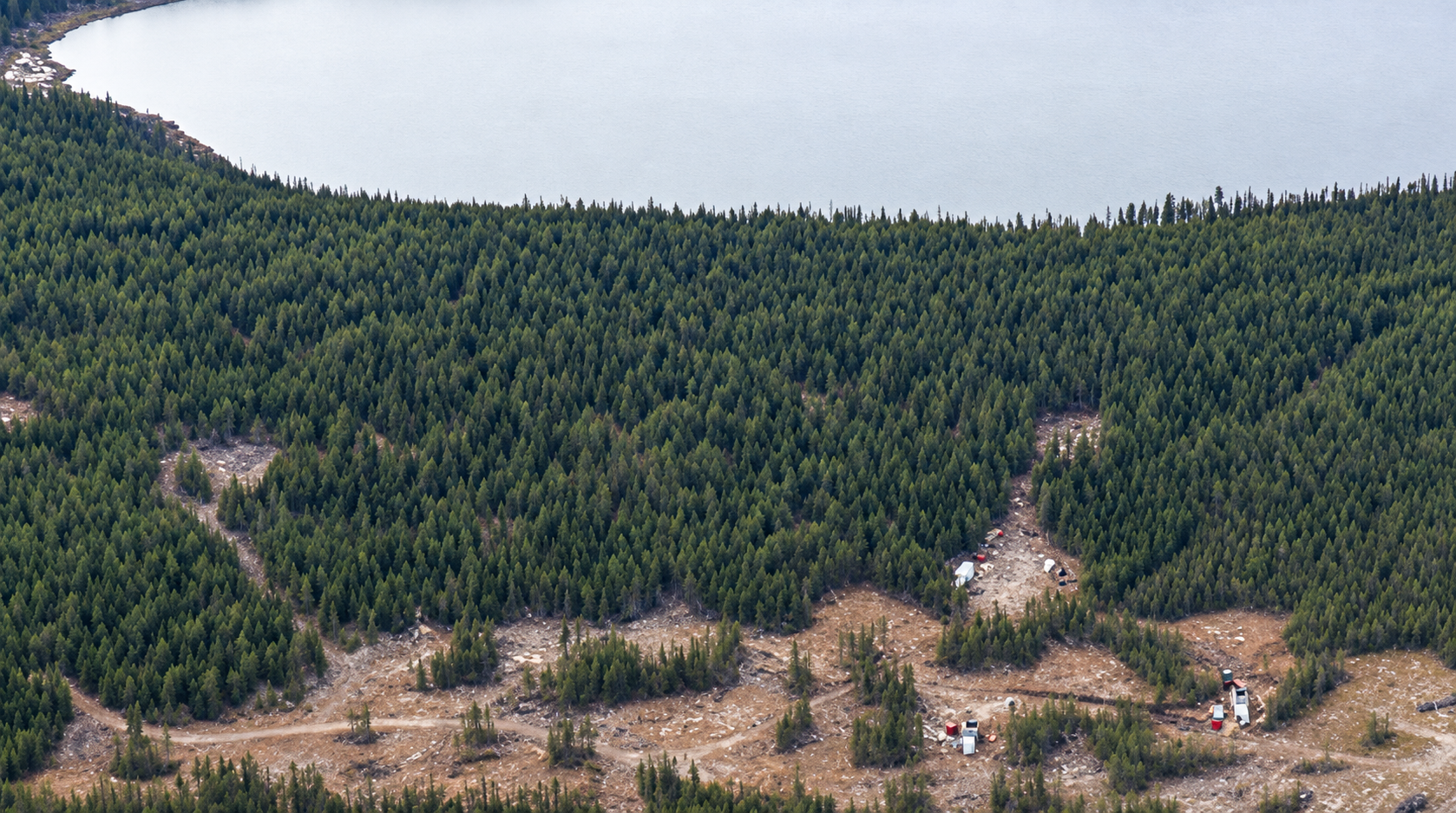
- ATHA Energy commenced its largest-ever Angilak drill program on May 1, 2026, deploying 3 rigs targeting approximately 20,000 metres in Nunavut, Canada.
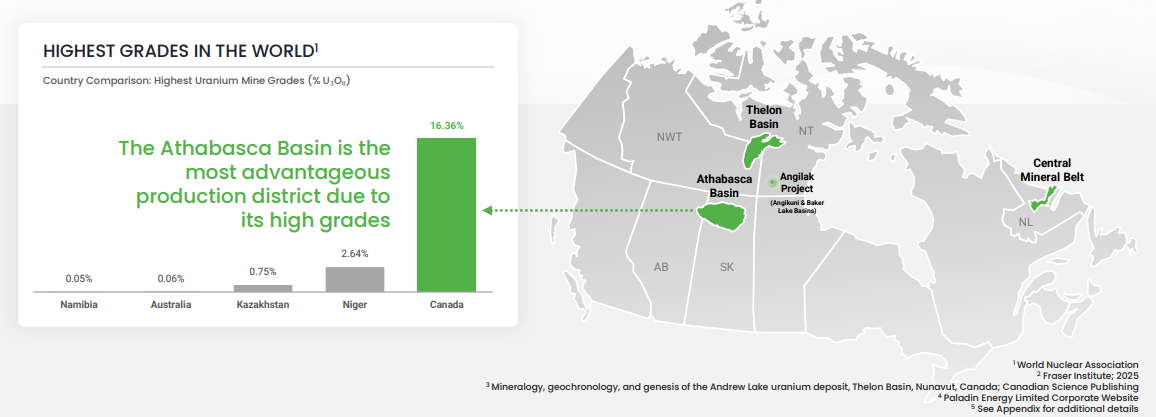
- The Mineralised RIB Corridor anchors the 2026 campaign, following 2025 drilling that returned uranium oxide mineralisation in all 13 contiguous holes over approximately 14 kilometres of strike.
- RIB North's maiden hole intersected 34.7 metres of composite uranium oxide mineralisation with grades up to 8.16% uranium oxide over 0.5 metres, ranking among the strongest first-pass regional results generated at Angilak outside the Lac 50 Deposit.
- The 2026 program allocates drilling across 3 corridors, but the RIB Corridor has emerged as the most closely watched target within the campaign, signalling a shift in where management sees the project's primary growth potential.
- A C$63 million financing that closed in February 2026 fully funds the program, giving ATHA a multi-year runway to test whether RIB can establish itself as the project's leading value driver.
The RIB Corridor: Moving Beyond Discovery
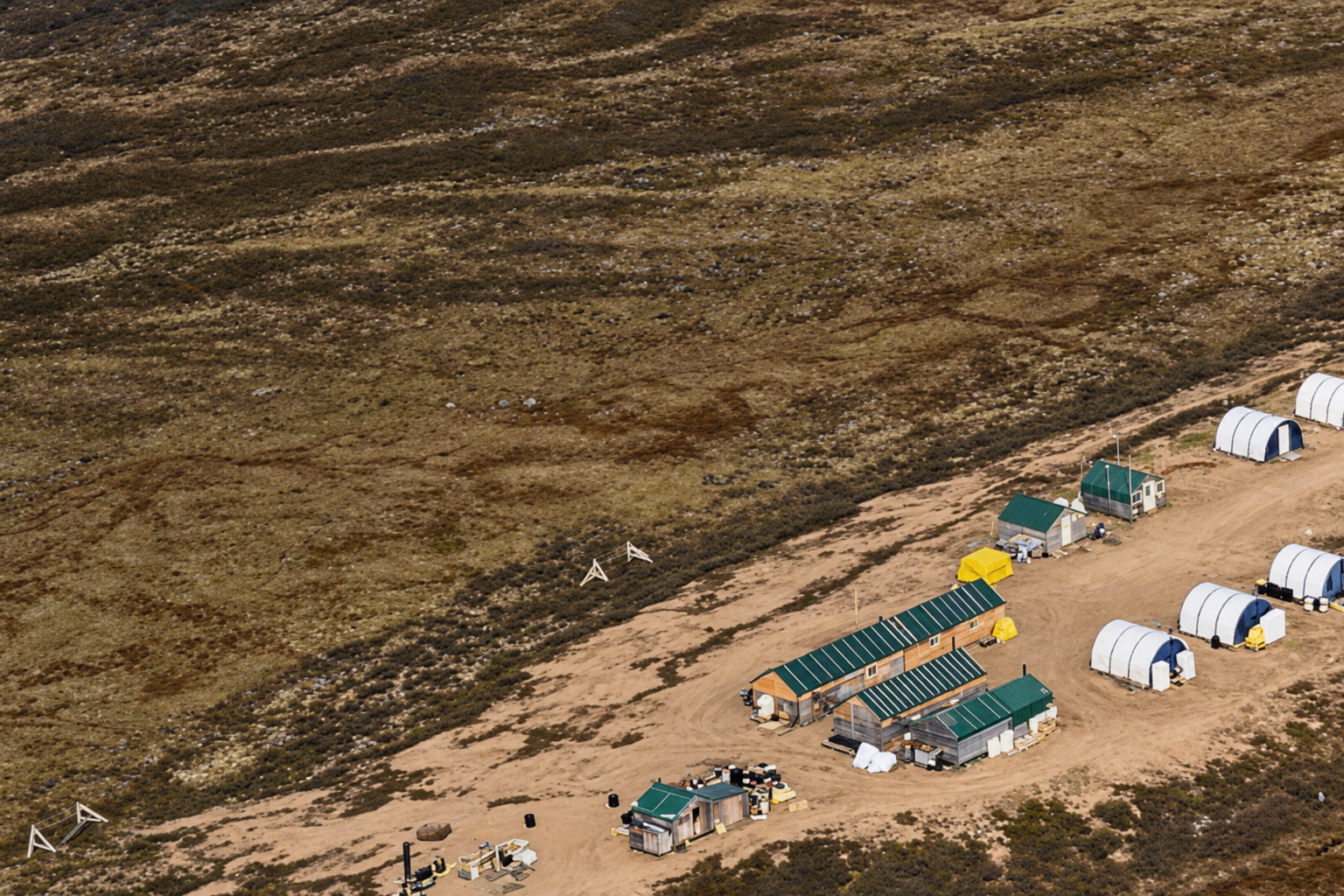
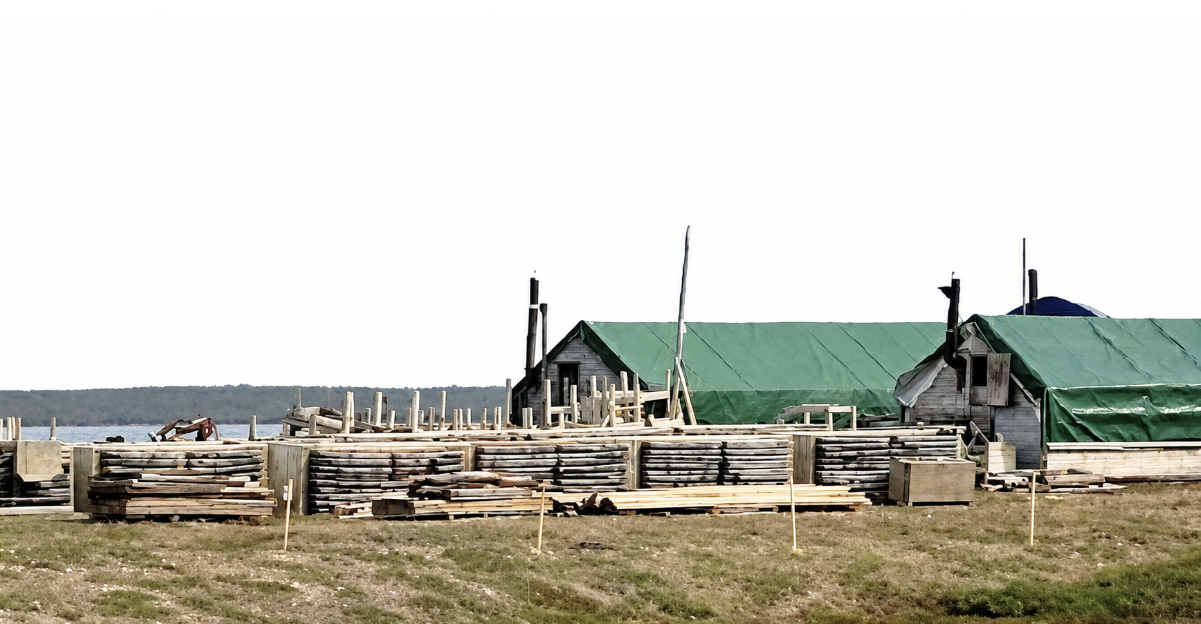
ATHA Energy Corp. (TSX.V: SASK | FRA: X5U | OTCQB: SASKF) commenced diamond drilling at its 100%-owned Angilak Uranium Project in Nunavut, Canada, on May 1, 2026, launching the largest exploration program in the project's history. The 2026 campaign targets approximately 20,000 metres across 3 drill rigs, with the Mineralised RIB Corridor emerging as the most closely watched target within the 2026 season.
The RIB Corridor was among 5 new regional discoveries across the Angikuni Basin made during ATHA's 2025 field campaign, which tested targets outside the established Lac 50 Deposit area. At RIB North, the maiden hole intersected 34.7 metres of composite uranium oxide mineralisation with grades up to 8.16% uranium oxide over 0.5 metres. Composite mineralisation is calculated using a 0.01% uranium oxide cutoff with a maximum internal dilution of 1.5 metres. Those grades are not typical of a peripheral target; management has characterised the grade profile as consistent with Athabasca-style mineralisation, the benchmark for Canada's highest-value uranium deposits.
Chief Executive Officer and Director of ATHA Energy, Troy Boisjoli, pointed to the scale and consistency of the 2025 RIB results:
"We drilled 13 holes there contiguously over about 14 kilometres. Every hole that we drilled was mineralised. The best result from that program was over 34 metres of mineralisation. 13 metres of continuous mineralisation at over half a percent with grades above 8% within that interval.”
That result, produced on first-pass drilling, is the basis for what now appears to be a deliberate internal reprioritisation at Angilak.
2026 Program Structure: Where Capital Is Actually Going
The 2026 Angilak Exploration Program targets approximately 20,000 metres with 3 drill rigs running through September, more than double the combined metres drilled across the 2024 and 2025 programs. An aerial magnetotelluric (MMT) electromagnetic (EM) survey by Expert Geophysics is scheduled to commence in late June, with 3D Inversion Model of the full Angikuni Basin targeted for completion by the Fourth Quarter of 2026.
Drilling addresses 3 corridors: the RIB Corridor, prioritised for expansion following 2025's 100% hit rate across 14 kilometres of strike; the Lac 50 Deposit Corridor, testing along-strike targets from the main deposit, whose footprint remains open; and the KU-Nine Iron Corridor, testing targets vectoring directly from uranium oxide mineralisation intersected in the 2025 KU Discovery and historic Nine Iron Discoveries. The sequencing matters: RIB has emerged as the most closely watched corridor within the campaign, the one where management has flagged the most unresolved upside, rather than incremental deposit-expansion work.
The program is fully funded through a C$63 million financing closed in February 2026. The scale of that capital commitment, directed into a program in which RIB holds the most open-ended potential, is itself a signal of where internal conviction lies.
Why RIB Is the Asset to Watch
Lac 50 gave Angilak its initial credibility as a uranium project. RIB is now the target, raising the question of whether Angilak can carry a materially larger asset valuation. The distinction is specific: RIB North returned Athabasca-style grades over 14 kilometres of contiguous strike in first-pass drilling, a combination with no direct parallel elsewhere at the project.
Vice President, Exploration of ATHA Energy, Cliff Revering, identified RIB specifically as the output that defines the 2026 opportunity:
"Notably, the strong results along the RIB mineralised corridor, particularly at RIB North, highlight the project's significant potential and position Angilak for a compelling 2026 exploration campaign."
Across the 2024 and 2025 programs, ATHA intersected uranium oxide mineralisation in 100% of geophysical targets tested. With the RIB Corridor producing uranium oxide mineralisation across 14 kilometres of contiguous strike on first-pass drilling, the 2026 campaign is the first opportunity for the market to assess whether that corridor can sustain and expand on what it delivered in 2025. Results are expected to flow progressively to market through September.
FAQs (AI-Generated)
Analyst's Notes





Subscribe to Our Channel






Stay Informed