ATHA Energy's Royalty Clean-Up: 6 Signals of Portfolio Discipline Beyond Angilak


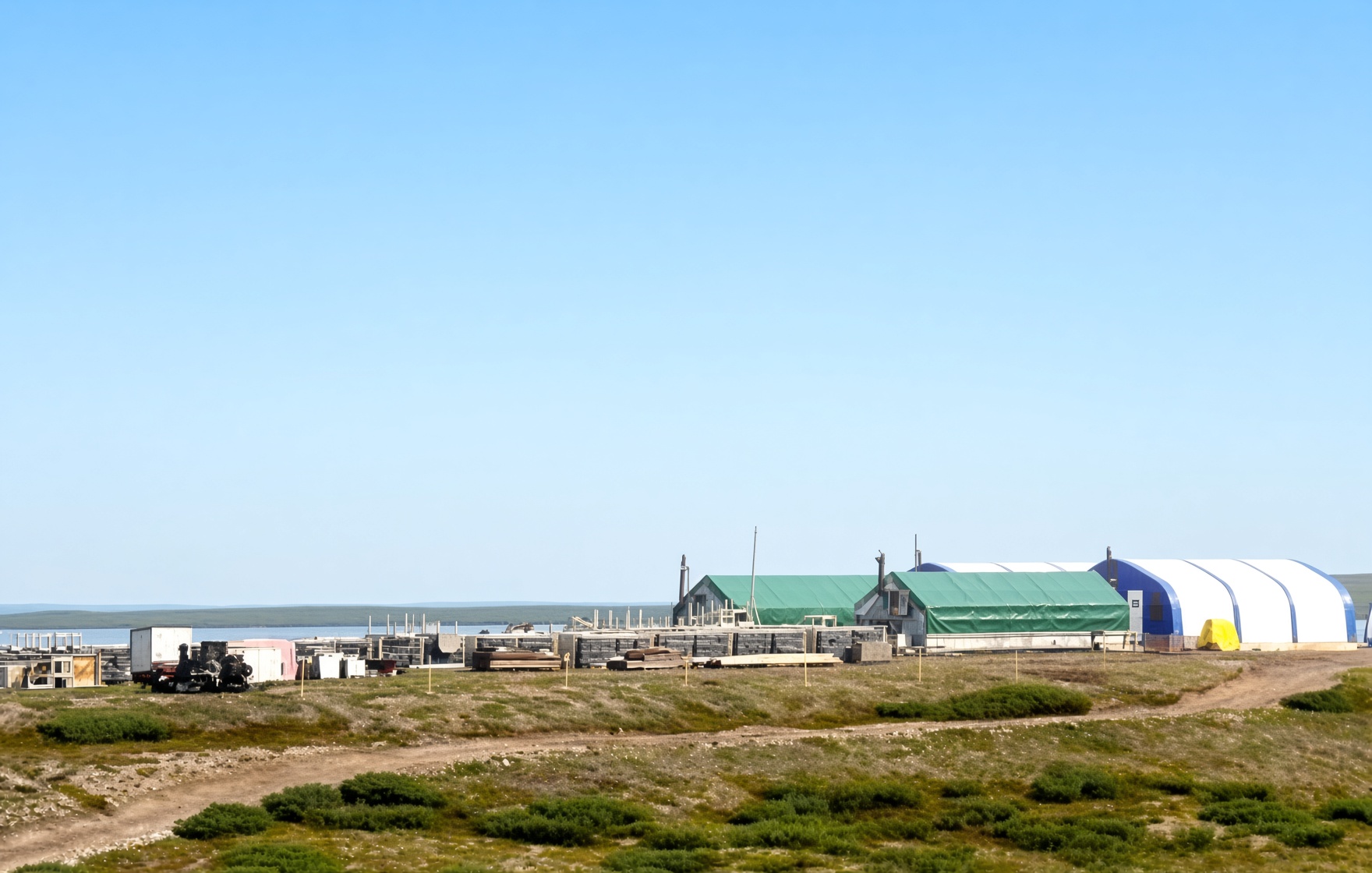
ATHA Energy's NSS royalty amendment signals tighter portfolio discipline, using equity to shed non-core Saskatchewan ground while preserving cash for uranium exploration.
A Portfolio Move With Nothing to Do With a Drill Hole
Most uranium news out of ATHA Energy has come from the drill bit. This news release did not. On July 16, 2026, ATHA Energy Corp. (TSXV: SASK | FRA: X5U | OTCQX: SASKF) announced a second amending agreement to its royalty and participation agreement with the New Saskatchewan Syndicate (NSS), an unincorporated joint venture. The original agreement was dated March 30, 2023, and was first amended on December 6, 2023. Under the second amendment, ATHA now has sole discretion to abandon, relinquish, terminate, or decline to renew properties covered by the NSS agreement, described as the "Relinquished Property," with NSS waiving its rights over that ground in return. The company's flagship Angilak Uranium Project in Nunavut is 100% owned and operated separately and is explicitly unaffected by the NSS agreements. Set against the company's July 2026 corporate presentation and management's own comments on capital and partnership strategy, the amendment reads less as a standalone housekeeping item and more as a data point on how ATHA manages the parts of its portfolio that never make a drill result headline.
1. A Legacy Royalty Obligation Traded for Equity, Not Cash
No cash changes hands here. In consideration for NSS's waiver, ATHA agreed to issue, subject to approval from the TSX Venture Exchange (TSXV), 1,000,000 common shares and 1,000,000 common share purchase warrants, with each warrant exercisable to acquire one share at $1.05 for a period of 5 years from issuance. Rather than paying to unwind a legacy obligation, the company is using equity and a 5-year warrant with a fixed strike price, preserving the C$63 million in capital it raised in the first quarter of 2026 for exploration rather than for legacy contract cleanup.
2. The Encumbered Ground Sits in Saskatchewan, Not at the Flagship Project
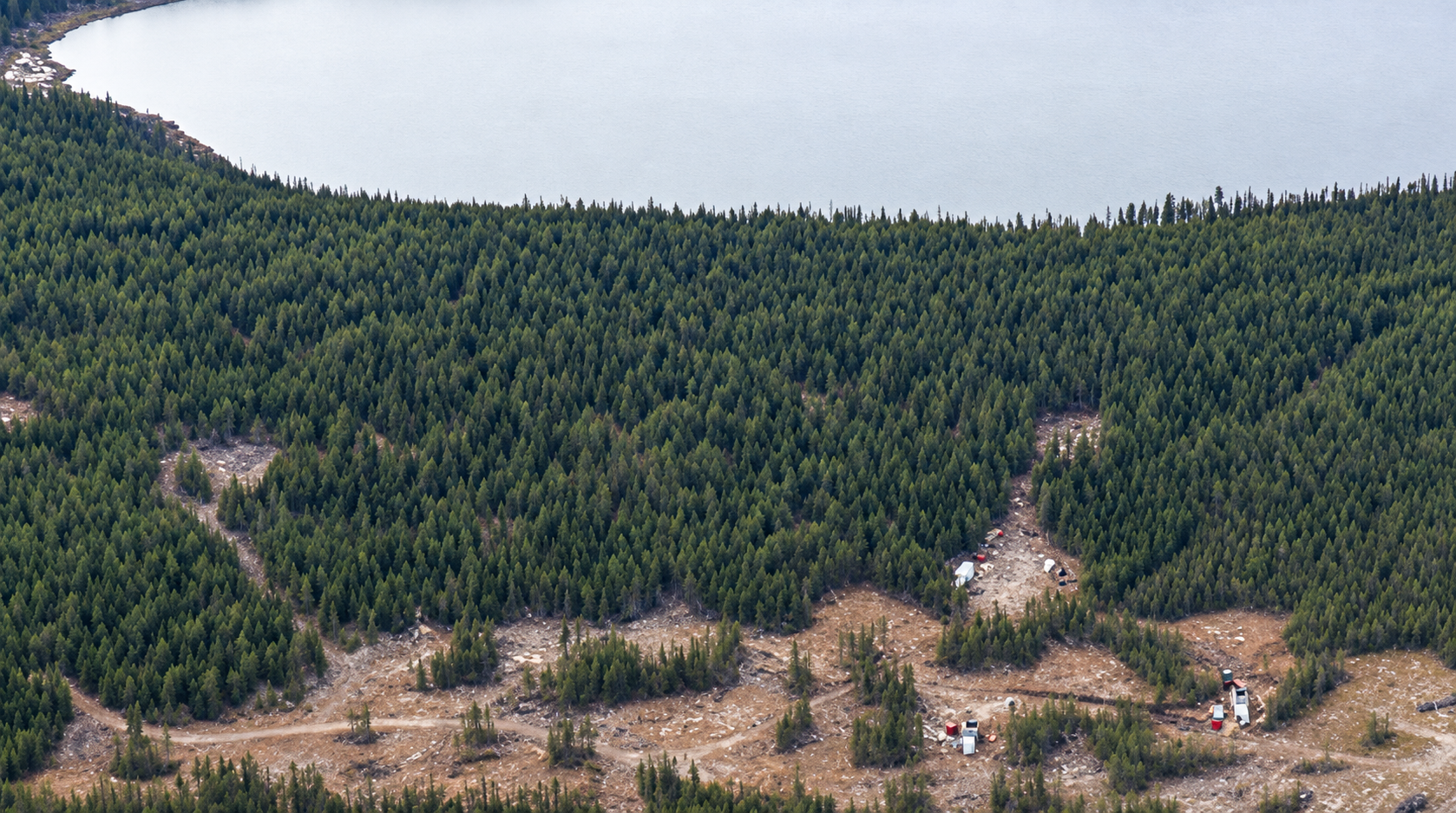
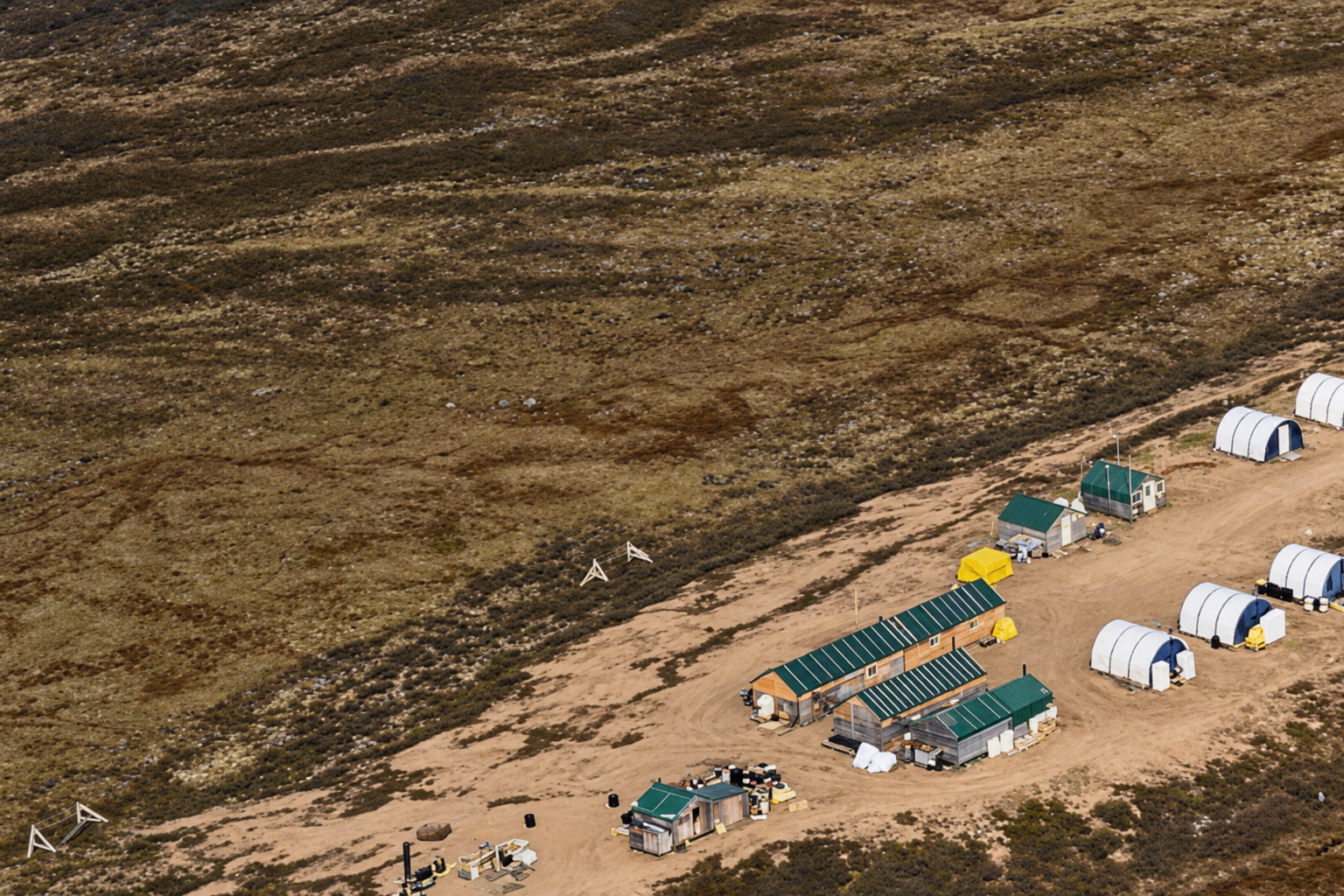
This is not a signal about Angilak. The NSS royalty and participation agreement relates to Athabasca Basin exploration ground in Saskatchewan, a separate line of the portfolio from the Angikuni Basin, Nunavut, where Angilak and its Lac 50 and Mineralized RIB Corridor discoveries sit.
It is a change to the terms under which ATHA holds and can shed ground in a different basin entirely, layered on top of an Athabasca Basin land position the company built independent of the NSS ground, a point Chief Executive Officer and Director of ATHA Energy, Troy Boisjoli, describes directly:
"We wanted to maximize our exposure to the best uranium jurisdictions in Canada. Outside of the Angikuni Basin and outside of the Angilak project, we have around 3 million acres of exploration property in the Athabasca Basin, which in and of itself is very substantial. That's more exploration exposure than you'd get across probably multiple companies in the basin."
3. The Consideration Is Small Against a 350.2 Million Share Base
Set against 350.2 million basic shares outstanding, the figure ATHA's July 2026 corporate presentation lists alongside a share price of C$0.99 as of June 30, 2026, 1,000,000 shares plus 1,000,000 warrants is a modest addition to the capital structure. The warrant's $1.05 strike price sits just above where the stock traded at the time of the presentation, so any dilution from that leg depends on the share price clearing that level before the 5-year term expires, not on an immediate transfer of value.
4. It Fits a Pattern the Company Calls Its Greenfields Portfolio Strategy
ATHA's own release ties the amendment to its broader long-term greenfields exploration strategy, aimed at efficiently exploring, discovering, and developing prospective projects across the portfolio. Shedding rights tied to non-core NSS ground, without spending cash, is consistent with actively managing a pipeline built at scale: 6.8 million acres of uranium prospective leases, including more than 3 million acres in the Athabasca Basin and more than 3 million acres in Nunavut, including the Angikuni Basin, plus roughly 250,000 acres in the Central Mineral Belt, Labrador. ATHA describes itself as holding three 100%-owned post-discovery uranium projects, Angilak, the CMB Discoveries, and the newly discovered basement-hosted GMZ high-grade uranium discovery in the Athabasca Basin, alongside a 10% carried interest in Athabasca Basin exploration projects operated by NexGen Energy Ltd. and IsoEnergy Ltd.
5. The Capital Structure Behind the Decision
A low-cost, equity-settled royalty amendment is easy to justify against a balance sheet built for something bigger. ATHA's capital structure, as of the July 2026 presentation, shows a basic market capitalization of C$346 million and an enterprise value of C$324 million, alongside 27.6 million options, 2.5 million restricted share units, and 17.3 million warrants outstanding. The company also carries a Queen's Road Capital (QRC) convertible debenture equal to 10.8% of the capital structure on a partially diluted basis. Against that structure, and the C$63 million financing completed in the first quarter of 2026 that management has said funds roughly 24 months of exploration, reducing administrative and legal overhang on non-core ground leaves the balance sheet untouched for Angilak's 2026 and 2027 drill programs.
6. This Deal Fits Neither of Management's Two Usual Partnership Reasons
Capital or expertise: those are the only two reasons ATHA seeks outside partners, and this transaction fits neither. Boisjoli explained:
"I look at it at a project level. Companies like ourselves usually seek partners for two reasons: one, it's capital, and two, it's expertise, the technical capacity to move things forward."
The NSS amendment is not a capital-raising transaction, and it does not bring in technical expertise. It is a unilateral simplification of contractual rights over ground the company has decided is no longer core, executed on terms that cost no cash today. That distinction separates ATHA's growth-oriented moves, drilling, financing, and partnership-seeking, from its portfolio-maintenance moves, which this amendment represents.
Key Takeaways for Investors
- ATHA Energy's second amendment to its NSS royalty and participation agreement gives the company sole discretion to abandon, relinquish, or not renew non-core Athabasca Basin properties, in exchange for 1,000,000 shares and 1,000,000 warrants exercisable at $1.05 for 5 years, with no cash outlay and no effect on the 100%-owned Angilak Uranium Project.
- The consideration is small against a 350.2 million basic share count, and the warrant's $1.05 strike sits above the C$0.99 share price recorded as of June 30, 2026, meaning dilution from that leg depends on future share price performance rather than being immediate.
- The release frames the amendment as part of a wider greenfields portfolio strategy spanning 6.8 million acres across the Athabasca Basin, Nunavut, including the Angikuni Basin, and the Central Mineral Belt in Labrador, suggesting more portfolio simplification of this kind is plausible as the company works through legacy agreements tied to ground outside its flagship project.
- Management's own stated rationale for seeking partners, capital or technical expertise does not apply to this transaction, distinguishing it from ATHA's financing and joint-venture activity and marking it instead as routine, low-cost portfolio maintenance.
Bottom Line
The NSS amendment has no bearing on Angilak, and that is precisely its value as a data point. It shows ATHA settling a legacy obligation with equity rather than cash, at a scale immaterial to its 350.2 million share count, on terms that fit neither of the two reasons the management gives for bringing in outside partners. For investors tracking the company primarily through Lac 50 and Rib Corridor assay results, the amendment is a reminder that ATHA's stated portfolio strategy extends beyond the flagship project, and that low-cost, non-dilutive cleanup of non-core ground is one of the tools it uses to execute that strategy.
Analyst's Notes





Subscribe to Our Channel


Stay Informed