




How Hammerdown Pays New Found Gold's Way to 200,000 Ounces


New Found Gold uses Hammerdown cash flow to self-fund exploration, drilling its own ounces at ~$100/oz to target combined production near 200,000 oz a year.
- New Found Gold plans to grow its gold ounces by drilling its own targets rather than buying them, citing a historical discovery cost of just under $100 per ounce.
- Hammerdown's gold production, targeted at 20,000 to 25,000 ounces a year, is intended to generate about C$40 to C$50 million a year to cover corporate costs and fund exploration.
- The 110 km Queensway land package across the Appleton and JBP fault zones hosts multiple untested targets and supports a 90,000-metre drill campaign in 2026.
- Queensway Phase 1 is fully funded, with C$155 million of capital in place and first ore targeted for late 2027.
- New Found Gold has received conditional approval to move from the TSX Venture Exchange to the Toronto Stock Exchange, and targets combined production toward 200,000 ounces a year.
New Found Gold (TSX: NFG | NYSE American: NFGC) is building its growth plan around a single decision: find new gold ounces by drilling for them rather than buying them. The company is turning the Hammerdown mine in Newfoundland and Labrador into a cash-flow source that pays its corporate overhead and funds exploration, freeing it to test targets across a 110 km land package instead of chasing acquisitions. The logic rests on cost, because the ounces it has found historically have come in at just under $100 each.
Drilling Over Dealmaking
New Found Gold's case for organic growth starts with a comparison. Based on the prices being paid in current gold-sector mergers and acquisitions, the company calculates that it is cheaper to find ounces with the drill bit than to buy them, at a historical discovery cost of just under $100 per ounce. Exploration is run under the company's exploration lead, Melissa Render.
Chief Executive Officer of New Found Gold, Keith Boyle, is blunt about the choice:
"Our historical cost is about 100, just under $100 an ounce discovery. So when you look at some of the M&A deals getting done now, we're better off turning the drill bit and finding our own ounces. That's what we're going to do, under Melissa Render's guidance, who's been the one who's helped us find the ounces so far."
That preference sets the strategy the rest of the plan is built to fund it.
Hammerdown as the Self-Funding Engine
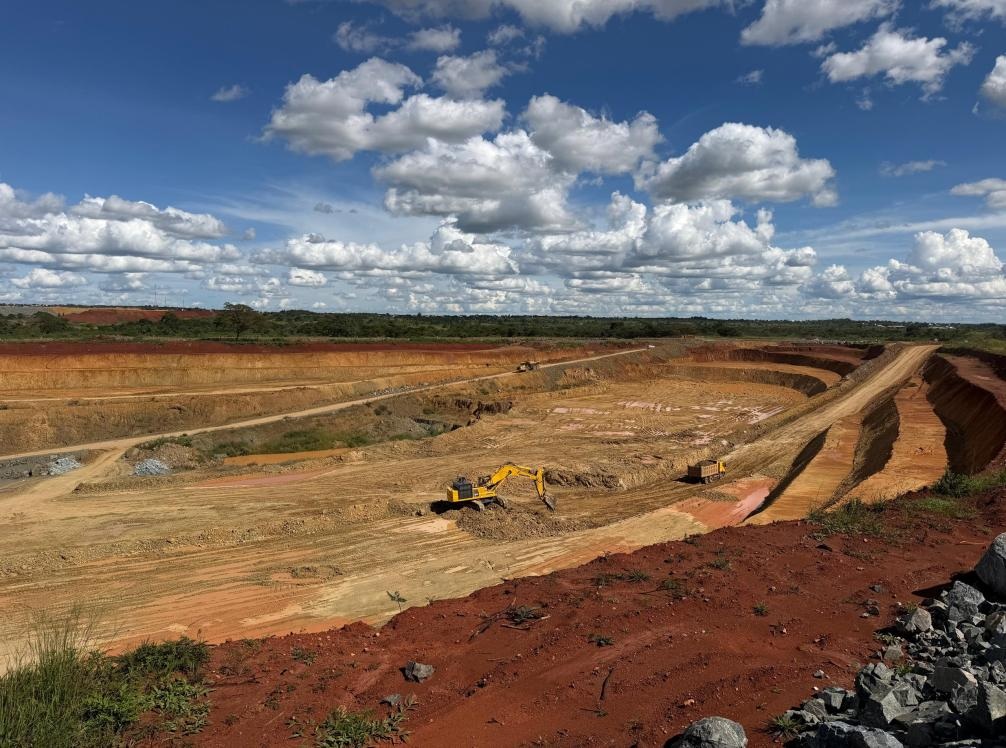
The engine for that exploration is the Hammerdown gold mine. New Found Gold acquired Hammerdown primarily for its Pine Cove Mill and tailings facilities, a permitted processing route that enables the company to accelerate its larger Queensway project toward production. Hammerdown is targeting commercial production in the second half of 2026.
Based on the numbers set out in its Preliminary Economic Assessment (PEA), Hammerdown is targeting a run rate of 20,000 to 25,000 ounces per year at an all-in sustaining cost (AISC) of about US$2,500 per ounce, generating roughly C$40 to C$50 million per year. Over a 13-year life, the mine is modelled to produce 251,287 ounces of gold and about C$243.3 million in total after-tax free cash flow. That cash is earmarked for general and administrative (G&A) costs and a self-funded exploration programme, not for building Queensway.
Boyle is candid about the role the mine plays:
"What we saw when we announced our PEA was a run rate of 20,000 to 25,000 ounces a year at $2,500 all-in sustaining. So that's a $40 to $50 million-a-year cash flow generator, which, for us, will cover G&A and exploration. So basically a self-funded exploration programme."
With overhead and drilling covered from production, the exploration budget does not compete with the development bill.
A 110-Kilometre Runway
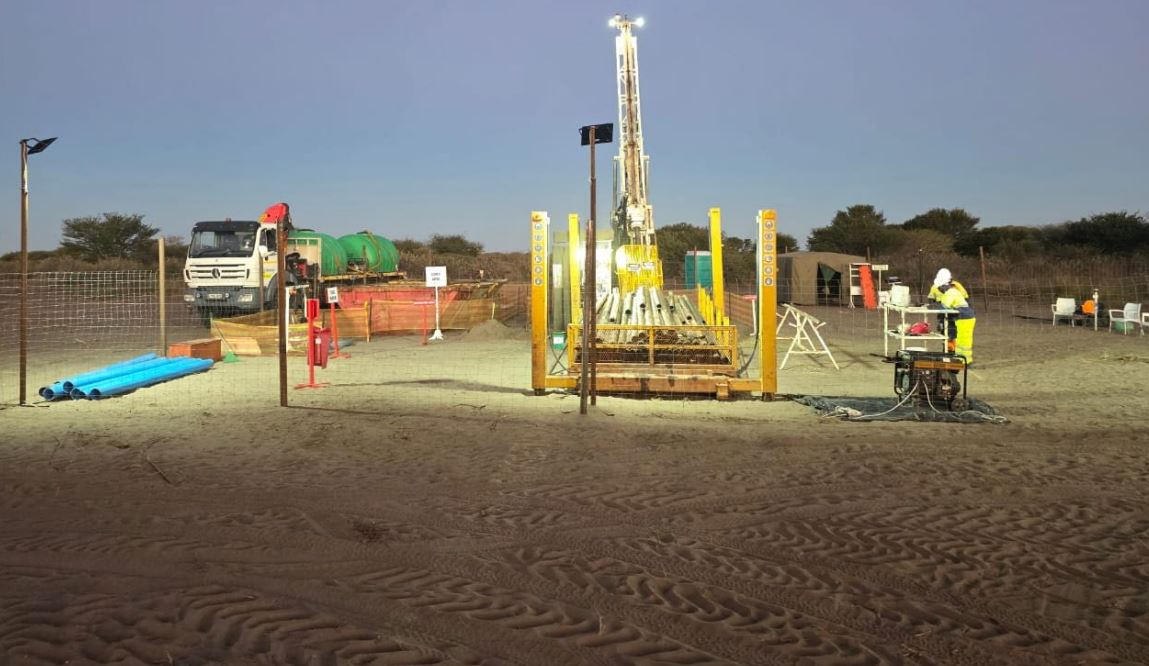
The reason drilling can replace dealmaking is the size of the ground. Queensway hosts more than 110 km of strike across 2 structural fault zones, the Appleton and the JBP, and New Found Gold is running a 90,000-metre drill campaign in 2026 to test it. The target set spans at-surface zones with high-grade cores, regional prospects including Pauls Pond, Greenwood, and Devils Pond South, and depth extensions below the known deposits.
Boyle sizes up the ground by comparison:
"We've got a property that's 110 km long. That's the size of the Abitibi, and the Abitibi has generated over 70 million ounces, a total endowment of about 113 million to date, mined and what's still there. I'm not saying that's what we have, but that's the scale of property that we have, and we've got some really good targets to follow up on."
The Abitibi figure is a measure of scale rather than a resource defined by New Found Gold, and the case rests on the target inventory that is still to be drilled.
Funded for Production
While exploration runs on Hammerdown's cash, Queensway's first phase is separately financed. Phase 1 carries C$155 million of initial capital and is fully funded, following a C$220 million raise completed in April 2026 that included a C$105 million credit facility, leaving the company with about C$148 million in cash and marketable securities. First ore is targeted for late 2027, with the first couple of years processing at 12 to 12.5 grams per tonne, producing about 100,000 ounces per year at an AISC of about US$1,300 per ounce.
New Found Gold has also received conditional approval to graduate from the TSX Venture Exchange to the Toronto Stock Exchange, with documentation due by September 2026, and the ticker NFGC is reserved to align with its NYSE American listing. Cornerstone investor Eric Sprott is among the company's shareholders.
Boyle frames the endgame plainly:
"As a company, what we'll do is use that cash flow to expand Queensway, build a larger mill at Queensway, targeting 150,000 to 175,000 ounces a year at Queensway. So that combined, as a company, we start approaching or targeting that 200,000 ounces a year and really be a significant player in the gold market."
What Has to Hold
The plan depends on execution at both mines. At Hammerdown, reaching commercial production means establishing a steady open-pit floor so the mine can consistently feed the mill. Queensway is still advancing through government permitting, with an early works permit targeted for the fourth quarter of 2026. Its plan involves doubling the Pine Cove Mill and starting with a contract miner before moving to an owned fleet. Whether the historical discovery cost holds as drilling steps out across the wider land package is the open question the 2026 programme will begin to answer.
FAQs (AI-Generated)
Analyst's Notes





Subscribe to Our Channel







Stay Informed






















