IsoEnergy Ltd. & The Formation of DISA Uranium: 8 Things You Need to Know


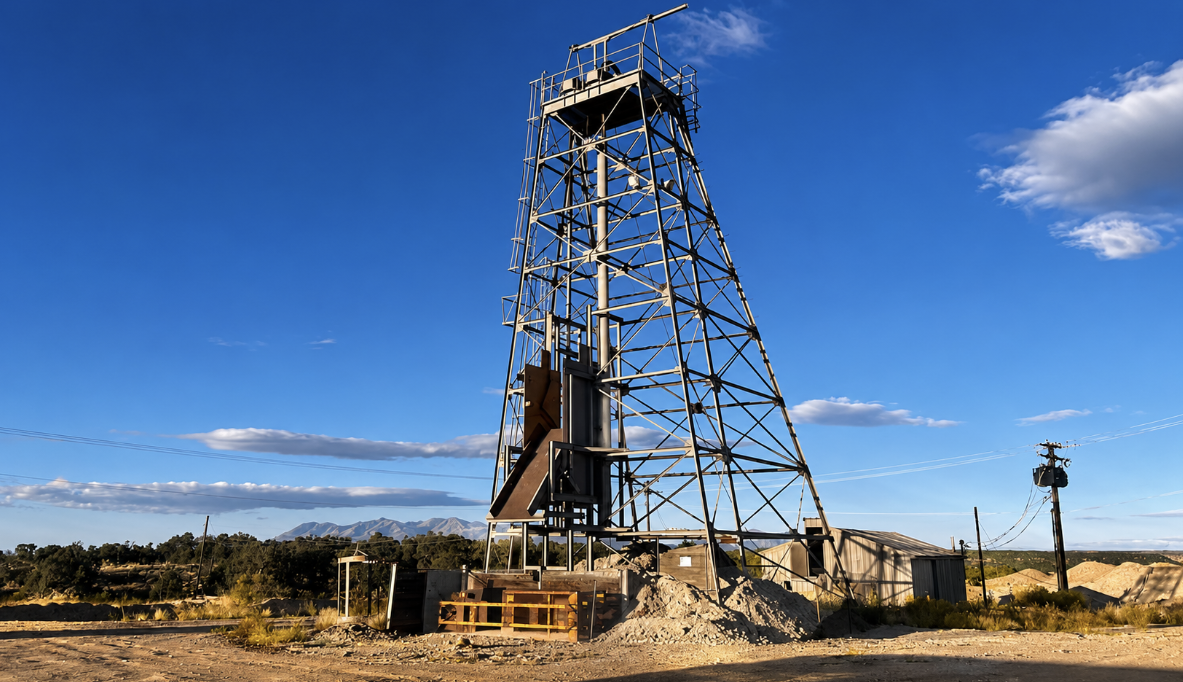
IsoEnergy Ltd. & DISA Uranium establish a US$505 million US uranium platform, combining Utah assets, HPSA processing, and remediation to secure the US supply chain.
Project Overview
IsoEnergy Ltd. (TSX:ISO | NYSE American:ISOU) announced a definitive agreement with DISA Technologies, Inc. to establish DISA Uranium Corporation, creating a technology-enabled US uranium platform designed to consolidate regional mines and above-ground legacy waste feedstocks. This transaction establishes a localized processing platform targeting a share of the US domestic utility market that requires approximately 50 million pounds of annual uranium oxide production beyond current domestic supply, de-risking IsoEnergy Ltd.’s entry into a market that currently relies on imports for the vast majority of its fuel cycle requirements. For IsoEnergy Ltd., which is currently advancing its flagship Larocque East project in Canada as a globally diversified developer and near-term producer, this transaction isolates the capital requirements of its standby Utah portfolio while maintaining direct, high-margin exposure to a unique domestic technology platform.
1. Corporate Transaction & Fully Funded Joint Venture
The creation of DISA Uranium Corporation establishes a well-capitalized US uranium platform with an implied pro forma fully diluted equity value of approximately US$505 million. According to the definitive agreement, IsoEnergy Ltd. has partnered with DISA Technologies, Inc. to form DISA Uranium Corporation. In exchange for contributing its Utah conventional uranium portfolio, IsoEnergy Ltd. will receive 1,677,350 common shares of the new company, representing approximately 33% ownership on a fully diluted basis. Concurrently, the newly formed entity has secured commitments for a US$105 million private placement financing, supported by a consortium of leading strategic investors in mining, energy, and technology, including Tembo Capital, BHP Ventures, Galvanize Climate Solutions, Valor Equity Partners, Evok Innovations, Halliburton Labs, and Veriten.
The company is participating in the concurrent financing with a US$33 million cash commitment. Upon closing of the transaction, the financing proceeds will be allocated to advance conventional mine development across the contributed assets, fund environmental remediation and uranium recovery programs, progress domestic uranium milling infrastructure, and support long-term corporate growth. This transaction leaves IsoEnergy Ltd. as the single largest shareholder of DISA Uranium Corporation, isolating the capital requirements of the US asset base from IsoEnergy Ltd.’s main treasury.
This structure separates the funding mechanism for the Utah assets by placing their development inside a separately capitalized entity while preserving IsoEnergy Ltd.'s equity upside.
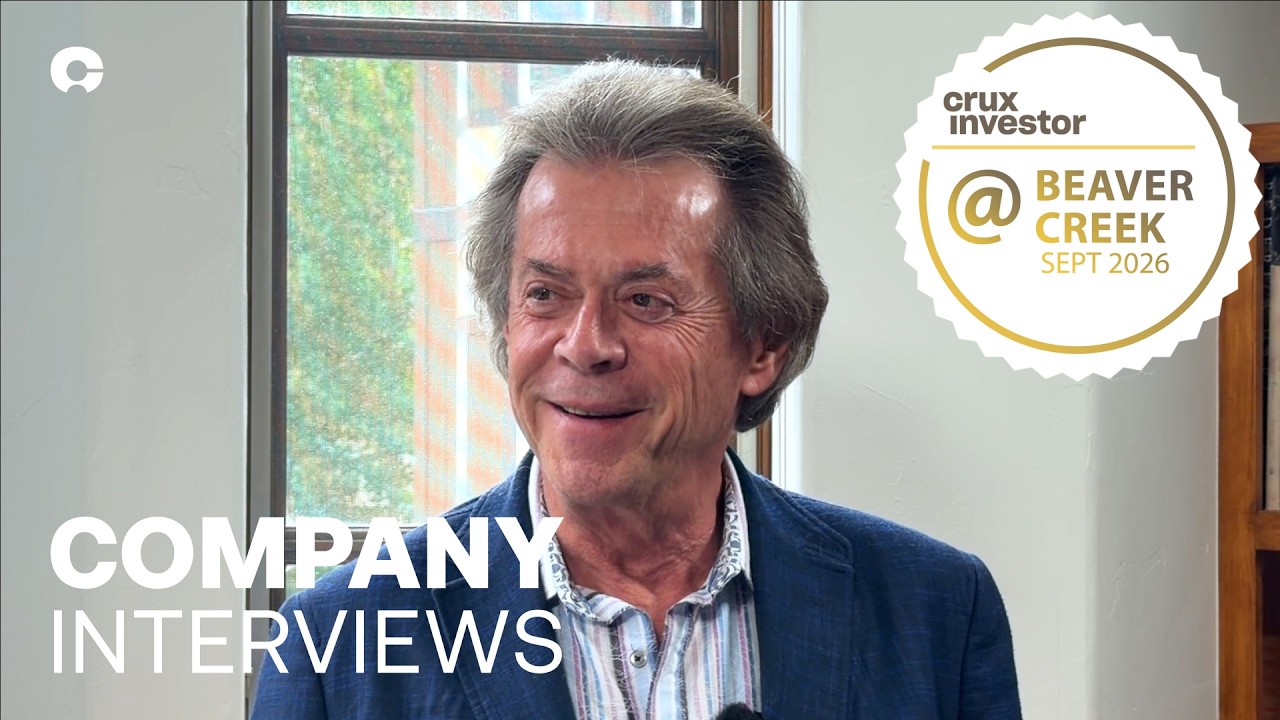
Chief Executive Officer and Director of IsoEnergy Ltd., Philip Williams, explained the strategic rationale for the transaction:
"We're able to watch the assets advance-funded on our balance sheet and operated by a team of experts to do that. The growth potential of this business is tremendous."
2. Independent Analyst Evaluation & Private Stake Illiquidity
The transaction establishes an independent valuation benchmark for IsoEnergy Ltd.’s Utah assets that is significantly higher than the value previously implied by public market models, which had ascribed zero net present value to the standby portfolio. The transaction assigns a pro forma value to the Utah assets at 2.6 times the target valuation previously modeled by the analyst firm. This valuation was established through arm’s-length negotiations and supported by the US$105 million private placement, led by Tembo Capital alongside strategic energy and technology investors, providing external validation of the asset base and processing technology.
However, DISA Uranium Corporation will initially remain an unlisted private entity, making IsoEnergy Ltd.’s approximately 33% equity stake illiquid until a public listing or other liquidity event. As a result, the 2.6-times valuation premium remains unrealized and does not provide near-term balance-sheet liquidity. During this private phase, IsoEnergy Ltd. provides public-market equity exposure to DISA Uranium’s technology, conventional uranium assets, and remediation platform.
3. The Utah Conventional Standby Portfolio
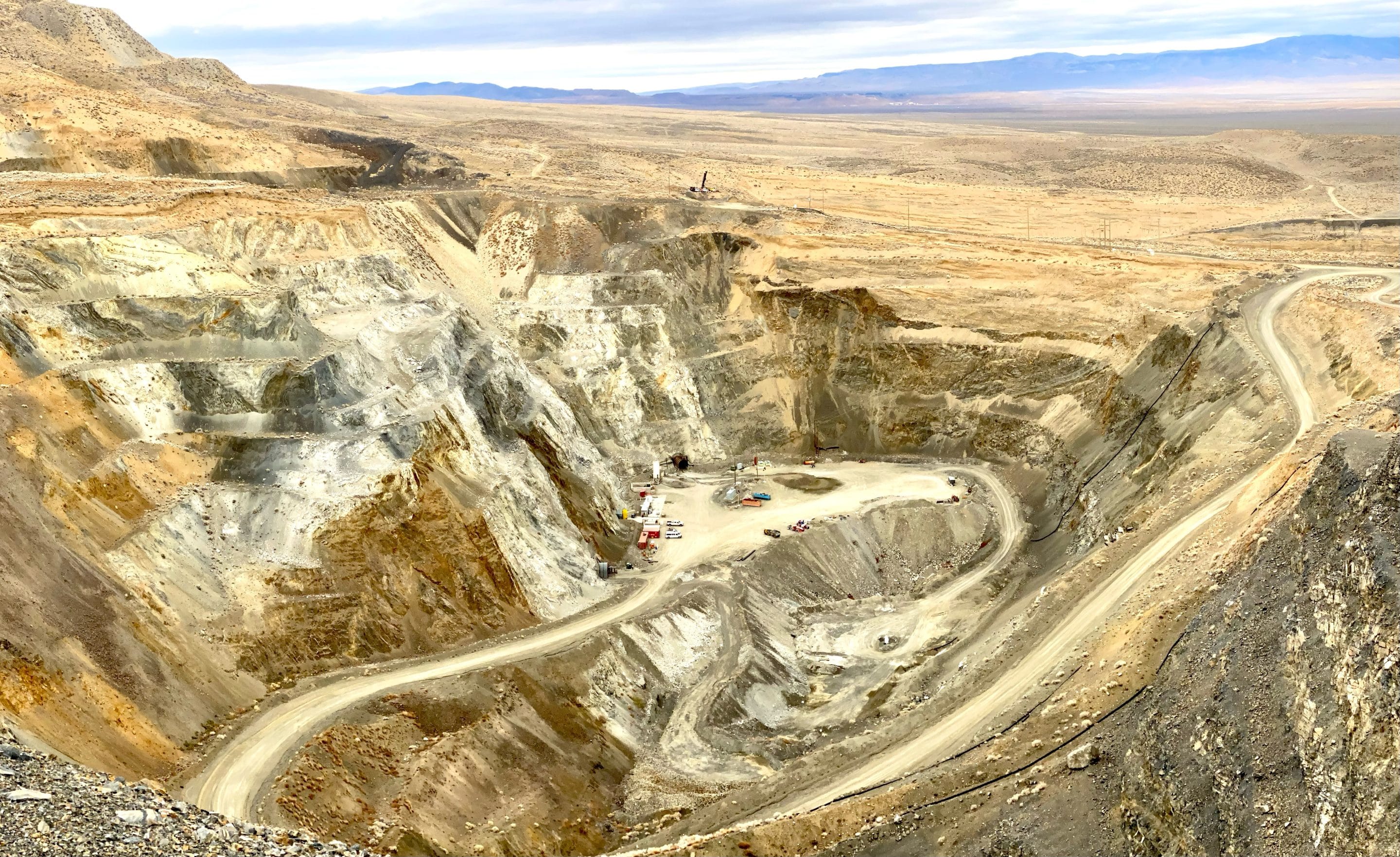
IsoEnergy Ltd. is contributing a permitted, past-producing conventional uranium asset base that holds a substantial, high-grade mineral resource. The assets contributed by IsoEnergy Ltd. comprise its permitted, past-producing conventional Utah uranium portfolio, which includes the Tony M Mine, Daneros Mine, Rim Mine, Sage Plain Project, and Flatiron Project. These projects are located in prolific historical mining districts in southeastern Utah and Colorado, representing a consolidated regional footprint of conventional resources. As of September 9, 2022, the National Instrument 43-101 technical report, the Tony M Mine alone contains an Indicated mineral resource of 1,185,000 tonnes grading 0.28% uranium oxide for a total of 6,606,000 pounds of uranium oxide, alongside an Inferred mineral resource of 404,000 tonnes grading 0.27% uranium oxide for 2,218,000 pounds of uranium oxide.
The operational standby status of these mines reduces development timelines by 3 to 5 years and eliminates an estimated US$1 million in upfront permitting costs per mine. The Tony M Mine is maintained in a production-ready state, with its underground infrastructure fully ventilated and dewatered, while the Daneros and Rim mines are significantly advanced toward a potential reopening decision and require minimal upfront capital expenditure (CAPEX) to resume operations.
To ensure technical and operational continuity, IsoEnergy Ltd.’s experienced Utah operations team will transition to DISA Uranium Corporation. This team has played a crucial role in reopening the Tony M underground workings, maintaining the regional permits in good standing, and conducting exploration across the projects. Their transition minimizes execution risk during the conventional restart phase and provides the localized expertise needed to coordinate regional mine production.
4. Physical Mechanics of HPSA Selective Liberation
High-Pressure Slurry Ablation (HPSA) is a 100% mechanical, reagent-free process that uses high-velocity slurry streams to generate particle-on-particle collisions, fracturing feedstock along natural mineral boundaries without grinding media or chemical reagents. In sandstone-hosted uranium ores, the process exploits hardness differences between quartz at 7 on the Mohs scale, orthoclase at 6, and softer uranium-bearing carnotite at 2 to 3. These collisions selectively fracture the carnotite coating into a fine fraction while leaving the harder barren host rock comparatively intact.
This selective liberation enables early separation of barren material from the uranium-bearing concentrate at coarser grind sizes, reducing overgrinding and the formation of fine slimes that can complicate downstream recovery. By concentrating valuable minerals into a smaller volume at the mine site, HPSA reduces the amount of material that needs to be transported and subsequently processed.
5. Tony M Metallurgical Testing & Operating Economics
Metallurgical testing from the 2026 Tony M HPSA Leach Study demonstrated that HPSA concentrated the target uranium mineral into approximately 22% of the original feedstock mass while recovering approximately 88% of the uranium. This represents a 78% reduction in material requiring road haulage, generating haulage cost savings of more than 70%. The test work also recorded a post-process leach time of 2 hours, compared with more than 20 hours for conventional methods, supporting faster downstream processing.
These results were validated through an approximately 2,100-tonne Tony M bulk sampling program completed at the mine site. By reducing the volume of material requiring transportation and processing, HPSA could address a key cost constraint for geographically dispersed US conventional uranium mines. The efficiencies will be incorporated into Tony M’s updated preliminary economic assessment (PEA), targeted for completion by year-end 2026 and intended to support a potential restart decision.
6. First-of-a-Kind NRC Source Materials License
DISA Uranium Corporation is the sole holder of a multi-site US Nuclear Regulatory Commission (NRC) Source Materials License authorizing the treatment and recovery of uranium and vanadium from legacy mine waste across multiple sites. The license provides a regulatory advantage by enabling operations across tribal, federal, and private lands without the extensive permitting process typically required for new conventional mine developments.
The license supports a capital-light remediation model using modular, portable HPSA units that can be transported directly to legacy waste sites for on-site uranium recovery and decontamination. This framework supports initiatives including an NRC-licensed pilot site and a maiden Navajo Nation remediation cleanup, while providing a pathway to additional feedstock and addressing historic environmental liabilities. The multi-site license reflects years of regulatory engagement and technical vetting, making it difficult for competitors to replicate.
7. The Above-Ground Legacy Remediation Pipeline
DISA Uranium Corporation’s remediation business targets a large above-ground feedstock opportunity across more than 15,000 abandoned uranium mine waste sites and more than 4,200 defense-related uranium mines in the western United States, primarily concentrated in the Four Corners region and Wyoming. The HPSA remediation circuit has demonstrated a 98% reduction in uranium levels and a 93% reduction in radium levels in processed waste material, while operating at a reported cost 80% below traditional reclamation methods. The process allows cleaned material to remain on site, reducing the need for hazardous waste transportation and long-term tailings storage.
This model provides a capital-light pathway to recover uranium from already-mined material, with DISA securing access through royalty and revenue-sharing agreements with landowners, federal agencies, tribal governments, and mining companies. The combination of uranium recovery and environmental remediation provides an additional potential feedstock source alongside the company’s conventional mining portfolio.
Williams described the scale of the opportunity:
"I can't give you an exact number of how much uranium is contained in all of these 15,000 piles, but it's significant; it could be one of the largest sources of uranium in the United States, and it already sits above ground; it's already mined, right"
8. Primary Technical & Capital Execution Risks
The combined platform faces near-term risks in technical scale-up and regulatory site access. Although HPSA performance has been validated on an approximately 2,100-tonne bulk sample from the Tony M Mine, consistent mineral liberation and mechanical reliability have not yet been demonstrated across continuous commercial-scale uranium operations. The remediation model also depends on securing site access, royalty, and joint-venture agreements across tribal, federal, and private jurisdictions, where approvals and environmental reviews could delay deployment and limit near-term feedstock availability.
In the longer term, the development of a centralized uranium recycling and processing facility entails significant capital and regulatory requirements. A new conventional mill would be the first constructed in the US in more than four decades and would require substantial project financing and state and federal licensing. If development is delayed or capital requirements exceed current budgets, the platform would remain reliant on regional toll-milling facilities, potentially constraining operating margins.
Key Takeaway for Investors
IsoEnergy Ltd.’s formation of DISA Uranium Corporation creates a separately funded US uranium platform that preserves approximately 33% ownership for IsoEnergy Ltd. while shifting the capital requirements of its Utah portfolio into a new entity backed by a US$105 million private placement. The investment case combines permitted, past-producing conventional uranium assets with HPSA technology, which Tony M testing showed could concentrate uranium into approximately 22% of the original feed mass while recovering approximately 88% of the uranium, alongside a uniquely licensed remediation business targeting legacy uranium waste. The principal question is execution: DISA Uranium must demonstrate HPSA at a continuous commercial scale, secure site-access agreements across multiple jurisdictions, and ultimately meet the capital and regulatory requirements for new domestic milling infrastructure. IsoEnergy Ltd.’s stake also remains an illiquid private holding until a future liquidity event, leaving the platform’s current valuation uplift unrealized.
Analyst's Notes





Subscribe to Our Channel


Stay Informed