




Marimaca Copper's Oxide Project: 6 Signals of a Low-Execution-Risk Copper Build


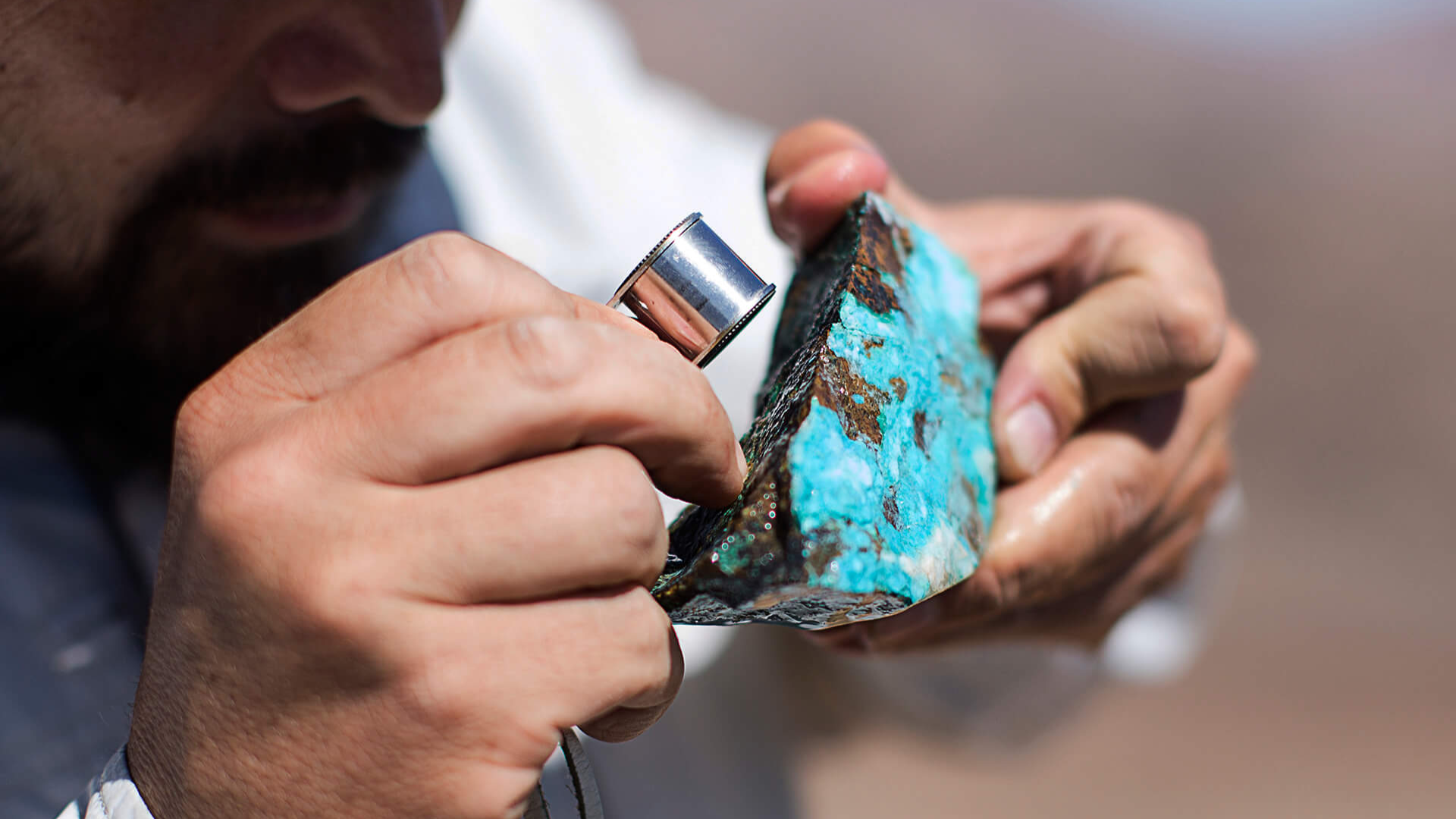
Marimaca's oxide project screens as a low-execution-risk copper build: low altitude, 25km from port, permitted, debt-free, and led by a proven team.
Project Overview
Marimaca Copper (TSX: MARI | ASX: MC2) is advancing the Marimaca Oxide Deposit (MOD), a copper cathode project in Chile's Antofagasta Region, toward a construction decision. The 2025 Definitive Feasibility Study (DFS), dated August 2025, sets a 13-year operation producing 50,000 tonnes per annum of copper cathode, averaging 48,000 tonnes per annum across the first 10 years of steady-state.
For a project at this stage, the decisive question is deliverability: whether it can be built on schedule and on budget rather than what it is worth at a given copper price. On that measure, the MOD carries an unusually low execution-risk profile for a Chilean copper development, and the six signals below set out why.
1. Location & Infrastructure Setting
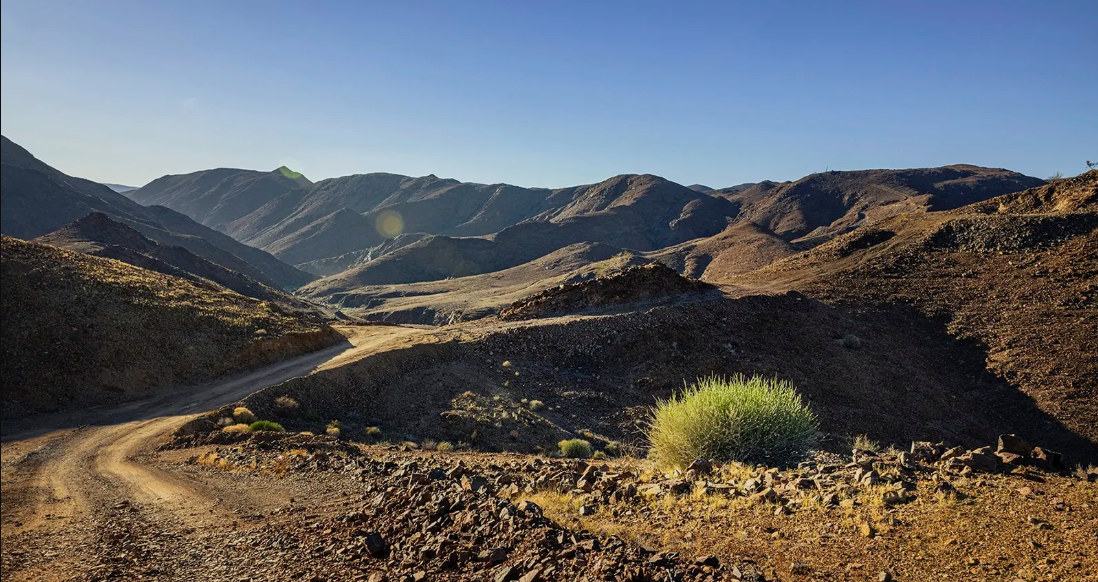
The MOD sits at low altitude with port, highway, water, power, and consumables all within roughly 25 kilometres, removing the infrastructure build that burdens most Chilean copper developments.
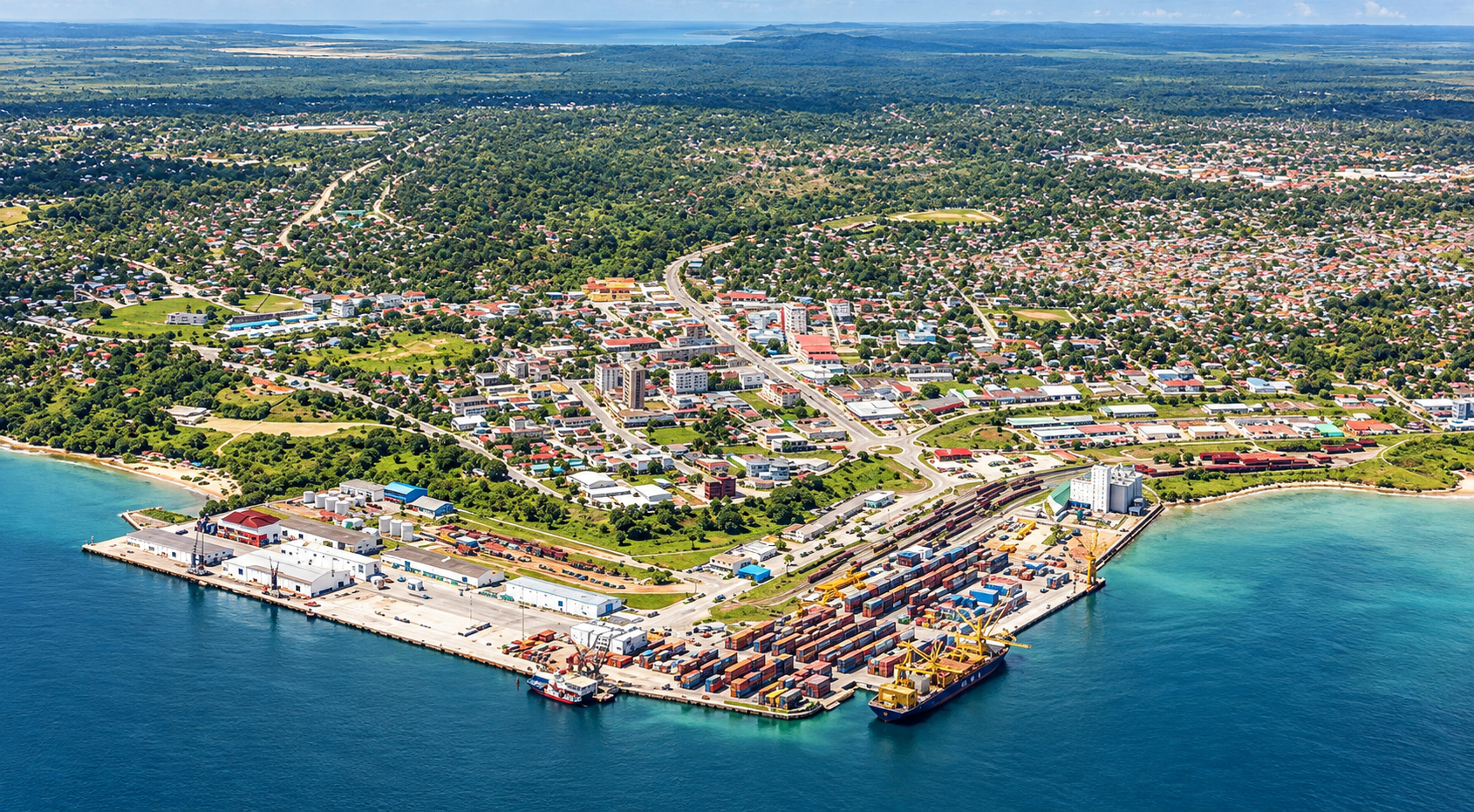
The deposit lies at a low altitude, 25 kilometres from the Port of Mejillones and 45 kilometres from the city of Antofagasta and its international airport, with the operating mine Mantos Blancos around 30 kilometres away, and Route 1 is reached 14 kilometres from the site. Altitude and distance to port are the two variables that most often inflate a Chilean project's capital cost and schedule, and the MOD sits at the low end of both.
The utilities are already defined, not aspirational. Process water is recycled seawater drawn from the Bay of Mejillones, using no continental or freshwater, delivered through a 32-kilometre pipeline with a capacity of 208 litres per second and a single pumping station. Power comes from a certified renewable supply with a line and spur 10 kilometres from the site, and the major consumables for a solvent extraction and electrowinning (SX-EW) operation, including sulphuric acid, are accessible within 25 kilometres.
Chief Executive Officer of Marimaca Copper, Hayden Locke, is direct about securing the project's key operating input:
"We are going to partner with this large-scale acid producer, which will provide us with a level of confidence in our acid through the whole life cycle of the Marimaca Oxide Deposit, which will underpin a value that's well above where we are today."
Locking in acid supply for the life of the mine removes one of the larger unhedged operating-cost exposures an SX-EW project carries.
2. Permitting Status
The project already holds its principal environmental approval, placing it past the stage where peer developments stall, with only auxiliary permits ahead.
Marimaca has received its Resolución de Calificación Ambiental (RCA), the principal Chilean environmental approval, for the oxide project. Permitting is the single most common reason a defined copper project fails to reach a construction decision on schedule, and clearing the principal approval removes that gate.
What remains is narrower in scope. The 2026 workplan advances the sectoral, or auxiliary, permits in line with the master schedule. These are procedural approvals against a granted environmental base rather than the environmental decision itself.
3. Balance Sheet & Financeability
A debt-free balance sheet with US$147.2 million in cash and an initial capital requirement below US$1 billion makes the build financeable without a major partner.
Marimaca held US$147.7 million in cash net of working capital as of March 31, 2026, with no debt. A company approaching a construction decision debt-free has the full range of financing structures available to it, rather than having to negotiate around existing obligations.
Initial capital for the project is US$587 million, positioning the MOD among the top global copper projects with a capital expenditure below US$1 billion. The study places the project's profitability index (pre-tax at an 8% discount rate (NPV) divided by initial capital) in the top quartile of Wood Mackenzie's database of development-stage copper projects. A formal project financing process is underway, which the company describes as competitive under current market conditions. Financeability at the corporate level, without ceding the project to a larger partner, is itself a de-risking attribute.
4. Capital Intensity & Cost Position
Initial capital intensity of US$11,700 per tonne of capacity and a life-of-mine all-in sustaining cost of US$2.29 per pound mean the economics are clear and well below the base-case copper price, rather than relying on elevated prices.
The project's initial capital intensity of US$11,700 per tonne of copper production capacity ranks among the lowest of copper development projects across North and South America. Capital intensity is the measure that most directly separates a fundable copper build from one that stalls, and a low figure widens the range of financing terms the project can carry. Total life-of-mine capital is US$1,198 million.
The operating position is set to the same standard. C1 cash cost is US$1.45 per pound over the first 5 years and US$1.84 per pound over the life of mine, while all-in sustaining cost (AISC) is US$1.97 per pound over the first 5 years and US$2.29 per pound over the life of mine. Against the study's base-case copper price of US$4.30 per pound, a life-of-mine AISC of US$2.29 per pound leaves the operation's margin intact without relying on a higher price.
5. Project Delivery Record of the Board & Management
The board and project leadership have delivered multiple mines exceeding US$1 billion in value, providing the construction capability that a first-time developer lacks.
Execution risk sits partly with the people running the build. Non-Executive Director of Marimaca Copper, Zenon Wozniak, was Director - Projects at First Quantum Minerals from 2003 to 2026 and led the development of major copper mines, including Kansanshi, Sentinel, Frontier, and Cobre Panama, while Project Director of Marimaca Copper, Joshua Watson, has delivered complex multi-billion-dollar projects across Rio Tinto (Oyu Tolgoi), Vale (Sudbury), and Teck.
The Chilean operating experience is equally direct. Non-Executive Chairman of Marimaca Copper, Giancarlo Bruno, is a former Chief Executive Officer of Mantos Copper and former Vice President of Anglo American Norte, bringing in-country construction and operating experience to the board. A team that has built mines at this scale before is what converts a feasibility study into an executable schedule.
6. Project Economics & the Path to a Construction Decision
Built on a completed DFS with a defined route through long-lead procurement and early works, the base-case net present value reads as a bankable plan rather than a projection.
The economics rest on Proved and Probable Reserves of 179 million tonnes at 0.42% total copper, containing 748,000 tonnes of copper, defined in the August 2025 DFS led by Ausenco and NCL. At the base-case copper price of US$4.30 per pound, the project has a post-tax net NPV8% of US$709 million and an internal rate of return (IRR) of 31%. At an upside copper price of US$5.05 per pound, those figures rise to US$1.1 billion and 39%.
The path from that study to a decision is procedural. Detailed design and engineering are progressing toward a Final Investment Decision (FID), and the 2026 work plan targets securing long-lead items with delivery beyond 50 weeks and initiating early site works ahead of the decision. Each of the five preceding signals reduces the risk attached to that figure, which is what separates a bankable base case from a modelled one.
Locke is clear on where the priority sits:
"From a strategic perspective, we are still pushing ahead aggressively on the MOD."
Key Takeaway for Investors
- The Marimaca Oxide Deposit sits at low altitude and 25 kilometres from the Port of Mejillones, with water, power, and consumables within reach, avoiding the infrastructure build that burdens higher-altitude Chilean copper projects.
- The project already holds its principal Chilean environmental approval, leaving only auxiliary sectoral permits ahead of a construction decision.
- A debt-free balance sheet with US$147.2 million in cash and an initial capital requirement of US$587 million makes the build financeable without a major partner.
- Initial capital intensity of US$11,700 per tonne of capacity and a life-of-mine all-in sustaining cost of US$2.29 per pound leave the operating margin intact below the base-case copper price of US$4.30 per pound.
- A board and project team that has delivered multiple mines above US$1 billion supports the feasibility study's base-case post-tax net present value at an 8% discount rate of US$709 million.
Taken together, these attributes are fixed well before construction, since location, permitting, funding capacity, cost position, and a proven build team cannot be assembled at the last minute. That is what moves the base case from a modelled projection toward a plan the company can fund and build, leaving execution against the schedule as the open question rather than whether the project clears its gates.
Bottom Line
The MOD's case rests less on its headline economics than on its deliverability. A low-altitude site 25 kilometres from the port, the principal environmental approval already in hand, US$147.7 million in cash against no debt, an initial capital intensity of US$11,700 per tonne, and a board that has built mines worth over US$1 billion together de-risk the path to construction. Against a base-case post-tax NPV8% of US$709 million at US$4.30 per pound copper, from the August 2025 DFS, the plan reads as bankable rather than aspirational. The remaining work is procedural: long-lead procurement, site early works, and an FID.
Analyst's Notes





Subscribe to Our Channel




Stay Informed


