Serabi Gold Advances Palito Mill Expansion & Coringa Permitting With Zero Debt


Serabi Gold confirms a debt-free balance sheet, progressing the Coringa permits, and a Palito mill expansion that will drive production growth in late 2026.
- Serabi Gold reported record 2025 gold production of 44,169 ounces, an 18% increase from 2024, while maintaining US$64.4 million in cash and zero debt as of March 31, 2026.
- The Palito processing plant is currently the main production bottleneck, operating at its practical limit of 650 tonnes per day, with production growth expected to accelerate after the fourth ball mill is commissioned.
- A US$5 million fourth ball mill installation is targeted to increase processing capacity from 650 to 900 tonnes per day, with commissioning planned for the fourth quarter of 2026.
- Serabi is funding its mill expansion, US$9 million exploration programme, and inaugural 5 pence dividend entirely from operating cash flow without requiring additional debt or equity financing.
- Coringa's unrestricted development now depends on completing the final stages of approvals from the Fundação Nacional dos Povos Indígenas (FUNAI) and Instituto Nacional de Colonizacao e Reforma Agraria (INCRA), while the company targets increasing its mineral resource inventory from 1.4 million ounces to 1.5 to 2 million ounces by the end of 2026.
Two Catalysts, Zero Debt
Serabi Gold plc ( LSE: SRB | TSX: SBI | OTC: SRBIF) is targeting its largest processing capacity increase in over a decade while advancing the final federal approvals needed to remove operating restrictions at its Coringa Mine - with both initiatives funded entirely from a debt-free balance sheet carrying a cash position of US$64.4 million as of March 31, 2026. The company confirmed both developments at its Annual General Meeting on June 18, 2026, alongside a record 2025 production of 44,169 ounces of gold and an inaugural dividend of 5.0 pence per ordinary share.
Plant Throughput is the Binding Constraint on Production Growth
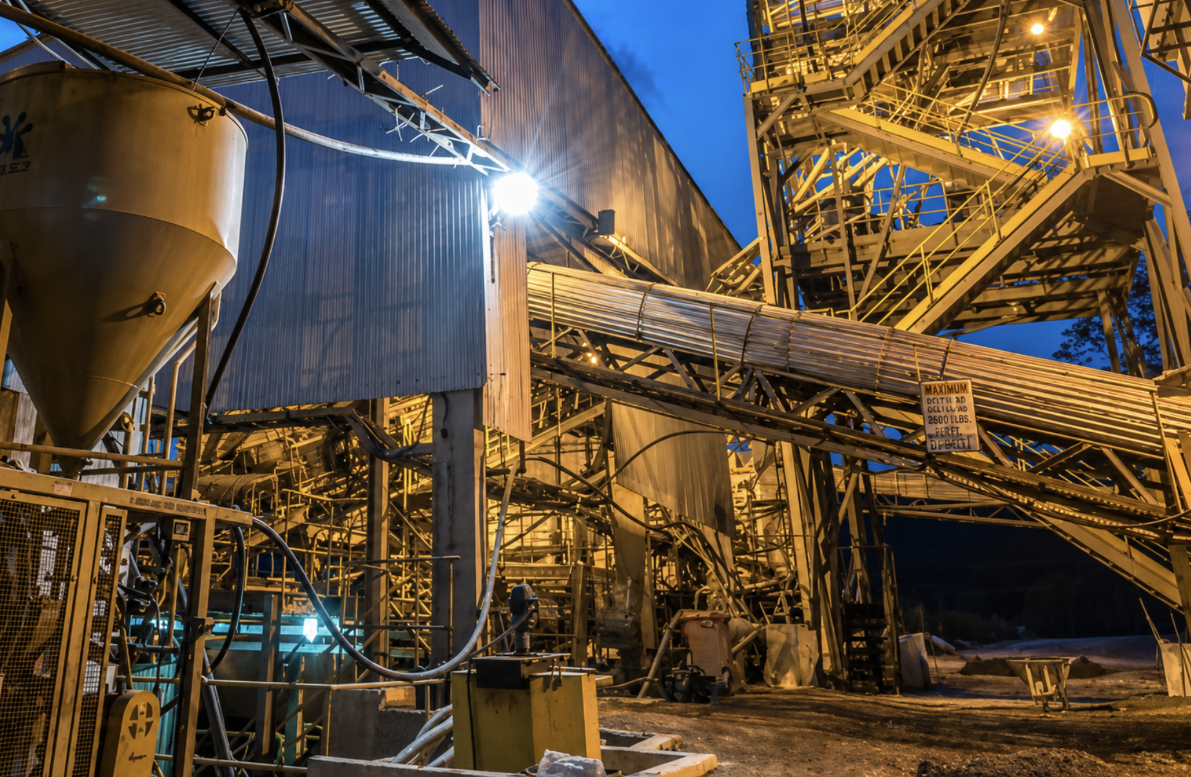
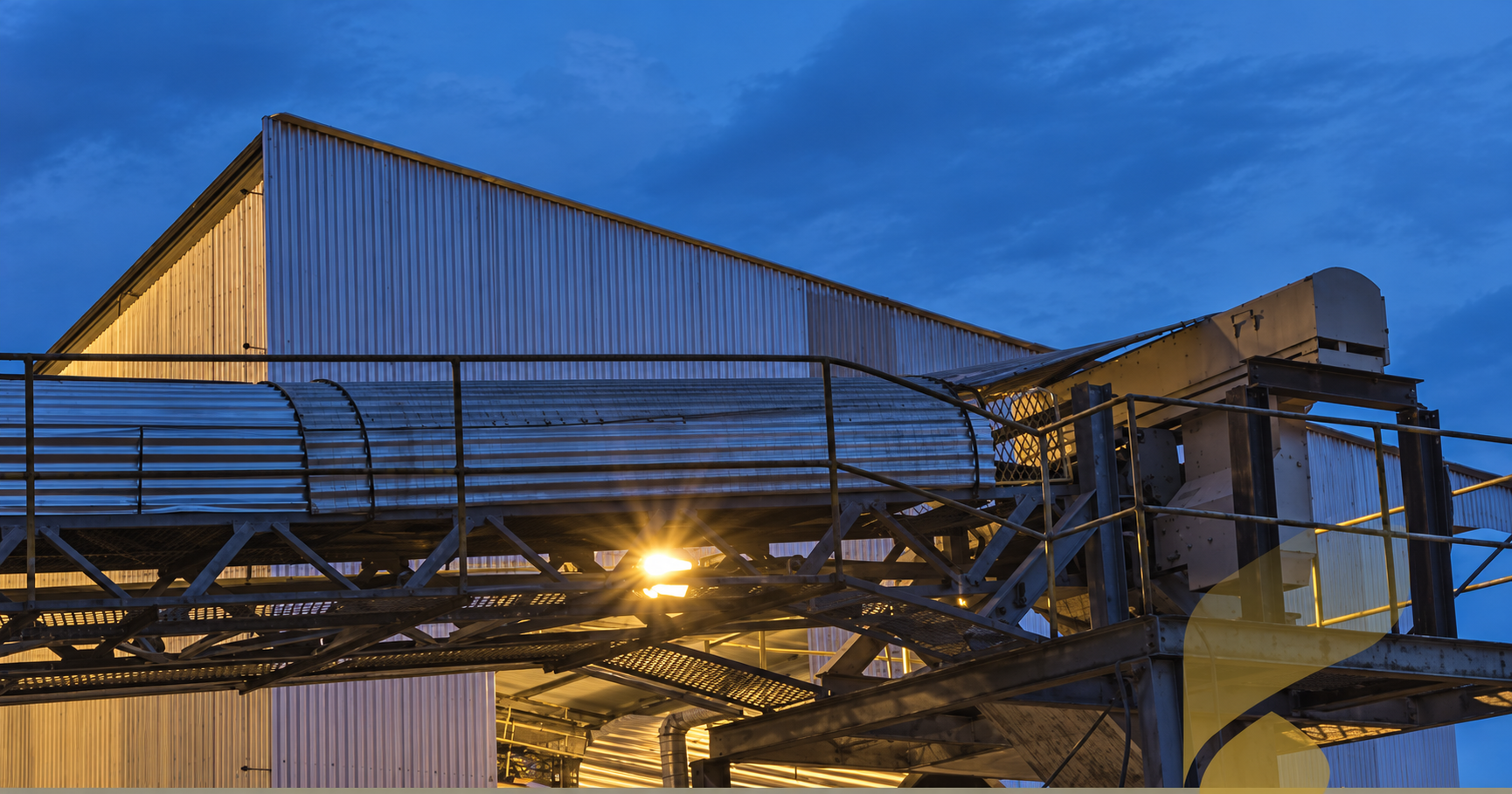
The Palito Complex processing plant is the primary bottleneck limiting Serabi Gold's ability to convert growing ore volumes into additional production. The plant currently processes ore from the Palito and Coringa underground mines at 650 tonnes per day, which the company identifies as the practical limit of the existing configuration, supporting approximately 55,000 to 60,000 ounces of annual production. As a result, recent growth has come from higher grades rather than higher throughput, with Palito feed grades increasing from 4.86 grams per tonne in 2024 to 6.04 grams per tonne in 2025. That strategy helped lift 2025 gold production to 44,169 ounces, up 18% from 37,520 ounces in 2024, while first-quarter 2026 output of 12,042 ounces remains consistent with full-year guidance of 53,000 to 57,000 ounces. Management expects production to remain broadly in line with 2025 levels through the first half of 2026 before quarterly growth begins in the third and fourth quarters as the fourth ball mill comes online.
A US$5 Million Mill Installation Targets Increased Throughput Without a New Plant
The fourth ball mill will increase Palito Complex throughput from 650 tonnes per day to 900 tonnes per day, lifting annual processing capacity to 330,000 tonnes per annum and potentially allowing Serabi to convert more mined tonnes into payable ounces without constructing a new processing facility. The unit has been sourced from the dormant process plant acquired with the Coringa Mine purchase and never commissioned there, holding an estimated installation cost of US$5 million - a fraction of what new equipment procurement would require. Commissioning is targeted for the fourth quarter of 2026.
Chief Executive Officer of Serabi Gold, Mike Hodgson, explained the capital efficiency of the move:
"Because we already have, if you remember, when we bought Coringa, it came with a process plant, which was a greenfield project that had already bought a process plant. So it wasn't perfect, but the mills were in good condition, as were the crushing facilities. So we're moving one of those ball mills to Palito now."
A Debt-Free Balance Sheet Funds Expansion, Exploration & Dividends Simultaneously
The funding structure behind Serabi Gold's growth strategy removes a risk that often constrains junior producers at this stage of development. As of March 31, 2026, the company carried zero debt after repaying a US$5.3 million working capital facility with Banco Santander Brazil in January 2026, with all capital expenditure (capex), the US$9 million exploration programme, and shareholder returns funded from operating cash flow rather than dilutive financing.
Hodgson confirmed the structure underpinning all three growth pillars:
"We have made good progress in 2025/2026 to date after some frustrating delays in previous years. With buoyant gold prices and steady production, we are tracking guidance, and our cash balance is growing. We have no debt, and all capital and exploration needs are out of cash flow and will continue to do so."
Coringa's Final Operating Permit Is Now Dependent on Two Remaining Federal Approvals
Additional processing capacity only creates long-term value if sufficient resources exist to fill it, making unrestricted development at Coringa a key growth driver. The final Installation License (LI) would replace the current three-year Guia de Utilizacao (GU) license, which limits ore transportation to 100,000 tonnes after ore sorting and expires on January 27, 2027. Unlike the GU, the LI is permanent and carries no tonnage restriction. Before SEMAS can issue the permit, two federal approvals must be completed, both of which are now in their final stages. Fundação Nacional dos Povos Indígenas (FUNAI) has already secured unanimous approval from indigenous communities for the project's impact study and is now advancing the compensation agreement process, while Instituto Nacional de Colonizacao e Reforma Agraria (INCRA) has approved the required land-use change at the state level, leaving only federal-level approval outstanding. Timing remains outside the company's direct control, but both permitting pathways are materially advanced.
Hodgson attributed the unanimous ECI approval in part to the company's two-decade operating presence in the region:
"We're just trying to improve that relationship and just want to show these guys they can really do business with us. And that's it. The great thing for us is we've obviously had Palito for many years, and we're not a sort of 'here today, gone tomorrow' company. We've committed to the region for 20 years. So, they know we're kind of a trustworthy lot."
Resource Growth Targeted at 1.5 to 2 Million Ounces
The case for the fourth ball mill rests not only on current ore volumes but also on the resource base that supports higher long-term throughput. Serabi's 2025 brownfield exploration programme drilled more than 30,000 metres across Palito and Coringa, increasing consolidated mineral resources from 1 million ounces to 1.4 million ounces by January 2026, with the discovery of the Serra South zone at Coringa extending mineralisation beyond the currently producing Serra zone. A further 30,000-metre programme budgeted at US$9 million is underway in 2026, targeting a resource inventory of 1.5 to 2 million ounces by year-end. Key milestones include fourth-quarter ball mill commissioning, completion of the FUNAI compensation agreement, federal-level INCRA approval, and issuance of the Coringa Installation License by SEMAS, each of which could influence the company's ability to convert expanded processing capacity into long-term production growth.
FAQs (AI-Generated)
Analyst's Notes





Subscribe to Our Channel




Stay Informed