Spin-Out Aims to Lift Value of U.S. Gold Corp's 20-Square-Mile Keystone


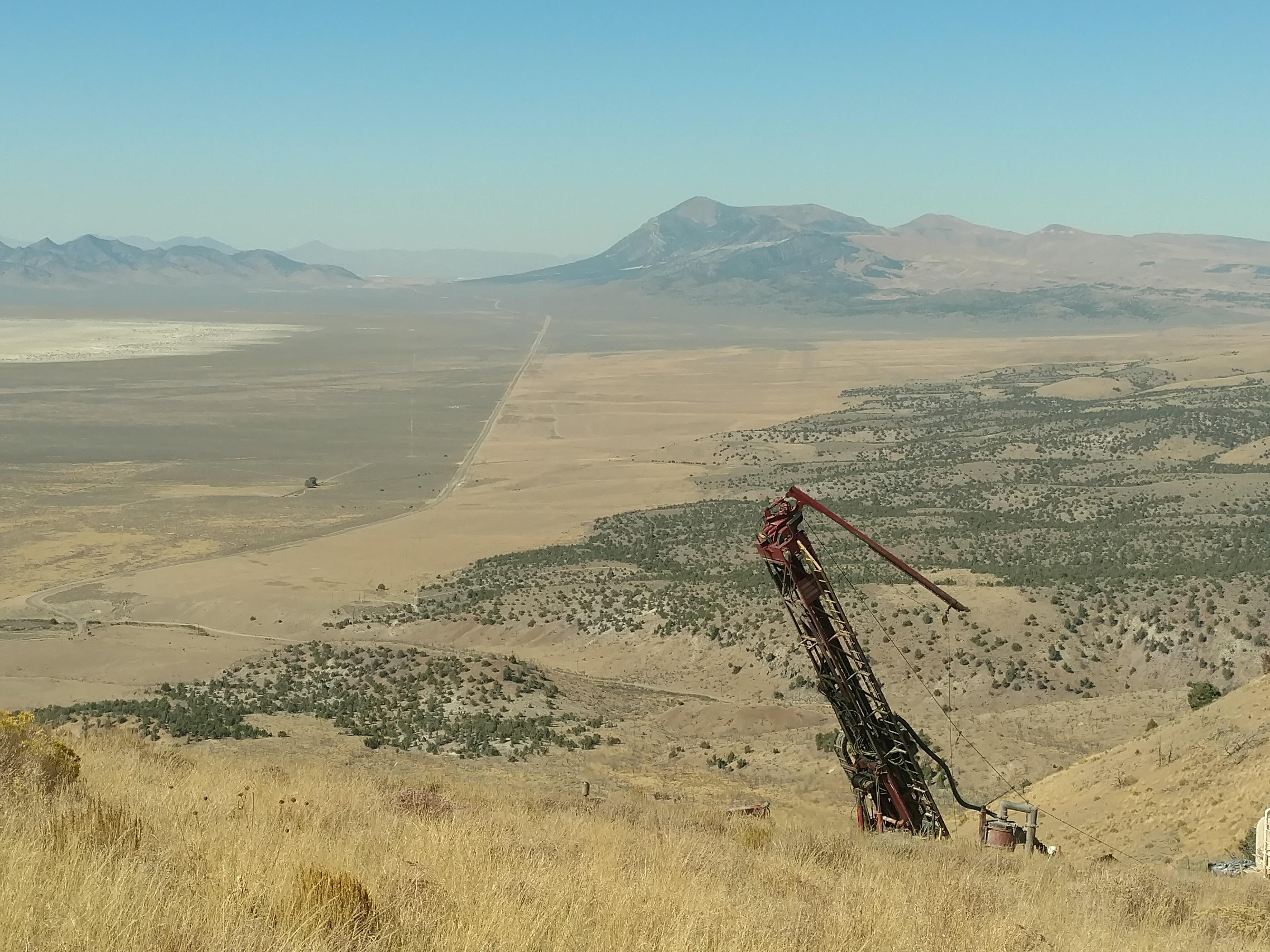
U.S. Gold Corp is exploring a Keystone spin-out and discussing potential partnerships for its 20-square-mile Nevada gold property on the Cortez Trend.
- U.S. Gold Corp is exploring a spin-out of its Keystone property in Nevada as a standalone exploration company.
- The company is also discussing potential partnership opportunities at Keystone with industry-leading companies.
- Management's view is that Nevada currently adds no value to the company's market capitalization.
- Keystone covers 20 square miles on the Cortez Trend, 11 miles south of Nevada Gold Mines' Cortez Complex.
- Future drilling at Keystone is proposed for the Sophia and Greenstone Gulch target areas.
What Has Happened
U.S. Gold Corp (Nasdaq: USAU) has put a spin-out and partnership talks on record for Keystone, its gold exploration property in Nevada. In August 2026, it said it is exploring a spin-out of Keystone as a standalone exploration company to minimize additional dilution. By October 2026, it was also discussing potential partnership opportunities with industry-leading companies at Keystone.
Neither step has a date, a structure, or a named counterparty attached. Management's view is that Nevada currently adds no value to the company's market capitalization, which stood at US$245.6 million as of October 2026.
Keystone Beside a Permitted Wyoming Project
CK Gold in Wyoming is the company's development asset. It is fully permitted, and a financing and construction decision is targeted for as soon as the second half of 2026. U.S. Gold Corp is prioritizing financing structures that would minimize shareholder dilution and has formed a Special Committee to assess interest from potential merger and acquisition counterparties.
That dilution concern applies to a small share base: 16,529,433 common shares were outstanding at October 1, 2026. Alongside CK Gold, the portfolio holds the Keystone Project on Nevada's Cortez Trend and the Challis Gold Project in Idaho.
President and Chief Executive Officer of U.S. Gold Corp, George Bee, weighed the Nevada ground against the company's market value:
"Nevada at the moment really doesn't accrue any value, and if you look at our market capitalization, and it is a phenomenal project, the Keystone project."
U.S. Gold Corp intends to advance and explore Keystone and make it beneficial to its shareholder base, and the spin-out is the step it has tied directly to that aim.
The Spin-Out Route
"Maximize Keystone project value (potential spinout)" is among U.S. Gold Corp's upcoming milestones, and Keystone offers potential as a standalone district play on Nevada's Cortez Trend.
A spin-out may require shareholder approval. The spin-out entity may not meet applicable listing standards, and the company's own continued compliance with listing standards following a spin-out is also at risk.
No decision on the spin-out has been announced, and the company is exploring it as a possibility. A record date, a share structure, or a shareholder vote would be the first concrete signs that this route is being taken.
The Partnership Route
U.S. Gold Corp has not named any counterparty in its partnership discussions at Keystone. Over the summer of 2026, it hosted site visits for its Nevada ground and had interested parties in its data room, where potential partners review project files.
U.S. Gold Corp plans to pursue exploration opportunities at Keystone when capital or strategic partnerships are secured.
Keystone's Exploration Record
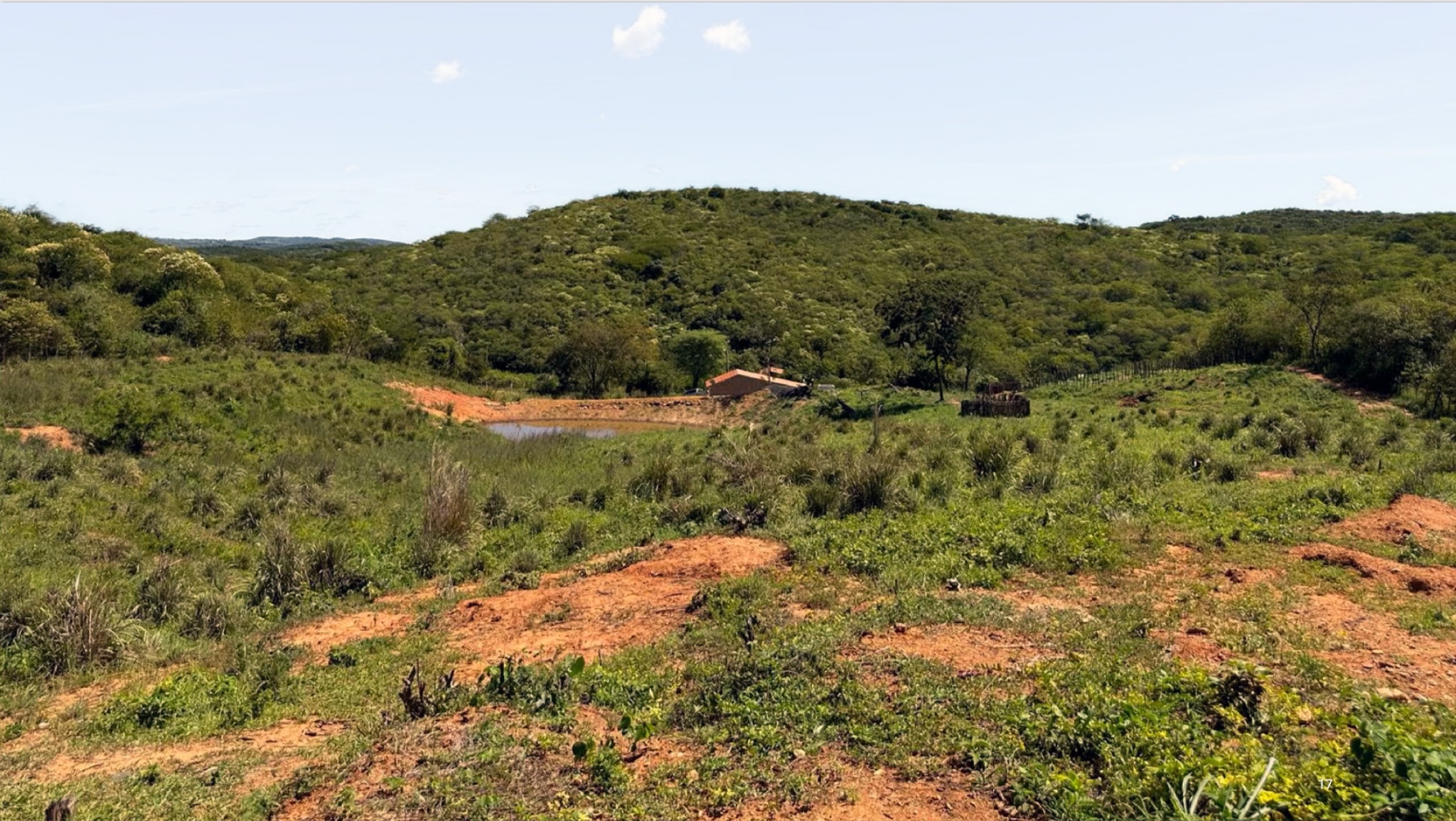
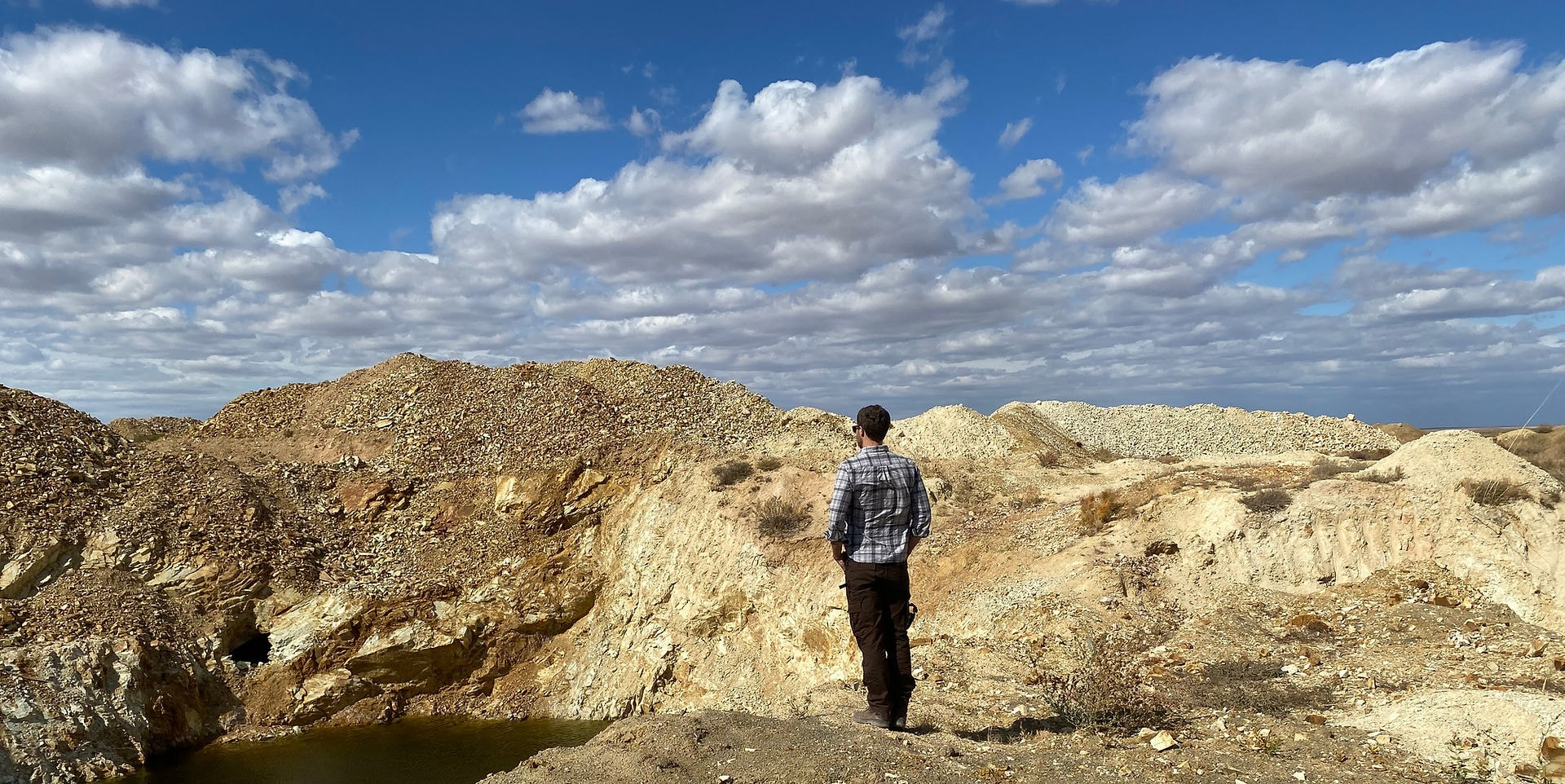
Keystone is a district-scale exploration project on Nevada's Cortez Trend. It covers 20 square miles and is 100% controlled by U.S. Gold Corp, which consolidated the entire district. Geologic mapping, soil sampling, and rock chip sampling cover all 20 square miles, yet the ground has never been systematically explored with model-driven, modern-day exploration techniques. Shallow and deep targets are largely untested, and an approved Plan of Operations is in place for targeted drilling.
Keystone's 2019 drilling was a targeted program of 7 holes, which followed up on 2018 results and provided a first test of several targets in previously inaccessible areas. All holes encountered anomalous gold and strong pathfinder elements, the trace elements geologists use to point toward gold mineralization, within thick, favorable rock layers. The program gave the Nina Skarn target its first test, and drilling cut altered, gold-bearing rocks from the surface to a depth of 414.5 meters (m), the strongest continuous gold mineralization encountered at Keystone to date.
For 2026, geophysical surveys, drilling, surface geochemistry, and surface mapping have been merged through the VRIFY AI platform, and new targets are under development. A hyperspectral survey, which maps minerals using light reflected from the surface, has identified additional near-surface gold targets in an under-explored part of the claim block. Future drilling is proposed as a mix of core holes, which recover solid rock cylinders, and reverse circulation holes, which return crushed rock chips, focused on the Sophia and Greenstone Gulch target areas, with Nina Skarn to follow. Management believes the high-priority targets show the potential for Carlin-type gold deposits, a style of fine-grained gold mineralization hosted in sedimentary rock.
Broader Context
Keystone sits in the state that dominates US gold output. Nevada produced approximately 4.47 million ounces (Moz) of gold in 2021, about 78% of US gold production, and would rank as the 6th-largest gold-producing country in the world if it were a country. Its historical output exceeds 225 Moz, and it hosts gold deposits of more than 20 Moz.
Nevada Gold Mines' Cortez Complex lies 11 miles north of Keystone and is the second-largest gold producer in Nevada. Cortez accounts for more than 51 Moz of gold, either produced or within mineral reserves and resources.
Keystone shares several geological features with Cortez. The Wenban Formation, a sedimentary rock unit, extends across the entire Keystone property. Both areas show broad zones of high-grade trace metals, high-angle fault structures, and dissolution-collapse breccias, rock that broke apart as the layers beneath it dissolved. Both also host Eocene-aged intrusive rocks, bodies of once-molten rock that cooled underground, related to mineralization, along with porphyry mineralization, formed around a cooling magma body, and Carlin-type mineralization.
What to Watch Next
For the spin-out, the markers are the company's decision, any shareholder approval it requires, and the structure and listing of the new company. On the partnership route, the marker is a named industry counterparty and the terms it brings to the property.
The technical marker is the start of the proposed drilling at Sophia and Greenstone Gulch. In Wyoming, the financing and construction decision for CK Gold is the nearer event, targeted for as soon as the second half of 2026.
In the meantime, the measurable inputs for valuing Keystone are its 20-square-mile consolidated land position, the 2019 drill results, and the targets from the 2026 work.
FAQs (AI-Generated)
Analyst's Notes





Subscribe to Our Channel




Stay Informed