




Abitibi Metals Buys Out SOQUEM's Stake in B26: 9 Things to Know


Abitibi Metals consolidates full ownership of B26 from SOQUEM, deferring most consideration to feasibility and construction milestones.
Project Overview
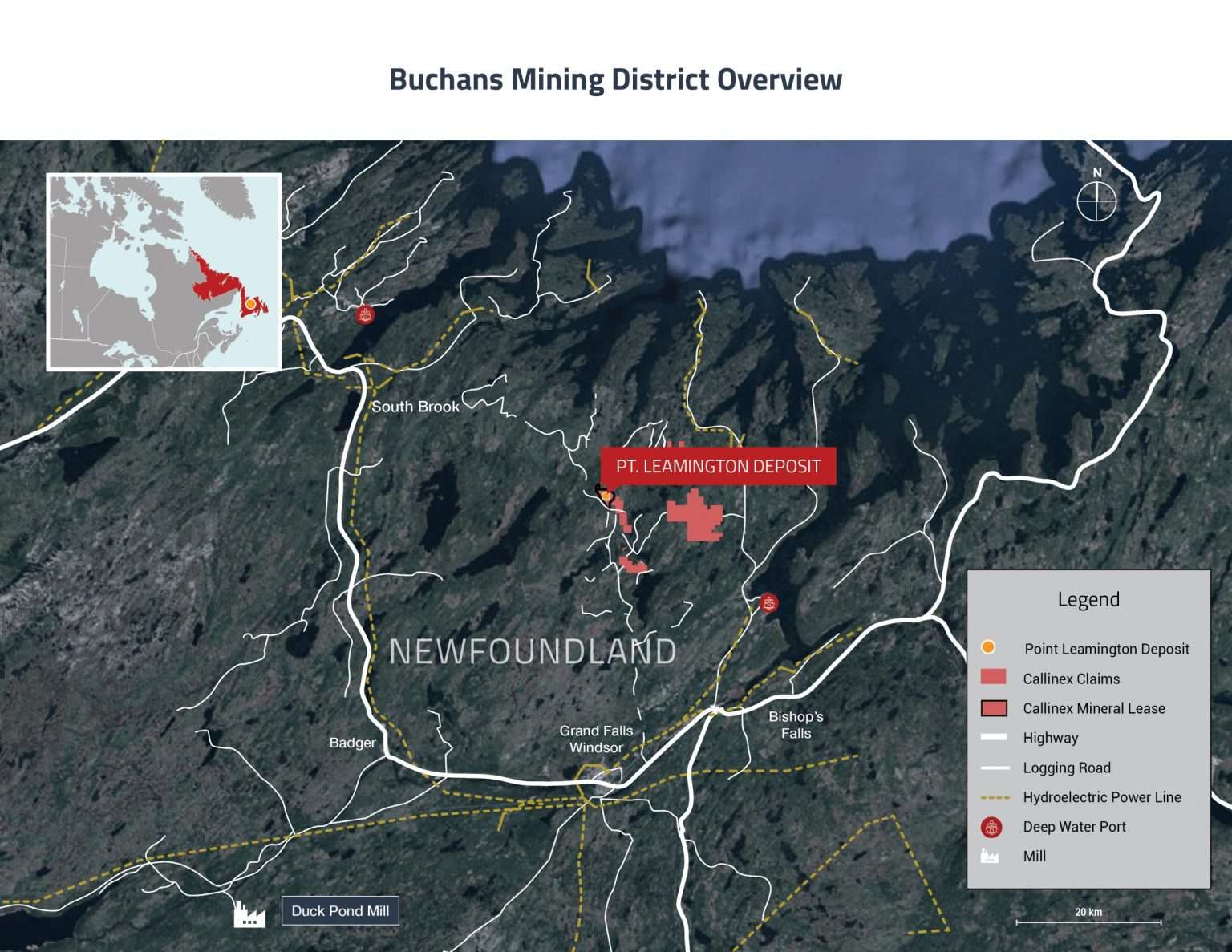
Abitibi Metals (CSE: AMQ | OTCQB: AMQFF | FSE: FW0) built its position at the B26 copper-gold project through a 2023 option and joint venture agreement with SOQUEM Inc., a subsidiary of Investissement Québec, under which Abitibi held 80% and SOQUEM held the remaining 20%. That arrangement set the ownership baseline against which the June 11 consolidation announcement is measured. B26 currently hosts a combined 2026 resource of 25.3 million tonnes, comprising 12.96 million tonnes in the Indicated category and 12.34 million tonnes in the Inferred category.
1. Full Ownership of B26 Secured
Abitibi now holds 100% of B26 after agreeing to acquire SOQUEM's remaining 20% interest in the project. The transaction shifts ownership from the 80/20 split established under the 2023 joint venture to outright control by Abitibi, eliminating the need to coordinate technical and capital decisions with a minority joint-venture partner. In place of the royalty carried under the prior structure, SOQUEM retains a new 1% net smelter return royalty on B26, a single, fixed economic interest that replaces the more complex joint-venture accounting that Abitibi previously had to manage alongside its own spending obligations.
2. Strategic Extras: ROFR & Joint Technical Work
The agreement extends beyond a simple transfer of ownership. Abitibi secures a 10-year right of first refusal on two SOQUEM-owned properties, Wagosic and Carheil, giving it a contractual first look at additional ground in the same district before any third party can acquire it. The two companies are also forming a joint technical committee to carry out initial metallurgical test work on blended material drawn from both B26 and Wagosic, a step that keeps SOQUEM's geological knowledge of the surrounding district engaged with Abitibi's development work even after the ownership change.
3. A Capital-Disciplined Payment Structure
Total consideration for the SOQUEM interest comprises an initial payment of approximately seven million Canadian dollars, split between cash and shares; two further milestone payments, also split between cash and shares; and the new 1% net smelter return retained by SOQUEM. Abitibi has explicitly described the structure as capital-disciplined, with staged payments designed to preserve near-term capital flexibility while aligning the largest outlays with the stages at which B26 itself is expected to create the most value: completion of a feasibility study and a subsequent construction decision.
4. Closing Payment Terms & Cash Outlay Reduction
The payment due at closing is set at five million Canadian dollars in cash and two million Canadian dollars in Abitibi shares, with the cash portion payable within 90 days of closing. That cash obligation is not fixed in practice. It is subject to a reduction equal to 20% of the additional B26 exploration expenditures that Abitibi has already incurred on the portion of the project attributable to SOQUEM's interest, meaning Abitibi's prior spending directly reduces the cash it owes at closing rather than remaining outside the transaction as a separate, already absorbed cost.
5. Milestone Payments Aligned to Feasibility & Construction
Two further payments of 6 million Canadian dollars each, split evenly between cash and shares, are tied to development stage-gates rather than to the calendar alone. The first is triggered on completion of a feasibility study, or no later than 3 years after closing, whichever comes first. The second is triggered on a construction decision, or no later than 5 years after closing. Both carry a hard backstop date.
6. Default Provisions Shift Risk to Royalty, Not Cash
Missing either milestone deadline does not expose Abitibi to a cash penalty. If the first milestone is missed, SOQUEM's net smelter return rises by an additional 1%, to 2% total, and SOQUEM gains a 12% project interest. If the second milestone is missed, the royalty rises by a further 0.5% to 1.5% in total and is accompanied by a 6% project interest. Abitibi retains the right to buy back any additional royalty triggered by a missed milestone for C$2 million, capping the cost of reversing a default. The downside of slower progress is absorbed through dilution of project economics rather than through a draw on cash that could otherwise fund drilling or engineering.
7. A Valuation Gap Against Consolidation-Era Peers
Sector consolidation has been reshaping ownership of Canadian volcanogenic massive sulphide deposits, with buyers prioritising high-grade systems in stable jurisdictions. Foran Mining's McIlvenna Bay, a comparable large-scale copper-gold volcanogenic massive sulphide deposit, was acquired by Eldorado Gold for approximately C$3.8 billion, a transaction that left Foran trading at an enterprise value-to-in-situ resource ratio of 20.4%. Abitibi trades at 0.8% on the same metric, with an enterprise value of C$95 million against an in-situ resource value of C$11.5 billion, compared with 3.5% for FireFly Metals. Haywood Capital Markets carries a Buy rating on Abitibi.
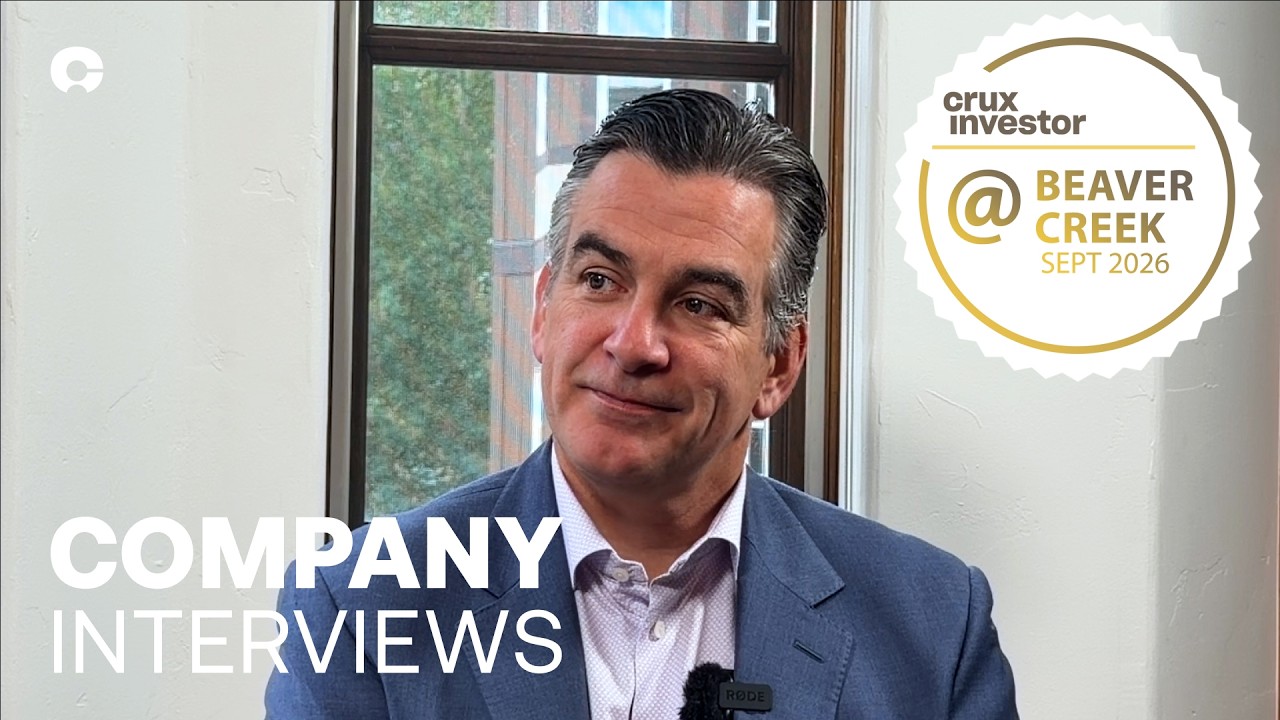
President and Chief Executive Officer of Abitibi Metals, Jon Deluce, frames the scarcity of comparable deposits as the real driver behind the valuation gap:
"I think the consistency is how rare these deposits are in the marketplace, and we look at the recent closing of the Foran takeover by Eldorado for almost $4 billion. It showcases the demand for these in the market, but also how rare they are. There are very few of these available across Canada that have the size and scale like B26, and like McIlvenna Bay does with Eldorado."
8. Funded Through the Next Capital-Intensive Phase
Abitibi holds a cash position of approximately C$19 million, which already funds the largest drill programme in the company's history and paves the way for a preliminary economic assessment (PEA). That programme, Phase 4, was upsized following the Discovery Silver financing to target 80,000 metres-plus of drilling for resource expansion and new discoveries, alongside ongoing metallurgical and geotechnical testing, as the company moves from explorer to developer. The SOQUEM payment schedule sits atop the already-funded plan rather than competing with it, since the closing payment and both milestone payments are timed to fall due only as feasibility and construction work actually progress.
9. Key Dates to Watch
Three dated catalysts frame the period ahead. A PEA is targeted for the first quarter of 2027, drawing on the funded Phase 4 drilling and ongoing metallurgical work. The first SOQUEM milestone payment is due no later than 3 years after closing, with the timing tied to the feasibility study's completion if it arrives sooner. The second falls due no later than five years after closing, tied to a construction decision if that arrives first. Each date marks a point at which the deferred structure either converts to a fixed payment obligation or, if missed, shifts further economic interest to SOQUEM.
Key Takeaway for Investors
- Abitibi now holds full ownership of B26 following the buyout of SOQUEM's remaining interest.
- The payment structure defers most of the consideration to feasibility and construction milestones rather than requiring it upfront.
- Missing a milestone increases SOQUEM's royalty and project interest rather than triggering a cash penalty for Abitibi.
- Abitibi's current cash position already funds its largest drill programme to date, and a preliminary economic assessment is targeted for the first quarter of 2027.
- Abitibi's enterprise value-to-in-situ resource ratio sits at 0.8%, against 20.4% for Foran's McIlvenna Bay and 3.5% for FireFly Metals.
- The milestone deadlines set 3 and 5 years from the closing mark the points at which the deferred structure will next be tested.
- The structure trades payment certainty for capital flexibility, leaving Abitibi's near-term cash position intact through the drilling and assessment work that will determine whether the deferred milestones are ever reached on the company's own terms rather than SOQUEM's.
Bottom Line
The SOQUEM buyout gives Abitibi clean ownership of B26 without forcing a large cash outlay at a stage when the project's economics are still being defined. By tying the bulk of the consideration to feasibility and construction milestones, and by shifting the consequence of any delay onto royalty and project interest rather than cash, the structure leaves the company's existing funding free to carry the drilling and assessment work already underway. Set against an enterprise value-to-in-situ resource ratio of 0.8%, versus 20.4% for Foran's McIlvenna Bay deal and 3.5% for FireFly Metals, the deal looks less like a cost absorbed now and more like a position held cheaply against a valuation gap that the company expects feasibility work to help close.
Analyst's Notes





Subscribe to Our Channel



Stay Informed






















