




Integra Resources Targets Ground 5 Miles South of Florida Canyon: 7 Key Catalysts to Watch


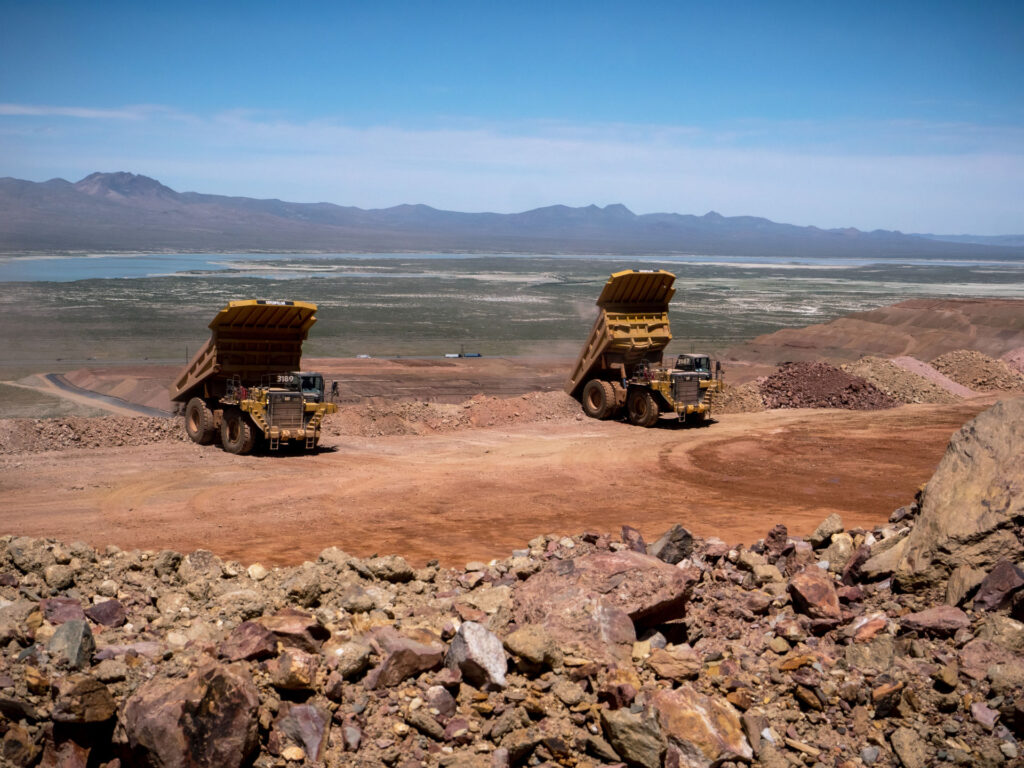
Integra's largest drill program targets Standard Mine, 5 miles south of Florida Canyon, where a 135,000-ounce inferred resource has seen no recent drilling.
Project Overview
Integra Resources (TSXV: ITR | NYSE American: ITRG) is a precious metals producer operating in the Great Basin of the western United States. Its principal operating asset is the producing Florida Canyon Mine in Nevada, and its development pipeline comprises the past-producing DeLamar Project in southwestern Idaho and the Nevada North Project in western Nevada.
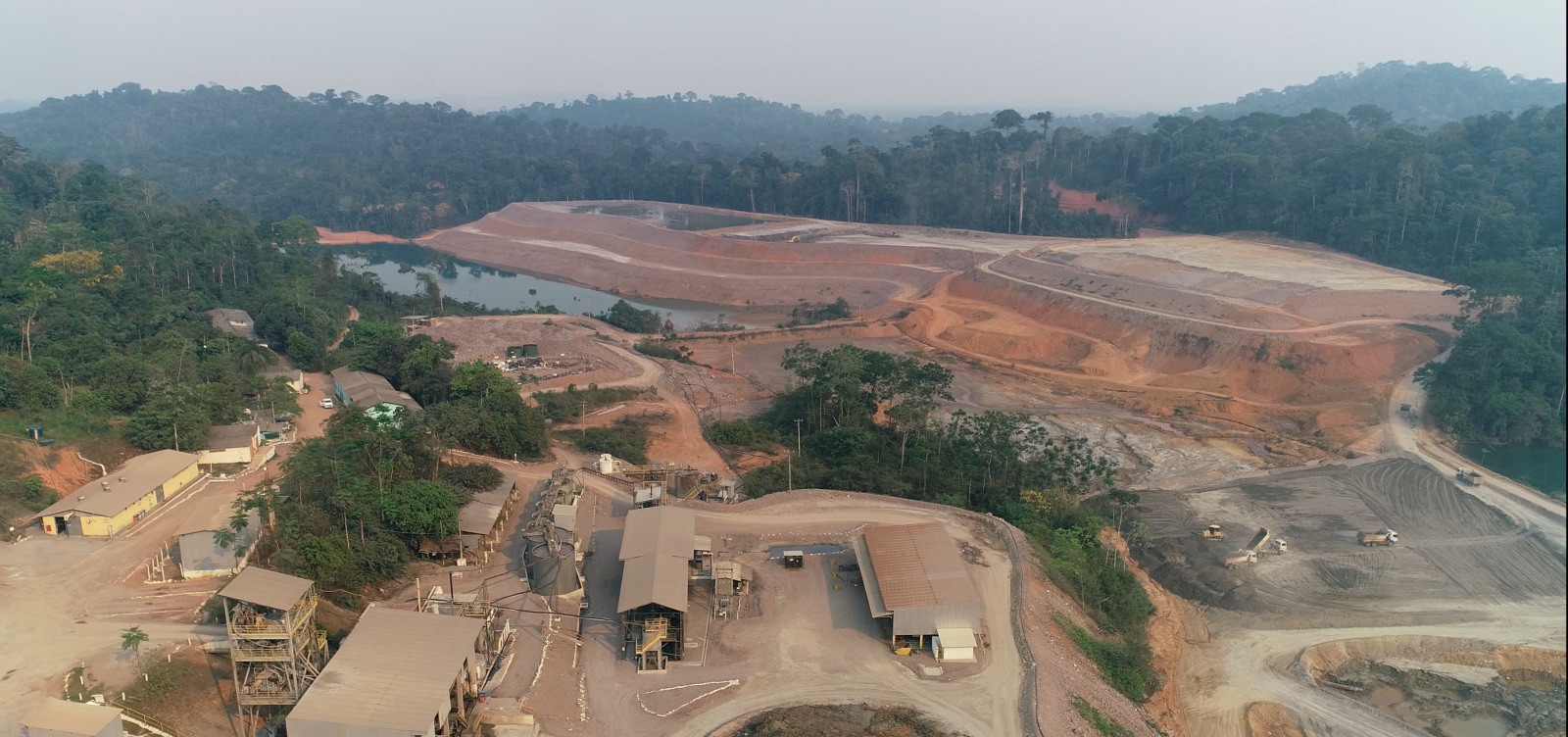
Florida Canyon is a heap leach gold operation approximately 45 miles southwest of Winnemucca, Nevada, adjacent to Interstate Highway 80. A technical report with an effective date of May 31, 2026, extended active mining to 2033, followed by approximately 2 years of residual leaching, on proven and probable reserves of 1,191 thousand ounces (koz) of gold at 0.31 grams per tonne (g/t). Against that 8-year horizon, the company is targeting 42,500 metres (m) of drilling at Florida Canyon this year, inside a 50,000-metre program across all three assets, the largest drill program in the company's history.
1. The Program Splits Between the Mine Property & Ground Beyond It
The Standard Mine area is one of the four target areas in the 2026 drill program, and the company describes it as regional ground outside the mine gate.
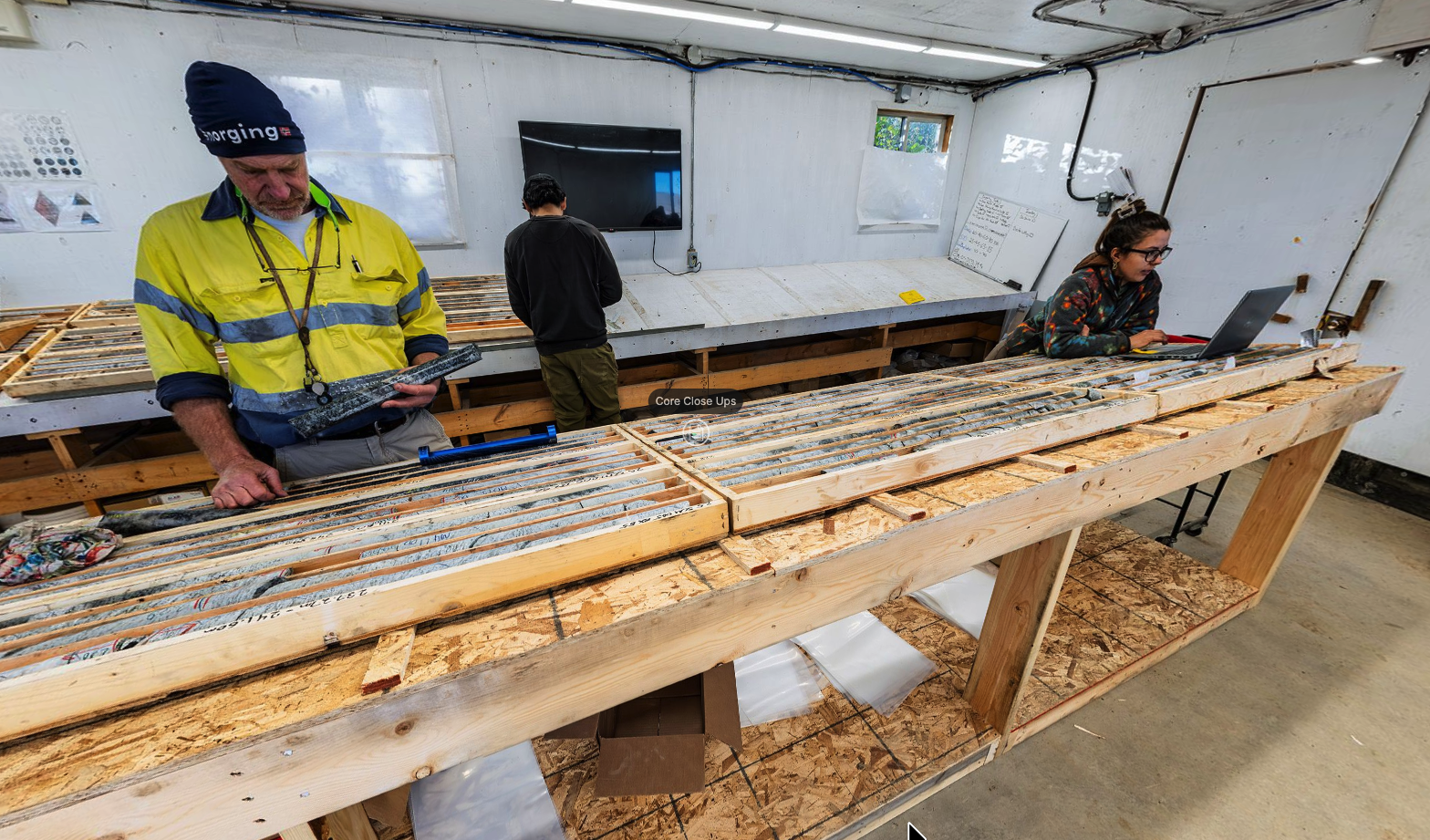
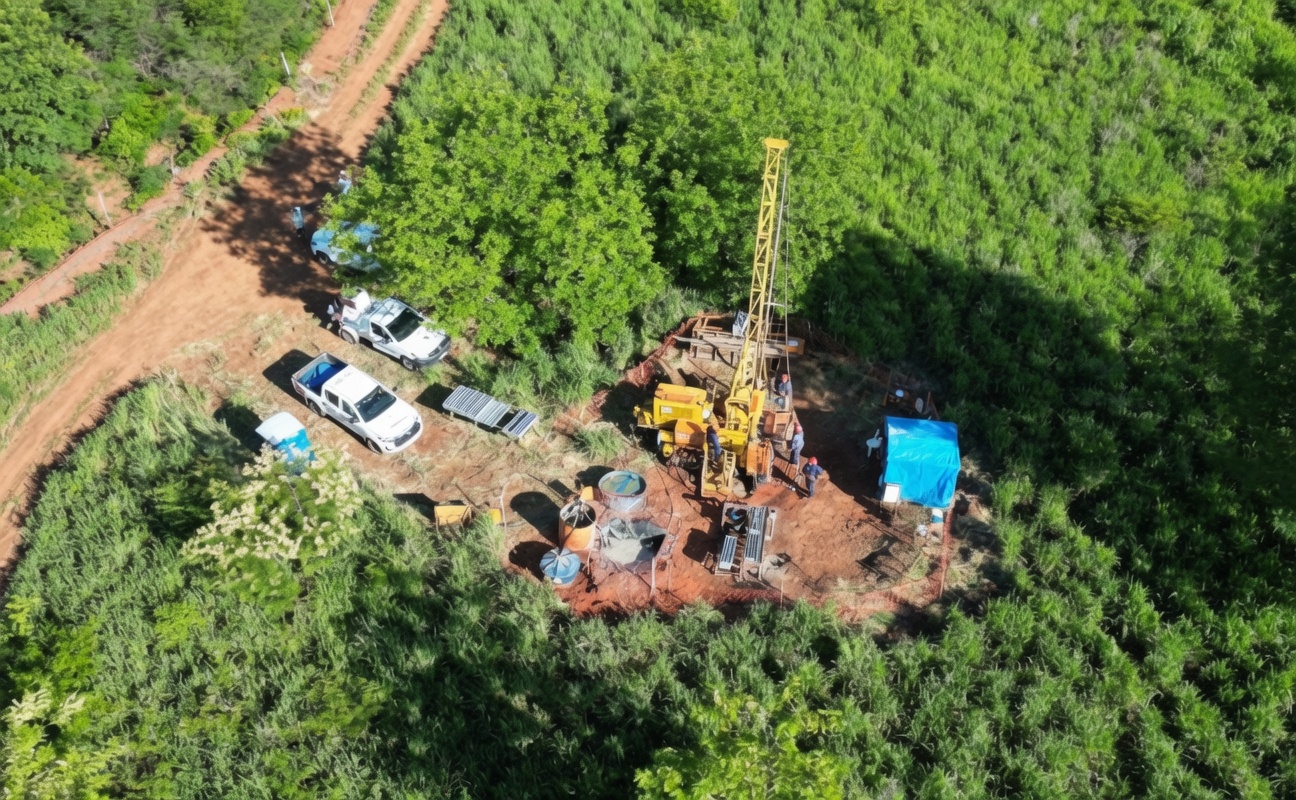
Integra completed 8,501 m of drilling in the second quarter of 2026, bringing the year-to-date total to 17,055 m of the 42,500 m planned at Florida Canyon. The four named areas are resource development on the mine property, underexplored extensions of Florida Canyon gold mineralization, Standard Mine area targets, and green-field exploration targets. The company describes the Standard Mine area as its first drilling outside the mine gate.
The stated design of the program is to support resource and reserve growth and extend mine life at Florida Canyon. That objective attaches to the regional targets as well as the in-gate targets. Standard Mine is included in that growth program; it is not in the current reserve or mine plan.
2. Drilling Inside the Mine Gate Has Already Converted
Florida Canyon's reserve base grew by 74% through work that included exploratory, infill, and confirmatory drilling. The current program has a demonstrated path to conversion.
The 2026 technical report lifted proven and probable reserves from 685 koz to 1,191 koz. Mine life moved from 2030 to 2033, and average annual gold production moved from 70 koz to 82 koz, a 17% increase. The company attributes the reserve growth in part to exploratory, infill, and confirmatory drilling, and management said a large share of the reserve growth came from drilling started after the acquisition, including 16,000 metres in the first year, all within the mine gate.
The timing sets the boundary on what has been banked. The reserve estimate has an effective date of May 31, 2026, which falls inside the second quarter. Metres drilled after that date are not inside the 1,191 koz figure, and the split of the 8,501 m either side of it has not been disclosed.
3. Standard Mine Already Holds an Inferred Resource
Standard Mine holds 135 koz of gold in inferred oxide material at 0.49 g/t, a grade above the 0.31 g/t reserve grade at Florida Canyon, with no measured or indicated material behind it.
The estimate, effective May 31, 2026, reports 8,532 thousand tonnes (kt) at 0.49 g/t gold for 135 koz of oxide material, alongside 30 kt at 1.47 g/t for 1 koz of sulfide material. The measured and indicated categories are both empty, and Standard Mine appears in no reserve table. The conceptual pit shell constraining the estimate assumes a gold price of US$2,650 per ounce for gold and overall pit slope angles of 30 to 43 degrees. Mineral resources that are not mineral reserves lack demonstrated economic viability.
President, Chief Executive Officer, and Director of Integra Resources, George Salamis, dates the gap in drilling on the ground south of the mine:
"That's a project that hasn't seen a drill hole for I think it's 15 years."
Integra's own materials confirm no recent drilling at Standard Mine, without specifying a duration. The inferred category and the empty measured and indicated columns describe the same condition from the resource side: the ounces are there on paper at a higher grade than the mine's reserve, and the drill density behind them is thin.
4. The Southern Target Has a Production History
Standard Mine produced more than 220 koz of gold between 2004 and 2015 from the same productive geological structure that hosts Florida Canyon, so the regional target is based on documented mineralization.
The two areas lie approximately 5 miles apart. Drilling between them has been limited, and drill targets have been identified across the intervening ground. That production window from 2004 to 2015 overlaps Florida Canyon's own operating history, which was continuous until 2011 and intermittent until 2015, and it ends roughly a decade before Integra became the operator of the mine in 2024.
Salamis attaches a possible infrastructure benefit to the proximity without committing to it:
"So we're getting into those areas where we can add resource growth that's not too far away from the existing mining operation. Maybe we can share some infrastructure there, who knows."
No study, cost estimate, or haulage assessment for moving Standard Mine material to the existing plant has been published, so the proximity is a geographic fact rather than a cost advantage.
5. One In-Gate Target Is Material Already Mined
The nearest-term additions come from material that is already broken and on the surface, which the company classifies as conceptual and explicitly not a mineral resource.
The North and South Dumps hold a combined conceptual estimate of approximately 34 to 56 million tonnes at approximately 0.11 to 0.25 g/t gold. This is historical dump material previously classified as waste, mined from the late 1980s to the mid 1990s, when gold prices were US$325 to US$450 per ounce and cut-off grades were 0.28 to 0.34 g/t. Insufficient exploration, drilling, and metallurgical heap leach recovery testing have been completed to define a mineral resource from it, and it should not be treated as one.
The second in-gate target is the saddle-and-ridge ground between active and historical pits, much of it sparsely drilled. Earlier drilling on the mine property returned 138 m at 0.32 g/t gold and 128 m at 0.36 g/t gold, and the company reports that the Central and Radio Tower Saddle areas show the best potential.
Salamis describes the open pits as pieces of a single body:
"I truly believe that this is one massive ore body that's been mined in bits and pieces and satellites, what I call the ice cream scoop of mining methodology."
6. How the Exploration Spend Is Reported
Program expenditure is booked inside sustaining and non-sustaining capital, not reported as a standalone exploration budget.
Drilling cost US$2.3 million in the second quarter of 2026 and US$3.8 million across the first half of the year. Non-sustaining growth capital of US$0.8 million in the quarter covered equipment leases for the expanded fleet, engineering and permitting work on the Phase IIIC heap leach pad facility, and growth-focused drilling, while sustaining capital was US$13.5 million.
The balance sheet supporting that spend held US$111.1 million in cash and cash equivalents as of June 30, 2026, with working capital of US$146.5 million. Exploration at this scale is small against the mine's capital program, and the cash position reflects a US$57.5 million bought deal public offering completed in the first quarter of 2026.
7. What Has Not Been Reported Yet
No completed metre count, assay, or resource timeline specific to Standard Mine has been published, so the regional case currently comes from target definition rather than results.
Management has said that drilling at Standard Mine would start shortly, and Integra has not reported that it has begun. The company has not allocated metres or budget to the regional and green-field components separately from the 42,500-metre total, and has not released an assay from the 2026 program. There is no published date for an updated Standard Mine estimate, no metallurgical or heap leach recovery test result for that material, and no stated plan for incorporating it into a mine plan.
The in-gate work has a clearer read. Drilling targeting near-mine oxide growth has already converted once, so the mechanism is proven on the mine property, even where the regional ground remains untested. The next technical report is where both halves of the program either show up as ounces or do not show up.
Key Takeaway for Investors
- The Standard Mine area is one of four target areas, which puts ground beyond the producing mine property inside the largest drill program the company has run.
- In-gate drilling has already converted once and contributed in part to a 74% increase in proven and probable reserves and a 3-year extension of the mine life to 2033.
- Standard Mine holds 135 thousand ounces of gold in inferred oxide material at a grade above the reserve grade at Florida Canyon, with no measured or indicated material and no reserve.
- The historical dumps are conceptual only and hold an estimated 34 to 56 million tonnes that have not had the drilling or metallurgical testing needed to become a mineral resource.
- Nothing from the 2026 program has been reported as a Standard Mine or program-wide assay result, so the regional case depends on the next technical report and not on any assay in hand.
Florida Canyon has 8 years of mining ahead of it and a reserve that grew after Integra drilled ground inside the mine gate that had been sparsely drilled before. The regional program applies that same logic 5 miles south, to a deposit with a production history, a higher inferred grade, and no recent drill hole. The in-gate version of this trade has already paid once, while the regional version has not yet been asked to pay.
Bottom Line
Mine life past 2033 has to come from somewhere, and the sources point at two places: material already broken on the surface inside the mine gate, and 135 koz of inferred ounces about 5 miles to the south. The first is conceptual and unsupported by metallurgical testing. The second sits entirely in the inferred category, and the company reports no recent drilling on it.
What Integra has demonstrated is that this orebody responds to the drill: 16,000 m inside the gate helped increase the reserve by 74% and pushed mining out to 2033. What it has not yet demonstrated is that the same response extends past the property boundary. The southern ground is a target with a production record attached, and the 42,500 m being drilled this year is the only thing that will settle it, whether through an assay or a resource update from the 2026 program.
Analyst's Notes





Subscribe to Our Channel






Stay Informed






















