




Serabi Gold Enters 2026 Debt-Free as Production Growth & Operating Leverage Drive Re-Rating Case


Serabi Gold reports US$64.4 million cash, zero debt, 20% year-on-year production growth, and a 24% free cash flow yield against a 11% peer average.
- Serabi Gold closed the first quarter of 2026 with a cash balance of US$64.4 million and zero outstanding debt, having retired its final loan facility during the quarter while adding over US$15 million in cash in a single period.
- Consolidated gold production reached 12,042 ounces in the first quarter of 2026, a 20% increase on the 10,013 ounces produced in the first quarter of 2025, with full-year 2026 guidance maintained at 53,000 to 57,000 ounces.
- Power, diesel, and labour account for 65% of operating costs and are largely fixed regardless of throughput, meaning incremental ounces produced flow directly to earnings.
- In 2026 estimates, Serabi trades at an enterprise value to earnings before interest, taxes, depreciation, and amortisation (EV/EBITDA) multiple of 1.9 times against a peer group average of 3.1 times, and a free cash flow (FCF) yield of 24% versus a peer average of 11%.
- Four near-term catalysts are all targeted within 2026: commissioning of a fourth ball mill at Palito, a transition to a mechanised underground mining method at Coringa, a permanent licensing decision at Coringa, and an updated mineral resource estimate targeting a consolidated group resource of 1.5 to 2.0 million ounces.
A Balance Sheet Repositioned for Self-Funded Growth
Serabi Gold (LSE: SRB | TSX: SBI) entered the second quarter of 2026 debt-free, with US$64.4 million in cash. The company retired its final loan facility during the first quarter of 2026 while simultaneously generating over US$15 million in net cash, bringing the year-end December 2025 balance of US$49.2 million to US$64.4 million as of March 2026. That simultaneous debt retirement and cash accumulation reflects the scale of operating margins the company is generating at current gold prices.
The consequence for capital planning is direct. All near-term capital expenditure, including the estimated US$5.0 million installation cost for a fourth ball mill at Palito, is fundable from the existing cash balance without external financing. No equity issuance is planned. No new debt is required.
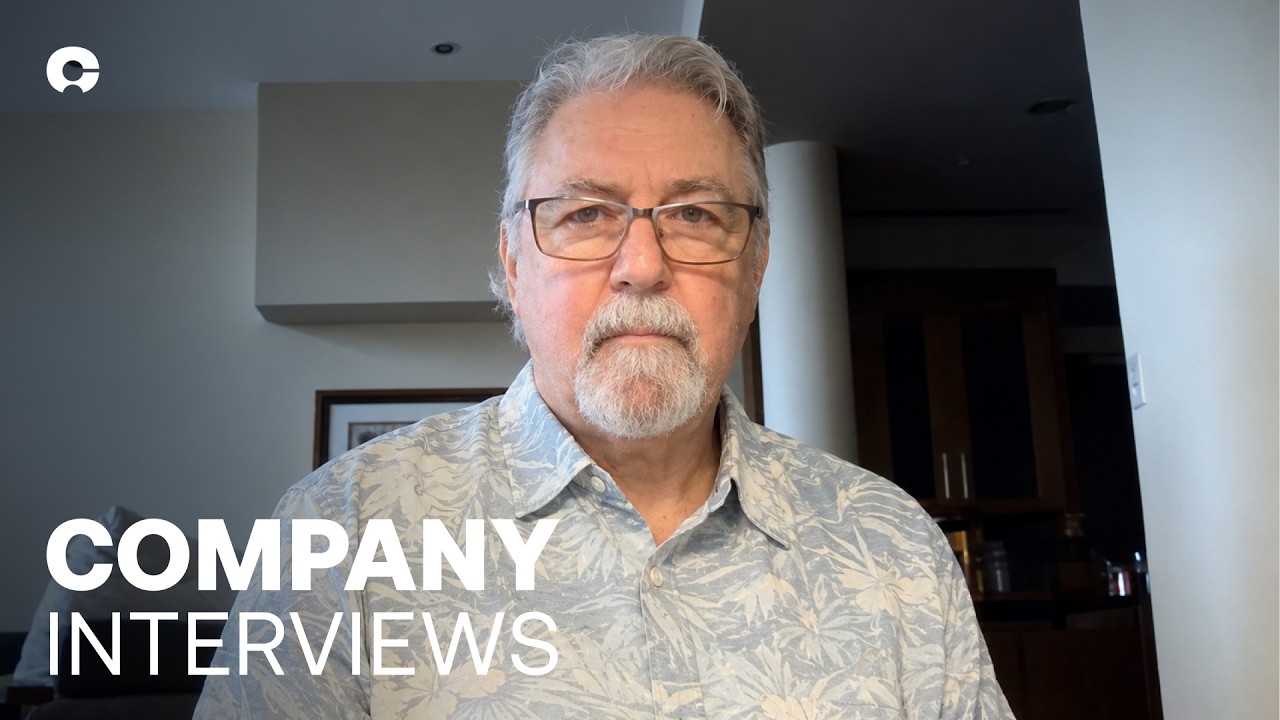
Chief Executive Officer of Serabi Gold, Mike Hodgson, is direct about the company's financial position:
"I don't want to sound arrogant, but we're generating so much cash at the moment that we can fund it all out of cash flow comfortably."
Production Ramp & Operating Leverage
First-quarter 2026 consolidated gold production reached 12,042 ounces, a 20% increase on the 10,013 ounces recorded in the same period of 2025. Coringa contributed 7,450 ounces, and the Palito Complex contributed 4,592 ounces. Management anticipates sequentially increasing output through each quarter of 2026, with the second half of the year weighted more toward the 53,000 to 57,000-ounce annual target.
The economics of that ramp are defined by a cost base that does not scale with volume. Both mines operate as camp-based facilities, where the company accommodates, feeds, and transports its workforce, establishing a high fixed-cost structure that is largely insensitive to changes in throughput. Power, diesel, and labour account for 65% of total operating costs. The direct consequence is that incremental ounces beyond the current baseline reach earnings without a corresponding increase in the cost line. For the first nine months of 2025, the company generated earnings before interest, taxes, depreciation, and amortisation (EBITDA) of US$48.2 million and a post-tax profit of US$34.3 million. Quarterly net profit progressed from approximately US$6 million in the third quarter of 2025 to approximately US$9 million in the fourth quarter of 2025; management is targeting US$13 million to US$14 million per quarter through 2026.
Four Catalysts, One Calendar Year
The fourth ball mill at Palito is the highest-return near-term initiative and the one with the most direct production consequences. Installation has commenced; commissioning is targeted for the fourth quarter of 2026. Once operational, it will lift plant throughput capacity to 330,000 tonnes per annum in 2027 and enable processing of lower-grade stockpiles that are currently uneconomic at existing capacity. The US$5.0 million capital cost is fully funded from existing cash.
At Coringa, the transition from selective open stoping to a mechanised underground mining method is targeted for completion by the third quarter of 2026, with the change expected to improve output, cost efficiency, and safety performance. Separately, the São Chico mine restart is under active assessment; expanded capacity at Palito and current gold prices have created sufficient margin to evaluate the economics of processing São Chico ore. An updated mineral resource estimate for both Palito and Coringa is expected imminently, targeting a consolidated group resource of 1.5 to 2.0 million ounces. Coringa's permanent LI operating licence, contingent on land-use approval from INCRA and approval of the Indigenous Study from FUNAI, represents a distinct and separable catalyst, with a final decision anticipated before year-end.
Hodgson puts the incremental economics of the plant ramp plainly:
"We're ramping up both mines to feed that plant; that's our biggest bang for our buck without a doubt. No real increase in labor, no real increase in activity; those extra ounces will go straight to the bottom line."
Capital Allocation & Shareholder Returns
With the balance sheet debt-free and all committed growth capital fundable internally, the company has indicated its intention to include a shareholder return programme in its capital allocation. The mechanism, whether dividends, share buybacks, or a combination, is under discussion with major shareholders. Peer transactions in the current mergers-and-acquisitions environment are occurring at valuations that management considers excessive, reinforcing the company's preference for organic growth over acquisitions at current market prices.
Hodgson is clear on the return intent:
"It's our intention, as things stand today, to do a shareholder return of around 25% of our free cash flow from 2025 back to shareholders. It's only right, and I definitely want to do that."
Valuation Relative to Peers
Serabi's market capitalisation stands at approximately £242.2 million (US$327.2 million), with an enterprise value of £195.5 million (US$263.0 million). In 2026 estimates, the company trades at 1.9 times enterprise value to earnings before interest, taxes, depreciation, and amortisation (EV/EBITDA) against a peer group average of 3.1 times, benchmarked against an 18-company peer group. The free cash flow (FCF) yield for 2026 estimates is 24%, compared with a peer average of 11%. On a price-to-net asset value basis, the stock trades at 0.6 times, compared with a peer average of 0.5 times.
The FCF yield differential is the most numerically direct expression of the gap. At 24% versus a 11% peer average, the company is generating nearly twice the FCF per unit of enterprise value relative to its comparator group. The EV/EBITDA discount of 1.2 times versus the peer average is not attributable to underperformance of the underlying operating assets; the production growth trajectory, fixed-cost leverage, and debt-free balance sheet each compare favourably against the benchmarks against which these metrics are drawn.
The Investment Thesis for Serabi Gold
- A fully debt-free balance sheet carrying US$64.4 million in cash eliminates near-term financing risk, funds all committed capital expenditure internally, and enables a shareholder return programme targeting approximately 25% of 2025 free cash flow without compromising the growth plan.
- Quarterly net profit progressed from approximately US$6 million in the third quarter of 2025 to approximately US$9 million in the fourth quarter of 2025, with management targeting US$13 million to US$14 million through 2026, a trajectory that reflects the direct pass-through of rising gold prices through a fixed operating cost base at both camp-based mines.
- The fourth ball mill at Palito, targeted for commissioning in the fourth quarter of 2026 for US$5.0 million, lifts plant throughput to 330,000 tonnes per annum in 2027; incremental ounces will flow to earnings without a proportionate increase in labour or overhead, extending the operating leverage already visible in the quarterly profit progression.
- A 2026 estimated free cash flow yield of 24% against a peer group average of 11%, and a 1.9 times enterprise value to earnings before interest, taxes, depreciation, and amortisation multiple against a peer average of 3.1 times, represent a quantifiable discount that is not explained by production, cost, or balance sheet underperformance relative to the peer group.
- Resolution of Coringa's permanent operating licence from INCRA and FUNAI, combined with delivery of a consolidated resource estimate targeting 1.5 to 2.0 million ounces, would remove the two most substantive sources of uncertainty currently embedded in the stock's valuation and the primary factors distinguishing Serabi from a straightforward re-rating to peer multiples.
- A programme of organic capacity additions, including the fourth ball mill, the transition to a mechanised underground mining method at Coringa, and the assessment of São Chico restart, is funded entirely from operating cash flow, with no reliance on equity or debt markets across any part of the growth plan.
TL;DR
Serabi Gold exited the first quarter of 2026 debt-free and carrying US$64.4 million in cash, having added over US$15 million to the balance sheet in a single quarter while retiring its final loan facility. Consolidated production of 12,042 ounces in the first quarter of 2026 was 20% above the same period of 2025, with management targeting 53,000 to 57,000 ounces for the full year and production weighted toward the second half. The company's camp-based, fixed-cost operating structure is generating a quarterly profit trajectory, from approximately US$6 million in the third quarter of 2025 to a target of US$13 million to US$14 million through 2026, that is not reflected in a current EV/EBITDA multiple of 1.9 times against a peer average of 3.1 times. The forward question is whether four converging catalysts, the fourth ball mill commissioning at Palito, the underground mining method transition at Coringa, the permanent licensing decision at Coringa, and a resource estimate targeting 1.5 to 2.0 million ounces, are delivered within 2026 on the timeline management has committed to.
FAQs (AI-Generated)
Serabi Gold retired its final loan facility in the first quarter of 2026 and now holds US$64.4 million in cash with no outstanding borrowings. All near-term capex, including the US$5.0 million fourth ball mill at Palito, is fundable from the existing balance, with surplus cash directed toward a shareholder return programme targeting approximately 25% of 2025 FCF.
Power, diesel, and labour account for 65% of Serabi's operating costs and are largely fixed regardless of throughput, since both mines are camp-based operations that accommodate and transport their own workforce. As gold prices rise, revenue increases without a proportionate increase in the cost base, which is why quarterly net profit progressed from approximately US$6 million to approximately US$9 million between the third and fourth quarters of 2025, with management targeting US$13 million to US$14 million through 2026.
In 2026 estimates, Serabi trades at 1.9 times EV/EBITDA against a peer group average of 3.1 times, and a FCF yield of 24% versus a peer average of 11%, benchmarked against an 18-company peer group. On a price-to-net asset value basis, the stock trades at 0.6 times, compared with a peer average of 0.5 times.
The fourth ball mill is targeted for commissioning in the fourth quarter of 2026 at a capital cost of US$5.0 million, fully funded from existing cash. Once operational, it will lift plant throughput capacity to 330,000 tonnes per annum in 2027, enabling processing of currently uneconomic lower-grade stockpiles and directing incremental ounces to earnings without a proportionate increase in labour or overhead.
Coringa is currently operating under a provisional licence. Its permanent LI operating licence requires land-use approval from INCRA and an Indigenous Study approval from FUNAI, with a final decision anticipated before the end of 2028.
Analyst's Notes





Subscribe to Our Channel



.jpg)
Stay Informed






















